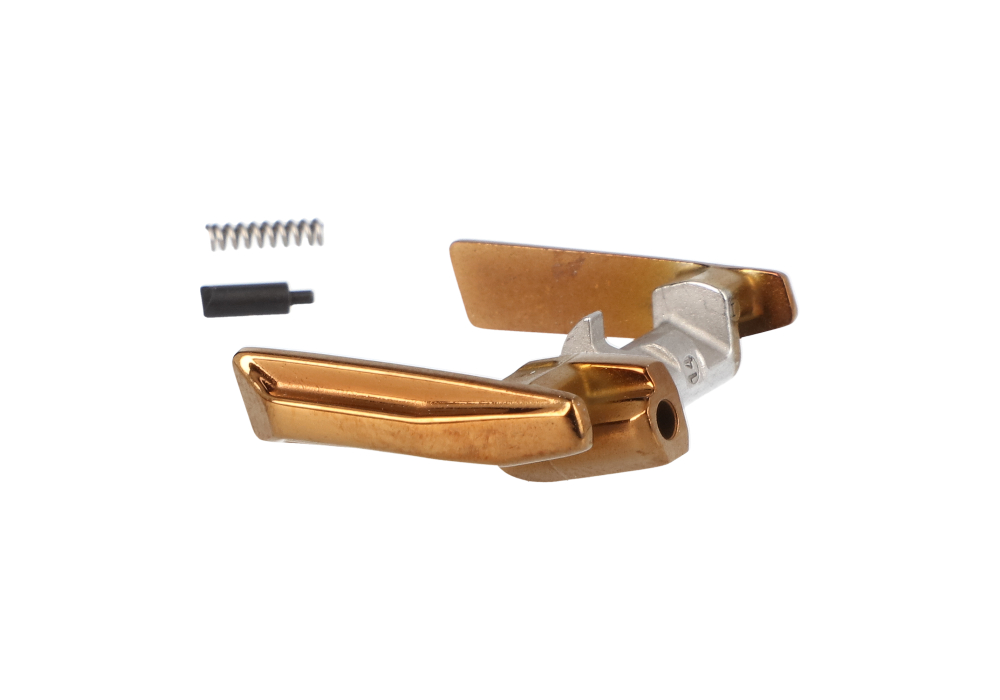
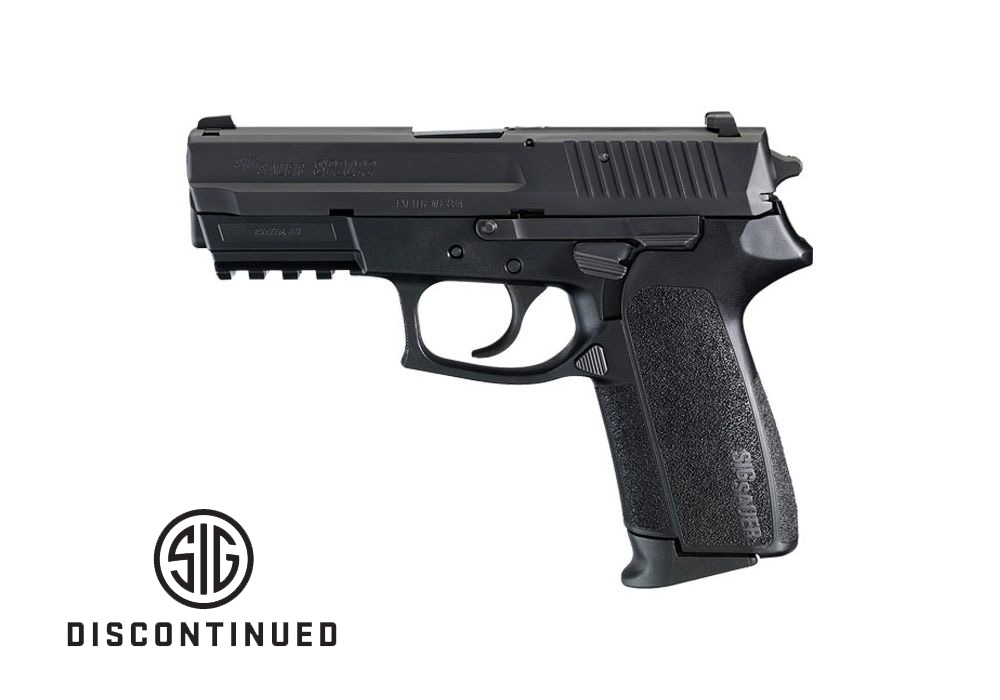
Safety levers are manual or mechanical firearm controls designed to help prevent an unintended discharge by blocking or restricting movement within the firing mechanism. Depending on the firearm design, a safety lever may act on the sear, hammer, trigger, or another internal component, creating a physical barrier until the shooter deliberately moves the control to the appropriate position. These are active safeties, which means they rely on intentional human operation rather than functioning as a substitute for safe handling. Many are operated with the thumb, using a lever or paddle that moves between safe and fire positions. On some handguns, a thumb safety works in combination with a grip safety, while rifles may use a pivoting selector that changes between safe and fire modes. The shape, reach, resistance, and location of the lever can all affect how naturally it can be operated, particularly when the firearm is shouldered, held close to the body, or used with gloves during cooler weather. When browsing safety levers, begin with exact firearm compatibility. Controls that appear similar may differ in dimensions, mounting points, selector travel, internal engagement, or the way they interact with the trigger and firing system. A lever intended for one platform, generation, or configuration may not be suitable for another, so reviewing the manufacturer’s specifications and firearm manual is essential before purchase. It is also worth considering whether the replacement or upgrade preserves the intended safety function, whether it offers the same direction of movement as the original control, and whether its profile works with the shooter’s preferred grip. A low-profile lever may help reduce snagging on clothing or gear, while an extended or ambidextrous design can make operation easier for left-handed users or anyone who changes shooting positions. For additional options in related manual controls, browse Control Levers and compare the available configurations carefully.
A safety lever may be selected as a replacement for a worn, damaged, or misplaced control, or as part of a properly planned setup for a new firearm configuration. Shooters who spend time at the range often appreciate a control that is easy to locate by touch without shifting the firing grip, while those who train outdoors may value a surface that remains identifiable when wearing heavier gloves or working in reduced light. Competitive shooters, hunters, recreational users, and responsible firearm owners may each have different preferences, but the fundamental priorities remain the same: correct fit, reliable movement, positive engagement, and compatibility with the firearm’s operating system. These parts can also be practical gifts for an experienced firearm owner when the exact model and configuration are known, although a gift card or an opportunity to choose together is often wiser when compatibility is uncertain. Installation deserves equal attention. A safety lever is part of a critical mechanical system, and an incorrectly installed or poorly fitted component can interfere with safe operation. Anyone unfamiliar with the firearm’s internal parts should consult a qualified gunsmith or other appropriately trained professional rather than relying on trial and error. After installation, the firearm should be unloaded and handled in accordance with its manual while the control is checked for proper engagement, disengagement, movement, and fit; live ammunition should never be present during inspection or function checks. A safety lever should never be treated as the only safeguard. Keep the muzzle pointed in a safe direction, keep the trigger finger outside the trigger guard until ready to fire, verify the firearm’s condition, and store the firearm securely when it is not in use. During the cooler months, inspect controls after exposure to moisture, dust, field debris, or temperature changes, and confirm that gloves do not prevent deliberate operation. Selecting a suitable safety lever is ultimately about matching the component to the firearm and the person using it, then maintaining disciplined habits every time the firearm is handled.