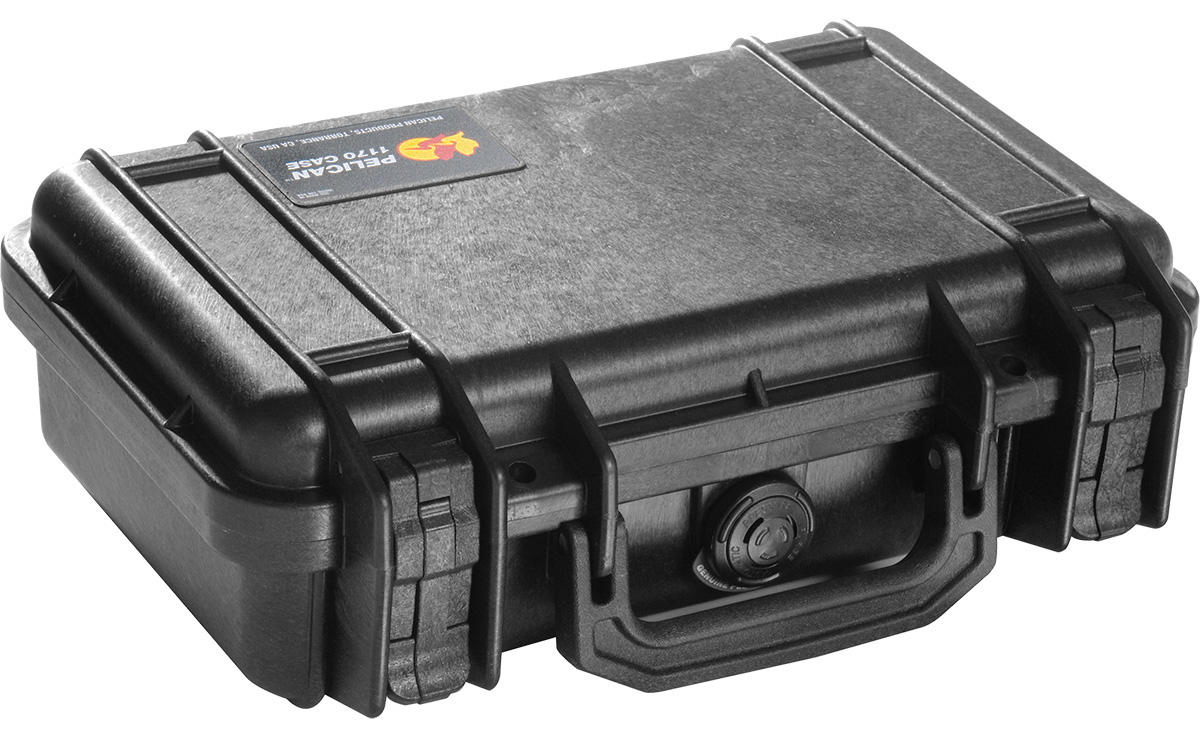
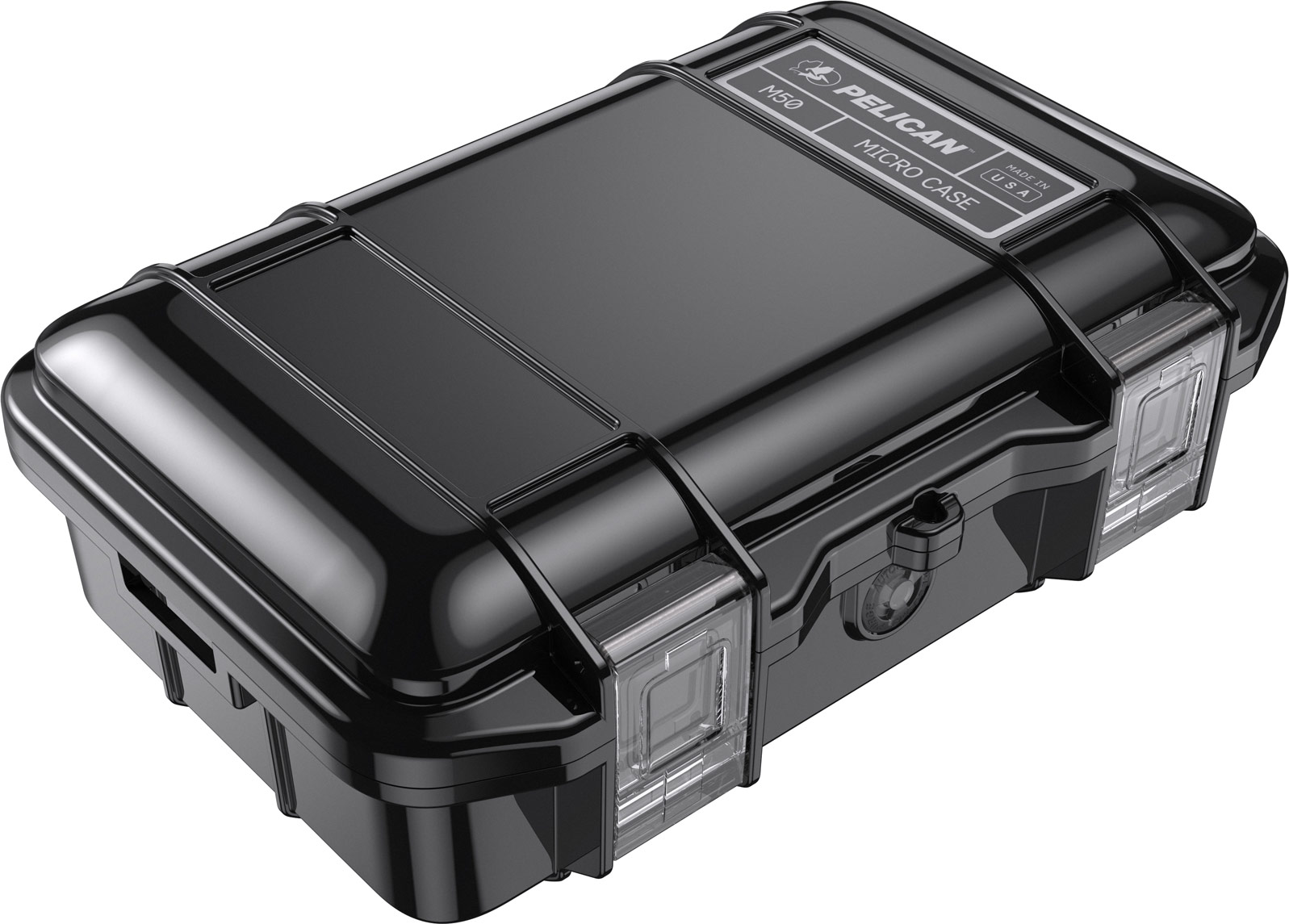
Protective covers help shield compatible equipment from dust, scratches, and routine surface contact during storage, transport, and everyday handling. For firearms-related equipment and optics, their role is often straightforward: keep an exposed lens, finish, or housing separated from the small sources of wear that accumulate over time. A zipper pull brushing against an optic in a gear bag, loose accessories shifting inside a compartment, or dust settling on equipment between range visits can all create reasons for a properly fitted cover. Depending on its design, a cover may protect a single opening, wrap around a housing, or provide a flexible barrier over a larger section of equipment. Lens covers concentrate protection around optical surfaces, while sleeves and fitted covers can help reduce contact across a broader area. The useful distinction is between a cover that protects a surface and a case that provides a more substantial enclosure. Neither should be assumed to offer protection beyond its stated specifications, and a thin cover is not a replacement for padding when equipment needs support during transport. Good protective covers complement the way equipment is already carried and stored rather than adding unnecessary bulk or complicating access. A compact cover can be practical for someone who keeps equipment in a dedicated range bag, while a more enveloping design may suit an owner whose gear shares space with other accessories. Hunters, recreational shooters, competition participants, and owners who value orderly storage may all appreciate this kind of protection. The benefit is not simply preserving appearance. Keeping grit away from covered surfaces can also reduce the amount of cleaning needed before the next use, particularly around lenses and recessed areas that take extra care to clean. For equipment that is frequently packed and unpacked, a cover creates a consistent protective layer between uses. Its effectiveness still depends on fit, material, and the conditions described by the manufacturer, rather than appearance alone.
Materials and construction influence how a protective cover feels, how securely it stays in place, and which kinds of everyday wear it can reasonably address. Flexible rubber and silicone can conform closely to compatible shapes, providing a low-profile barrier without the structure of a full enclosure. Neoprene and other padded fabrics can offer cushioning against light contact, while woven synthetic fabrics may be useful where abrasion resistance and a compact folded size matter. Rigid components serve a different purpose, helping maintain clearance over a lens or other exposed surface when the design calls for it. These are general material characteristics, not interchangeable guarantees: thickness, lining, seams, and attachment points all affect performance. A soft exterior can still have an interior seam that deserves attention, and padding works best when it remains positioned over the area being protected. Fit is just as important as material. A cover that is too loose may shift inside a bag or leave part of the intended surface exposed; one that is too tight can strain stitching, distort its shape, or become difficult to remove. Compatibility information helps distinguish a purpose-shaped cover from a broadly sized sleeve. Length, width, housing profile, and the space around mounted accessories can each influence whether a cover rests correctly. For optics, clearance around adjustment controls and mounting hardware matters because an otherwise suitable cover may catch on a protruding feature. Closures also affect everyday use. Elastic openings favor simple handling, while straps, tabs, and other retention features can help keep a cover positioned when equipment is moved. A smooth interior and an accessible removal tab may be more valuable than extra ornamentation. In a crowded gear bag, snag-resistant construction can help a cover remain seated as nearby accessories are removed. On a storage shelf, a close fit may matter more than additional padding. Matching these details to the intended setting gives protective covers a practical role without expecting every design to perform the same task.
Care and storage habits help protective covers remain useful over time. Dust and grit trapped inside a cover can rub against the very surface it is meant to shield, so a clean interior matters as much as a clean exterior. Material-specific care directions are important because fabric, rubber, foam, and rigid components do not always tolerate the same cleaners or cleaning methods. When a cover requires cleaning, the manufacturer’s instructions provide the appropriate reference for detergents, rinsing, and drying. A cover should be clean and dry before it is returned to equipment, and unnecessary contact with solvents, oils, or harsh cleaning chemicals can be avoided unless compatibility is expressly stated. Routine inspection can reveal worn seams, stretched openings, loose retention features, or damaged linings before they interfere with fit. Durability is not only a matter of how tough a material feels in the hand; it also includes whether the cover retains its shape and continues to protect the intended area after repeated use. Someone who visits the range frequently may place more value on easy removal and reliable retention, while an owner organizing equipment for longer storage may prefer broad coverage and an interior that is easy to inspect. Protective covers can also be thoughtful gifts for equipment owners when compatibility is known. They support an existing interest without requiring the recipient to change a familiar setup, though precise fit is more useful than a guess based only on appearance. For equipment that needs a more substantial enclosure, Protective Cases for Sensitive Equipment provides a related category to consider alongside surface-level protection. Covers and cases can serve complementary roles, with a fitted cover shielding an exposed area and a suitable case supporting the equipment during storage or transport. Neither replaces secure firearm storage, appropriate handling, or the care requirements of the protected equipment. The most useful protective cover is one that fits correctly, stays where it belongs, and suits the owner’s routine.