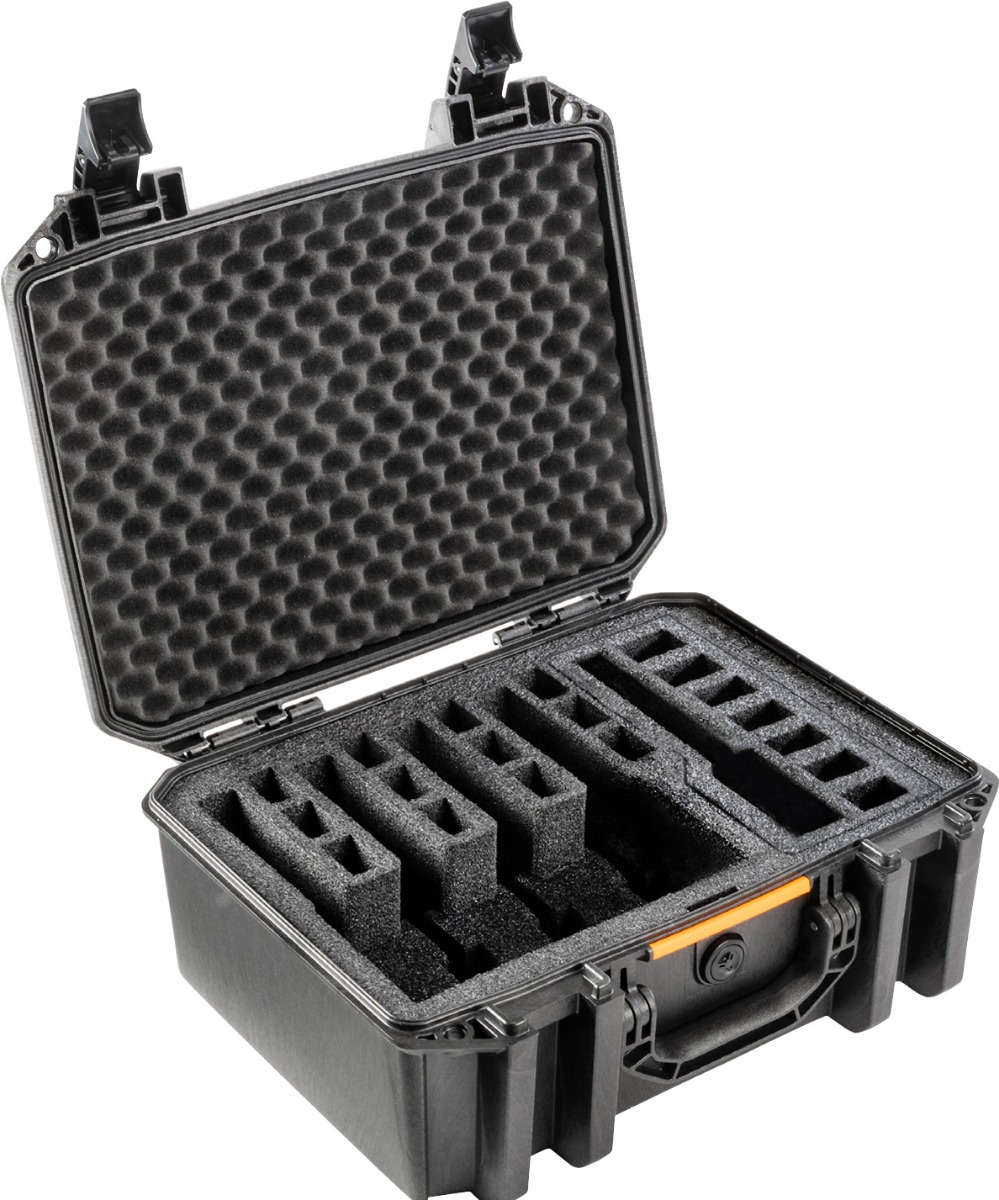
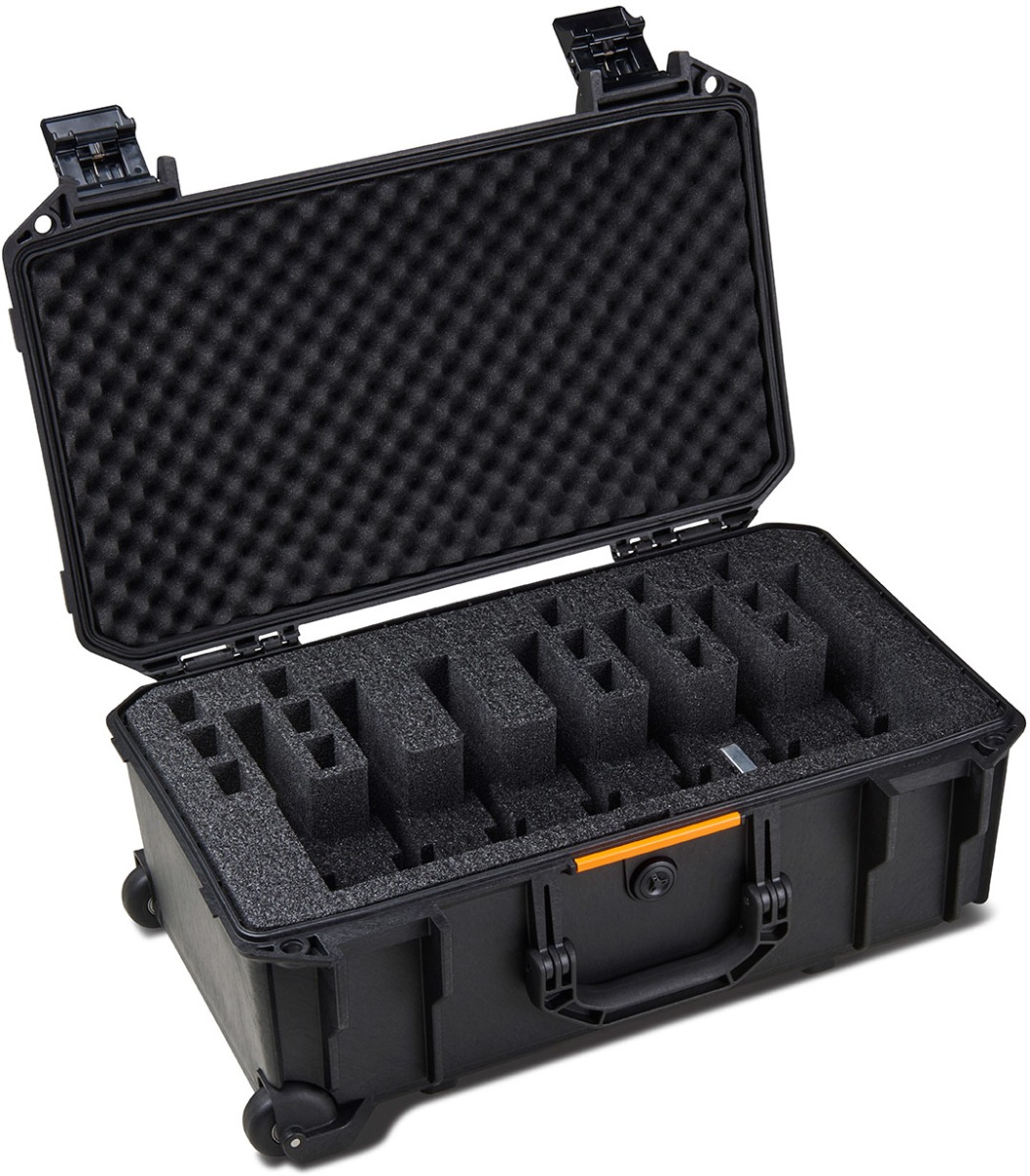
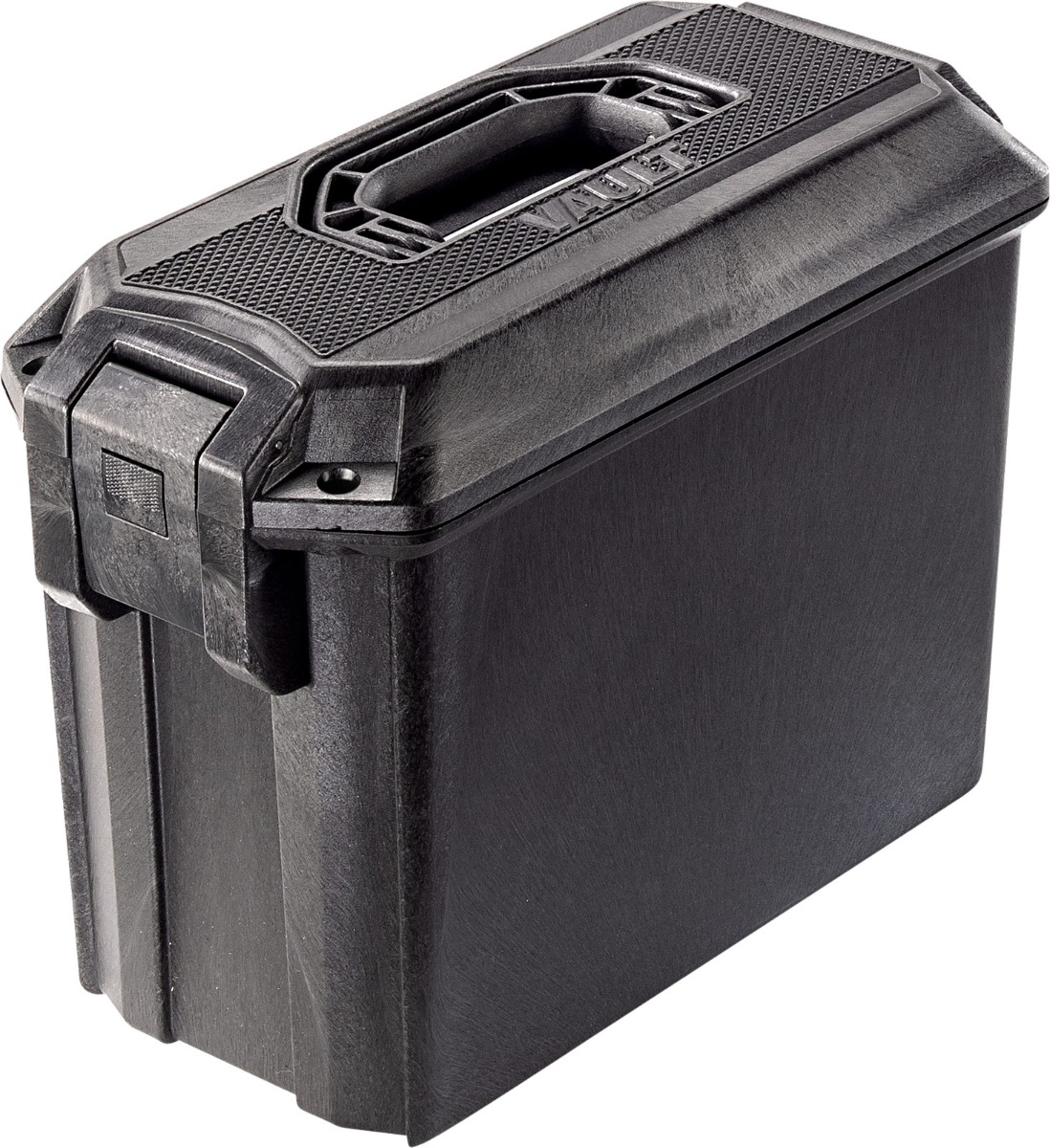
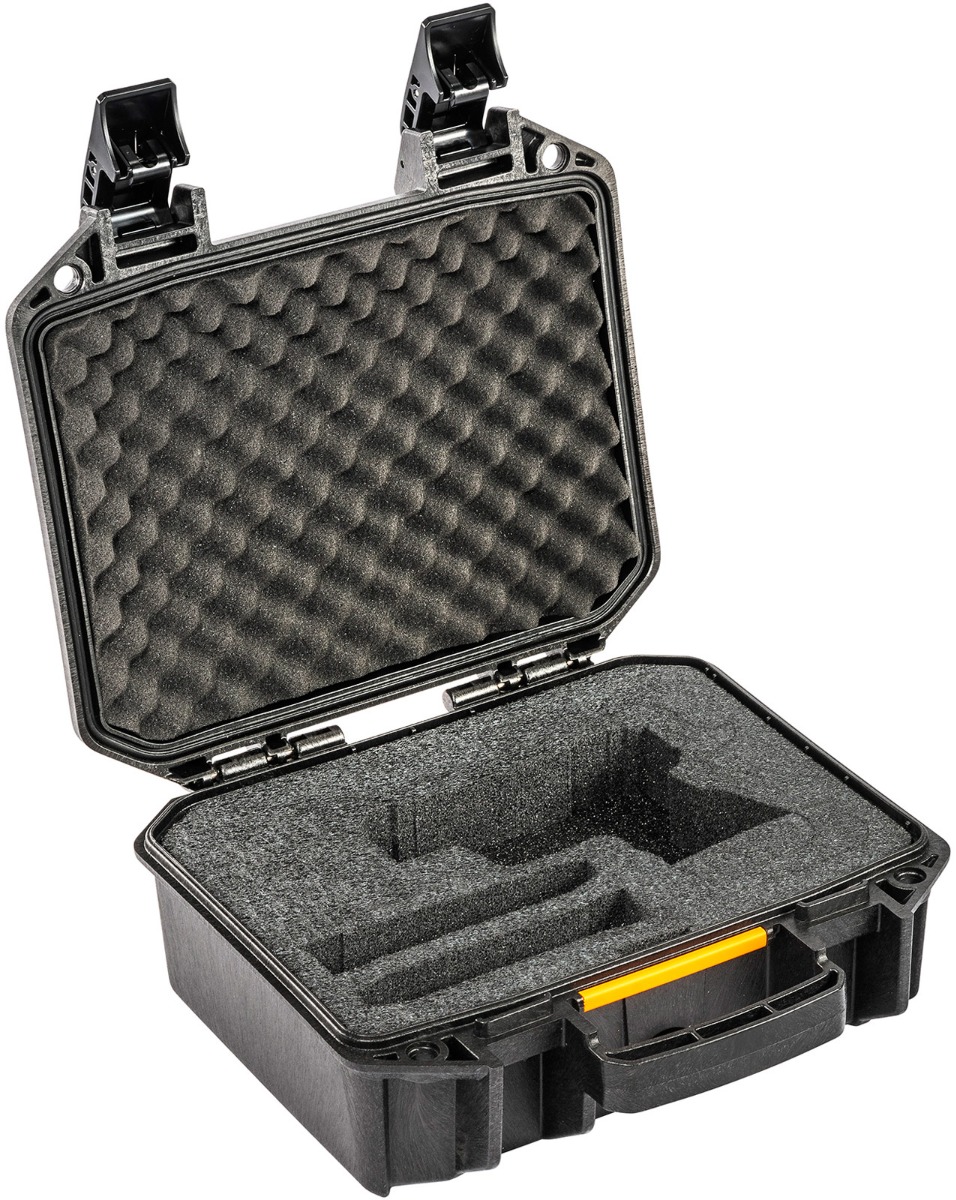
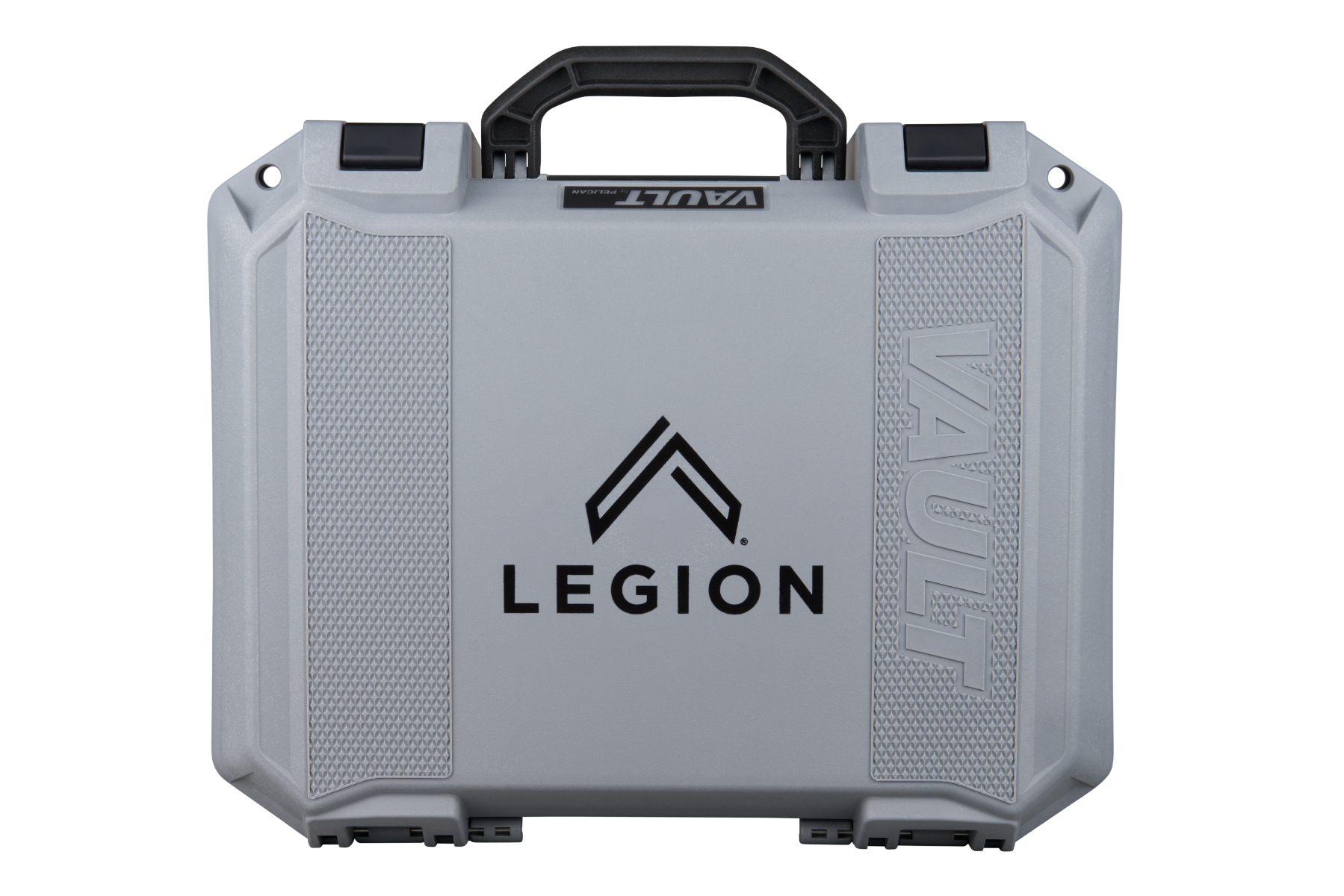
Protective cases for sensitive equipment provide a dedicated barrier against impacts, dust, moisture, and the everyday wear that comes with carrying valuable gear. Their purpose goes beyond keeping an exterior surface clean: a well-fitted case helps keep delicate controls, glass, connectors, and precision components from contacting surrounding objects or shifting during transport. Optical equipment, electronic instruments, communication devices, and shooting accessories can all benefit from an enclosure suited to their dimensions and handling requirements. The right construction depends on how the equipment travels. A rigid shell offers structural protection when gear shares a vehicle with heavier bags or moves through busy work areas, while a padded soft case can suit shorter trips where lower weight and easy access matter more. Semi-rigid designs offer another balance of support and portability. Common construction materials include molded polymers, aluminum, woven textiles, and cushioning foams, each with different strengths. Polymer shells can combine stiffness with manageable weight; metal enclosures offer a firm outer structure; textile cases often provide flexible pockets and a less bulky profile. Material alone does not determine protection, however. Shell thickness, corner reinforcement, seam construction, and the connection between the lid and body all influence how a case handles repeated use. A sturdy enclosure should feel cohesive rather than relying on a single heavy component to suggest durability. Reinforced corners are particularly useful where a case repeatedly meets a truck bed, bench, or storage shelf. Recessed hardware can help reduce snagging, and a handle with enough clearance for a comfortable grip makes a noticeable difference when carrying equipment across a large parking area. The interior matters just as much as the exterior. Cushioning absorbs some of the energy from bumps, while a properly supported fit helps prevent equipment from rattling against the shell. Protection is most effective when the enclosure, padding, and equipment work together, rather than when a fragile instrument sits loosely inside an oversized box.
Fit begins with usable interior dimensions, including the depth beneath the lid and the space occupied by padding. Exterior measurements describe the overall footprint but do not establish whether an assembled piece of equipment will sit comfortably inside. Projecting adjustment knobs, mounting hardware, eyepieces, and cable connectors can require more room than the main body suggests. A protective case should accommodate these details without forcing the lid closed or placing sustained pressure on a vulnerable surface. Foam interiors, adjustable dividers, and padded compartments offer different ways to organize that space. Shaped foam can keep a consistent equipment arrangement secure, while movable dividers suit a kit whose contents change between assignments. A combination of larger compartments and smaller accessory pockets can separate the primary equipment from batteries, cables, cleaning supplies, and other essentials. This separation helps prevent loose accessories from rubbing against lenses or striking exposed controls. Enough cushioning should remain around individual compartments to support the contents, especially near corners and beneath heavier components. An interior packed too tightly can be inconvenient as well as uncomfortable for the equipment: there should be room to grasp an instrument without pulling on a delicate attachment. A thoughtful layout also makes missing components easier to notice before leaving a worksite or range. Beyond interior organization, closure design deserves attention. Latches should engage consistently, hinges should move without excessive play, and any sealing surface should remain free of debris that could interfere with contact. Water resistance, dust resistance, and impact performance are separate characteristics, so a rugged appearance should not stand in for documented specifications. Where a published protection rating applies, its stated conditions and limitations help establish the intended use. Pressure-equalization features, when present, can help balance pressure inside and outside a sealed enclosure during travel. Wheels and telescoping handles may be practical for heavier kits, but their size and placement also affect maneuverability through doorways, aisles, and crowded storage areas.
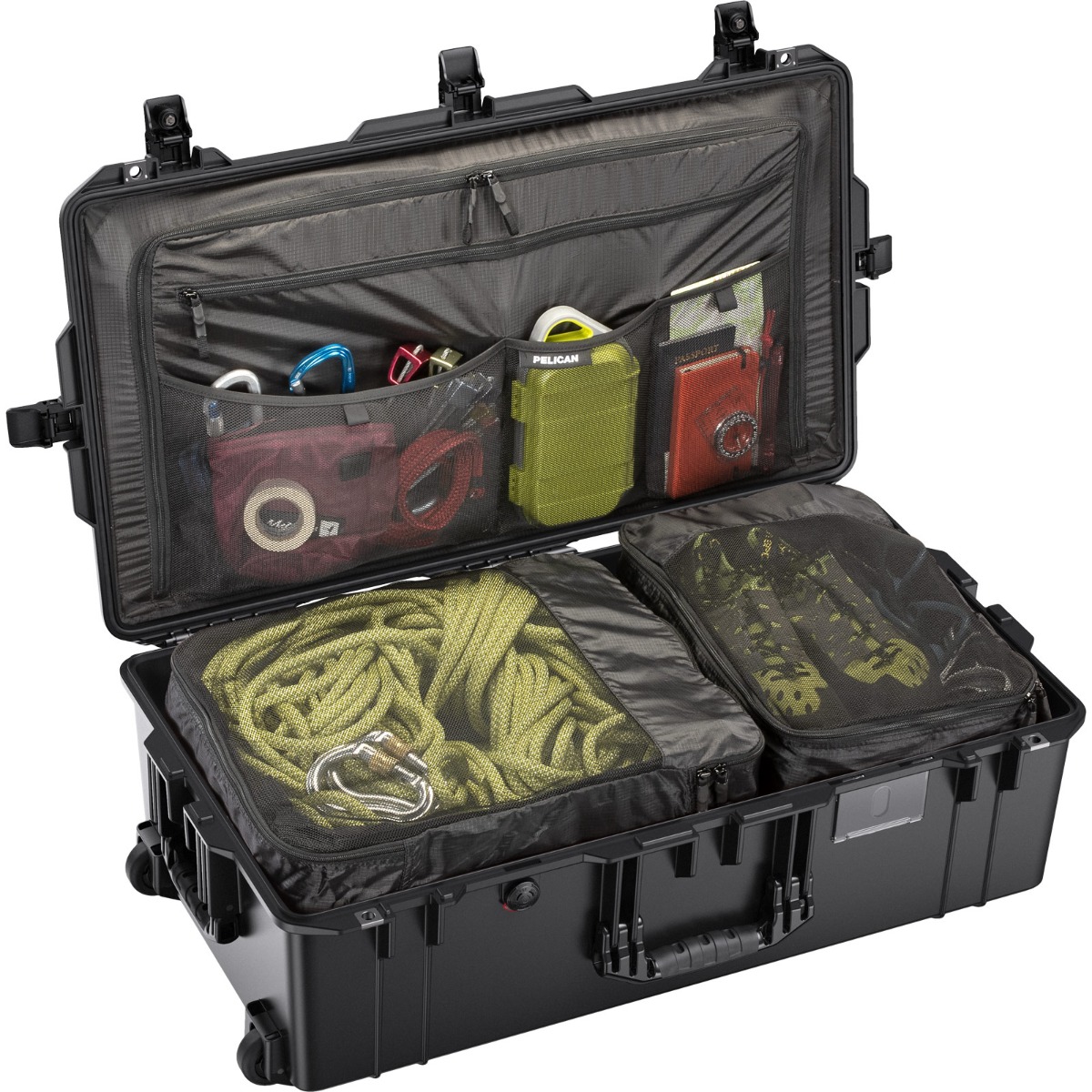
Protective equipment cases serve photographers, field technicians, researchers, instructors, competitive shooters, and anyone responsible for transporting precision gear between locations. The most useful design reflects a real routine: equipment carried from a vehicle to a fixed workstation has different handling needs from a kit unpacked repeatedly throughout the day. A case that opens flat can provide a clear view of its contents on a bench, while exterior pockets may keep paperwork and frequently used accessories within reach. Smooth interior surfaces and removable inserts can simplify cleaning after a busy assignment. For exposed surfaces that need a lighter layer of protection rather than a full transport enclosure, Protective Covers offer a complementary option; a cover and a structured case serve different purposes and should not be assumed to provide equivalent impact protection. Long-term performance also depends on routine care. Grit around hinges and latches can contribute to wear, and debris along a gasket can interfere with a proper seal. Cleaning methods should suit the shell, lining, and cushioning material, with the manufacturer's care directions taking priority over general cleaning habits. Equipment and interiors should be clean and dry before extended storage, since a closed case can retain moisture already present inside. Foam that has become compressed, torn, or poorly fitted may no longer support equipment as intended. Periodic inspection of handles, fasteners, wheels, and closures helps identify wear before the next trip. Lockable hardware can provide an additional access barrier, but a portable case is not automatically a substitute for a dedicated security safe. When used for firearms, the case should support unloaded transport and secure storage consistent with applicable laws and the firearm manufacturer's instructions. For a gift recipient, confirmed equipment dimensions and a familiar carrying routine are more useful starting points than appearance alone. A well-matched case becomes part of the kit itself: a consistent place for essential equipment, with practical protection from the moment it leaves storage until it returns.