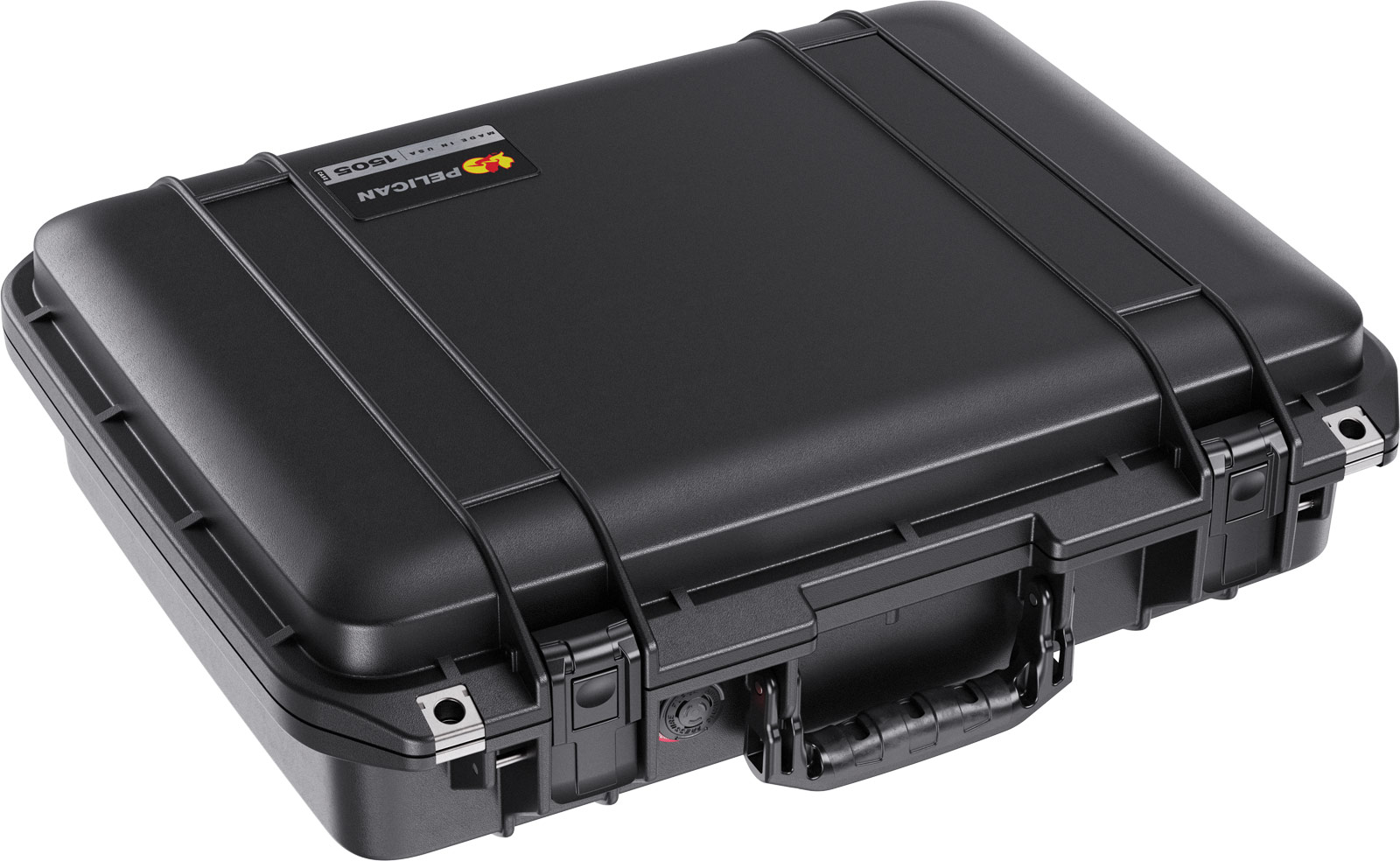
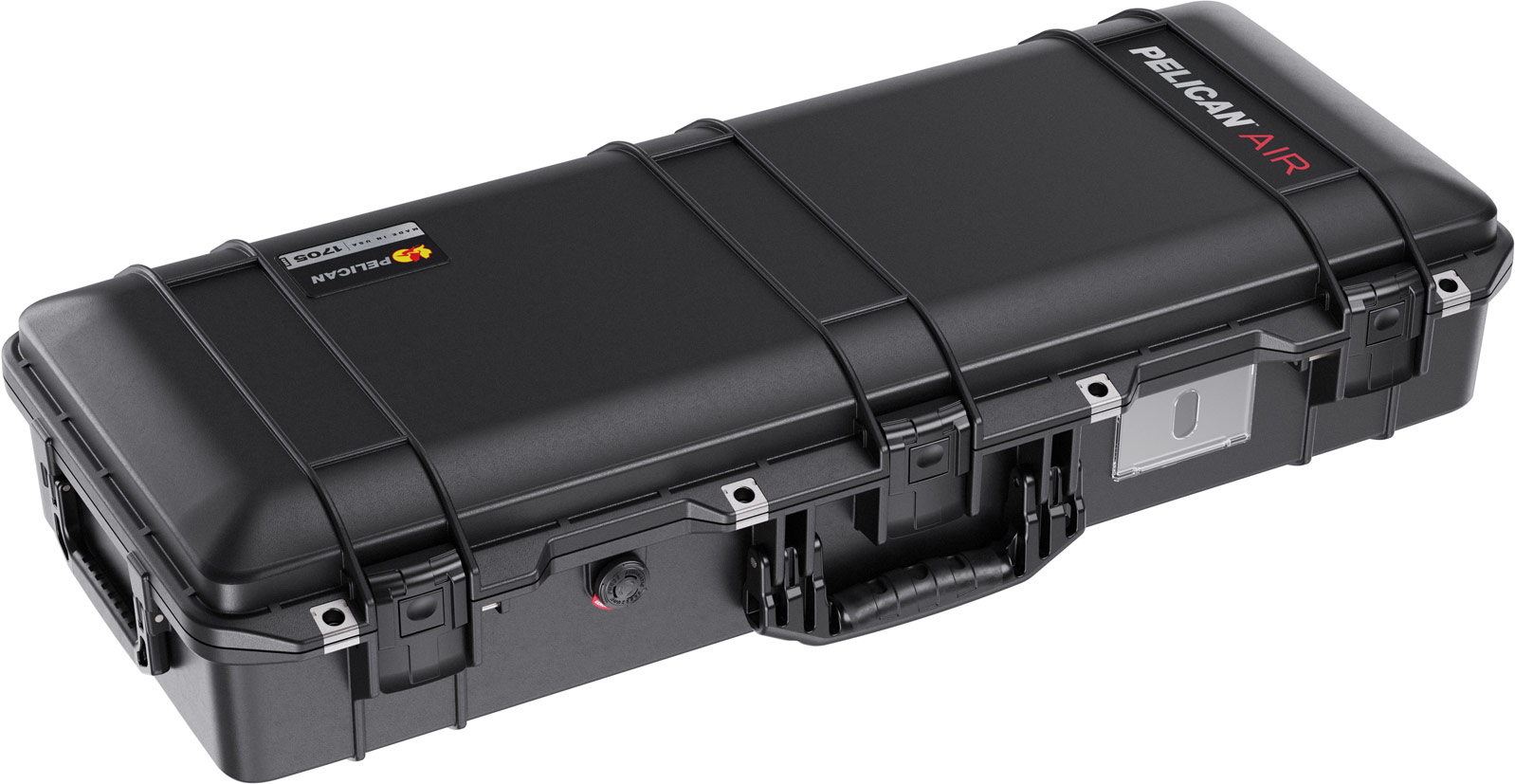
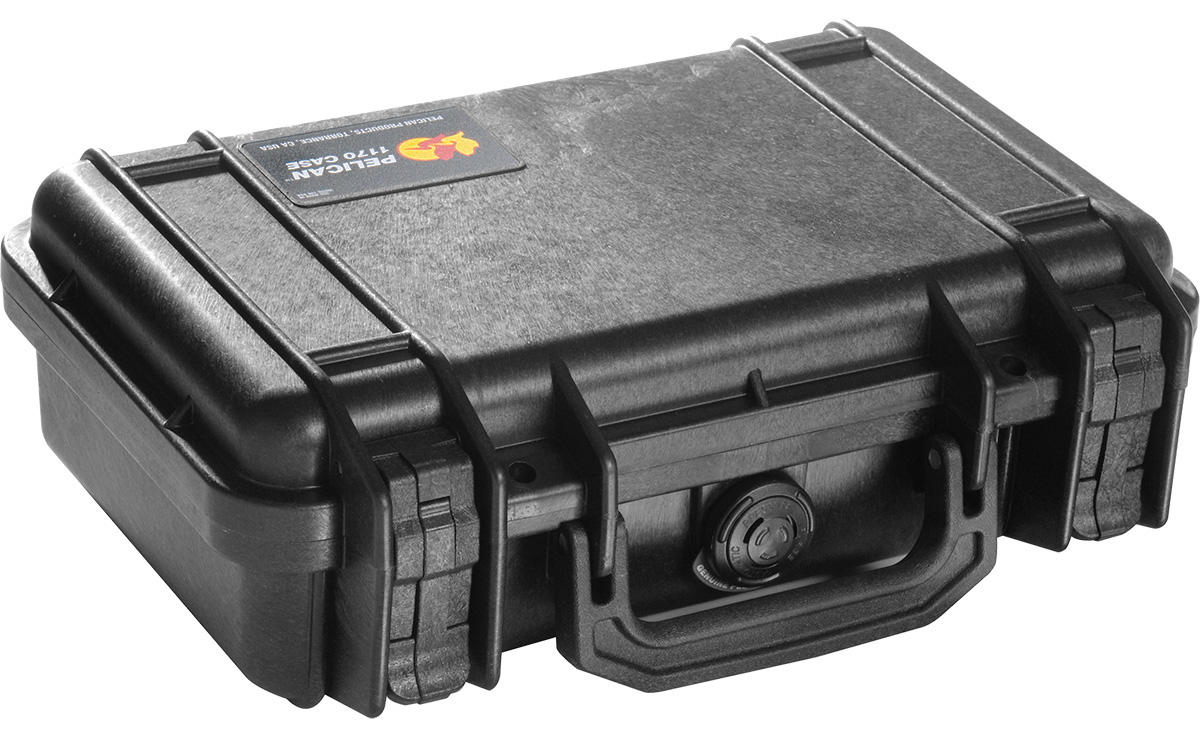
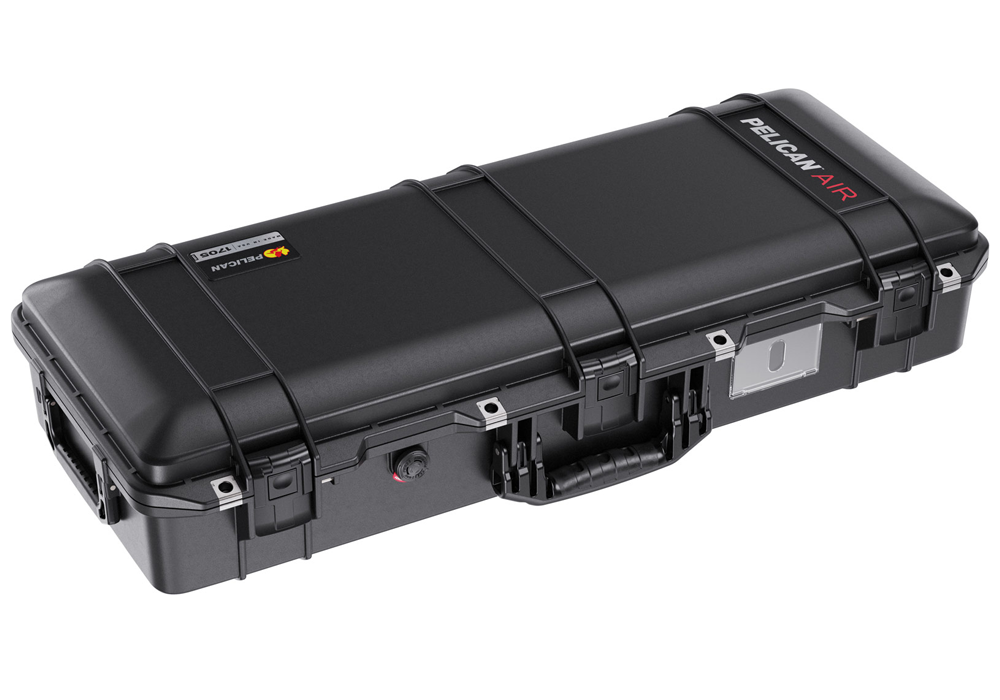
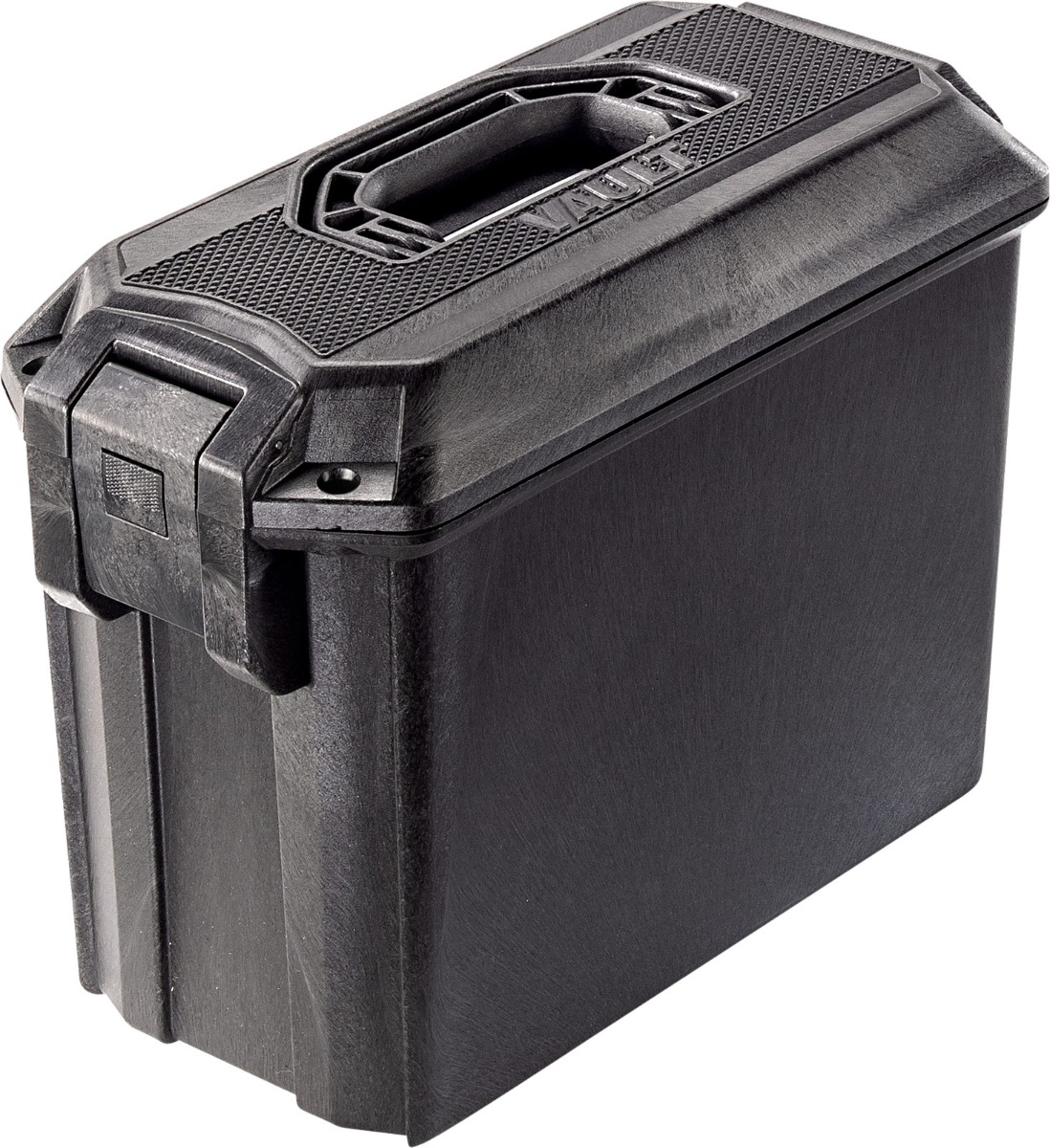
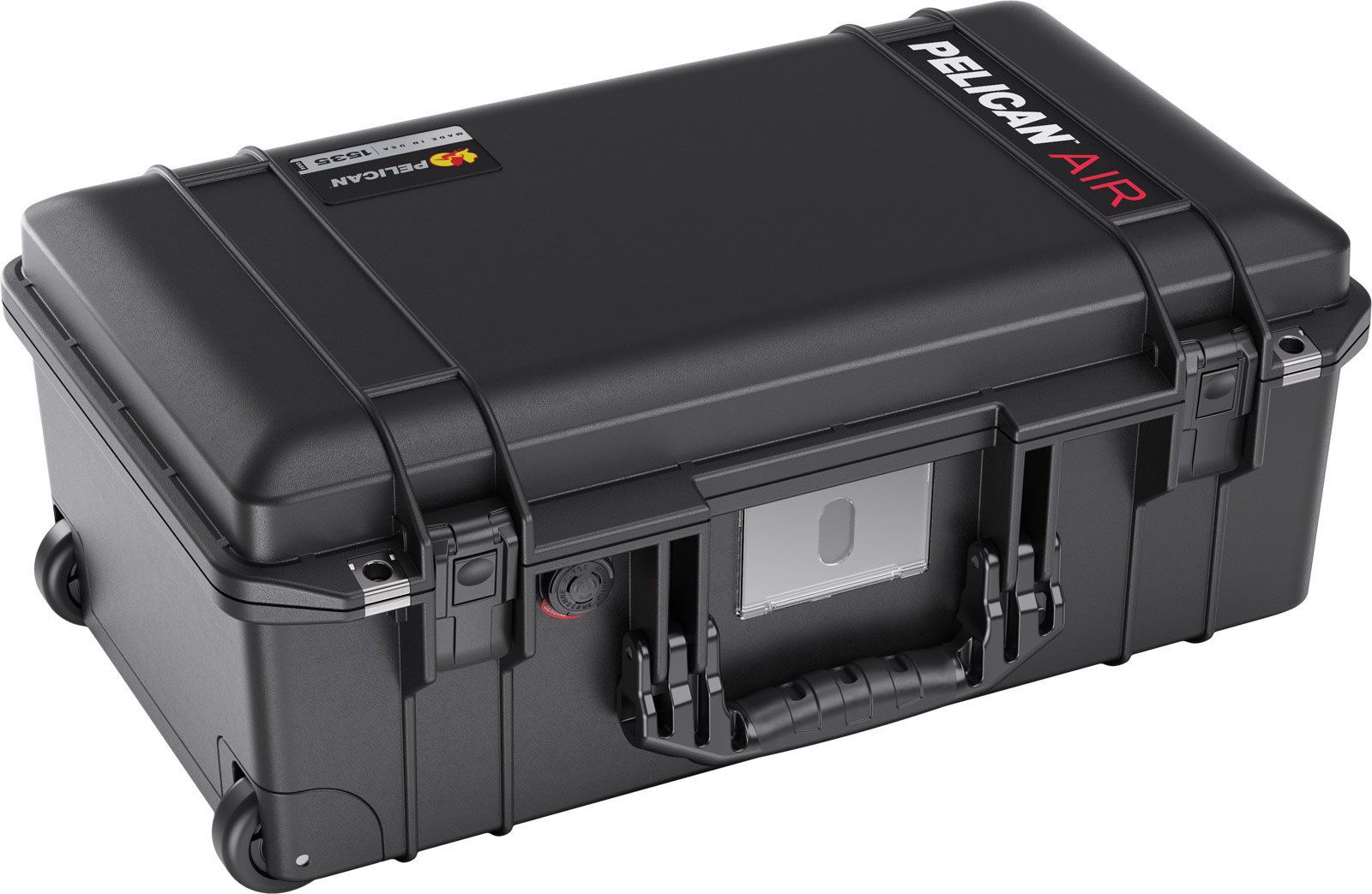
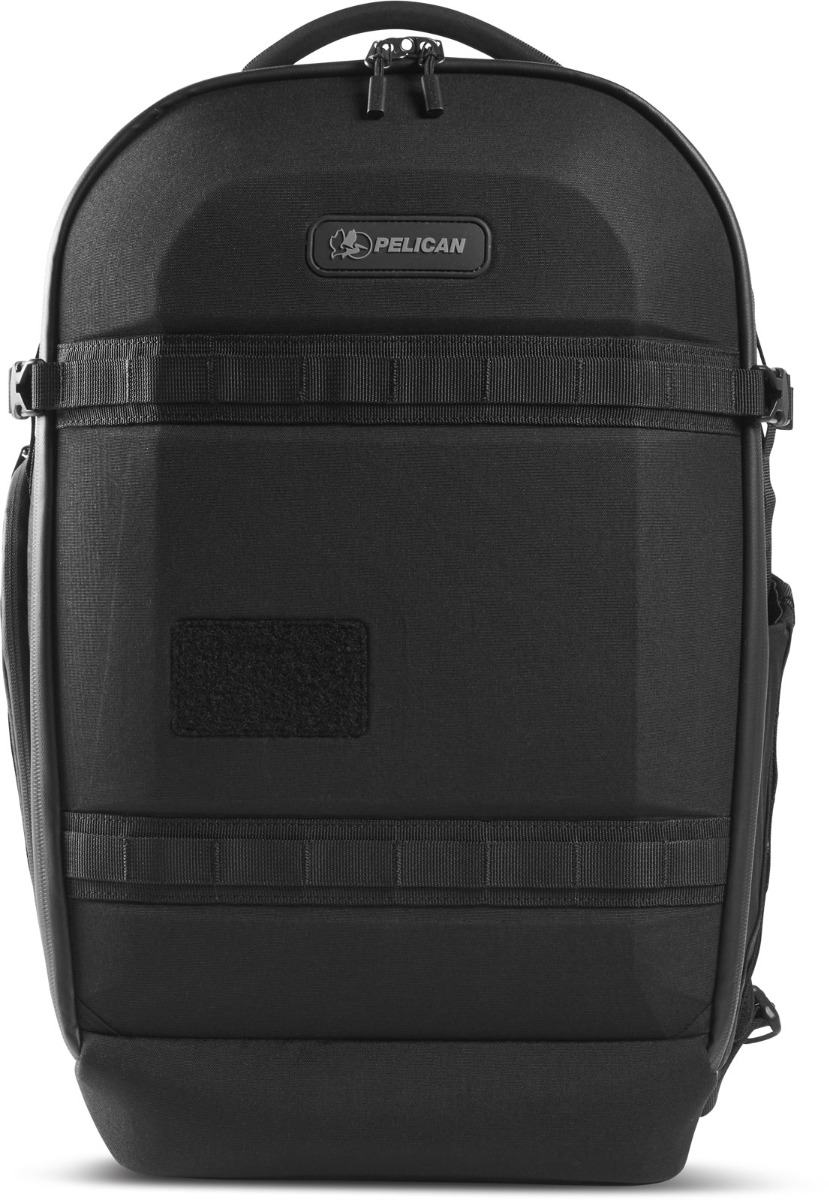
Protective cases shield firearms, optics, and other precision equipment from impact, dust, moisture, and the friction of everyday handling. Their protection comes from a combination of exterior construction, interior cushioning, secure closures, and a fit that keeps equipment from shifting. A rigid shell can help distribute force across its exterior, while fitted foam or padded dividers cushion the contents and separate surfaces that should not rub together. That distinction matters when a case shares a vehicle with range bags, rests on a concrete bench, or moves between a storage cabinet and a training facility. Hard protective cases often use molded polymers or reinforced metal construction, with structural ribs, substantial hinges, and latches designed for repeated use. Soft cases generally use woven nylon or polyester with padding, reinforced seams, and covered zippers, offering a lighter, more flexible option for routine handling. Neither construction is automatically the right choice for every piece of equipment; the useful balance depends on the weight of the contents, the amount of handling involved, and the level of protection needed. Water and dust resistance also depend on specific construction details rather than appearance alone. A gasketed lid can help limit entry around the opening, but a published ingress protection rating provides a more precise reference. An IP65 rating indicates dust-tight protection and resistance to water jets under specified test conditions, while IP67 indicates dust-tight protection and resistance to temporary immersion under specified conditions. These ratings do not mean unlimited protection against every kind of exposure. Pressure equalization valves, where included, help balance air pressure inside and outside a sealed case, making the lid easier to open after elevation changes. Together, the shell, seal, cushioning, and closure system determine how well a protective case suits its intended use. A substantial exterior is valuable, but dependable protection also requires an interior that supports the equipment without concentrating pressure on sensitive components.
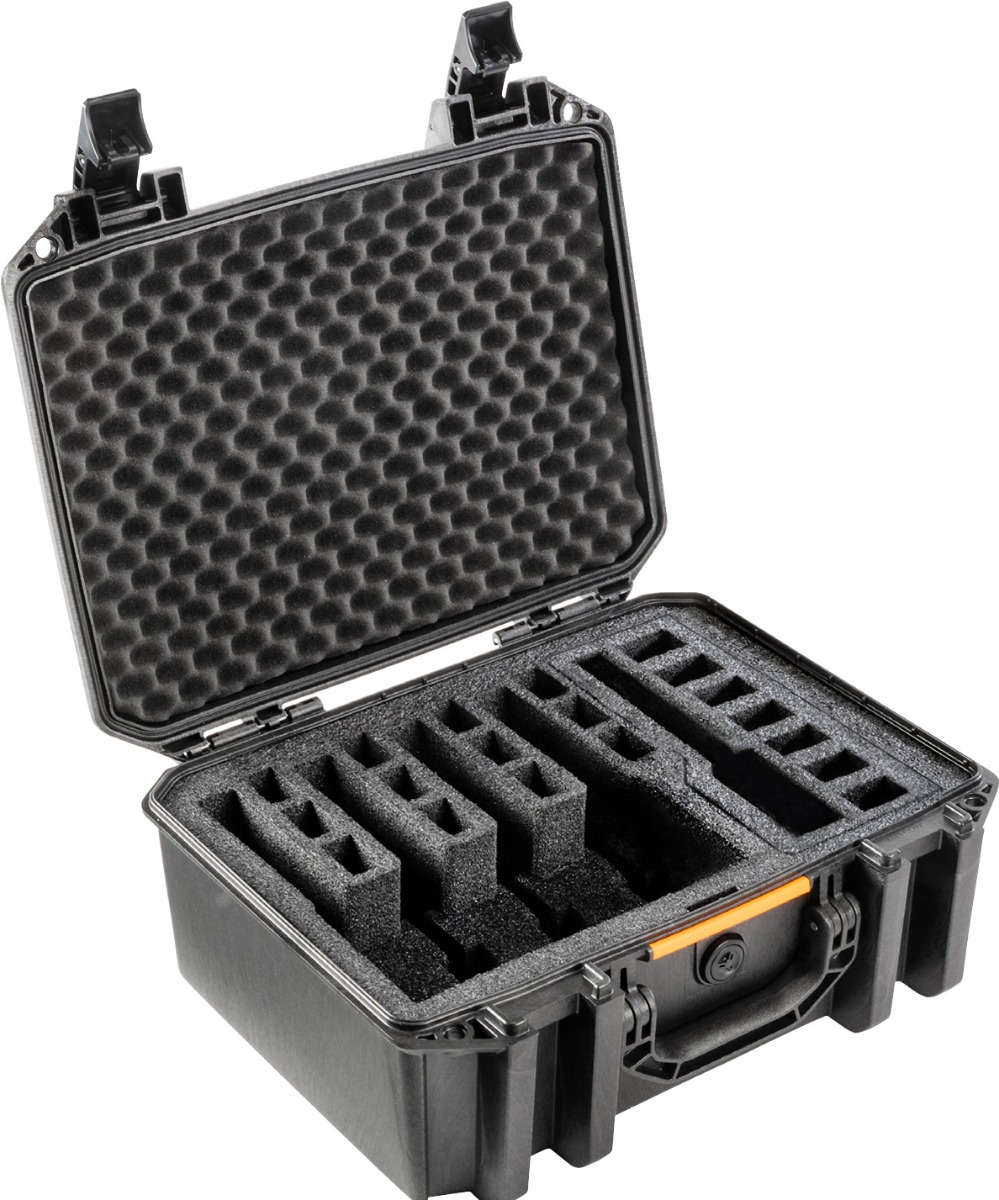
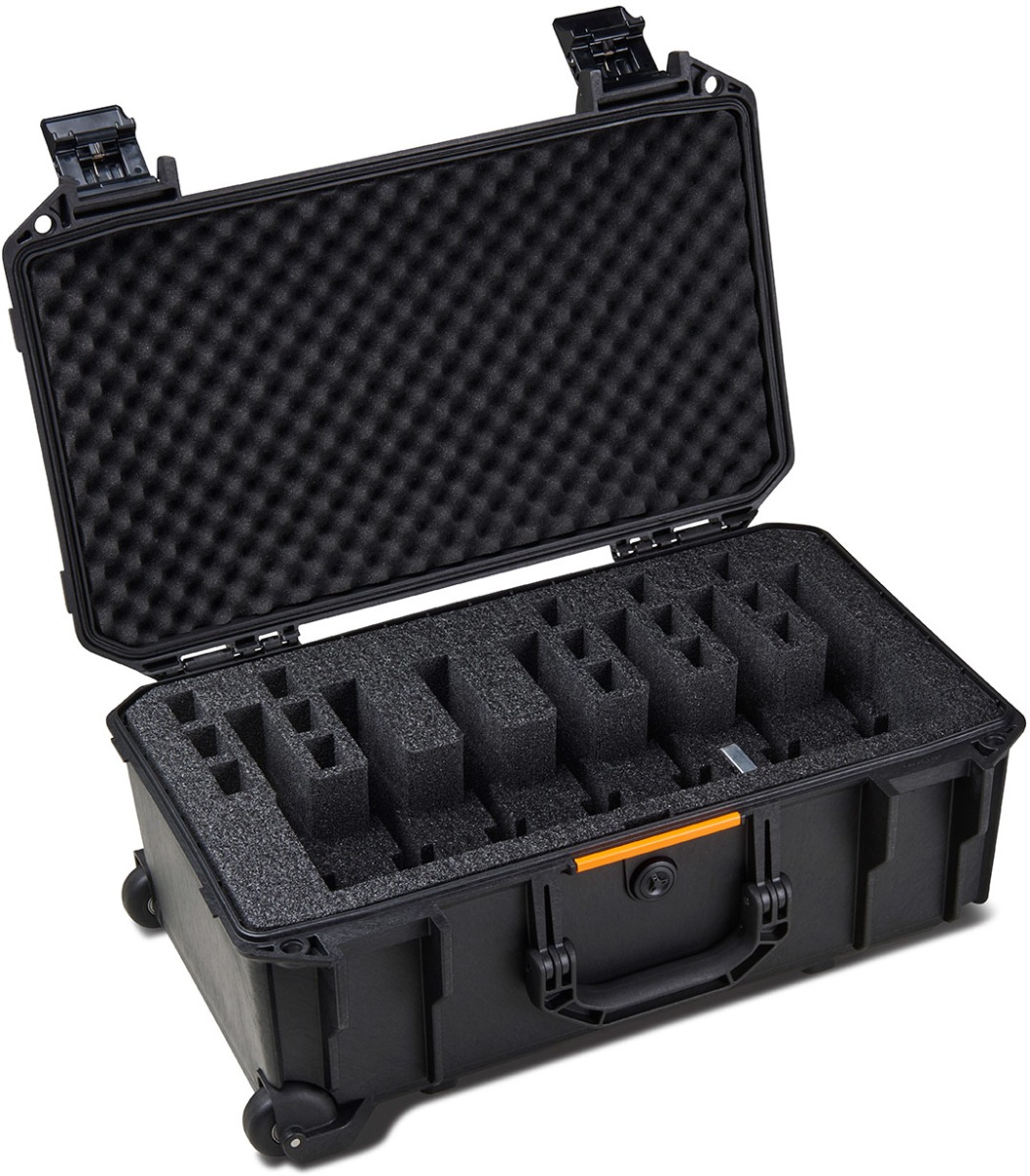
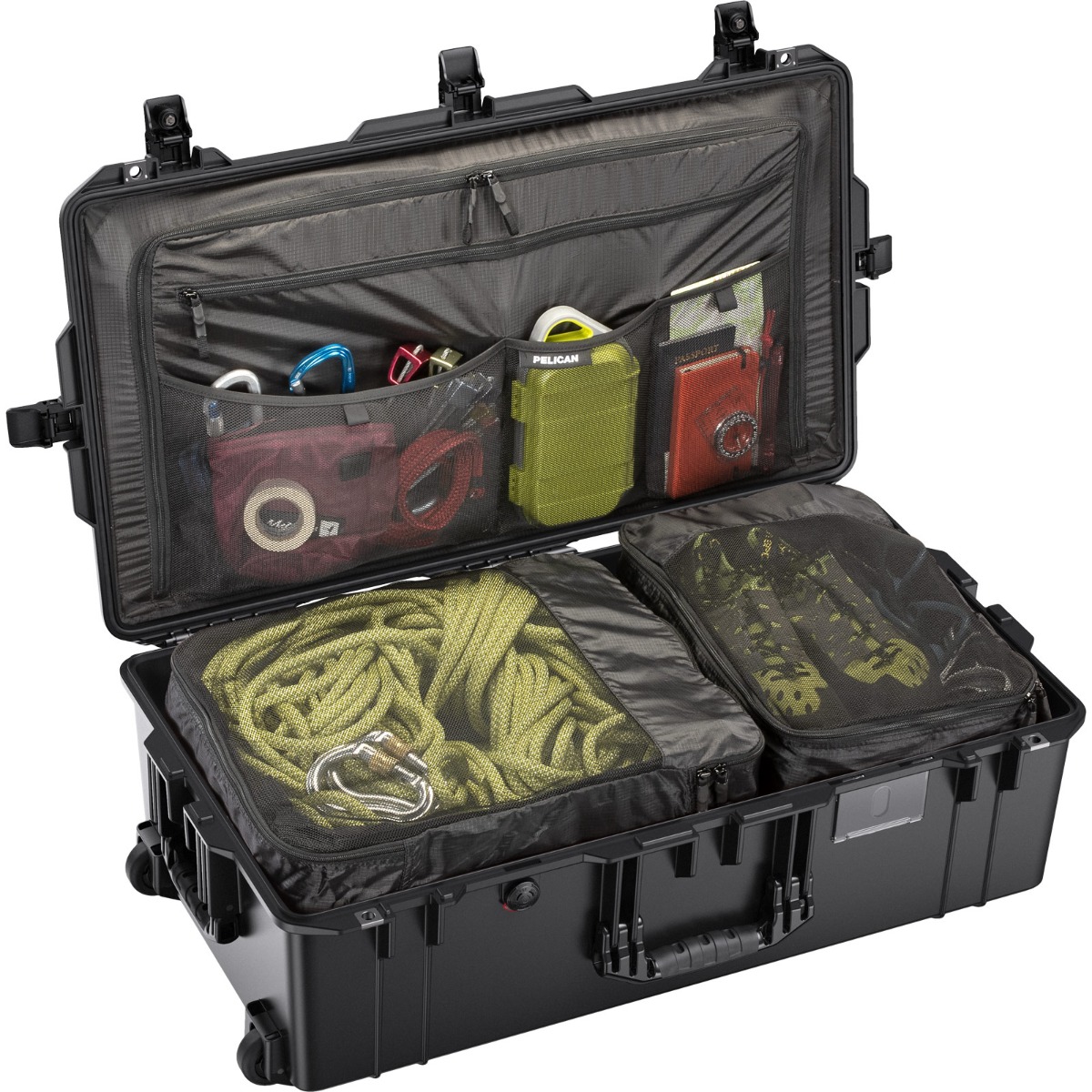
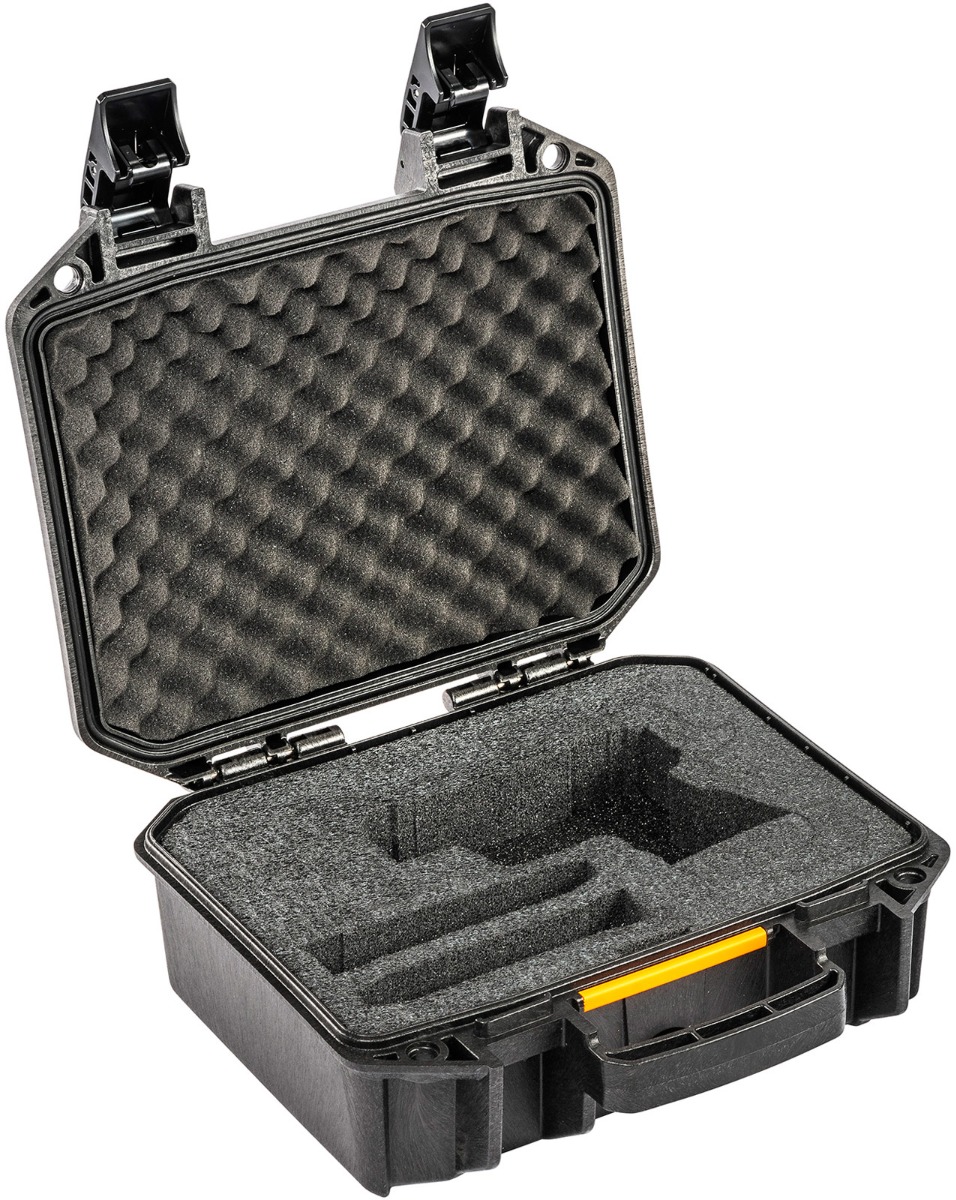
Fit is especially important for equipment with projecting controls, mounted optics, or an irregular profile. Interior dimensions are more useful than exterior measurements when comparing protective cases, and usable depth matters just as much as length and width. A firearm with an attached optic needs clearance above the sight as well as support beneath the frame or receiver; a lid that closes only under pressure can place unwanted force on the optic, adjustment turrets, or other accessories. A well-fitted interior holds equipment securely without requiring it to be wedged into place. Customizable foam can accommodate different shapes, while preconfigured compartments and adjustable padded dividers offer other ways to organize a case. Foam cutouts need enough material between compartments and around the perimeter to retain their cushioning function. Very thin walls between heavy components can tear or compress, allowing the contents to move against one another. Closed-cell foam generally absorbs less water than open-cell foam, although neither replaces the need to put equipment away clean and dry. Softer, open-cell cushioning can conform readily to contours but may retain moisture, so its suitability depends on the application and care routine. Separate accessory compartments can keep cleaning supplies, tools, and other small essentials from contacting finished surfaces, while clearly defined spaces make it easier to notice when something has been left behind at the range. For equipment that regularly moves between destinations, Transport Cases provide another relevant category to consider alongside protective construction and interior organization. Carrying comfort deserves equal attention: a broad handle, balanced lifting points, or wheels can make a substantial difference once equipment adds weight. The case itself also contributes to the total load. Hinges, latch placement, and the way a lid stays open influence everyday convenience, particularly when the case is opened on a narrow bench. Locking points can support controlled access, but their strength depends on the surrounding shell and hardware, not simply the presence of a hole for a padlock.
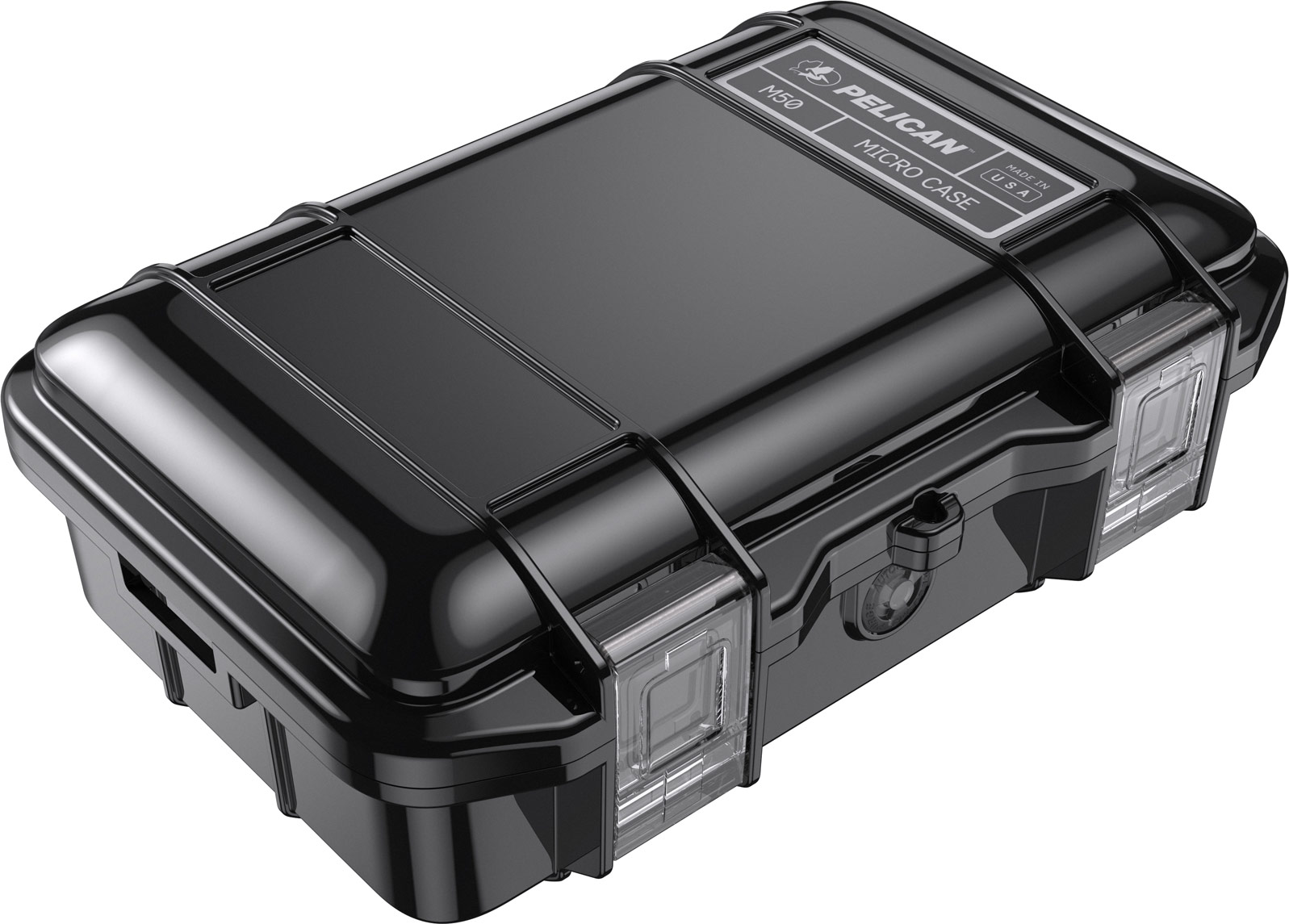
The most useful protective case is one that fits naturally into its owner’s routine, whether that means regular range sessions, organized competition, professional training, or careful storage between outings. A compact case can keep a single piece of equipment and its essential accessories together, while a larger layout may suit someone who needs distinct compartments for several pieces of gear. Hunters, recreational shooters, instructors, and collectors may value different combinations of portability, organization, and rigid protection, but all benefit from an interior that makes secure placement straightforward. For a gift recipient, confirmed equipment dimensions and intended use are more helpful than choosing by exterior appearance; even a generous-looking case can be unsuitable if the internal shape or depth is wrong. Durability also includes details that become noticeable after repeated use: handles that remain comfortable under load, latches that engage consistently, seams that resist abrasion, and cushioning that retains its shape. Routine care helps preserve those qualities. Grit along a gasket can interfere with sealing, debris in a zipper can cause binding, and damaged foam may no longer hold equipment securely. Cleaning methods should follow the case manufacturer’s directions, particularly for seals, fabrics, and foam that may react poorly to solvents or oils. Equipment and cushioning should be thoroughly dry before the lid is closed for storage, since a sealed enclosure can trap moisture already inside. Foam that stays compressed, torn dividers, cracked hinges, or distorted latches are signs that the protective system needs attention. Firearms should be unloaded before casing, with ammunition stored separately and access controlled in accordance with applicable laws and household safety needs. A carrying case is not a substitute for a dedicated security container, and transport requirements can vary by destination and carrier. With appropriate fit, sound construction, and consistent care, protective cases help preserve finishes, reduce unnecessary handling, and keep equipment organized from one use to the next. Their value lies in reliable, repeatable protection that supports responsible ownership without complicating the task of getting gear where it needs to go.