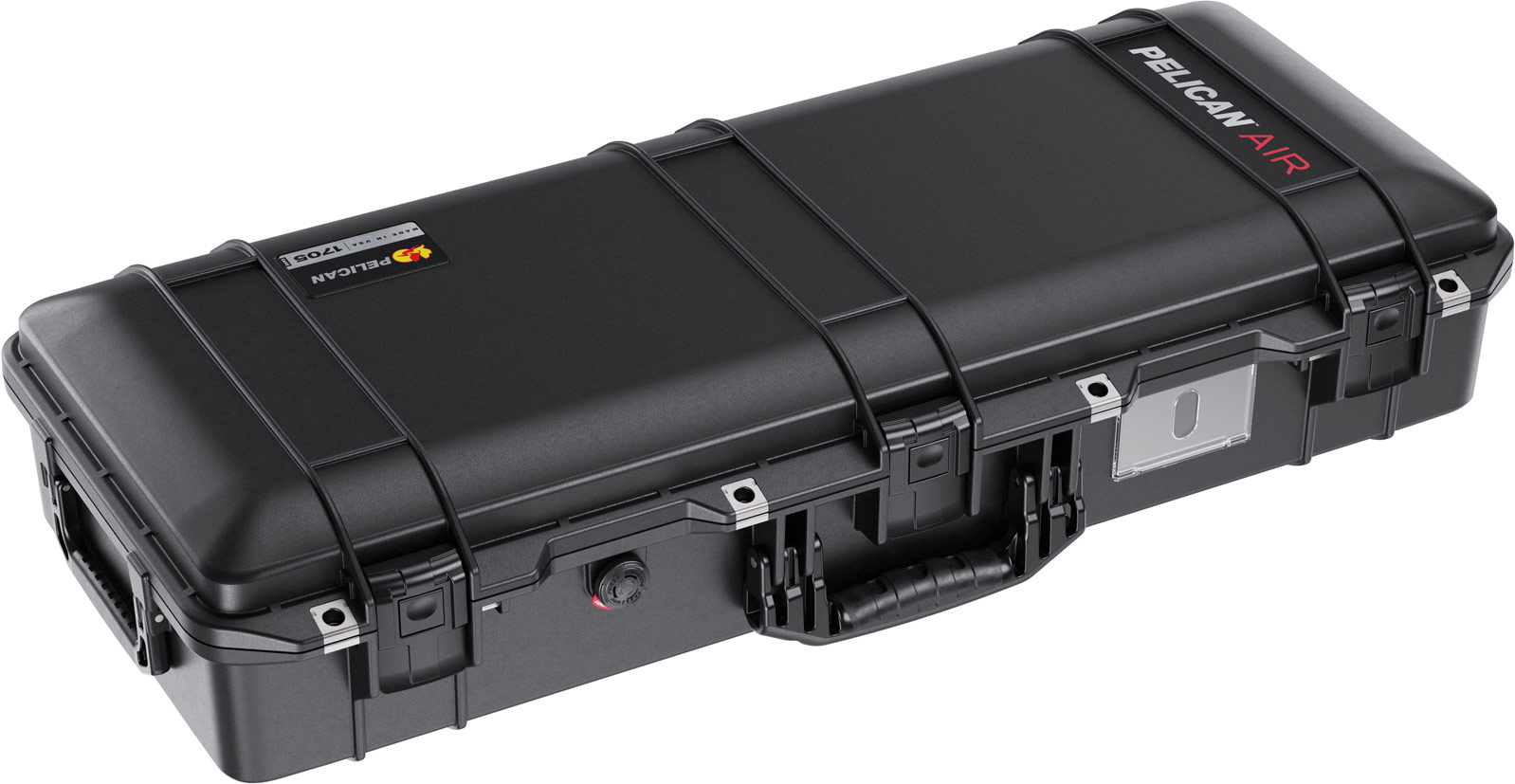
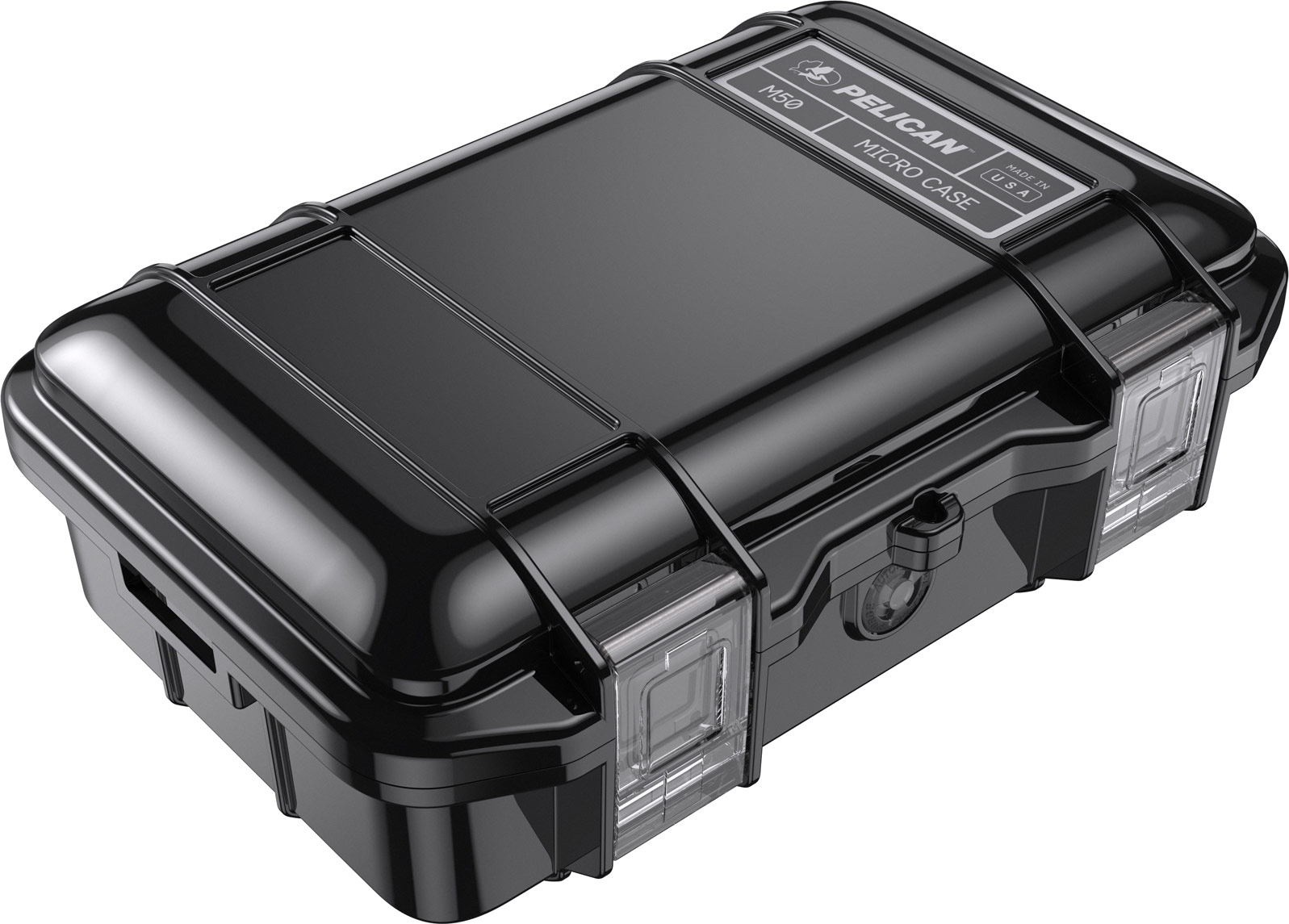
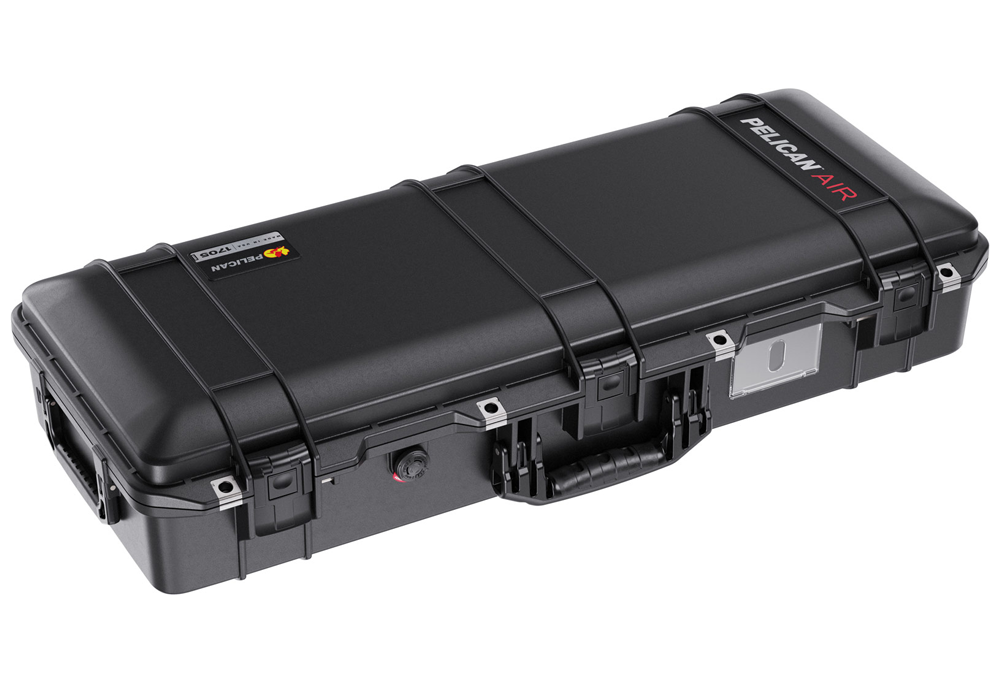
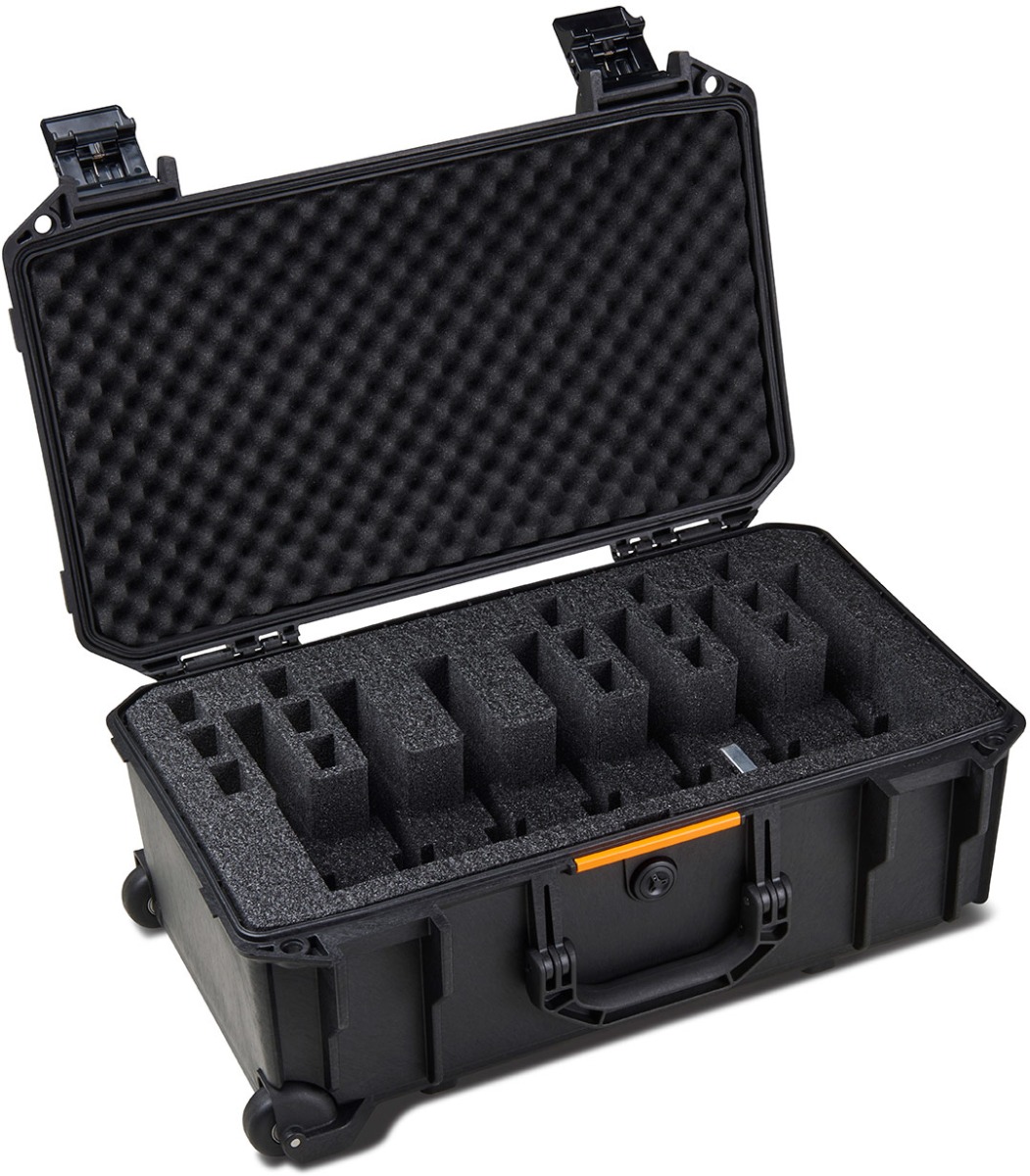
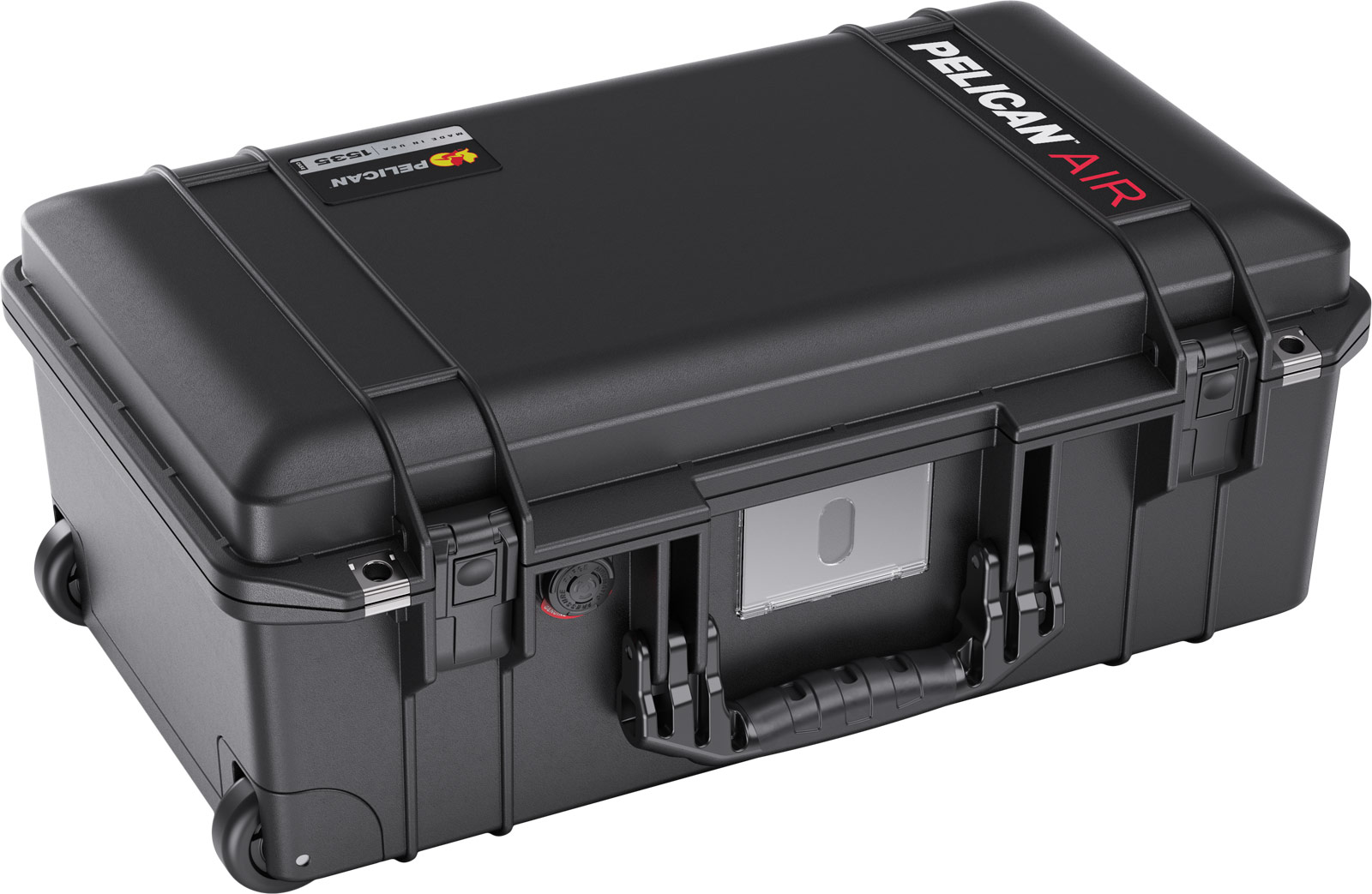
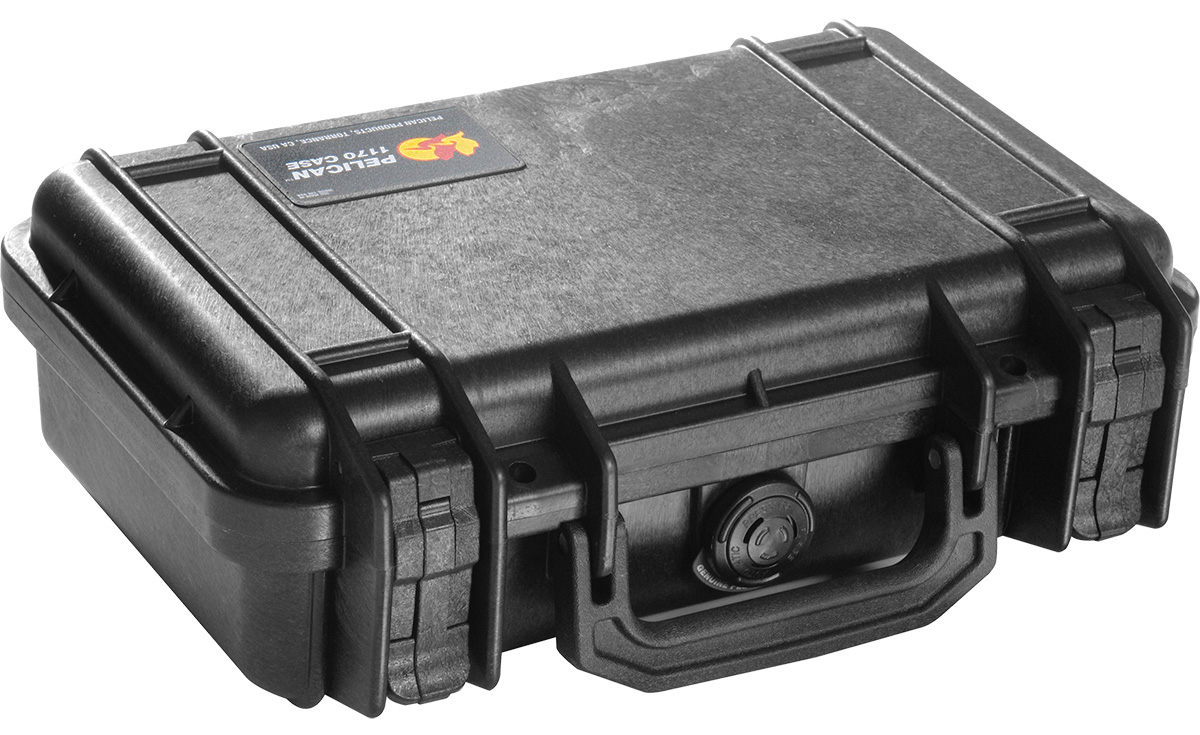
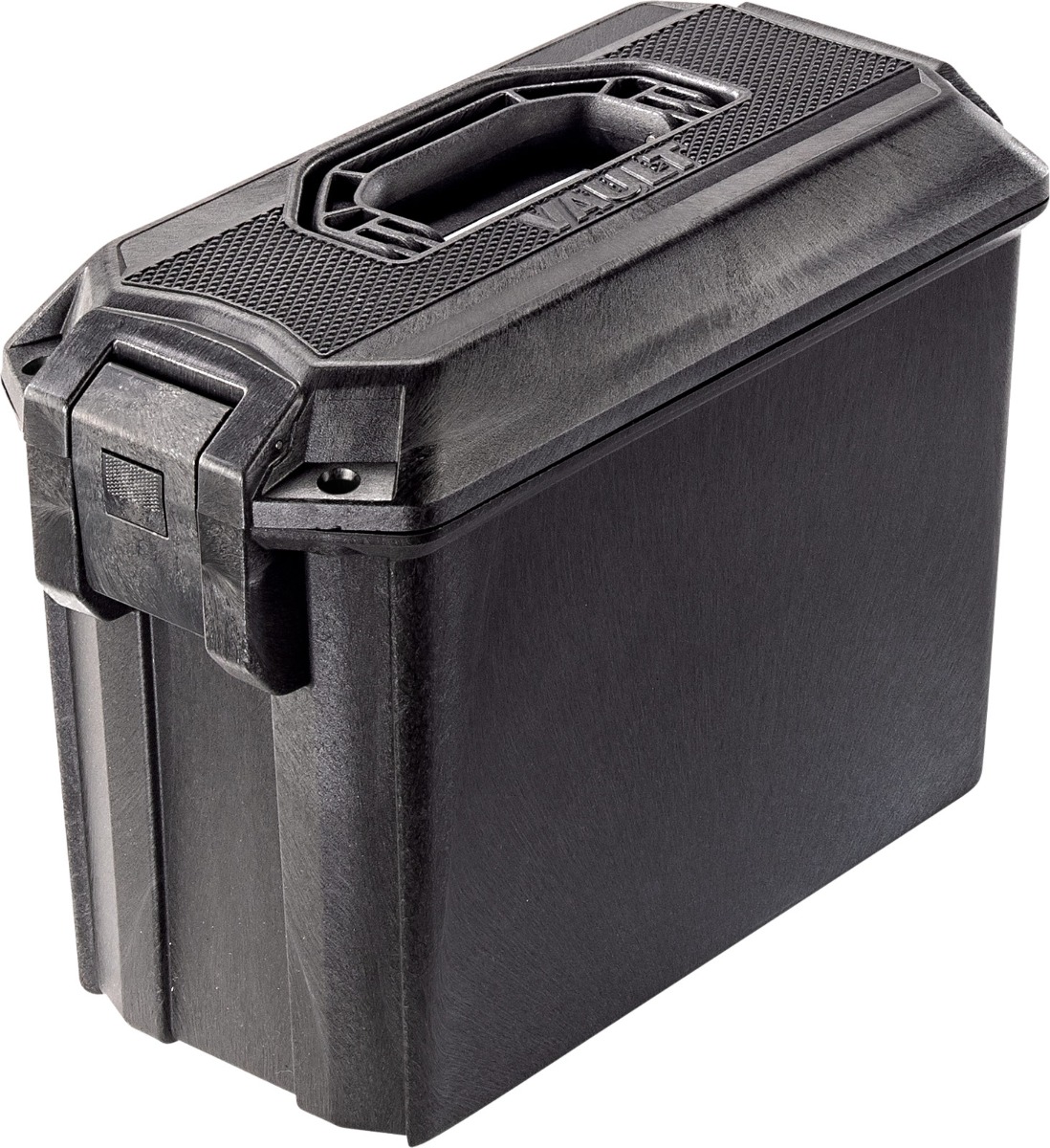
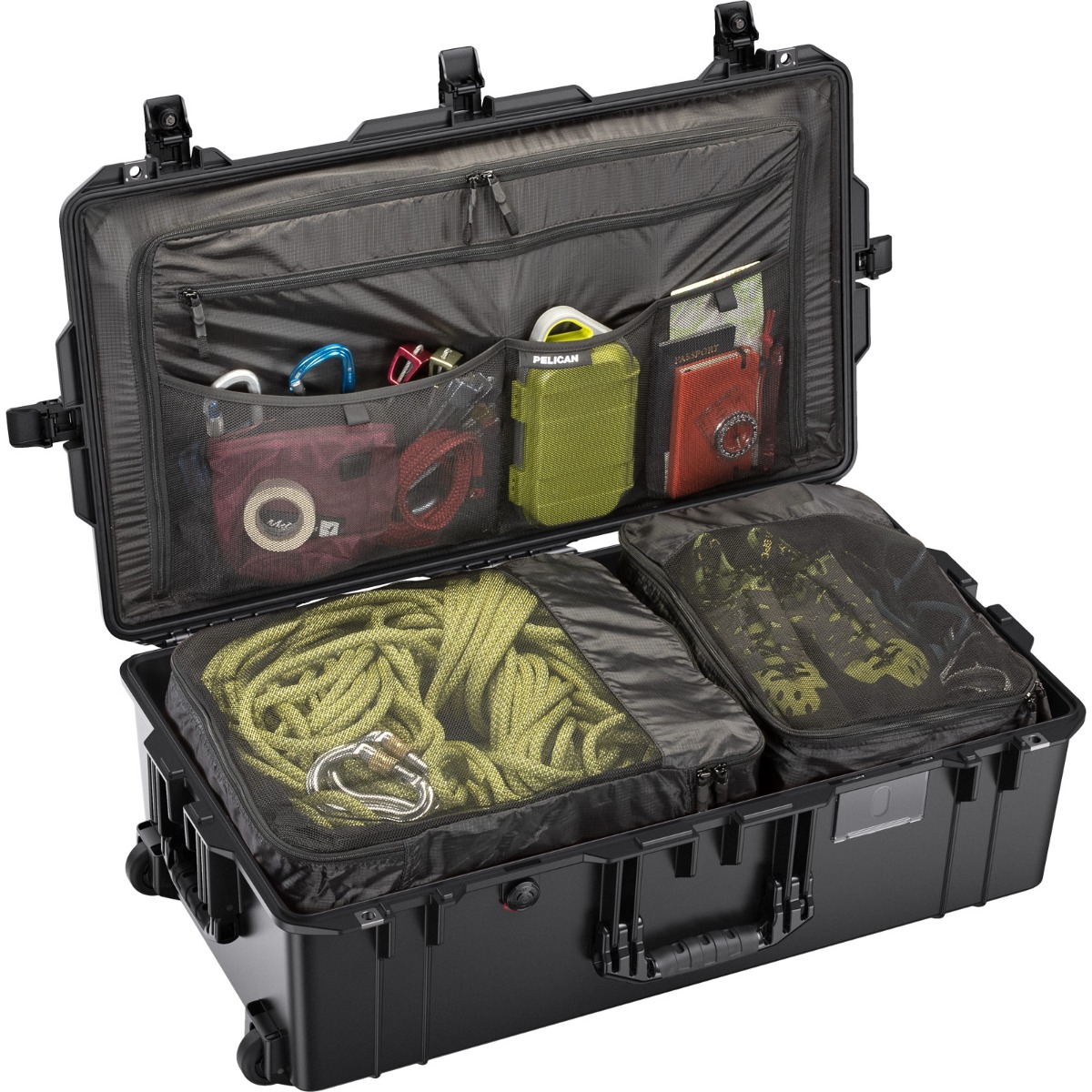
Transport cases provide a dependable way to organize, protect, and move valuable equipment between home, the range, a training facility, a hunting camp, or another authorized destination. A well-designed case can help shield firearms, optics, magazines, ammunition, tools, and other sensitive gear from impacts, dust, moisture, and the ordinary scuffs that come with loading and unloading a vehicle. For many owners, the case becomes part of a simple routine: equipment is checked, secured in its assigned place, and carried with confidence instead of being gathered loose from a closet or vehicle floor. Hard-shell polymer cases are a popular choice when protection is the first priority. Their rigid exteriors resist crushing and help keep contents enclosed during transport, while sealed designs may offer water and dust resistance for changing conditions. Some cases carry an IP67 rating, meaning they are designed to withstand dust intrusion and temporary immersion under defined testing conditions; the exact rating and limitations should always be reviewed before purchase. Aluminum cases and other framed designs can also provide a sturdy enclosure for equipment that benefits from a structured interior. Soft-sided cases, padded bags, and specialized organizers offer a lighter, more flexible option for shorter trips or gear that needs to be accessed frequently. The right format depends on what is being transported, how far it will travel, and whether the case will ride in a vehicle, be carried by hand, or be checked for air travel in accordance with applicable rules.
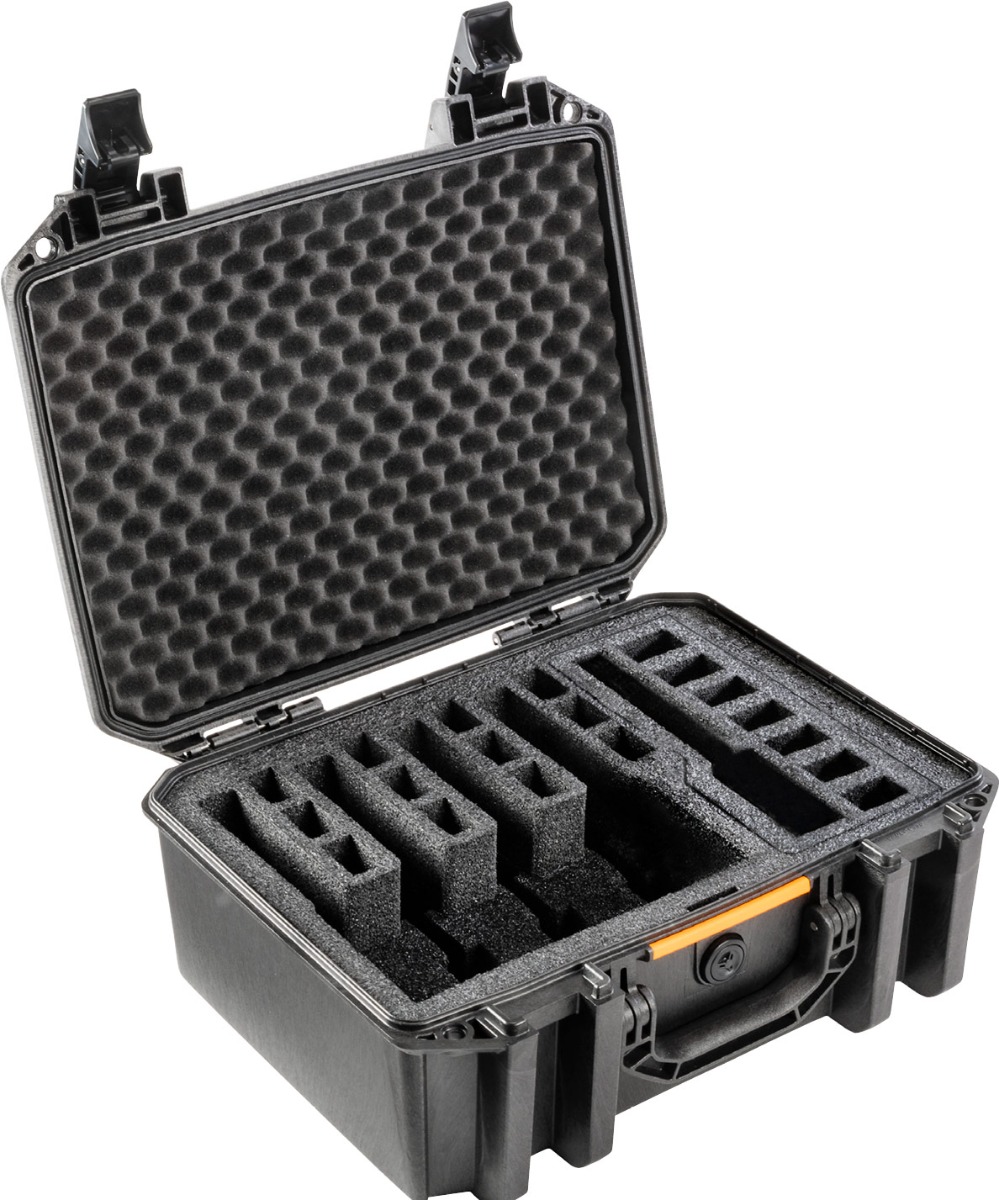
Interior configuration is just as important as exterior construction. Pick-and-pluck foam can be shaped around individual items, creating a close-fitting cushion that helps limit movement when a case is carried or set down. Pre-scored foam is especially useful for owners who want to create a custom layout without cutting a full insert from scratch. Padded dividers offer more flexibility when the contents change from trip to trip, allowing space to be adjusted for an optic, hearing protection, tools, magazines, or other accessories. An empty interior can be the most practical option for larger or unusually shaped equipment, particularly when the owner already has a preferred storage system. Look for enough depth to accommodate the equipment without forcing lids closed or compressing controls, and leave room for protective covers where needed. Reliable latches, reinforced hinges, comfortable handles, and secure closure points contribute to a case that is easy to use repeatedly. For heavier loads, built-in polyurethane wheels and a retractable extension handle can make a noticeable difference across a parking lot or facility floor. Pressure-equalization valves are another useful feature for cases that may travel by air or move between significant changes in elevation; they help balance internal and external air pressure while maintaining the case’s protective seal. Those shopping across different configurations can explore Protective Cases to compare options intended to keep equipment organized and protected during transport. Before choosing, consider the exterior dimensions as well as the interior measurements, since a case that fits the gear may still be inconvenient if it cannot be stored easily in a vehicle, closet, safe, or gear cabinet.
Transport cases are useful for a broad range of owners, from first-time buyers building a responsible storage and range routine to experienced shooters who want a more orderly way to manage established equipment. They can also make a thoughtful gift for someone preparing for training, refining a competition setup, traveling to a hunting destination, or replacing a worn case that no longer closes securely. A case with customizable foam can suit a person whose equipment is already known, while adjustable dividers may be a better gift when the recipient’s setup changes often. When transporting a firearm, it should be unloaded and secured in accordance with applicable federal, state, and local laws, as requirements can vary by destination and method of travel. Ammunition may have separate storage and transportation rules, especially during air travel, so checking the latest carrier and destination requirements is an important part of preparation. It is also wise to inspect the case before each trip for cracked hinges, damaged seals, loose hardware, or foam that has shifted out of position. During cooler months and unpredictable weather, a sealed case can help reduce exposure to rain, snow, road spray, and damp environments, but moisture should never be trapped inside with equipment; dry the contents and interior before closing the case for storage. For vehicle transport, place the case where it remains stable and out of unnecessary view, and avoid overpacking it to the point that latches, foam, or dividers are strained. With the right combination of shell strength, interior padding, organization, mobility, and secure handling, a transport case becomes more than a container—it becomes a practical part of caring for equipment from the moment it leaves storage until it is safely put away again.