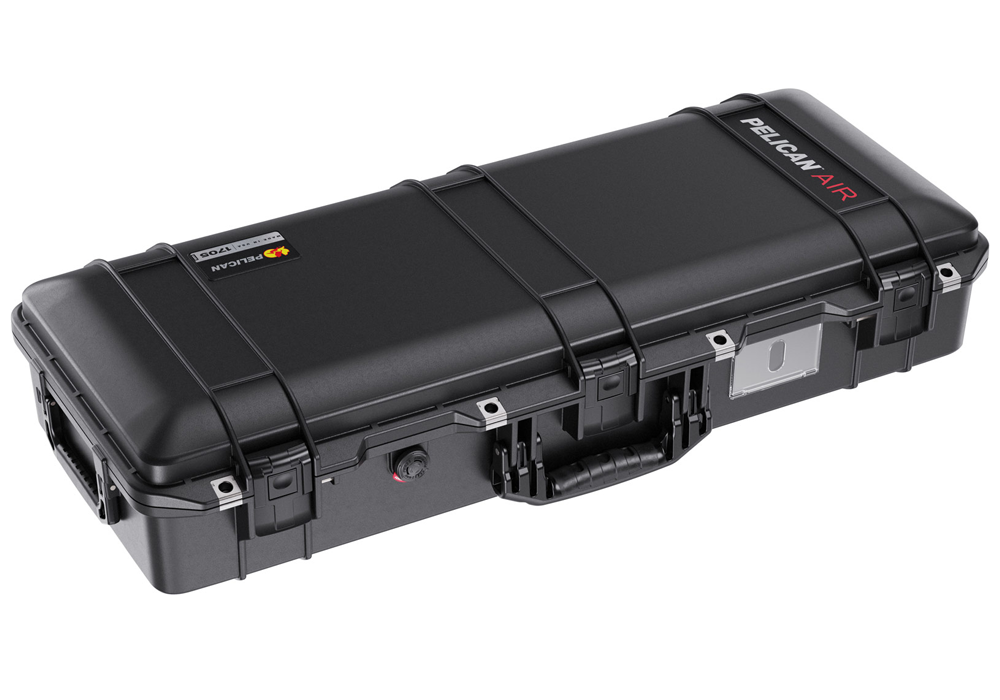
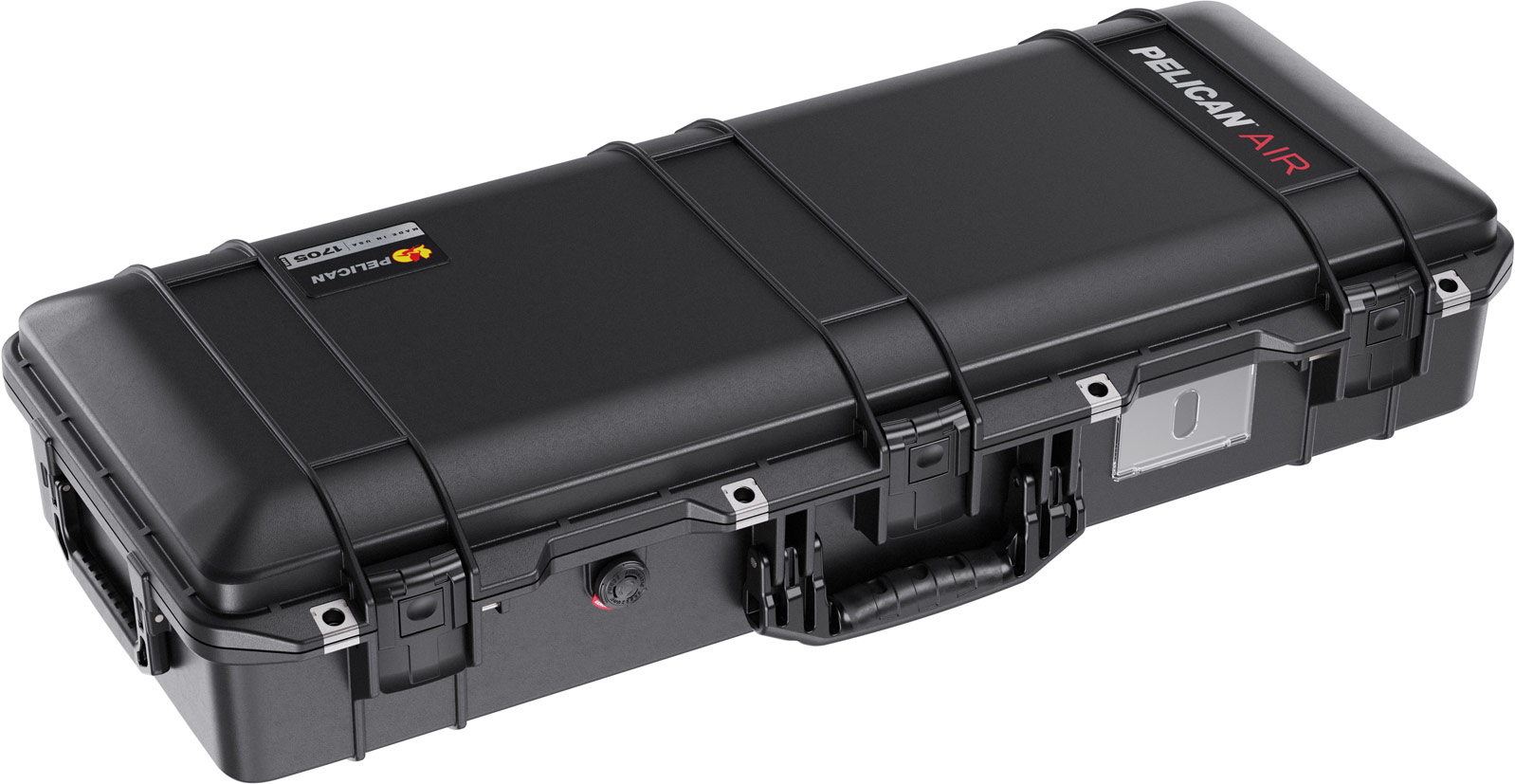
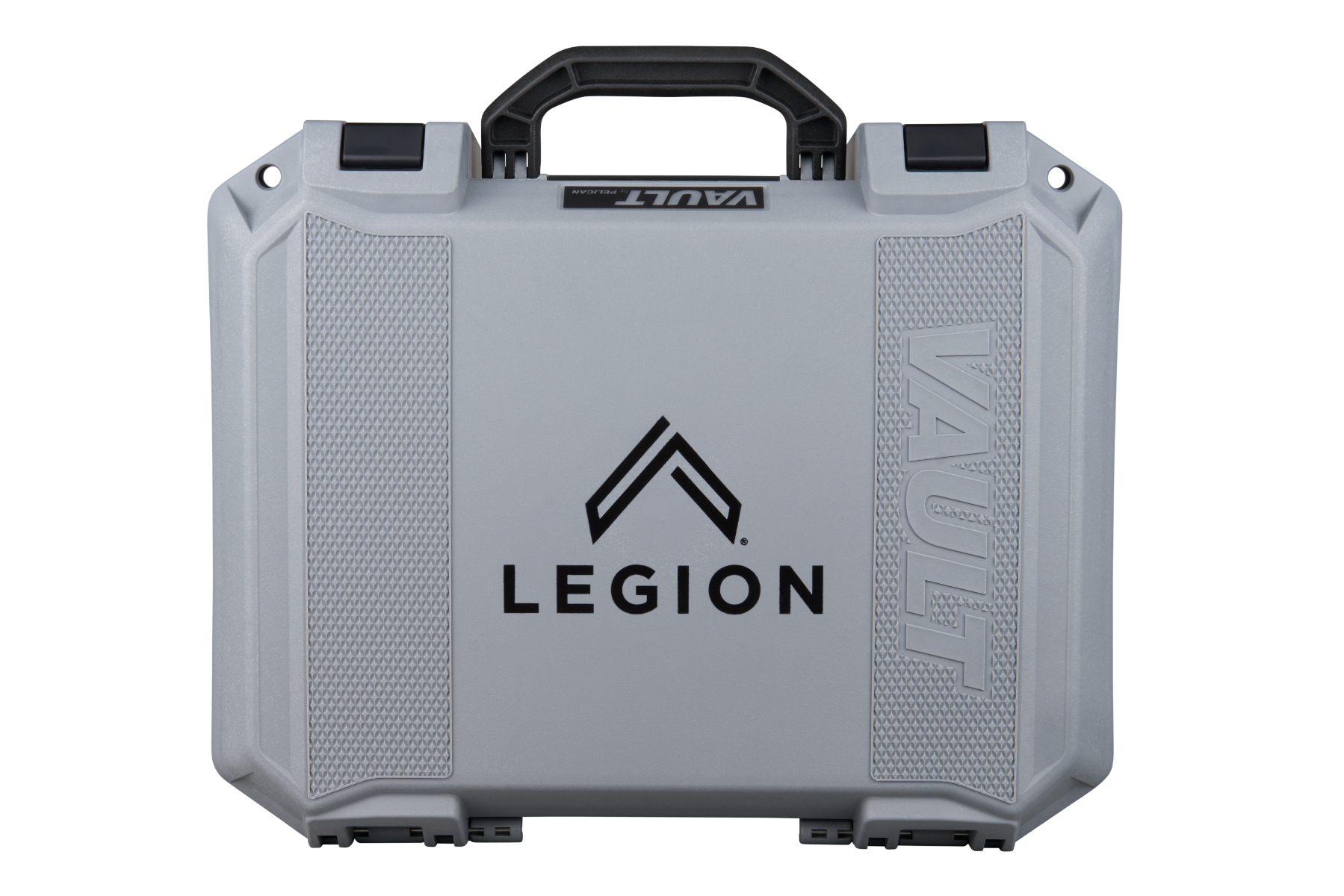
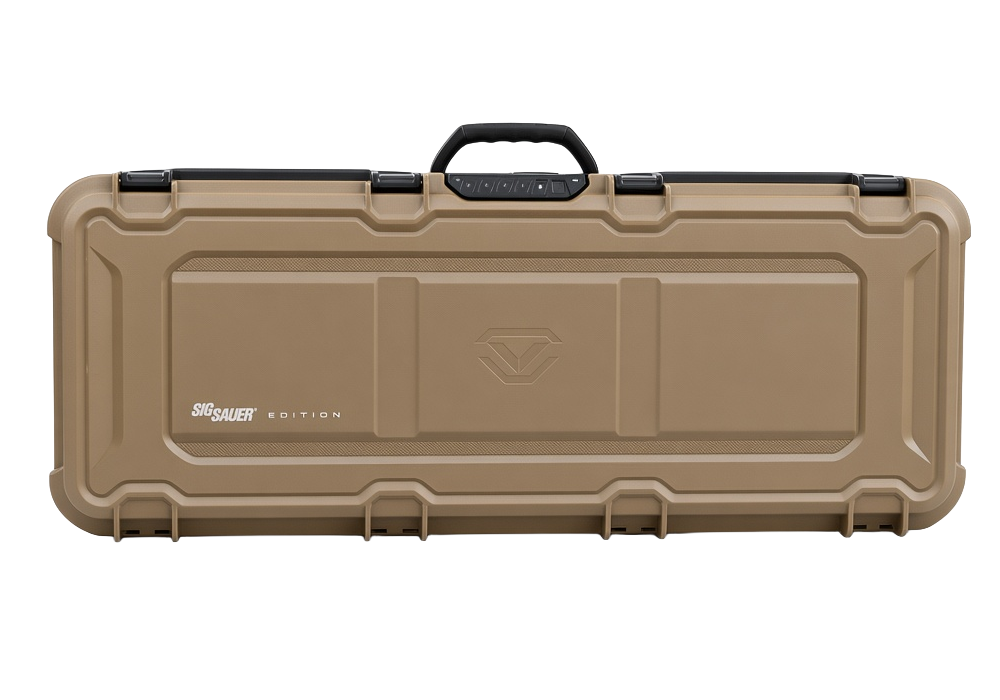
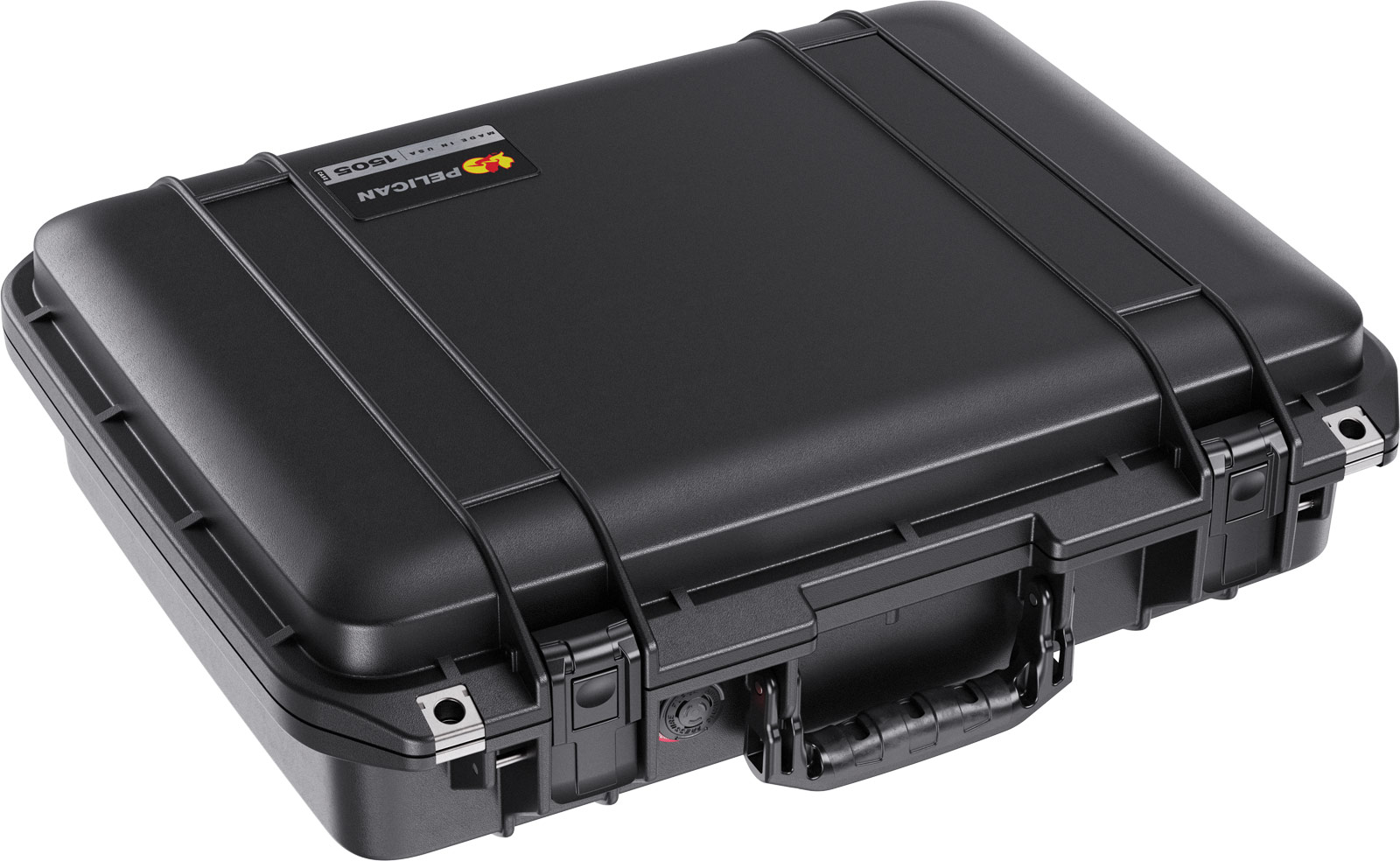
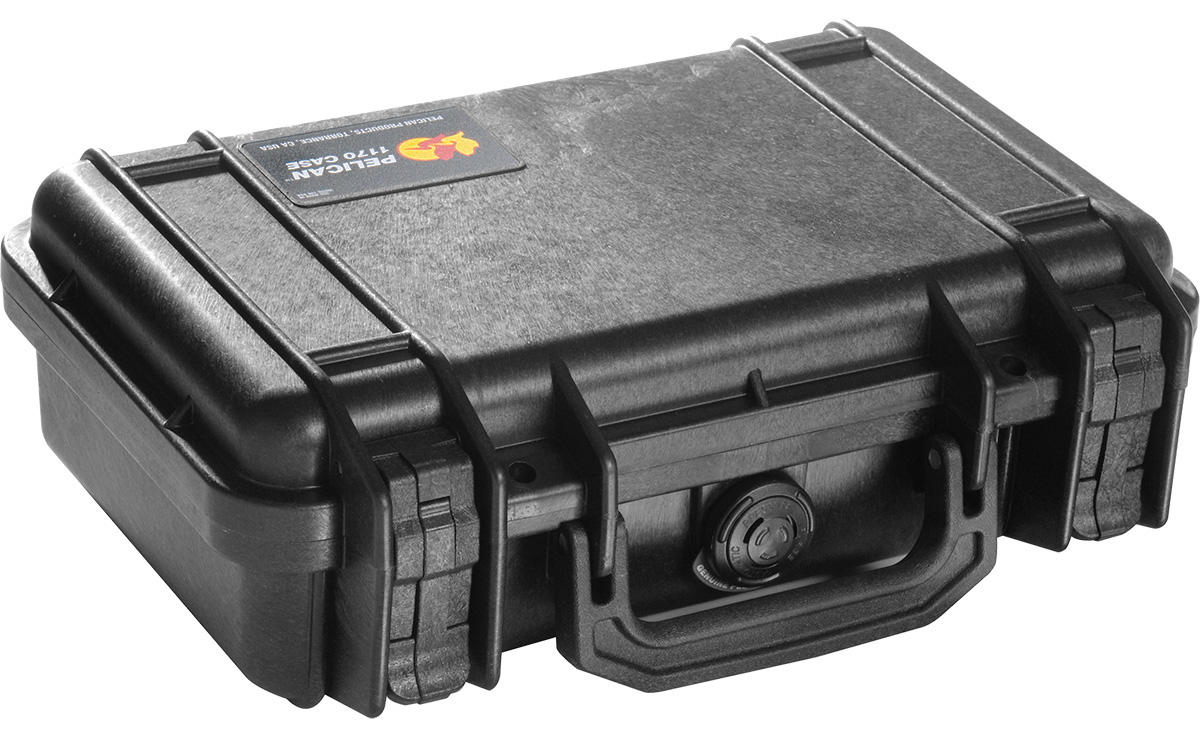
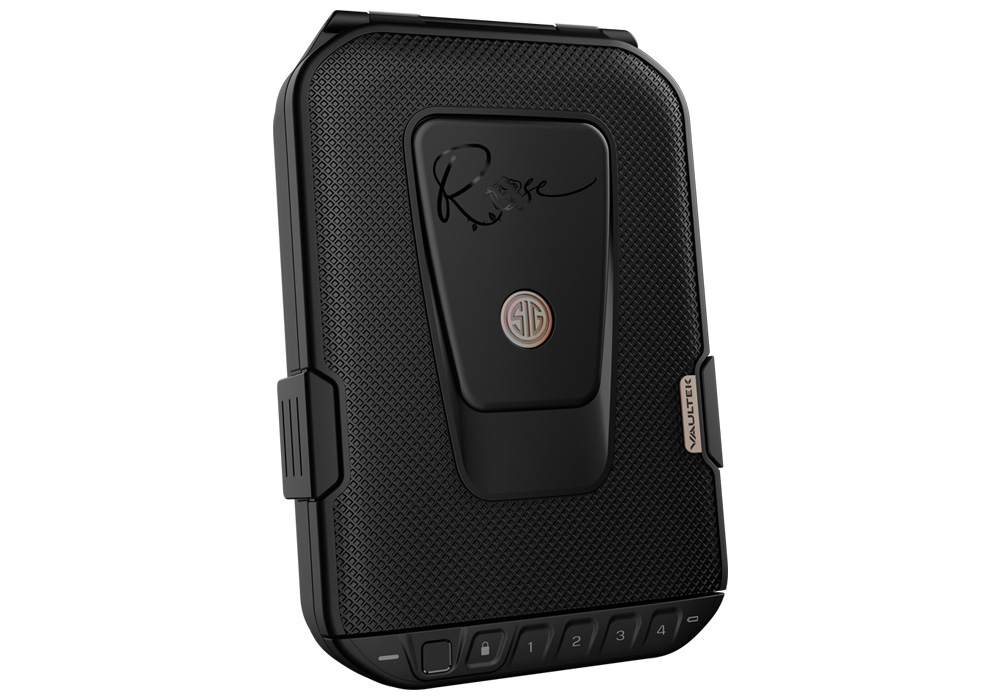
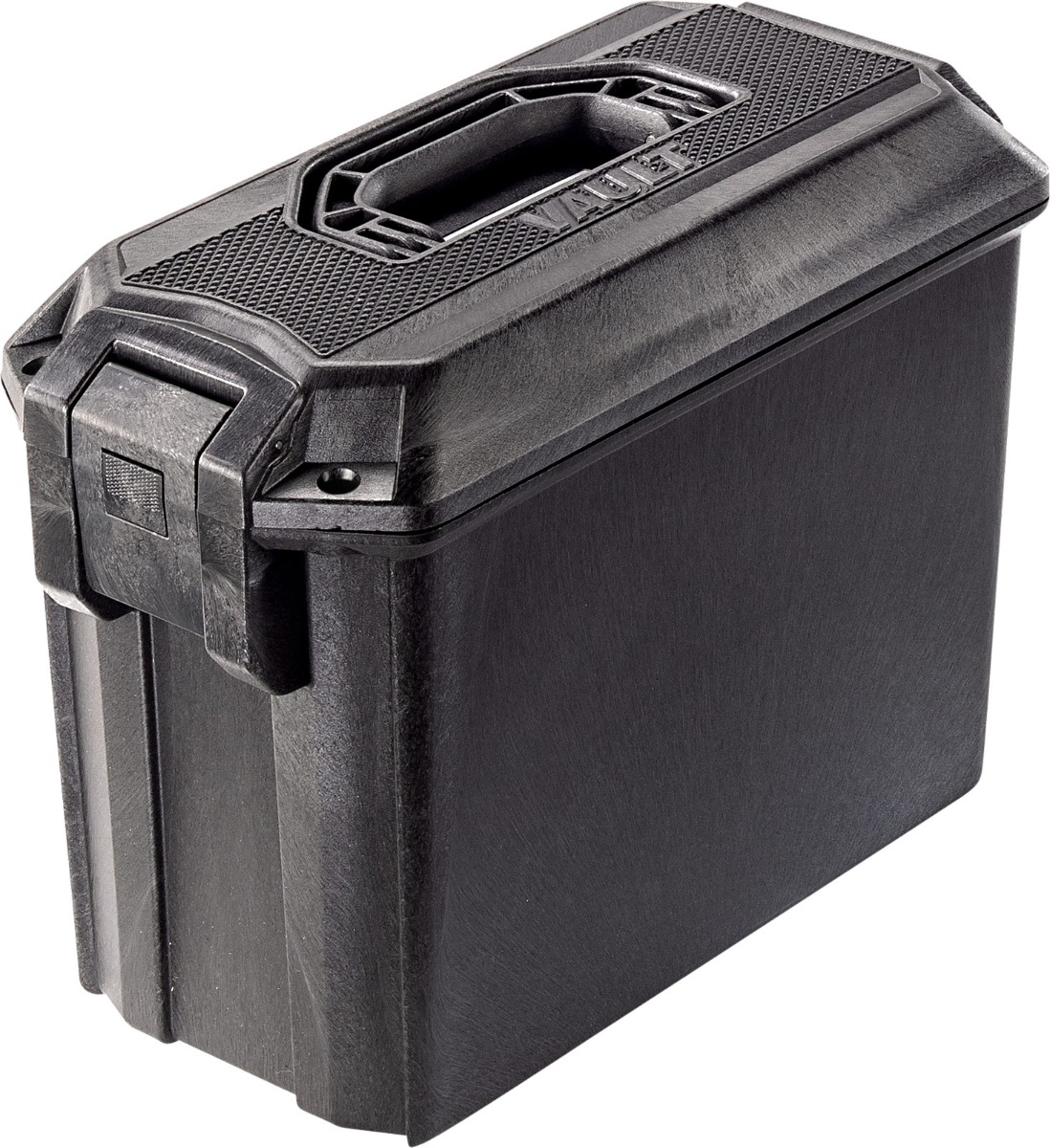
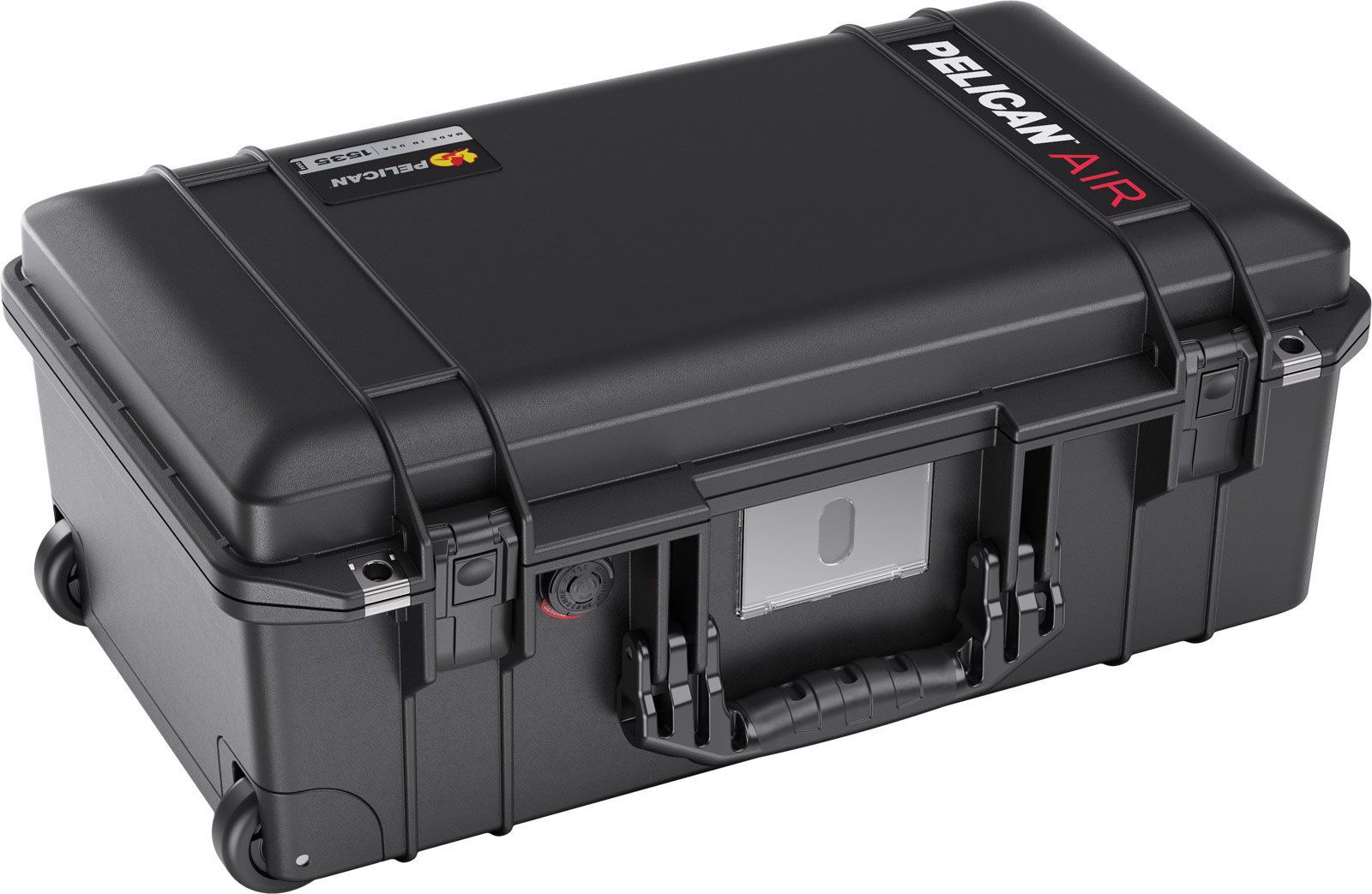
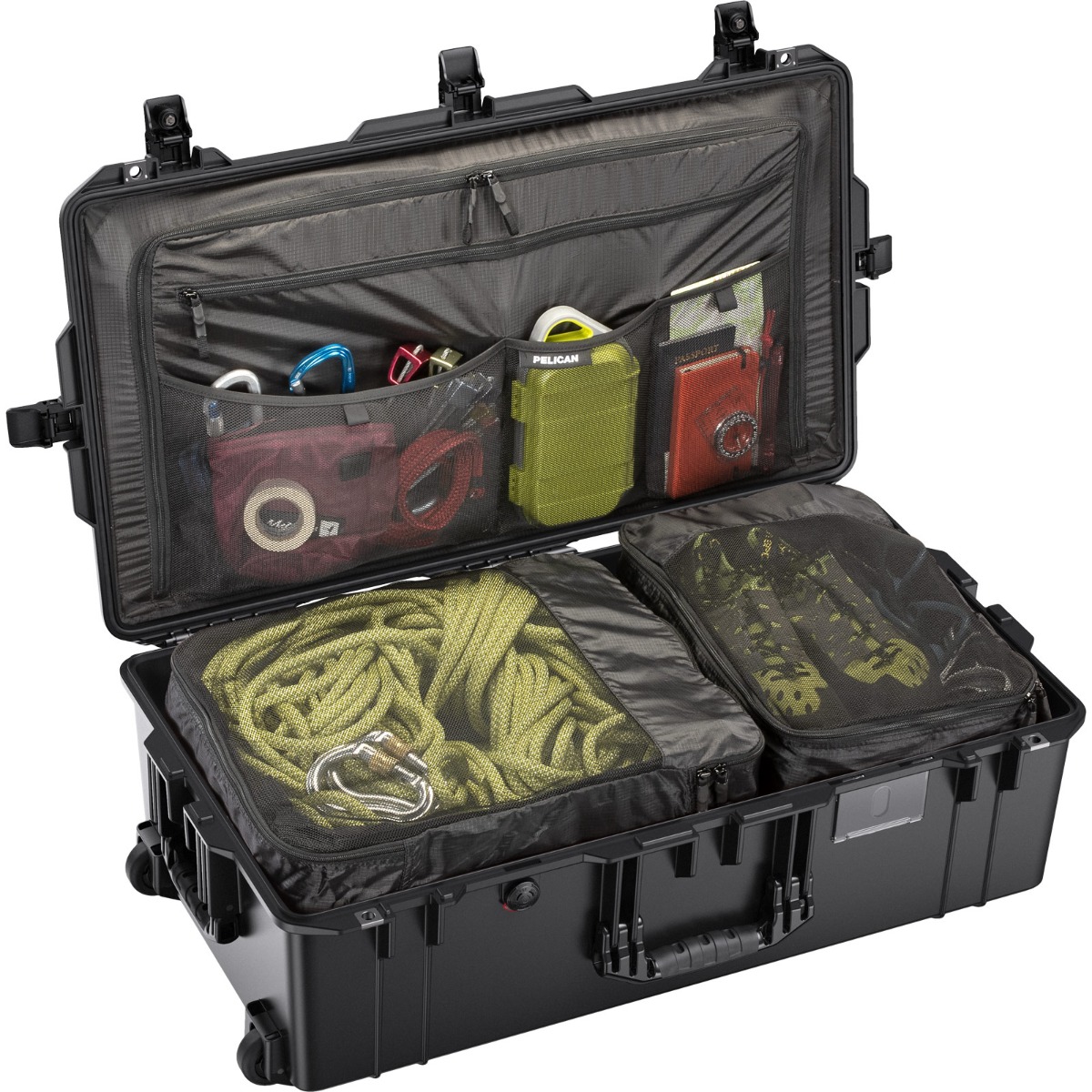
Travel gun cases give firearms a defined, protected place between home, the range, a training facility, and a hunting destination. The right case combines a secure closure, an appropriate fit, and enough structural support to keep its contents from shifting against one another during transport. Hard gun cases and soft gun cases serve different purposes, so the choice begins with the trip rather than appearance alone. A rigid shell offers greater resistance to compression when luggage or other equipment shares the same cargo area. A padded soft case is often lighter and easier to carry on a routine drive to practice, especially when it has a comfortable handle, a balanced shoulder strap, and a lining that will not abrade the firearm’s finish. Neither style should be judged by exterior dimensions alone. Interior length, width, and depth determine whether a firearm fits without pressure on its sights, optic, stock, or controls. A scoped rifle, for example, needs clearance above the receiver as well as support along its length; a handgun needs a fitted space that prevents movement without catching on the sights during removal. Hinges, zipper tracks, seams, and latch attachments also deserve attention because they handle repeated use every time a case opens, closes, or moves from a bench to a vehicle. For shoppers comparing layouts and carrying styles, the Transport Cases collection provides a place to explore options for different transport needs. A practical choice is one that suits the firearm as it is actually configured, fits the space where it will ride, and remains comfortable to handle once packed. Those details matter just as much on a short range visit as they do when a case accompanies a longer journey with several transfers along the way.
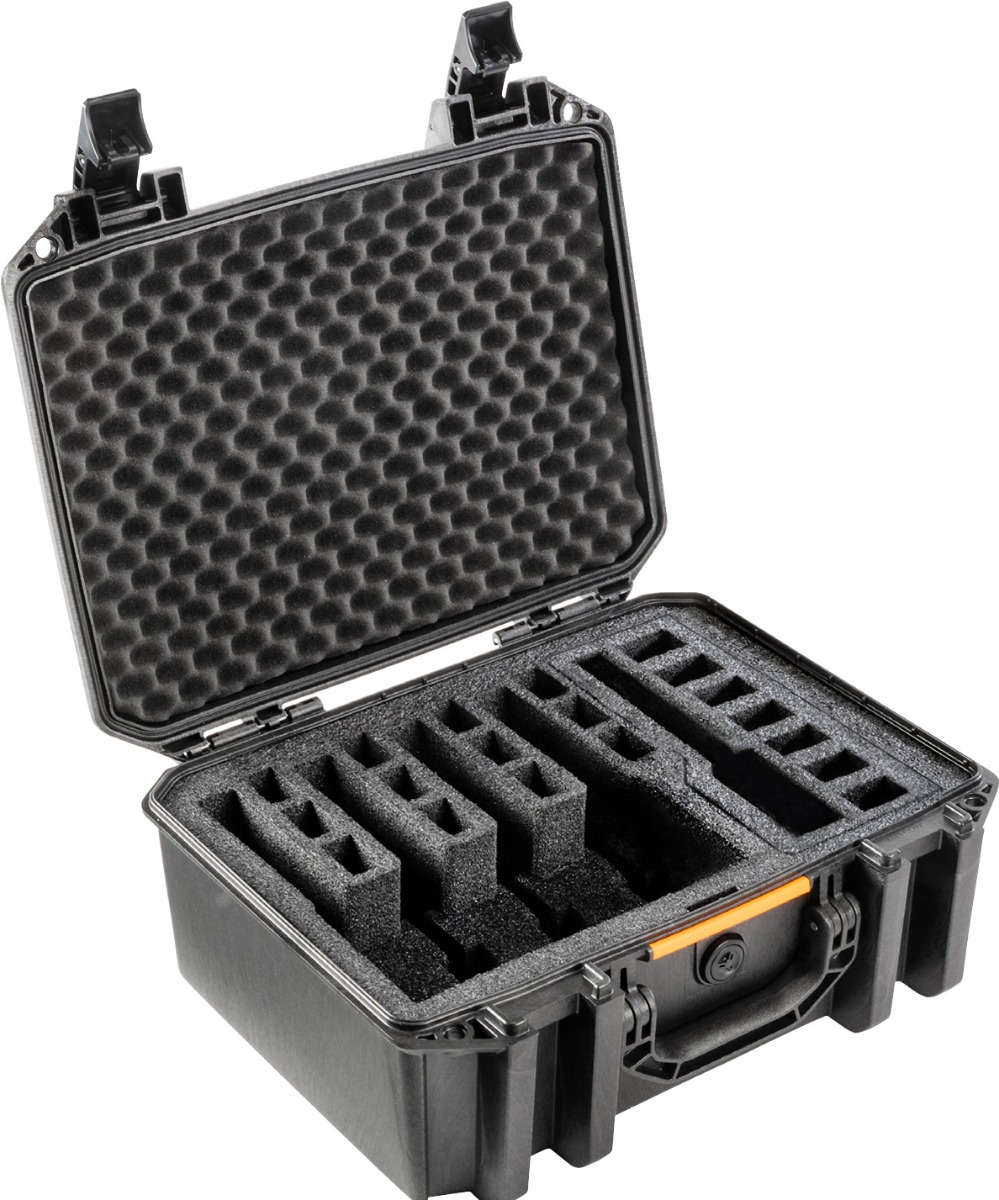
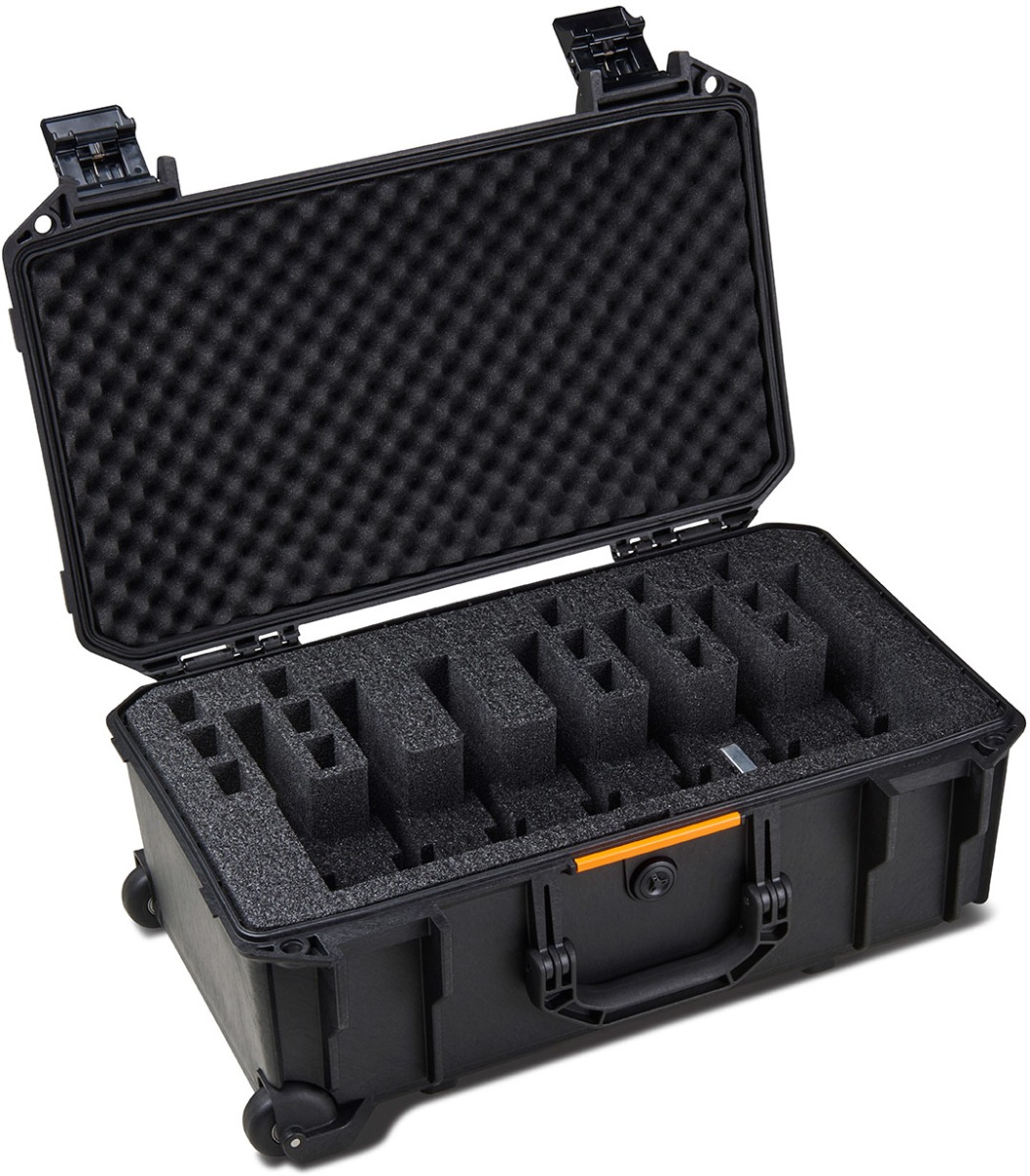
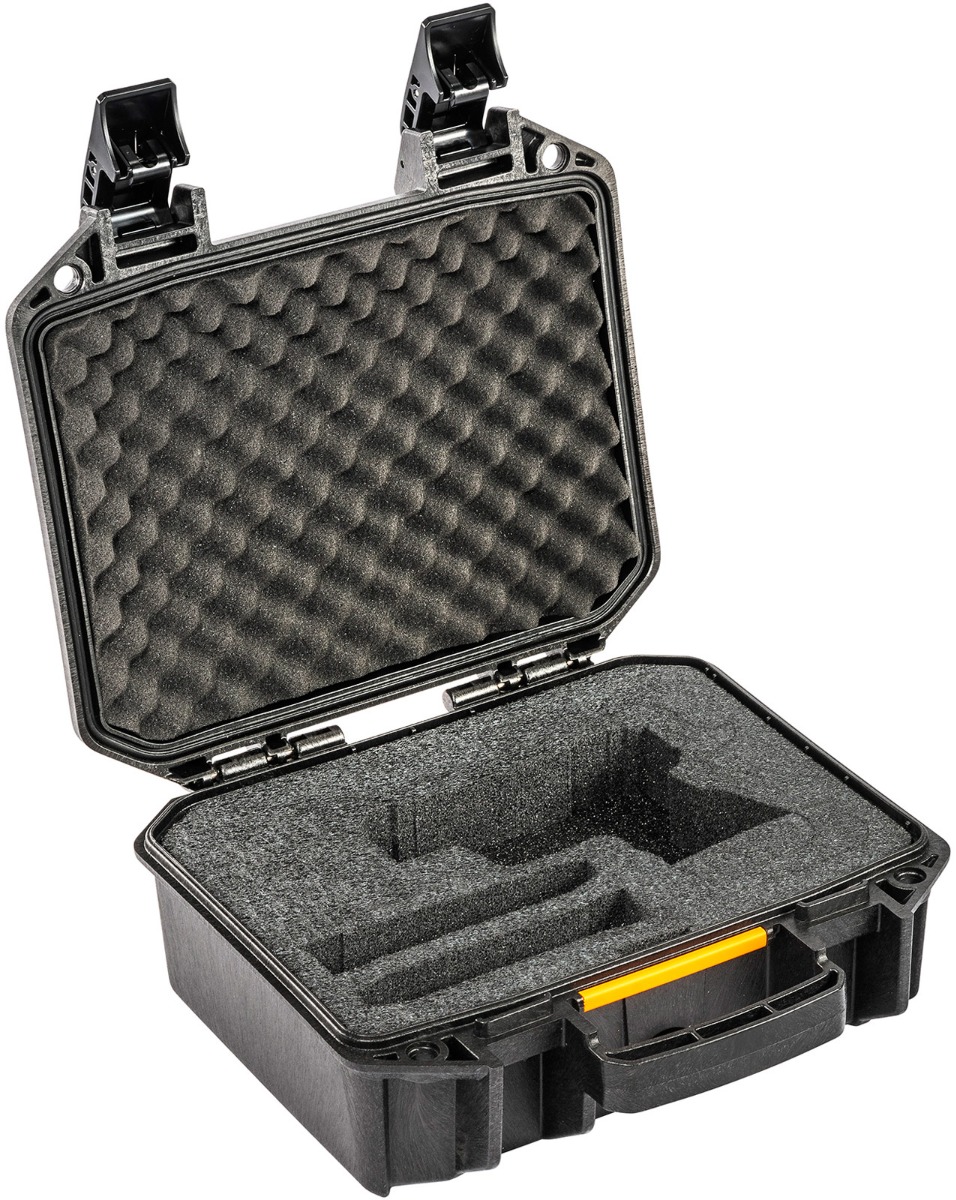
Materials and interior construction distinguish travel gun cases that look similar at first glance. Molded polymer shells can provide a useful balance of rigidity and manageable weight, while reinforced corners and well-supported hinges help the case tolerate repeated handling. On soft cases, tightly woven nylon or polyester, reinforced stitching, and durable zipper pulls contribute to everyday wear resistance. Padding should support the contents consistently rather than leave thin spots at the muzzle, buttstock, or edges of a handgun. Inside a hard case, layered foam, adjustable dividers, and shaped inserts offer different ways to organize a firearm and its accessories. Precut foam is convenient when its layout matches the intended contents; customizable foam offers more flexibility but needs sufficient material between compartments to maintain support. An insert that is too tight can press against an optic or make removal awkward, while an oversized cavity allows movement each time the case changes orientation. Dedicated spaces for magazines and small accessories keep hard edges from rubbing against finished surfaces. Interior measurements should account for these compartments rather than assume every inch can hold equipment. Protective claims deserve equally careful comparison. A hard shell is not automatically waterproof, and a gasket alone does not establish a tested level of water resistance. When a case carries an ingress protection rating, that rating describes performance under specified test conditions, not unlimited protection in every situation. Gasket condition, proper closure, and the manufacturer’s stated limitations still matter. A pressure equalization valve can help a sealed case adjust to changes in surrounding air pressure, but it does not replace a sound seal or secure latches. Handles, wheels, and lock points complete the package: a loaded long gun case can be cumbersome through a terminal or across a large parking area, making a comfortable grip and stable rolling design more than minor conveniences. Durability is most useful when it supports the way the case will actually be carried, loaded, and opened.
Air travel places different demands on a firearm case than a routine vehicle trip. For flights subject to TSA rules, firearms must be unloaded, packed in a locked hard-sided container, and transported as checked baggage, with the firearm declared to the airline at check-in. The locked case must prevent access to its contents; a shell that can be pulled open at an unsecured corner is not an adequate substitute for a properly secured container. Lock compatibility, reinforced locking points, and a lid that closes evenly are therefore important shopping considerations. No case label replaces a review of current TSA requirements, airline policies, and applicable laws at the departure point, destination, and any connecting locations. Ammunition has separate packaging and transport requirements, and airline weight or size limits may also influence the choice of case. For vehicle transport, a case should sit securely rather than slide among tools, luggage, or other cargo, and firearm transport and storage laws still apply. A travel case also does not replace a dedicated secure storage solution at home. Routine care helps preserve its protective function: remove loose grit, wipe the shell or fabric according to the manufacturer’s directions, and inspect latches, stitching, hinges, and lock points for wear. Foam and lining should be clean and thoroughly dry before packing, since moisture trapped inside a closed case can contribute to corrosion. A compatible desiccant can help manage interior humidity when used and maintained as directed, but it cannot compensate for packing a damp firearm. For regular range visitors, competition participants, hunters, and people attending firearm training, a well-fitted case can simplify preparation by giving each essential a consistent place. It can also be a thoughtful gift for a responsible firearm owner when the giver knows the firearm’s dimensions, accessory configuration, and usual travel routine. The lasting value comes from a straightforward combination: dependable protection, secure closure, organized contents, and a carrying design that makes the journey less cumbersome.