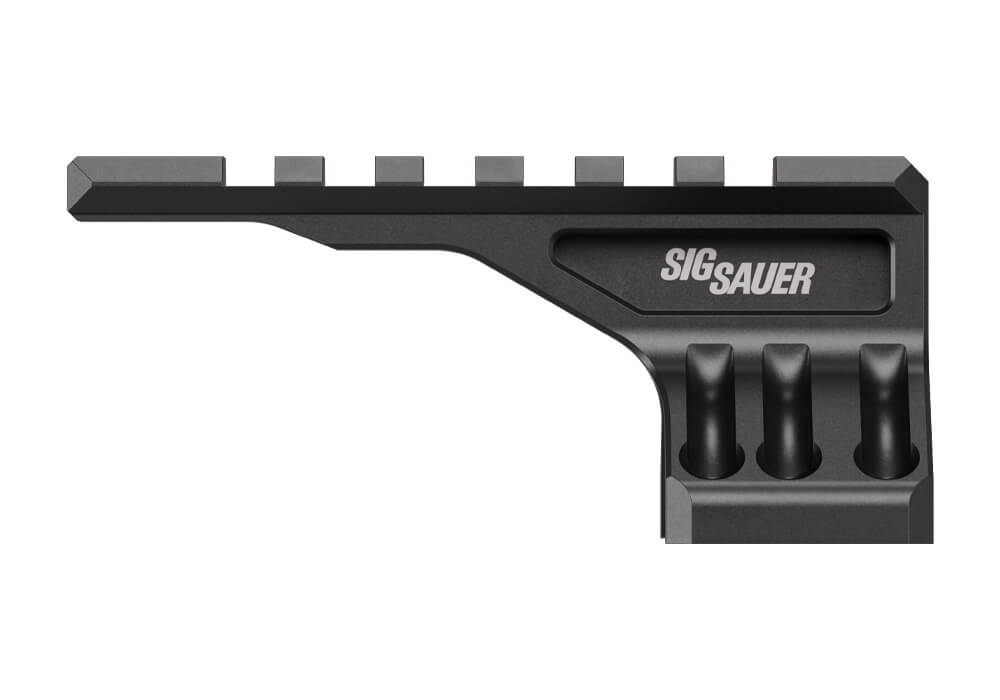
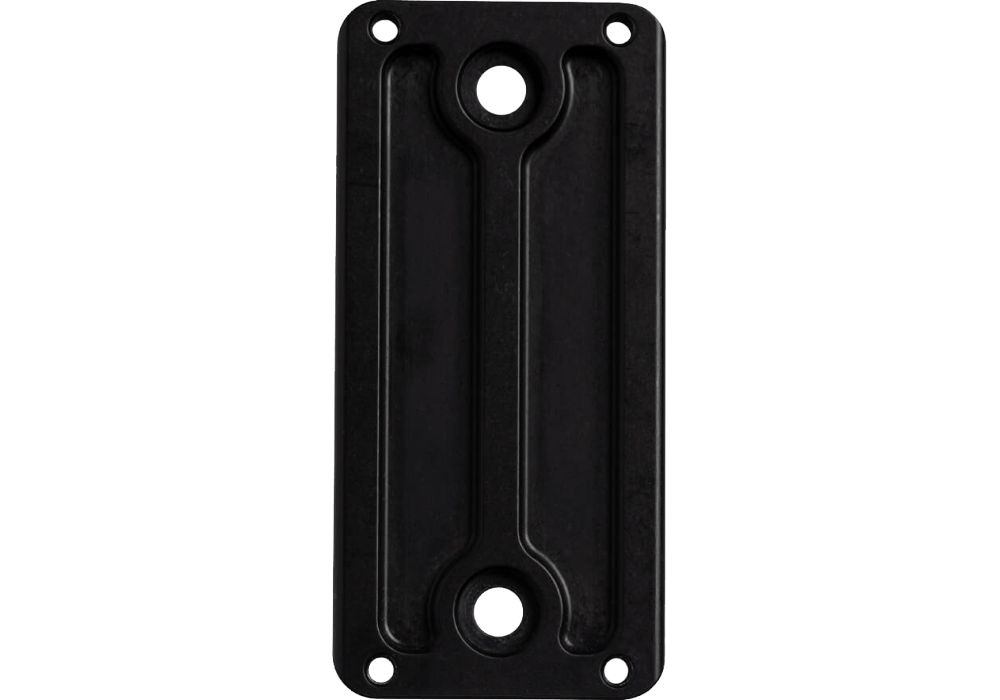
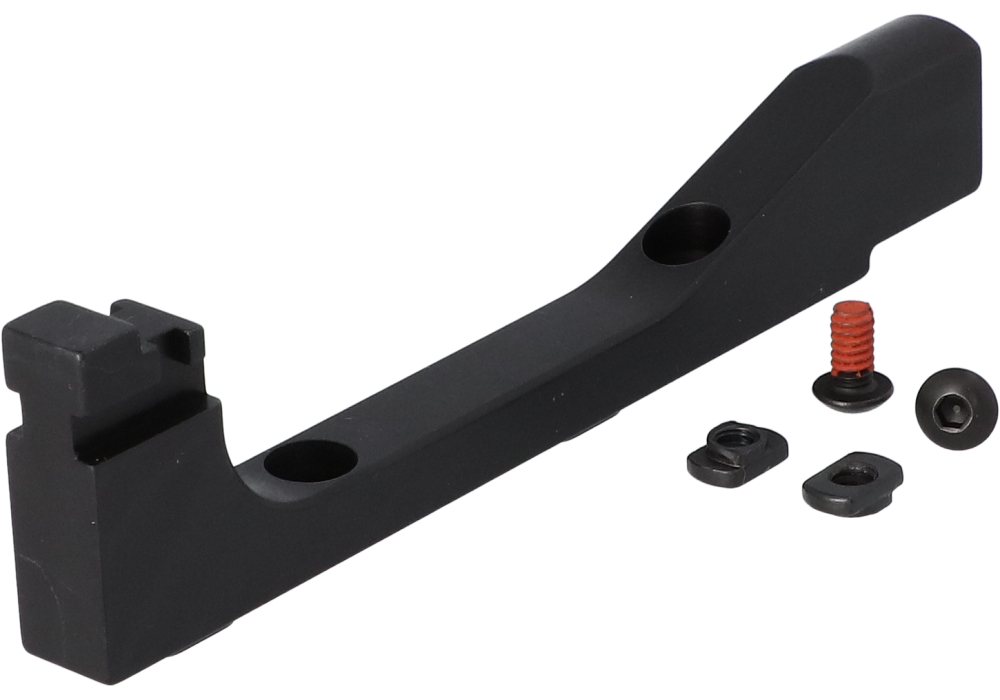
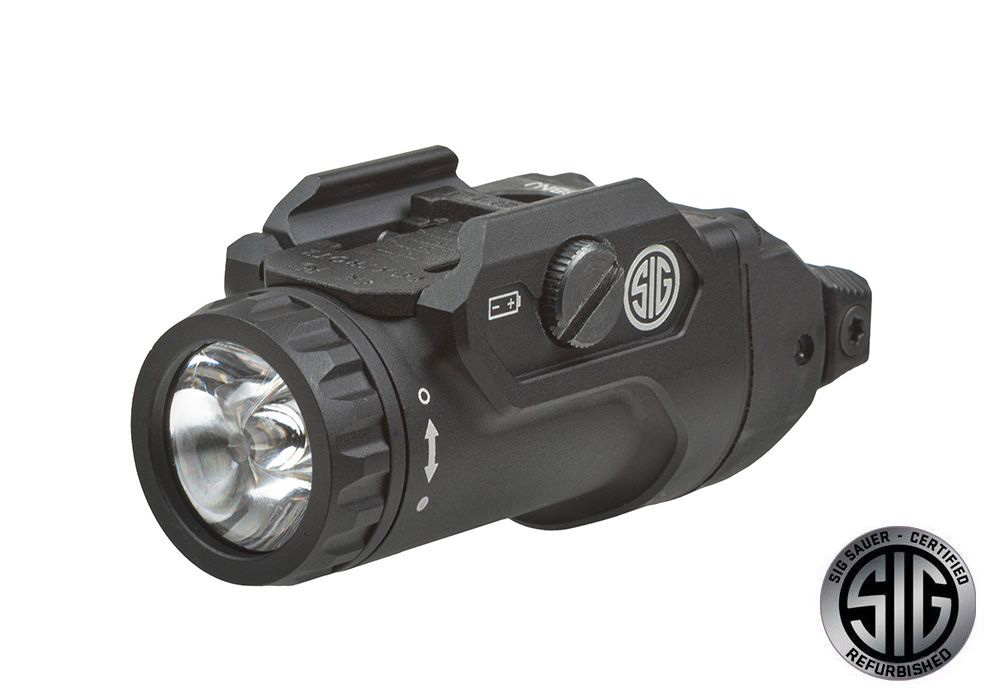
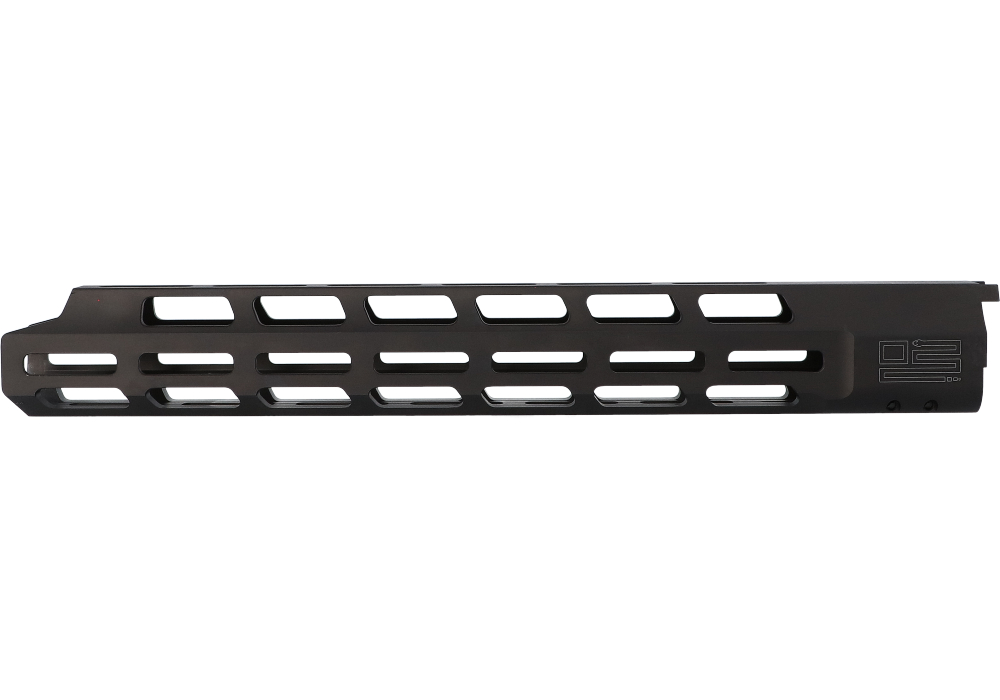
Firearm rail accessories are components that connect to compatible mounting surfaces, provide attachment points for other equipment, or cover unused sections of a rail. They belong to a different category from vehicle rails, industrial tracks, and model railroad accessories: their fit depends on the firearm’s mounting interface and the purpose of the accessory. Common interfaces include Picatinny, M-LOK, and KeyMod, each with a distinct attachment pattern. Picatinny rails have a raised profile with transverse slots, while M-LOK handguards use elongated openings and KeyMod interfaces use keyhole-shaped openings. These systems are not interchangeable simply because their accessories look similar. A rail section designed for one interface must have the corresponding attachment hardware, and an accessory that connects to a Picatinny rail still needs an appropriate mounting surface beneath it. Within this category, rail sections, covers, adapters, and related mounting components serve different roles. Some establish a compatible attachment surface, some change how equipment interfaces with that surface, and others provide a more comfortable exterior over exposed rail edges. Understanding those distinctions helps explain why two compact components can have very different applications. A short rail section may occupy only a small portion of a handguard, while a cover may follow a longer stretch without providing an equipment attachment point. Overall length, profile, and the space surrounding an attachment location all affect compatibility. The presence of a familiar slot pattern alone does not establish that every component will fit every firearm using that system. Manufacturer compatibility information, handguard specifications, and the accessory’s intended application provide the relevant context. Rail accessories are best understood as parts of a connected system, where the interface, hardware, surrounding clearance, and equipment requirements matter together. That system-level fit is more meaningful than a similar appearance or a general claim of universal compatibility.
Materials and construction influence how rail accessories feel, wear, and hold up to repeated handling. Aluminum is common in rail sections and mounting components because it offers a useful combination of rigidity and relatively low weight. Steel may appear in fasteners and other hardware where strength and wear resistance are important. Polymer is common in covers and other exterior components, with characteristics that vary by formulation and design. Material names alone do not tell the entire story: wall thickness, reinforcement, surface treatment, hardware quality, and the precision of mating surfaces also affect the finished component. An anodized aluminum surface and a textured polymer cover serve different purposes, even when both have a dark, understated appearance. Smoothly finished edges can be noticeable when a firearm rests against a shooting bag or moves in and out of a fitted case. Texture also matters at ordinary points of contact, particularly where an exposed rail would otherwise feel sharply ridged against the hand. Durable construction includes more than resistance to visible scratches. Consistent dimensions, properly fitting hardware, and finishes appropriate to the underlying material contribute to dependable service over time. No finish eliminates the need for care, and normal contact can leave cosmetic marks without necessarily indicating a functional problem. Routine care generally centers on removing surface debris, keeping attachment areas clean, and using cleaning products compatible with the accessory’s materials and finish. Strong solvents are not appropriate for every polymer, coating, or adhesive-backed component. Manufacturer care instructions remain the reference for those differences. Periodic inspection is also relevant for equipment that sees frequent handling, especially when wear, damaged hardware, or a change in fit becomes apparent. An accessory’s service life depends partly on its construction and partly on whether its use and maintenance remain within the conditions its manufacturer specifies.
The intended use of a firearm gives rail accessories their practical context. A recreational range owner may value an uncluttered handguard with comfortable contact surfaces, while someone participating in organized competition may have different equipment requirements governed by the activity’s rules. Instructors and frequent range visitors may place particular value on consistent fit and components that tolerate repeated handling. None of those uses automatically calls for filling every available attachment location. Empty space can be useful, and a compact accessory can still introduce unwanted bulk if its shape conflicts with a case, a rest, or another component. At a shooting bench, those details become tangible: an exposed edge can press against a bag, a projecting mount can interfere with a fitted case, and an oversized cover can change how the handguard feels. A coherent arrangement accounts for those everyday interactions rather than treating each accessory as an isolated purchase. Related categories such as Rail Sights address a separate function, with compatibility considerations that extend beyond the rail connection itself. Keeping those roles distinct helps clarify the difference between a mounting component and the equipment attached to it. Weight, profile, and clearance remain relevant across the category, but their importance varies with the firearm and its intended use. For a gift recipient, confirmed interface information and a clear understanding of the owner’s preferences are especially valuable; visual similarity is a poor substitute for compatibility. An experienced owner may already have a preferred texture, a particular case layout, or limits on how much additional bulk feels comfortable. Rail accessories are therefore most useful when they answer a defined need, whether that means covering an unused section, providing an appropriate mounting interface, or replacing a worn component with a compatible alternative. Thoughtful selection keeps the emphasis on fit, material quality, manageable upkeep, and a clear purpose within the existing setup.