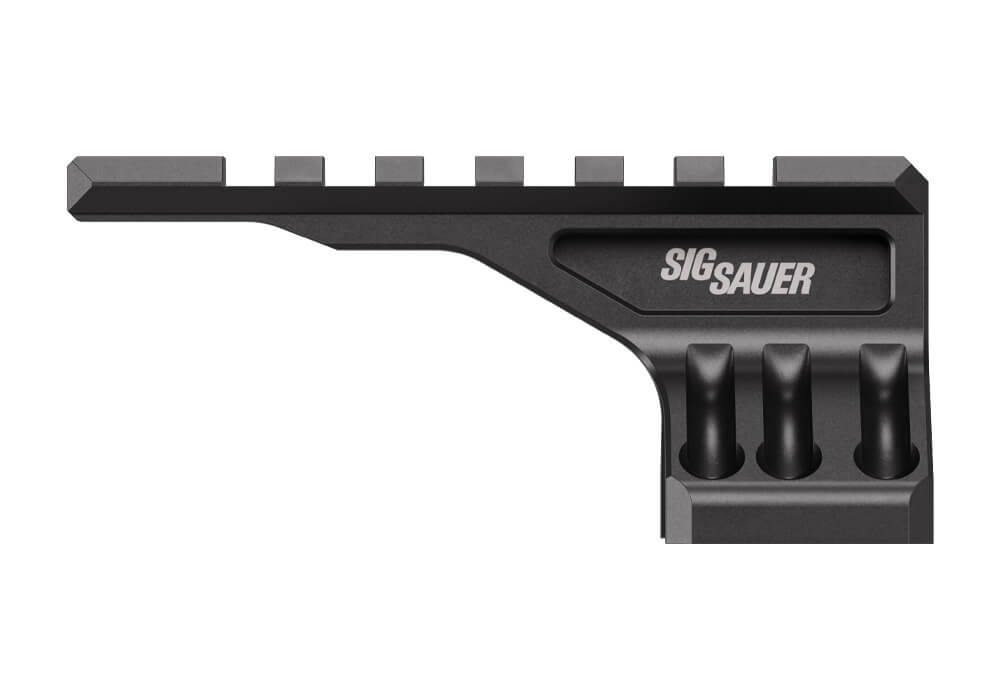
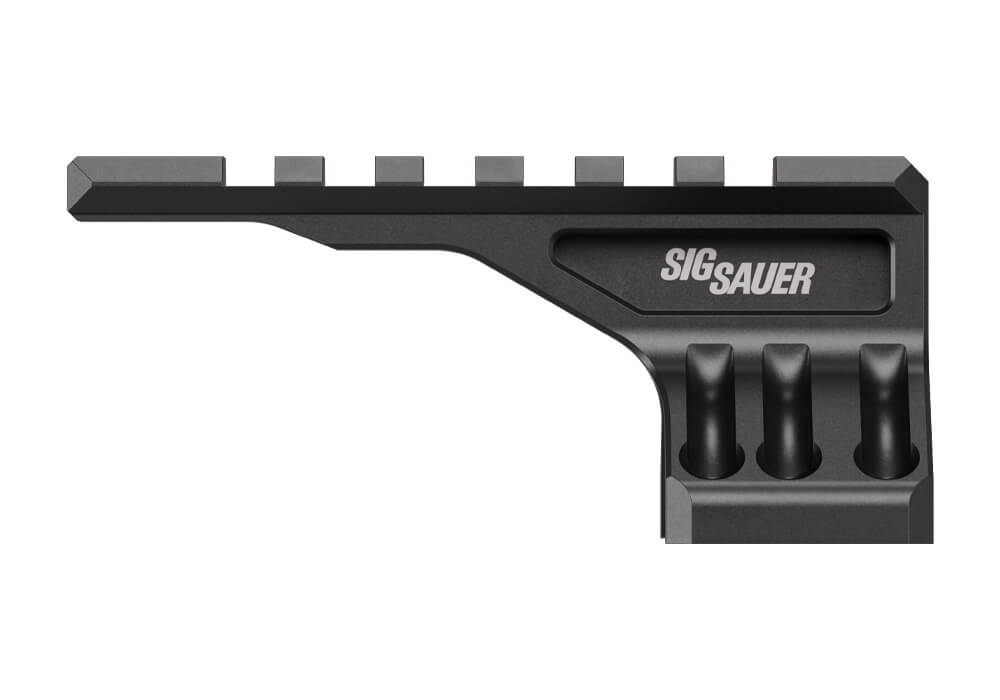
Rail sections are modular mounting components that provide a standardized attachment surface for compatible firearm accessories. Commonly used on handguards, they create a short length of rail where a continuous mounting surface is unnecessary or unavailable. A section typically has a series of transverse slots that accept accessories designed for that rail profile, while its underside connects to a particular handguard interface. Those two connections serve different purposes: the upper profile determines which accessories can attach, and the lower interface determines which supporting surface can accept the section. That distinction is central to choosing a compatible option. A rail section with a familiar appearance is not necessarily suitable for every handguard, and similar-looking attachment points may follow different specifications. Picatinny rail sections, for example, describe a recognizable accessory-mounting profile, but that profile alone does not establish compatibility with the firearm beneath it. Published dimensions, interface specifications, and manufacturer documentation provide a more reliable basis for selection than appearance. Length also deserves attention. A compact section provides a limited mounting area, while a longer section offers additional room for accessories with a larger attachment footprint. Overall length and usable mounting space are not always identical, so slot arrangement and the shape of the ends matter alongside the stated measurements. For recreational shooters, range regulars, and owners maintaining a familiar sporting setup, these details help distinguish a suitable component from one that merely looks close. The goal is a secure, compatible connection without unnecessary bulk or an awkward fit. A short section near an existing hand position can feel different from the same section farther along a handguard, particularly when its edges remain exposed. Understanding the relationship among rail profile, attachment interface, and physical dimensions gives this product category useful context without assuming that every firearm or accessory shares the same mounting requirements.
Materials and construction influence how a rail section feels, wears, and holds up to routine handling. Aluminum is commonly used because it combines relatively low weight with useful rigidity, while reinforced polymer can offer a lighter alternative for applications permitted by the manufacturer. Steel may appear in mounting hardware or other components where its mechanical properties suit the design. Material alone, however, does not establish suitability. The section’s geometry, mounting arrangement, manufacturing tolerances, and intended application all contribute to its performance. A substantial-looking section can still be incompatible with a particular handguard, and a lightweight design should not be assigned a role beyond its documented limits. Surface treatments also deserve a closer look. Anodized aluminum and other protective finishes help resist ordinary surface wear and corrosion, but no finish eliminates the need for care. Contact with accessory clamps, movement inside a case, and repeated handling can leave visible marks over time. Smoothly finished edges are worth noting because exposed corners may contact hands, clothing, or the lining of a storage bag. Consistent slot spacing and cleanly formed surfaces are also relevant when assessing construction. For routine care, follow the manufacturer’s cleaning guidance and use products compatible with both the rail material and its finish. Harsh chemicals, abrasive tools, and unnecessary soaking can affect surrounding components as well as the section itself. Before inspection or cleaning, ensure the firearm is unloaded and follow its documented safety procedures. Look for corrosion, cracks, deformation, or mounting hardware that no longer appears properly seated, and have questionable components evaluated before further use. Dirt gathered around attachment points can obscure wear, making a clean, well-lit inspection more useful than a quick glance through the slots. When the firearm is stored, a dry environment and protection from unnecessary contact help preserve exposed surfaces. These straightforward habits support long service life without treating cosmetic wear as proof of failure or assuming that an undamaged finish guarantees sound condition.
Fit is easiest to evaluate when the intended use is clear. A range owner adding a compatible support accessory may have different requirements from someone replacing an existing section to keep a familiar setup consistent. In either case, the accessory’s mounting footprint, the handguard’s attachment specification, and the section’s documented dimensions should agree. Space around the section matters, too: nearby controls, existing attachments, and normal handling areas can influence whether a particular length or profile is practical. Rail height and contour can change the relationship between an accessory and its supporting surface, so two sections with the same nominal length may not feel or fit alike. Mounting hardware is another compatibility detail rather than an interchangeable afterthought. The correct hardware depends on the component and its intended interface; pieces that look similar may differ in ways that are not apparent at a glance. Follow the relevant manufacturer instructions, and consult a qualified professional when compatibility or installation requirements are unclear. For a broader view of related mounting components, Rail Accessories provides a useful companion category. Keeping related components within their documented specifications helps avoid mismatched parts and unnecessary trial and error. Rail sections can also be a practical gift for an experienced firearm owner, provided the recipient’s exact mounting interface and preferences are known. A confirmed specification is more useful than a guess based on the firearm’s general appearance, particularly when handguards or other components have changed. For personal use, it helps to retain the component documentation so that its material, dimensions, hardware requirements, and care recommendations remain easy to reference. Ultimately, a suitable rail section is not defined by the greatest length or the most substantial appearance. It is defined by compatibility, sound construction, appropriate dimensions, and a clear purpose within the existing setup. Those qualities make a small mounting component easier to evaluate and more straightforward to maintain over time.