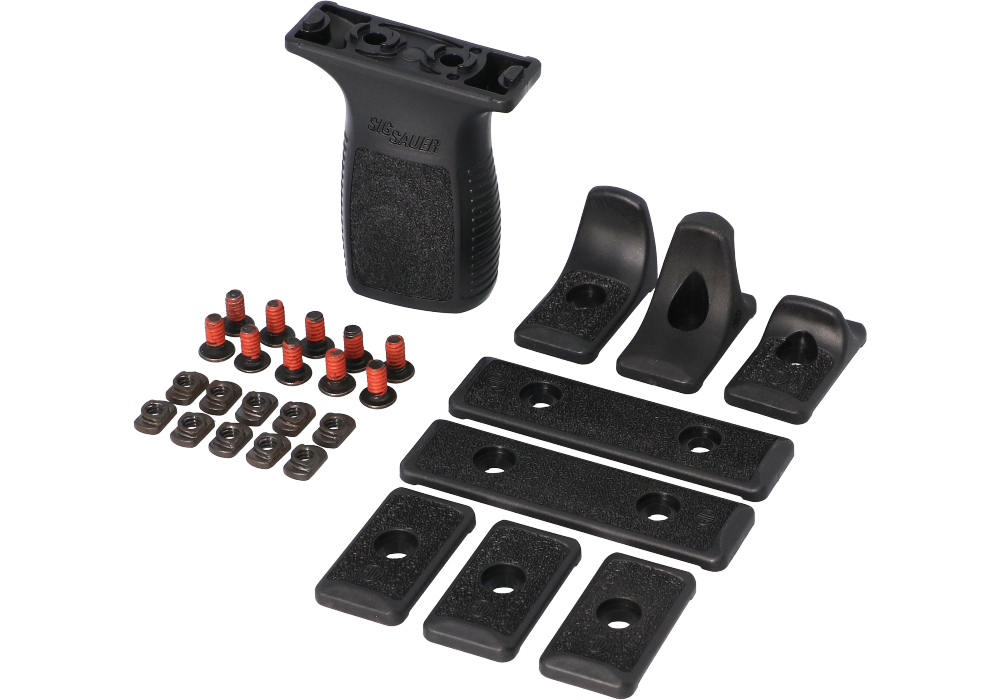
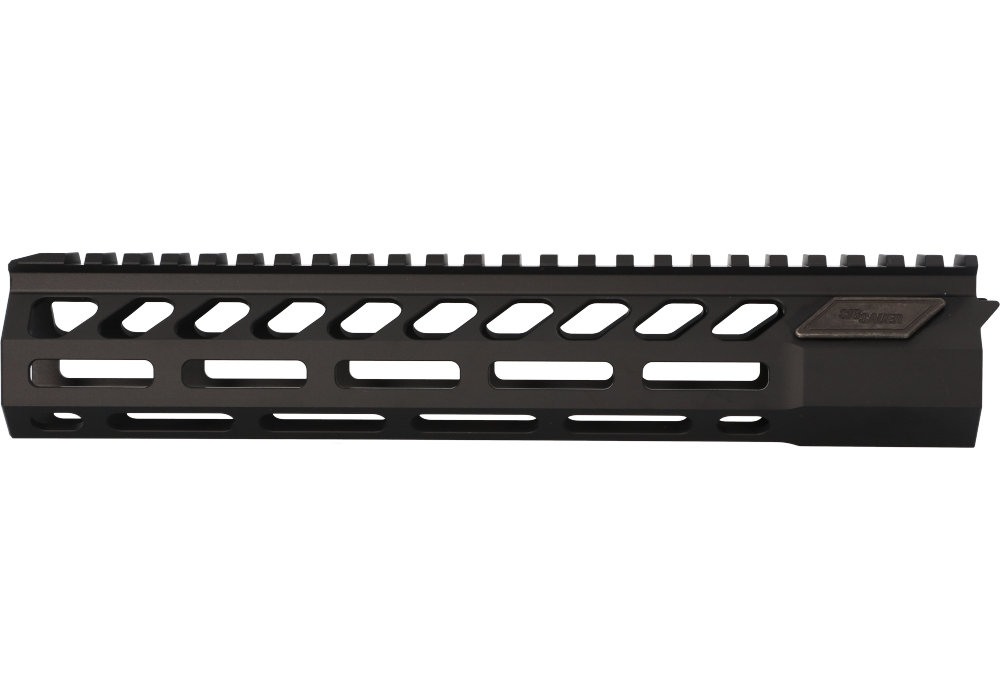
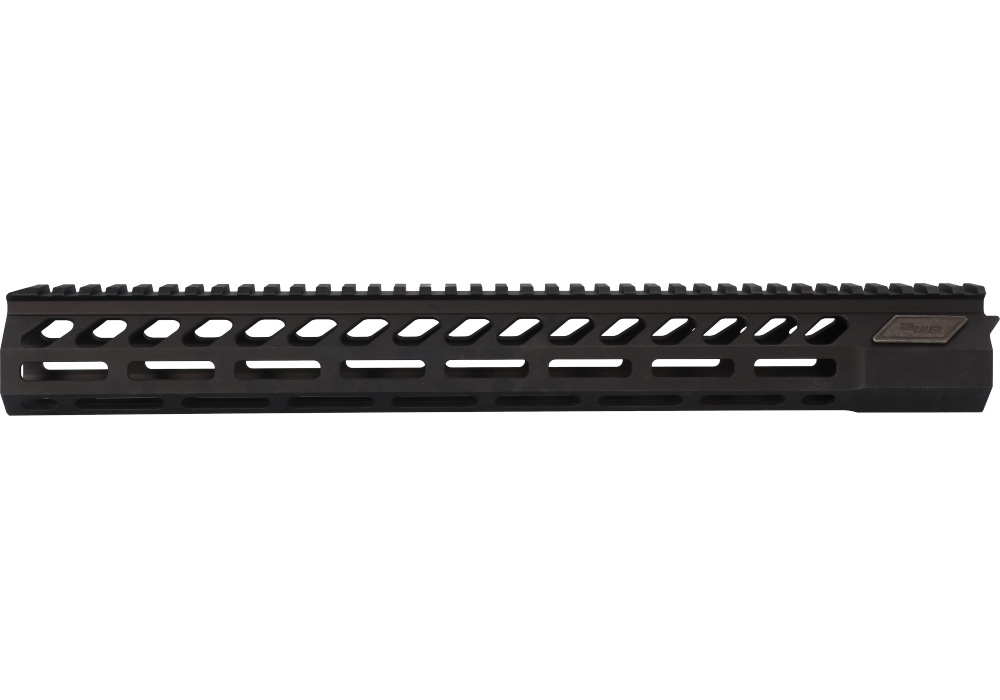
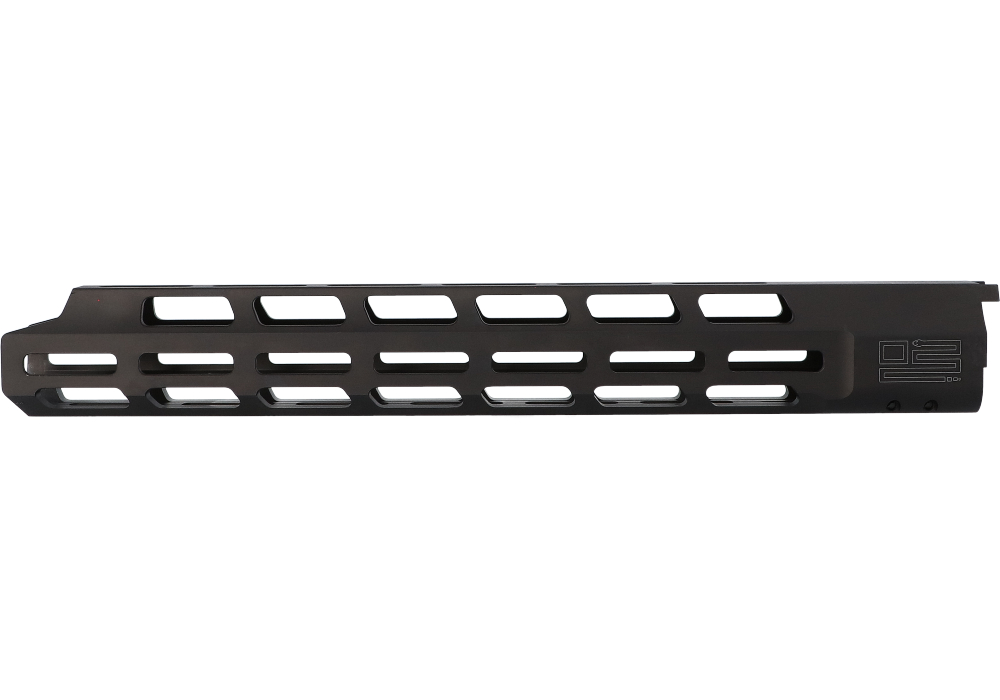
Firearm rail kits are sets of mounting components that provide an attachment interface for compatible accessories on a firearm. Depending on the design, a kit may include a rail section, mounting hardware, and supporting components intended for a particular mounting surface. These kits belong to the firearm accessory category, where fit depends on more than the overall length or appearance of a rail. The firearm model, attachment interface, mounting location, and accessory requirements all help determine compatibility. Two rails can look nearly identical on a workbench yet use different screw spacing, mounting profiles, or hardware. A rail kit intended for one platform should not be assumed to fit another simply because their dimensions appear similar. Picatinny-style rails, for example, have a recognizable cross-slot profile, but the connection between the rail and the firearm remains a separate consideration. Compatibility has to exist on both sides: between the rail and its mounting surface, and between the rail and the accessory attached to it. That distinction matters for recreational shooters, collectors, and firearm owners who want a suitable mounting interface without unnecessary bulk. Intended use also influences the choice. A firearm used primarily for organized range sessions may have different accessory requirements from one kept in a compact storage case or carried in a fitted holster. Rail length, placement, and overall profile can affect those everyday details even before an accessory is attached. The most useful rail kits have clearly stated applications and component descriptions, allowing the buyer to evaluate the complete mounting arrangement rather than relying on a photograph alone. Manufacturer documentation provides the reference point for supported platforms, hardware requirements, and installation limits. Within a broader selection of firearm mounting components, rail kits serve a specific purpose: creating the correct connection for compatible equipment while respecting the design and limitations of the host firearm.
Materials and construction influence how a rail kit feels, wears, and holds up to regular handling. Aluminum is commonly used for rail bodies because it balances relatively low weight with rigidity, while steel may be used for fasteners or other parts where the design calls for different mechanical properties. Material names alone, however, do not tell the whole story. Machining quality, dimensional consistency, surface treatment, and the relationship between adjoining parts all contribute to the finished assembly. Anodized aluminum and other protective finishes can help resist ordinary surface wear and corrosion, but no finish eliminates the need for appropriate care. Edges and corners deserve attention as well. A smoothly finished rail is more comfortable to handle and less likely to snag a cleaning cloth or rub against the lining of a case. Length and height are equally practical considerations. Extra rail surface is not automatically useful if it adds bulk where no mounting space is needed, and a taller profile can change clearance around nearby components. Even a small dimensional difference may matter when equipment must fit into an existing case or holster. Holster compatibility, in particular, should be confirmed with the relevant manufacturers rather than inferred from the firearm model alone. Rail kits should also be evaluated as complete assemblies, since a suitable rail body does not compensate for incorrect hardware. The specified fasteners and supporting pieces are part of the design, not interchangeable extras. For shoppers comparing related mounting components, Rail Accessories provides a related category to explore alongside rail kits. Keeping the distinction between a rail kit and an accessory mount clear helps prevent mismatched expectations: the kit establishes an interface, while a separate mount may be necessary for the equipment intended to attach to it. A well-matched selection starts with documented fit and appropriate construction, not the largest number of slots or the most elaborate appearance.
Care for rail kits centers on cleanliness, inspection, and respect for the manufacturer’s specifications. Dust, lint, and residue can collect around cross slots, fastener recesses, and the junction between a rail and its mounting surface. A soft brush and a clean cloth are often useful for routine exterior cleaning, with cleaning agents selected according to the materials and finishes involved. Harsh chemicals, abrasive tools, and improvised treatments can damage protective surfaces or leave unwanted residue, so compatibility with the finish matters as much as cleaning strength. Any handling, inspection, or maintenance should begin with the firearm unloaded and handled according to its safety instructions. Installation, hardware replacement, and adjustments should follow the relevant manufacturer documentation; a qualified gunsmith is an appropriate resource when fit or condition is uncertain. Regular visual checks can reveal wear, damaged fasteners, corrosion, or a change in how components sit together. Movement, damaged threads, or parts that do not seat as specified are reasons to stop using the assembly until it has been properly evaluated. Tightening hardware by feel or substituting a similar-looking screw is not a reliable answer to a fit problem. Storage deserves the same practical attention. A clean, dry case with enough clearance helps protect exposed rail edges and keeps pressure from being concentrated on attached equipment. Loose hardware is easier to identify later when it remains labeled with the kit’s original documentation rather than mixed into a container of unrelated parts. That organization is especially useful for owners who maintain several firearms or periodically change compatible accessories. Rail kits can also be thoughtful gifts for an enthusiast when the exact platform and mounting requirements are known, though visual similarity is a poor substitute for a confirmed match. For any buyer, lasting usefulness comes from the same fundamentals: suitable materials, accurate fit, complete hardware, sensible dimensions, and straightforward care. Those details determine whether a rail kit fits naturally into an existing setup and remains serviceable through repeated range visits, routine cleaning, and ordinary transport.