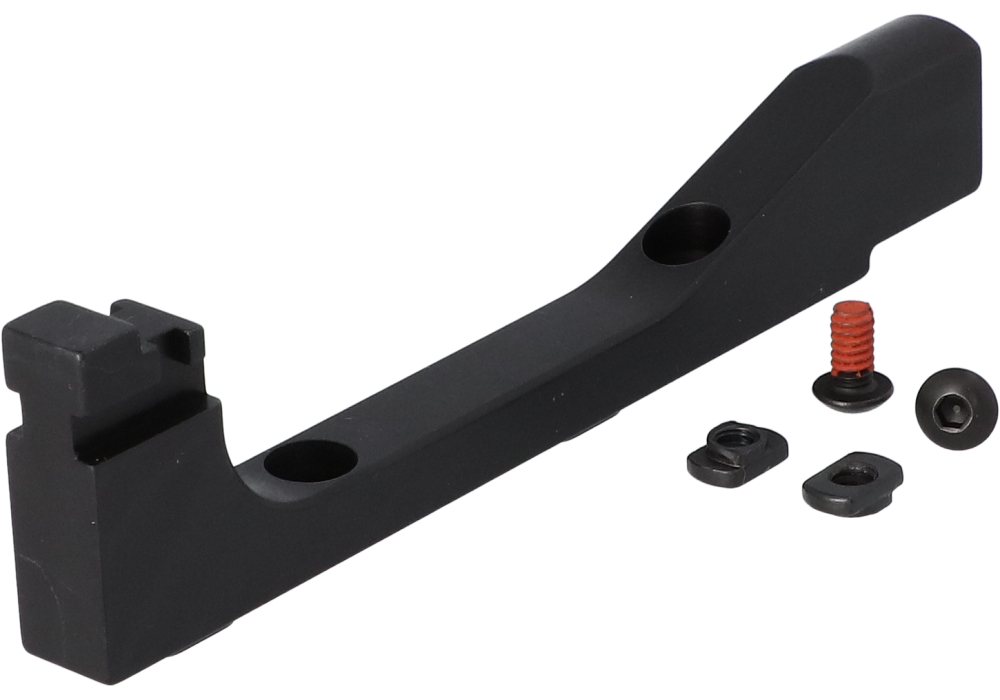
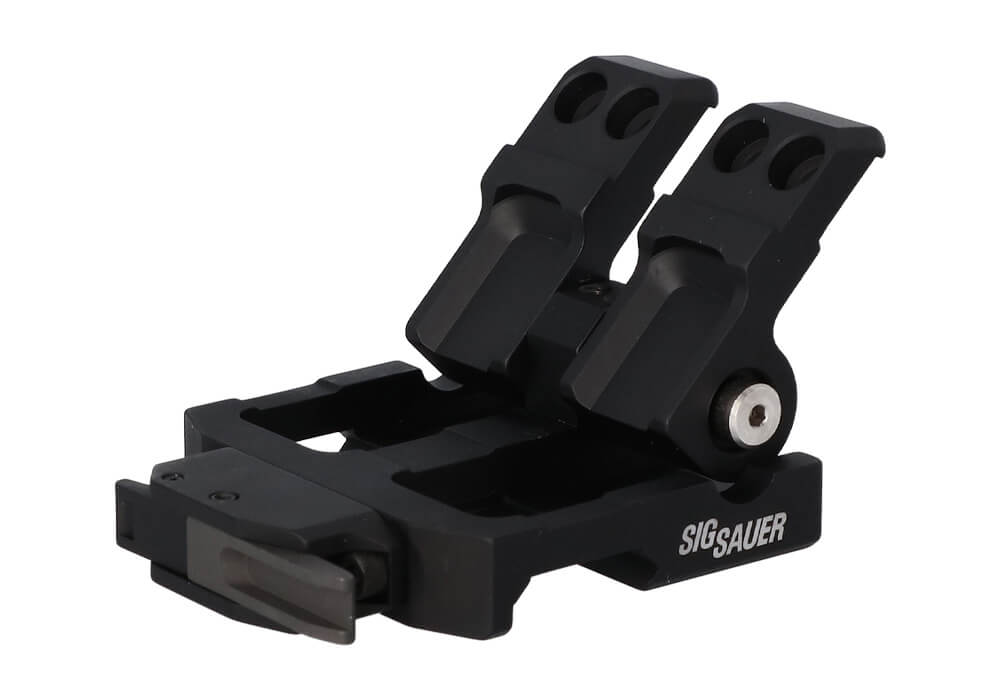
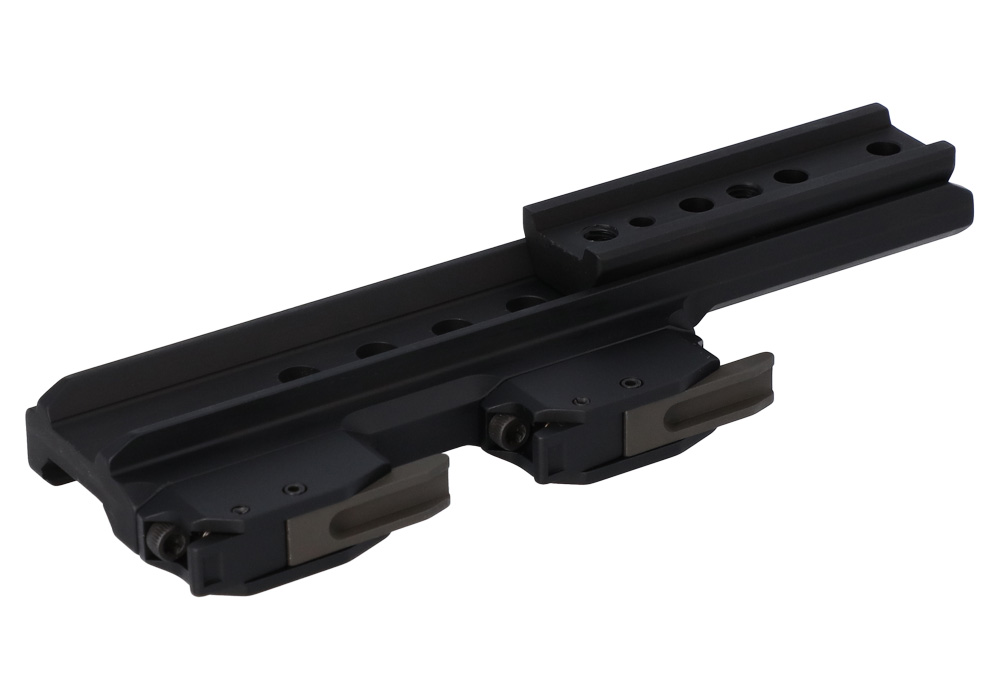
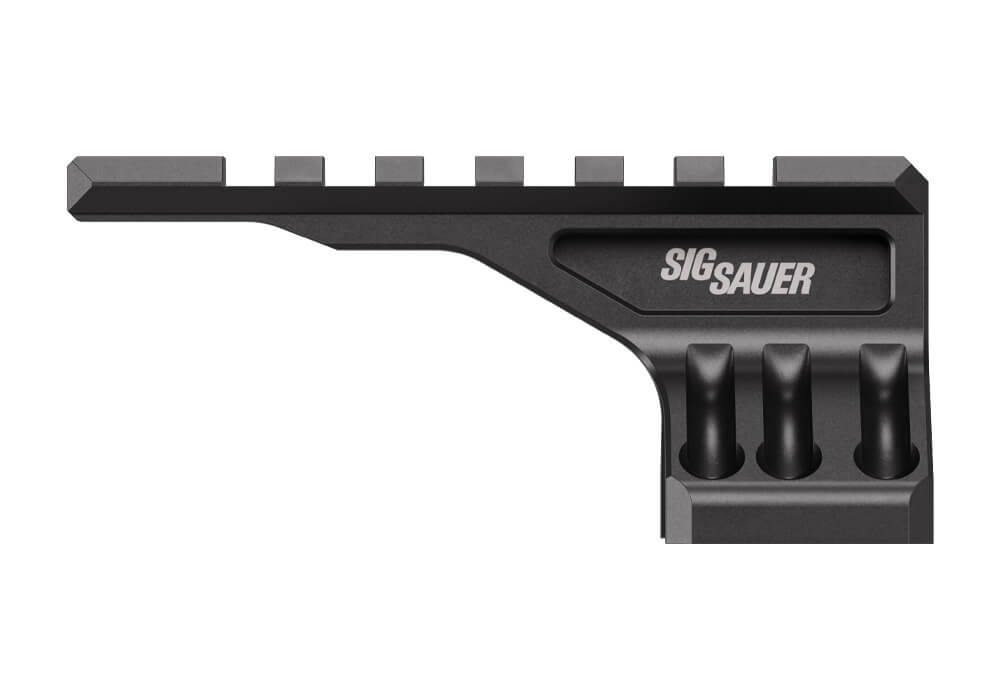
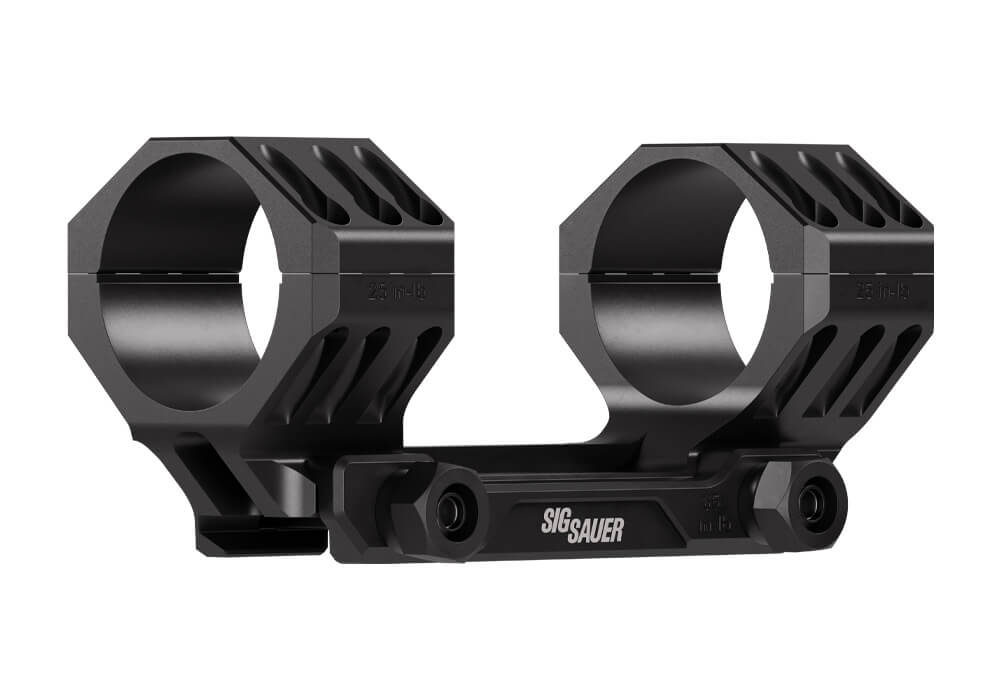
Rail mounts connect compatible firearm rails to accessories such as scope rings, optic bases, and support equipment, creating a secure mechanical interface between the firearm and the attached component. Many designs engage an existing rail without requiring drilling or permanent changes, making compatibility with that rail the starting point for a suitable fit. In this setting, the term refers to firearm mounting hardware rather than clamps for boat rails or other tubular structures. Picatinny rails, standardized under MIL-STD-1913, feature cross slots that accept compatible mounting hardware and provide defined attachment positions. Not every rail with a similar profile follows the same specification, however, and visual resemblance alone does not establish compatibility. Slot dimensions, clamp geometry, and the shape of the mount’s engagement surfaces all influence how the parts fit together. Slotted handguard attachment systems are also distinct from raised accessory rails and may require a compatible rail section or adapter. The connection on the accessory side deserves equal attention: a mount that fits the firearm’s rail still needs the correct ring diameter, optic footprint, or attachment pattern for the component it supports. This distinction helps explain why rail mounts come in different shapes, lengths, and heights rather than serving as universal connectors. Scope rings support a cylindrical optic tube, while other bases accommodate specific mounting patterns or provide an intermediate attachment surface. One-piece configurations connect their mounting points within a single structure; separate rings offer a different arrangement whose suitability depends on the firearm and optic. For target shooters, hunters, and competitors, the practical value lies in a connection that suits the complete setup without unnecessary bulk or interference. A rail mount is only one part of that setup, but its fit affects how naturally the equipment comes together, how accessible nearby controls remain, and whether the attached accessory has the clearance its design requires.
Materials and construction influence the weight, durability, and handling characteristics of firearm rail mounts. Aluminum is common where keeping weight manageable matters, while steel can offer substantial strength in compact hardware, sometimes with a weight tradeoff. Neither material tells the whole story. Alloy selection, machining quality, cross-sectional thickness, fastener design, and surface treatment all contribute to performance. An anodized aluminum surface can help resist corrosion and everyday wear, while protective finishes on steel help shield the underlying metal when properly maintained. No finish eliminates the need for care, and repeated contact with tools, grit, or other equipment can leave marks on exposed edges. Smoothly finished contact surfaces and accurately formed clamps matter more than an aggressive appearance. A well-suited mount should match the intended interface without requiring improvised spacers, altered hardware, or force to compensate for incompatible parts. Height and overall dimensions are equally important considerations. An optic’s objective housing may need clearance above the firearm, while the mount’s position can affect eye alignment and a comfortable cheek position. A setup that looks compact on its own may feel awkward once the optic, stock, and shooting position are considered together. Likewise, an extended base can occupy space needed for another component, and a projecting lever may sit close to a control or carrying surface. These are reasons to evaluate the complete arrangement rather than treating height or length as isolated specifications. Fixed-clamp designs generally emphasize a straightforward attachment, while quick-release designs provide a different approach to removal and reattachment. Any expectation of repeatable alignment after removal should be based on the manufacturer’s stated performance and verified appropriately, not assumed from the mechanism alone. For equipment carried over longer distances, weight and snag-resistant contours may deserve particular attention. For a firearm used primarily from a supported position, other factors, including mounting geometry and access to adjustments, may take precedence.
Long-term service depends on keeping the mounting interface clean, recognizing wear, and following the care requirements for both the mount and the equipment around it. Fine grit can collect along rail slots and clamp edges, especially when a firearm shares a case with field gear or rests near a dusty shooting bench. Residue at a contact surface can affect seating, while neglected moisture can contribute to corrosion on susceptible hardware. Manufacturer-approved cleaning methods and compatible protective treatments help preserve finishes without exposing nearby lenses, seals, or polymer components to unsuitable chemicals. Cleaning and inspection should take place with the firearm unloaded and handled according to its safety instructions. Fasteners, threads, levers, and contact surfaces merit attention for signs of damage or unusual wear; the manufacturer’s specified hardware and tightening requirements remain the reference for installation and maintenance. Extra force is not a substitute for correct fit, and substituted screws can introduce problems with thread engagement or clearance. Protective storage also matters. A padded case can limit contact with other equipment, although pressure against an optic or exposed lever should still be avoided. Intended use gives these details context. A hunter carrying equipment through brush may appreciate a compact profile with fewer projecting edges, while a recreational target shooter may value uncomplicated access for routine inspection. A competitor who transports equipment frequently may place particular importance on repeatable fit and consistent handling between practice sessions and events. Anyone considering a mount as a gift needs the recipient’s exact rail and accessory specifications, since a similar-looking connection may not be compatible. Related Rail Accessories can form part of the same setup, with each connection requiring its own compatibility check. The most suitable rail mounts bring together appropriate materials, sound construction, practical dimensions, and clear compatibility information, supporting an orderly arrangement that remains manageable to inspect, clean, transport, and use.