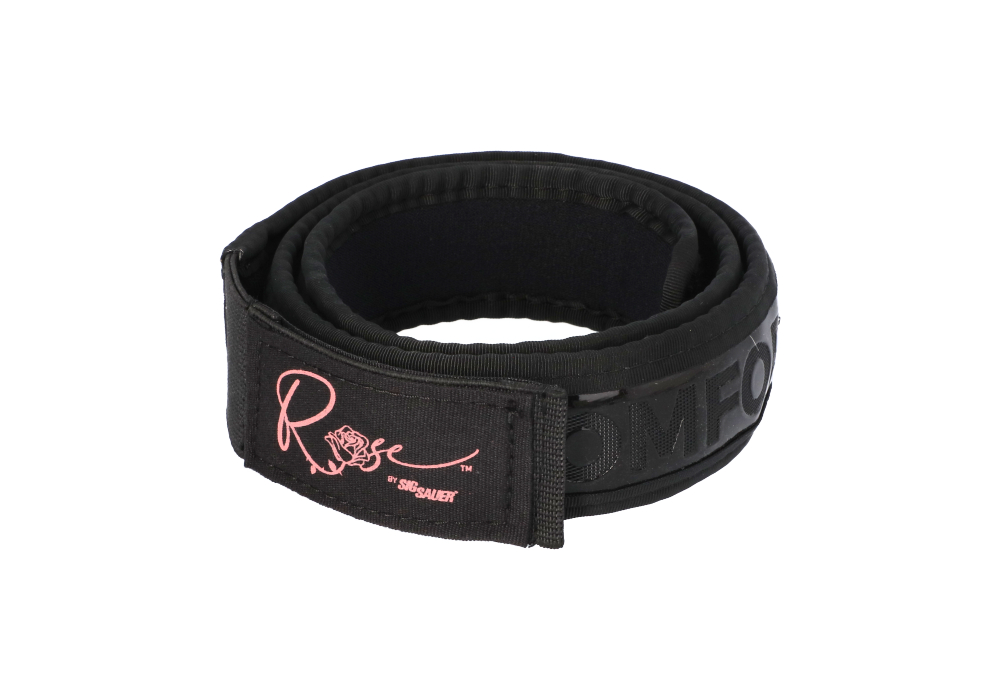
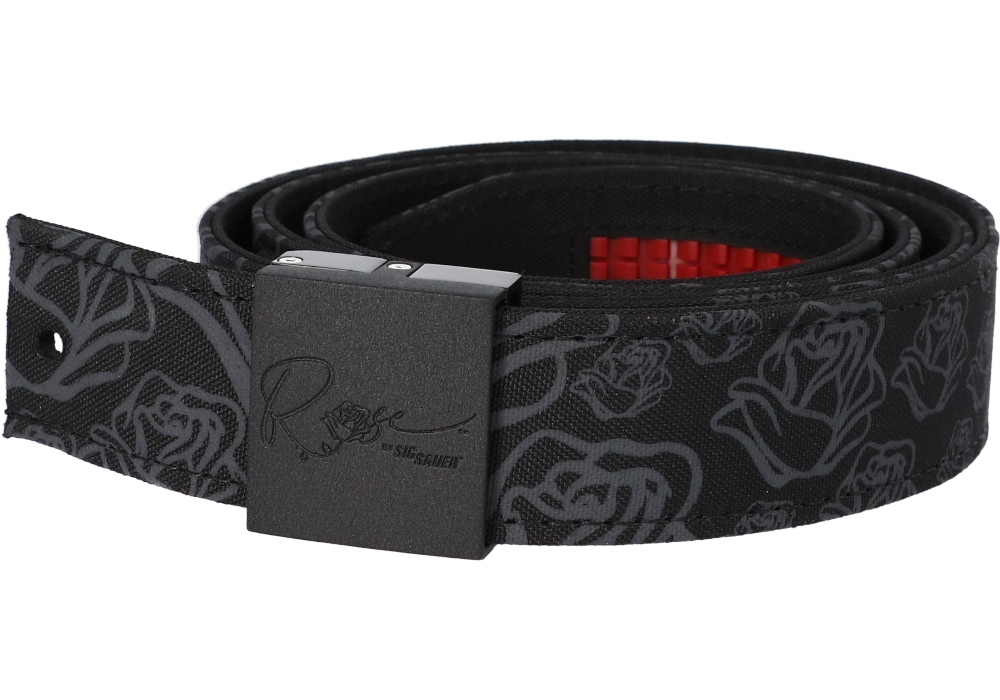
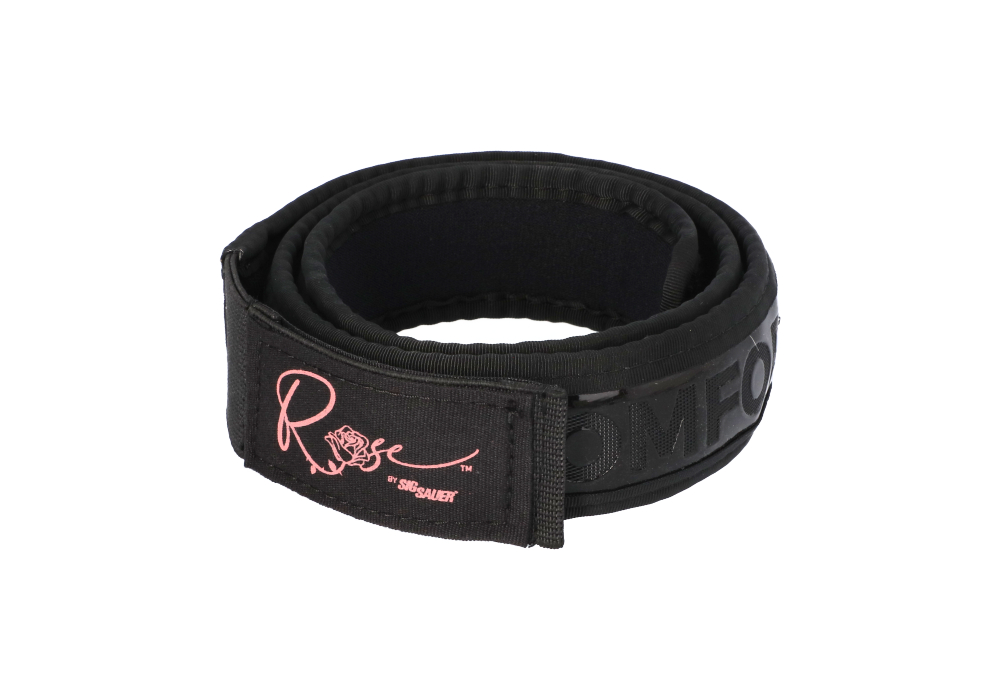
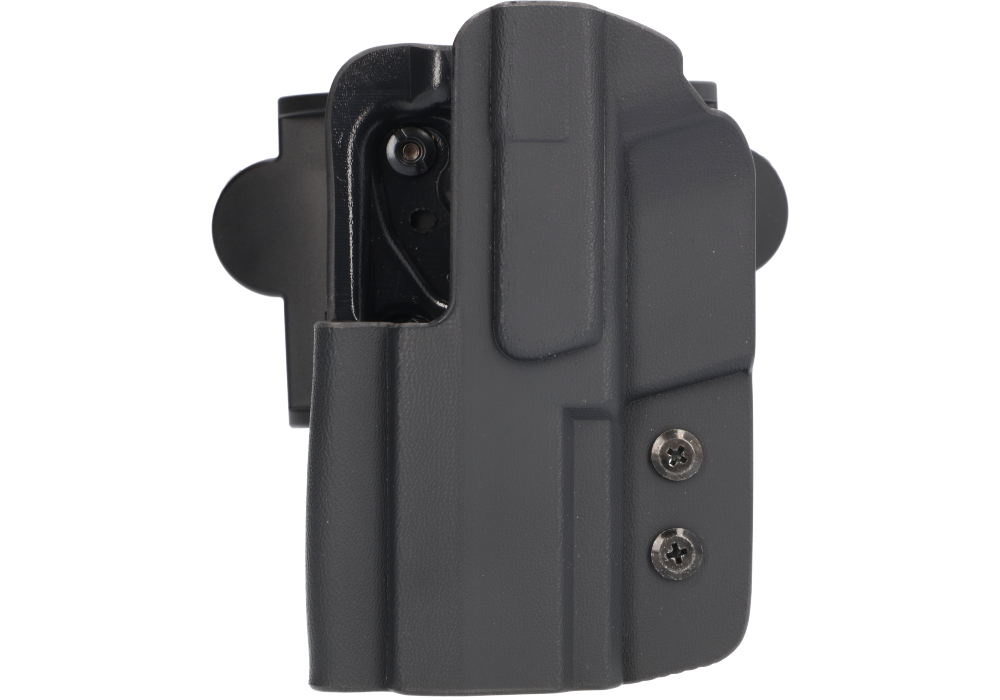
Range day belts are designed to keep essential equipment organized, stable, and accessible while you move between the firing line, loading table, and gear area. Unlike a soft everyday belt intended primarily to support trousers, a dedicated range belt is built to manage the concentrated weight of an outside-the-waistband holster, pistol, spare magazines, medical equipment, a dump pouch, and other accessories without folding or sagging. The most common format is a two-piece system: a slim inner belt passes through the belt loops of your pants, while a reinforced outer belt attaches with hook-and-loop fastener and provides the mounting surface for compatible pouches and holsters. This arrangement helps prevent shifting during movement and makes it possible to put on or remove a complete setup without rebuilding the placement of every accessory. Other range day belts use a padded sleeve or cushioned construction over a standard belt, which can be comfortable when carrying a more substantial loadout for longer periods. A rigid single-ply web belt may be a better fit for a lighter setup consisting of an OWB holster and one or two magazine pouches, while composite-reinforced or other rigid-core designs are intended to resist twisting when a heavier holster or multiple mounted accessories are in use. The right category depends on the equipment being carried, the clothing worn underneath, and the amount of movement expected during training or recreational shooting. Someone who spends most of the day standing at a bench may prefer a streamlined belt with minimal bulk, while a person practicing draws, transitions, movement drills, or competition stages may value a firm outer belt that stays in the same position through repeated motion. A range day belt can also be useful for instructors, competitive shooters, armed professionals, and responsible firearm owners who want a dedicated system that is separate from their everyday clothing.
Fit and compatibility are central considerations when comparing range day belts. Measure the waist over the clothing normally worn at the range rather than relying only on a usual pants size, since an inner belt, base layer, or seasonal clothing can change the required adjustment. The belt should sit securely without pinching, sliding, or leaving excessive slack, and the closure should remain engaged as the wearer bends, walks, and draws. Width matters as well: holsters and pouches are designed around particular belt dimensions and attachment methods, so checking manufacturer specifications before purchase helps avoid an improvised or unstable connection. Many outer belts include MOLLE webbing for modular attachment, allowing pouches and accessories to be positioned around the hips according to handedness, equipment, and personal preference. Others provide a smooth or low-profile surface for clips, belt loops, or dedicated attachments. A rigid core can reduce flex beneath a holster, but extra stiffness may also add bulk when sitting in a vehicle or moving through a crowded range area. Padded belts may distribute weight comfortably across the waist, though their larger profile can require additional room in clothing. Closure styles also vary, including hook-and-loop systems, buckle designs, and micro-adjustable mechanisms. An adjustable closure is helpful when a loadout changes from a simple pistol setup to one that includes a medical kit or rifle magazines, while a straightforward configuration may be preferable for users who want fewer components. Consider the placement of the holster in relation to the trigger guard, the retention features of the holster, and the accessibility of magazines without allowing equipment to interfere with safe muzzle direction or trigger discipline. Every accessory should be securely attached, and equipment should be inspected before use for worn stitching, damaged fasteners, loose hardware, or deformation. Firearms must remain unloaded until the shooter is at an appropriate location and ready to follow the range’s loading procedures, and all local laws, range rules, training requirements, and storage obligations should be followed.
A well-chosen range day belt can make a practical gift for a new shooter building a dedicated range kit, a competitive shooter refining a competition setup, or an experienced firearm owner replacing an aging belt that has begun to sag under repeated use. It is also a useful addition for someone who already owns a holster and magazines but has been carrying them on a casual belt that was never designed for concentrated equipment weight. Gift shoppers can make the choice more useful by considering whether the recipient prefers a two-piece inner-and-outer system, a padded belt, or a lower-profile reinforced belt, along with the recipient’s waist measurement and preferred mounting pattern. A belt intended for routine range use should be comfortable enough for several hours, durable enough for repeated fastening, and versatile enough to accommodate changes in equipment over time. During the cooler months, it should leave room for layers without compromising retention or creating pressure points beneath a jacket or overshirt; in warmer conditions, a less bulky design may feel more comfortable during extended outdoor sessions. Storage also matters: removing mounted accessories after use, brushing away dust and debris, and allowing damp materials to dry fully can help preserve fasteners and webbing. For everyday carry needs outside the range, a slimmer purpose-built option may be more appropriate, and shoppers comparing dedicated range equipment with daily-wear support can explore Belts For EDC. Whether the setup holds only a holster and spare magazines or supports a more complete training loadout with medical supplies and additional pouches, a reliable range day belt keeps equipment positioned consistently so attention can stay on safe handling, deliberate practice, and an enjoyable day at the range.