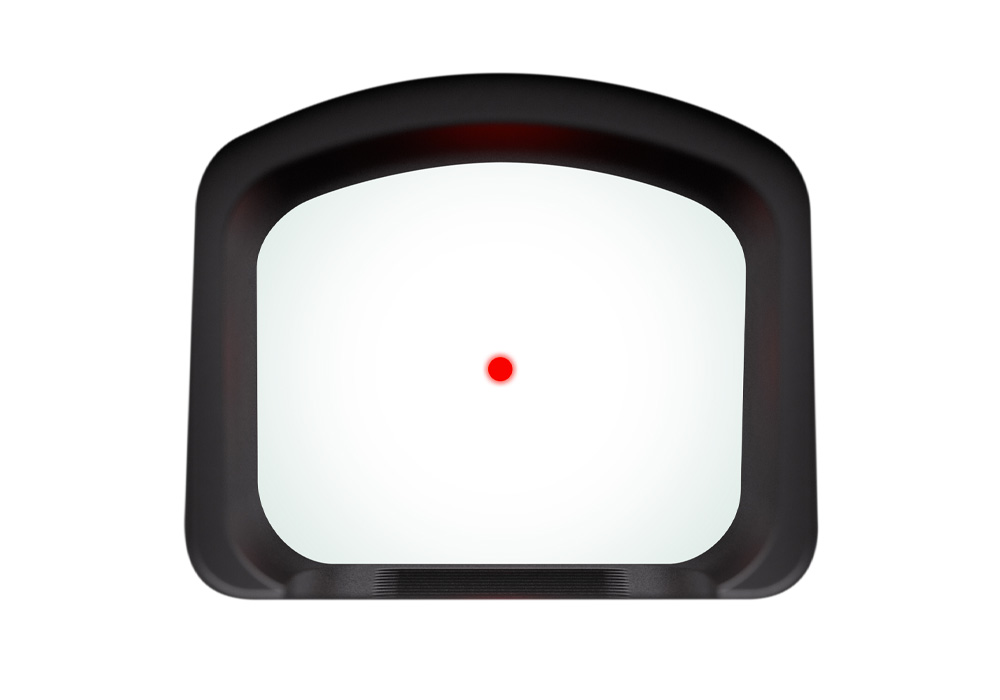
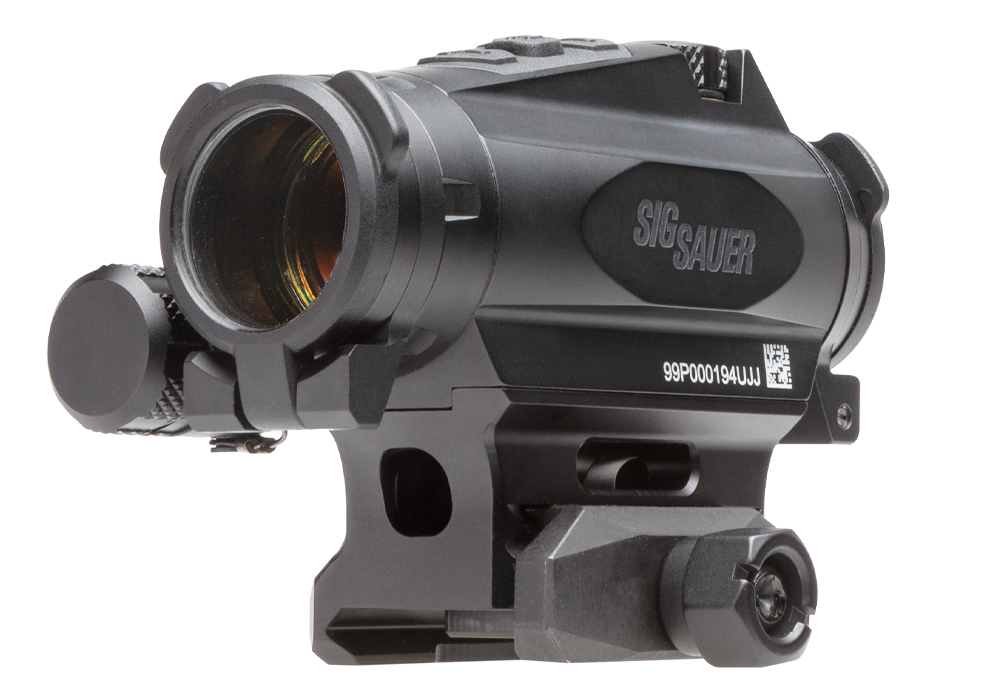
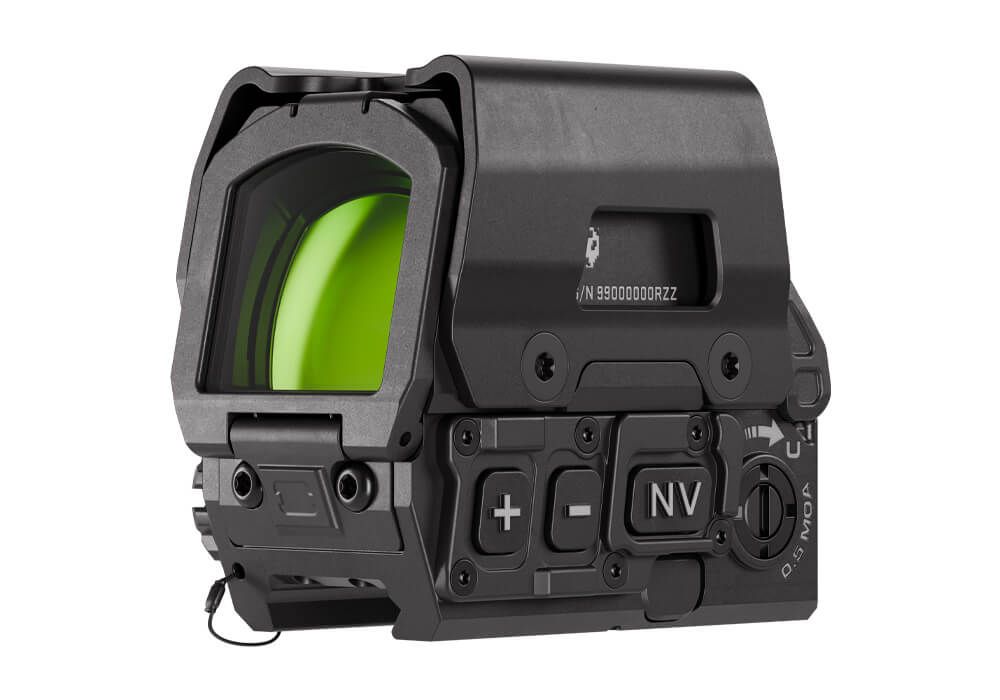
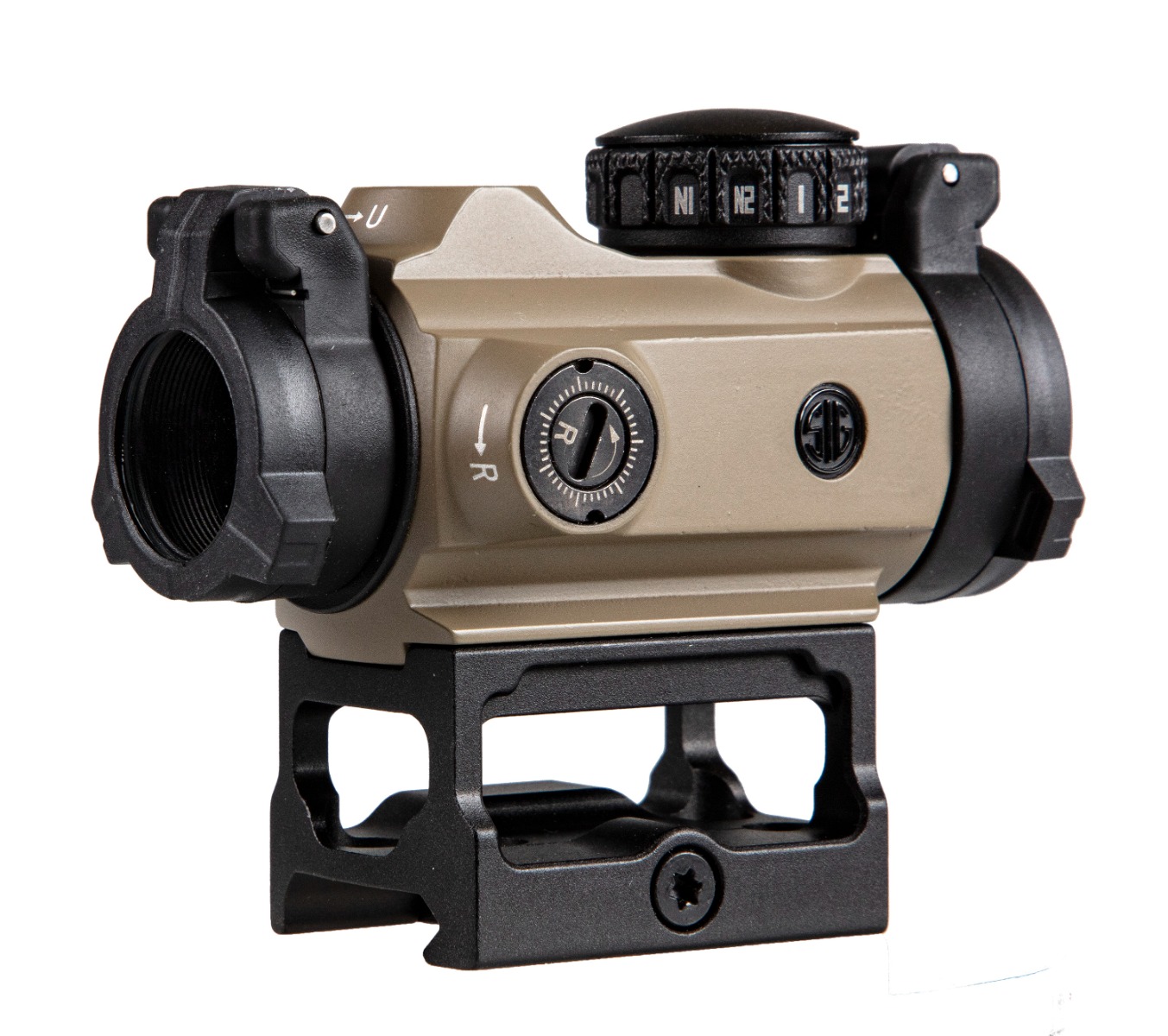
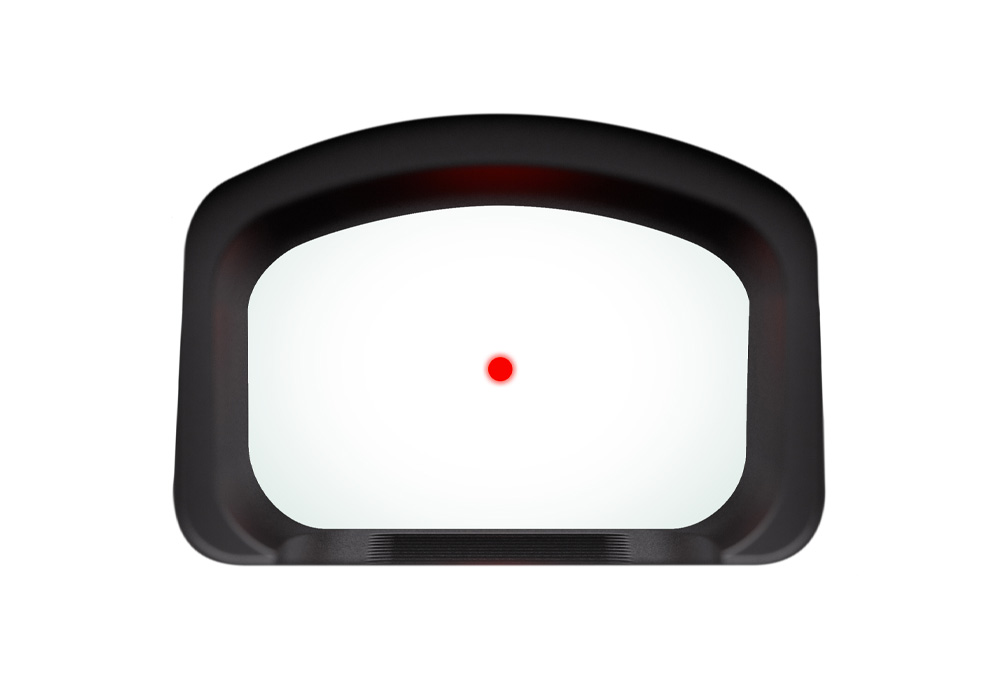
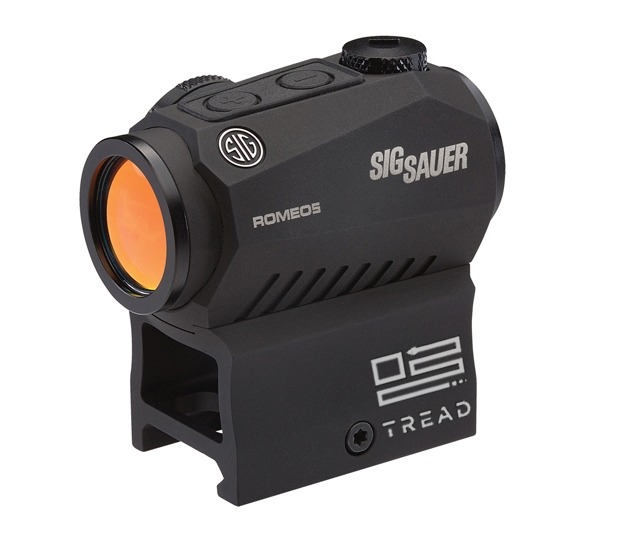
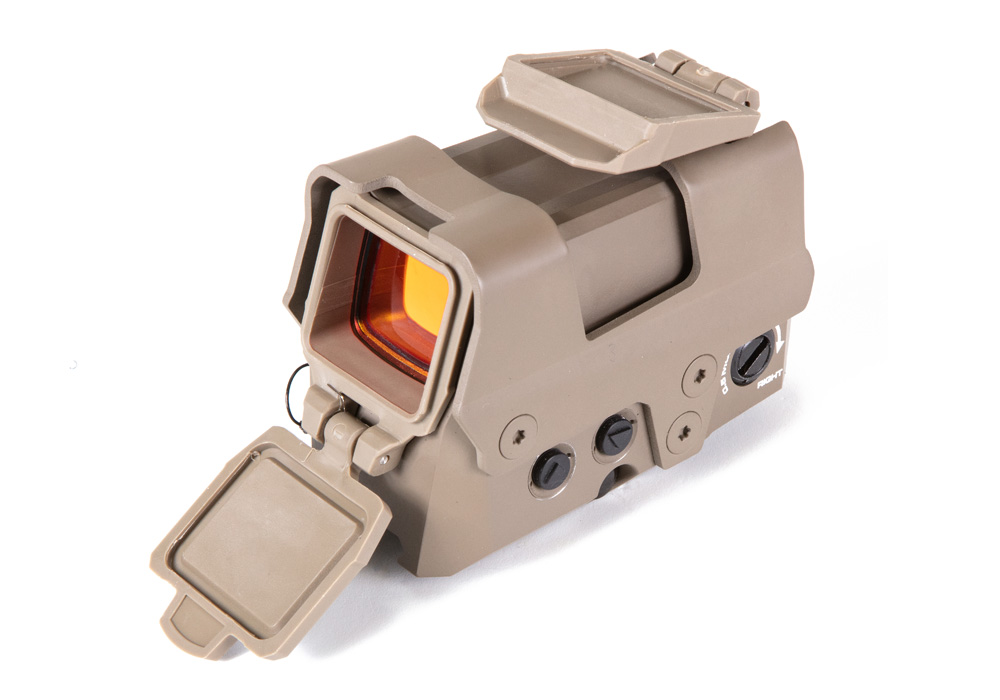
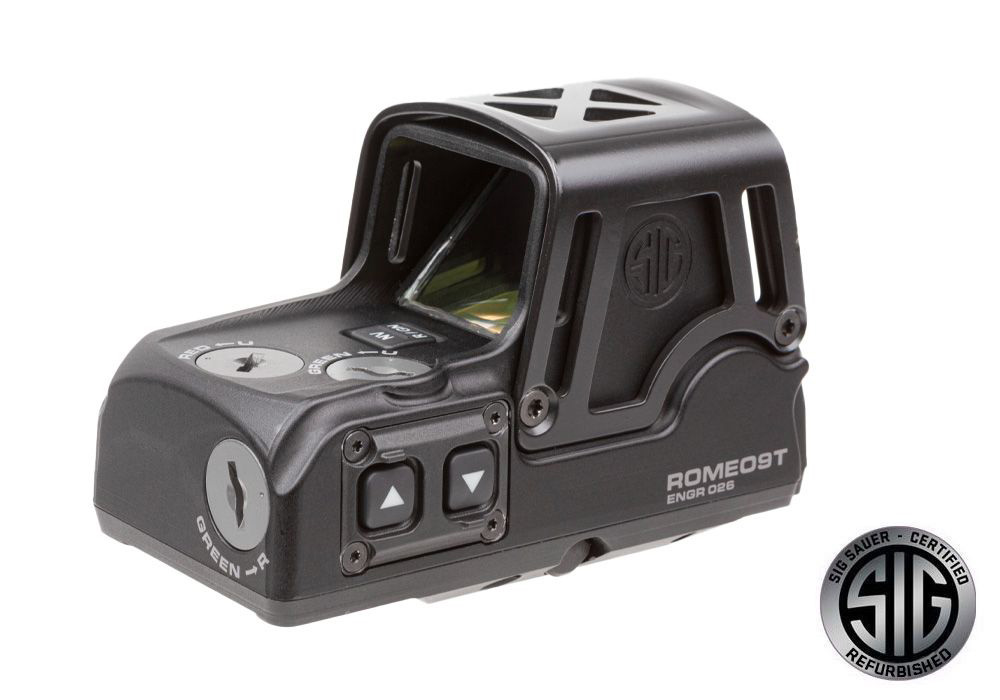
Red dot sights for 300 Blackout rifles offer a fast, uncluttered aiming solution for shooters who value a broad field of view and confident target acquisition at close to moderate distances. A 1x red dot keeps both eyes open, helping you maintain awareness of the surrounding area while placing the aiming point on target without the visual complexity of traditional magnified optics. This makes a red dot a practical choice for a compact .300 Blackout carbine used at the range, for training, for property use where lawful, or for recreational shooting in varied conditions. The cartridge’s versatility is one of its defining features: supersonic loads can provide a flatter trajectory and more reach, while subsonic loads are often selected for reduced report when used with the appropriate equipment and in compliance with all applicable laws. Because these loads can follow noticeably different trajectories, ammunition selection should be part of the optic decision. A straightforward single-dot reticle can work well when a shooter uses one consistent load and confirms a reliable zero. Shooters who regularly switch between supersonic and subsonic ammunition may prefer a sight with a reticle designed to provide separate aiming references or ballistic holdover points. Those references are not universal substitutes for a confirmed zero, since trajectory changes with bullet weight, velocity, barrel length, temperature, and other conditions, but they can provide a useful starting point for understanding point of aim and point of impact. A crisp 2 MOA-style dot is common for balancing precision with speed, while a larger dot, ring, or combination reticle may be easier to see during rapid transitions or in changing light. Shooters comparing this category with other rifle optics can also browse Black Red Dot Sights for Rifles for additional configurations and mounting options.
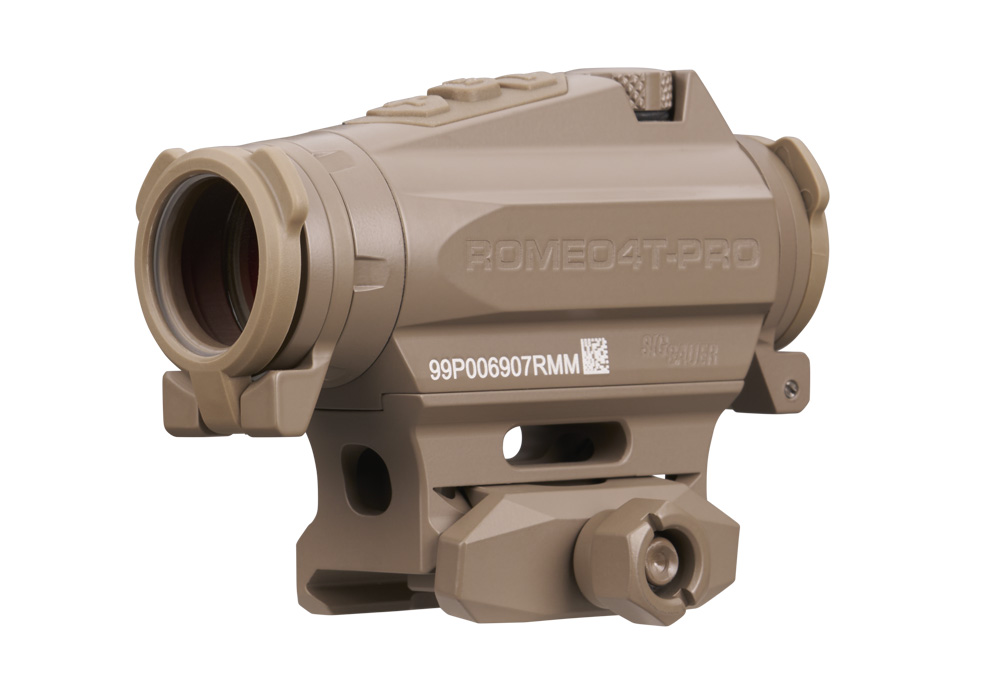
When choosing a red dot sight for a 300 Blackout setup, start with the way the rifle will actually be used rather than selecting features in isolation. A compact rifle intended for close-range practice may benefit from a lightweight optic with a generous viewing window, simple controls, and a bright, clearly defined dot. A general-purpose rifle may call for a more rugged housing, adjustable brightness, night-vision-compatible settings, or a reticle that remains useful across indoor and outdoor lighting. If the rifle is stored for extended periods and needs to be ready for a training session or lawful defensive application, motion-activated illumination or an automatic wake feature can reduce the chance of finding a dormant optic when it is needed. Battery life is equally important, but published estimates should be viewed in context because runtime depends on brightness, reticle design, temperature, and storage habits. Some sights offer exceptionally long battery life at moderate settings, while others include an automatic shutoff, backup solar charging, or an easily accessible battery compartment. Window size also deserves attention. A larger window can make it easier to locate the dot during an imperfect presentation, especially for newer shooters, while a smaller enclosed design may offer a more protected profile and a compact footprint. Check the optic’s mounting standard and the height of the rifle’s existing rail or backup sights before purchase. A mount that places the dot at a familiar height can support a consistent cheek weld, and a co-witness arrangement may allow iron sights to remain available as a secondary aiming system. Durability matters on any rifle optic, particularly when the firearm travels in a case, rides in a vehicle, or sees repeated recoil and handling. Look for construction and sealing appropriate to the environment, and confirm that the sight’s controls can be operated with the gloves, lighting, and shooting position you commonly use.
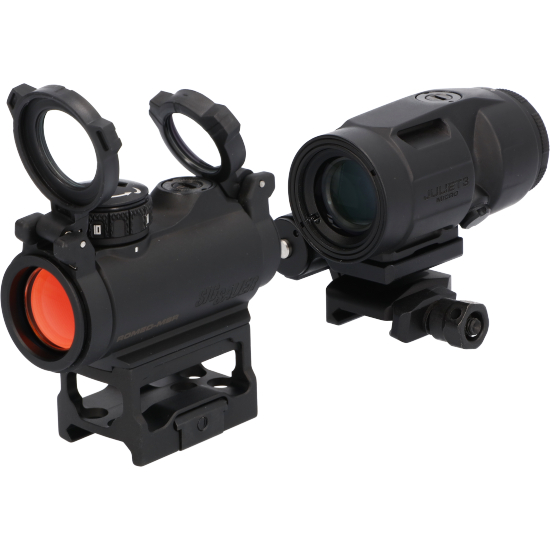
A red dot sight can be a thoughtful gift for a new rifle owner, a recreational shooter building a .300 Blackout platform, or an experienced enthusiast refining a compact setup, provided the recipient’s rifle, mount, and preferred ammunition are considered first. The most useful gift is not always the sight with the longest feature list; it is the optic that matches the person’s eyes, shooting distances, mounting height, and habits. After installation, spend time confirming the mount is secure, setting the dot to a comfortable brightness, and establishing a zero with the exact ammunition intended for regular use. A 50-yard zero is a common starting point for a 1x optic on a .300 Blackout rifle, but the appropriate zero depends on the rifle, load, and expected distance. Confirming impacts at additional distances can reveal how supersonic and subsonic loads differ and can help the shooter record practical holdovers. Keep ammunition types clearly identified, especially when moving between loads with different bullet weights or intended uses. A flip-to-side magnifier can add flexibility for shooters who occasionally want more detail at distance, though it increases weight, length, and visual complexity compared with a standalone red dot. For many close-range applications, the simplicity of a bright dot remains the central advantage. During warmer outdoor sessions, glare and bright surroundings may call for a higher illumination setting, while cooler months can make gloves, reduced daylight, and battery storage more noticeable considerations. Store the rifle and optic according to the manufacturer’s recommendations, inspect the lens and mount periodically, and replace batteries on a planned schedule rather than waiting for a low-power warning. With a confirmed zero, a suitable reticle, dependable illumination, and a mount matched to the rifle, red dot sights for 300 Blackout can provide a clear, responsive aiming reference for practice and responsible use.