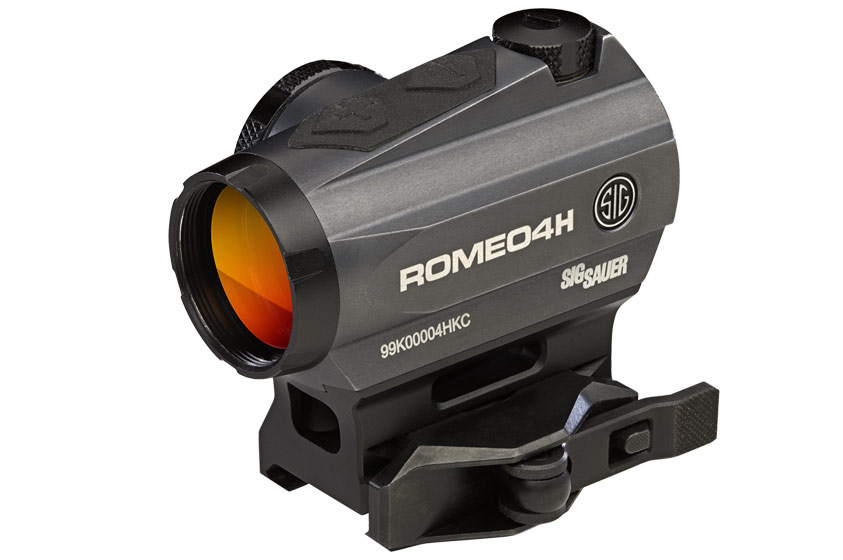
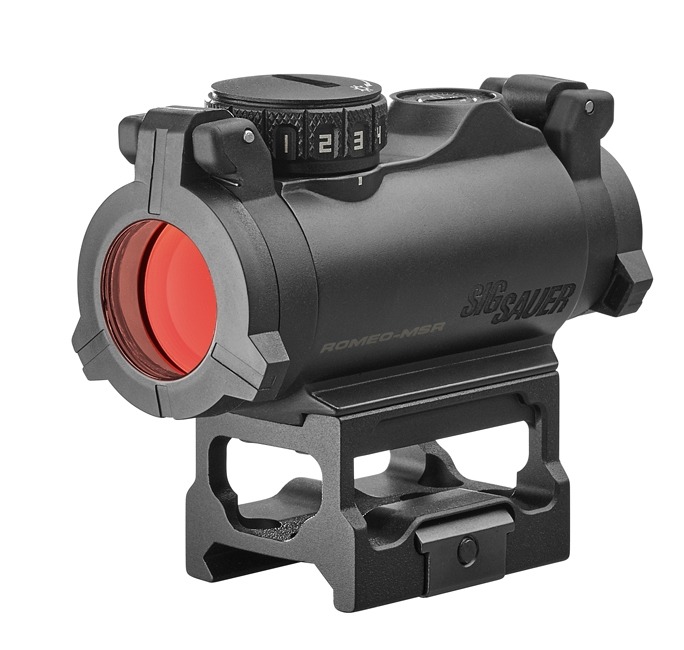
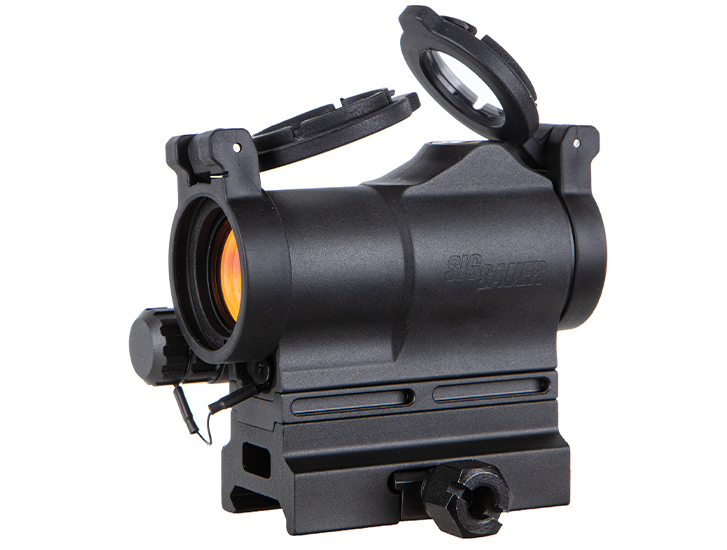
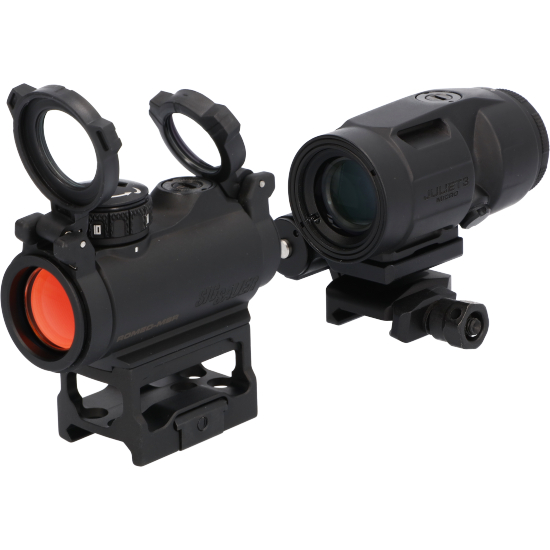
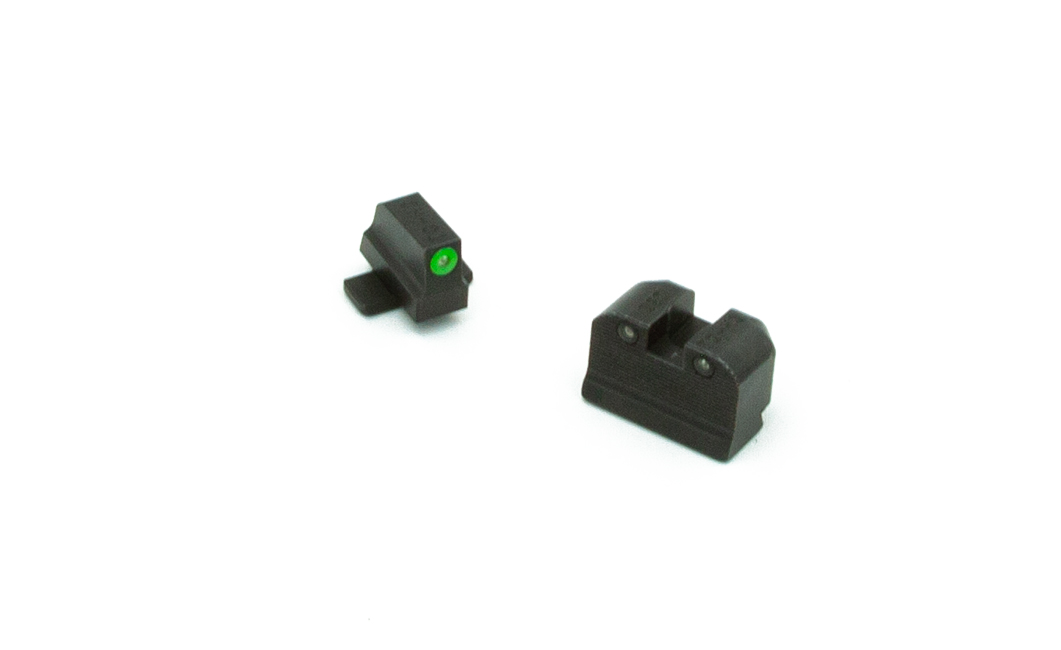
Red dot sights for optic-ready pistols are compact, typically unmagnified optics designed to mount on a compatible pistol slide and display an illuminated aiming point through a viewing window. The main considerations are mounting footprint, pistol size, intended use, reticle preference, and the overall fit of the optic and handgun. An optic-ready slide provides a mounting interface, but that does not mean every pistol red dot will fit it. The footprint describes the arrangement of mounting holes, locating features, and contact surfaces beneath the sight. Compatibility depends on the pistol’s slide cut and whether the installation requires a dedicated adapter plate. Two sights with similar dimensions may use different footprints, so exterior size alone is not a reliable indicator of fit. Manufacturer compatibility information for both the pistol and optic is more useful than a broad description such as compact or full-size. Compact pistol optics generally emphasize a smaller housing and reduced width, while larger designs may provide a broader viewing window and more room for controls. Neither format is automatically the better choice; the right proportions depend on the handgun and its intended role. A narrow slide, for example, may pair more neatly with a slim optic than with a housing that extends noticeably beyond its sides. Mounting height also matters because the slide cut, adapter plate, and optic base collectively determine how high the viewing window sits. That height can affect whether compatible iron sights remain visible through the window. Screw specifications, plate requirements, and installation procedures should follow the relevant manufacturers’ instructions rather than assumptions based on appearance. For a pistol carried in a holster, compatibility extends beyond the slide: the holster needs suitable clearance around the optic, with its retention features functioning as intended. Range use, organized competition, lawful personal protection, and professional service each place different demands on dimensions, controls, and durability. A well-matched optic fits the entire setup, not just the mounting holes, and keeps routine handling and maintenance straightforward.
Reticle design and optical clarity shape the everyday experience of a pistol red dot. A single dot offers a simple visual reference, while circle-dot patterns add an outer ring around a central point. For a closer look at that reticle category, Circle Dot Reflex Sights for Pistols provide additional context for shoppers comparing viewing preferences. Reticle dimensions are commonly expressed in minutes of angle, or MOA, which describe angular size rather than the physical size of the illuminated element. A smaller dot occupies less of the viewed scene, while a larger dot may be easier for some eyes to distinguish. The clearest choice is personal: vision, corrective lenses, and conditions such as astigmatism can change how an illuminated reticle appears. A dot that looks round to one person may appear streaked or irregular to another, so an individual view through an optic is more informative than a reticle illustration alone. Brightness adjustment is another important distinction. Manual controls allow the user to select illumination, while automatic systems respond to surrounding light; some designs combine both approaches. Excessive brightness can make a reticle appear larger or less sharply defined, so a long list of settings matters less than a useful adjustment range and accessible controls. Window dimensions, housing thickness, lens coatings, and tint also influence the view. A broad window and a thin frame are separate characteristics, and neither guarantees better clarity. Look for a viewing experience that feels comfortable without expecting every lens to appear completely colorless. Battery arrangements deserve equal attention. Top or side battery access may permit replacement without removing the sight from its mount, depending on the design. Published battery-life estimates depend on stated settings and operating conditions, rather than representing a fixed maintenance interval for every user. Motion activation, automatic shutoff, and low-battery indicators can support convenient ownership, but their behavior should be understood before they become part of a routine. Controls should remain practical to operate without being easy to change unintentionally during ordinary handling.
Materials, construction, and care help distinguish an optic suited to frequent handling from one selected mainly for occasional range visits. Aluminum housings are common, with surface treatments that help resist wear and corrosion; polymer and steel components may also appear in different designs. Material names alone do not establish durability. Housing geometry, lens protection, mounting integrity, sealing, and the quality of moving controls all contribute to how a sight holds up. An enclosed-emitter design surrounds the light source within a protective housing, while an open-emitter design leaves a more exposed path between the emitter and the viewing lens. Enclosed construction can help limit debris reaching that path, although every optic still needs inspection and appropriate cleaning. For a pistol that spends time in a holster, lint around the lens and housing is a realistic maintenance concern. For a range-focused setup, fingerprints and residue may be more noticeable after repeated handling. Follow the optic manufacturer’s cleaning directions, remove loose particles before wiping, and use lens-safe materials rather than an abrasive cloth or an unapproved solvent. Follow firearm safety instructions and confirm that the pistol is unloaded before inspecting its mounting area or cleaning around the sight. Sealing and resistance ratings should be read according to their stated test conditions; they are not a reason to ignore maintenance or assume unlimited protection. Periodic checks of the mount, battery condition, and lens clarity support consistent function without requiring an elaborate routine. A frequent range visitor may value straightforward battery access and easy-to-read controls, while a competition participant may place greater emphasis on window dimensions and compatibility with the rest of the setup. Someone choosing an optic as a gift should confirm the recipient’s exact pistol configuration and preferences first, since a familiar handgun name does not necessarily identify its slide cut or required plate. Across these uses, the most useful features are the ones that work together: a compatible footprint, sensible dimensions, a clear reticle, dependable construction, and maintenance requirements that fit the owner’s habits. Those details give red dot sights for optic-ready pistols their practical value beyond a specification sheet.