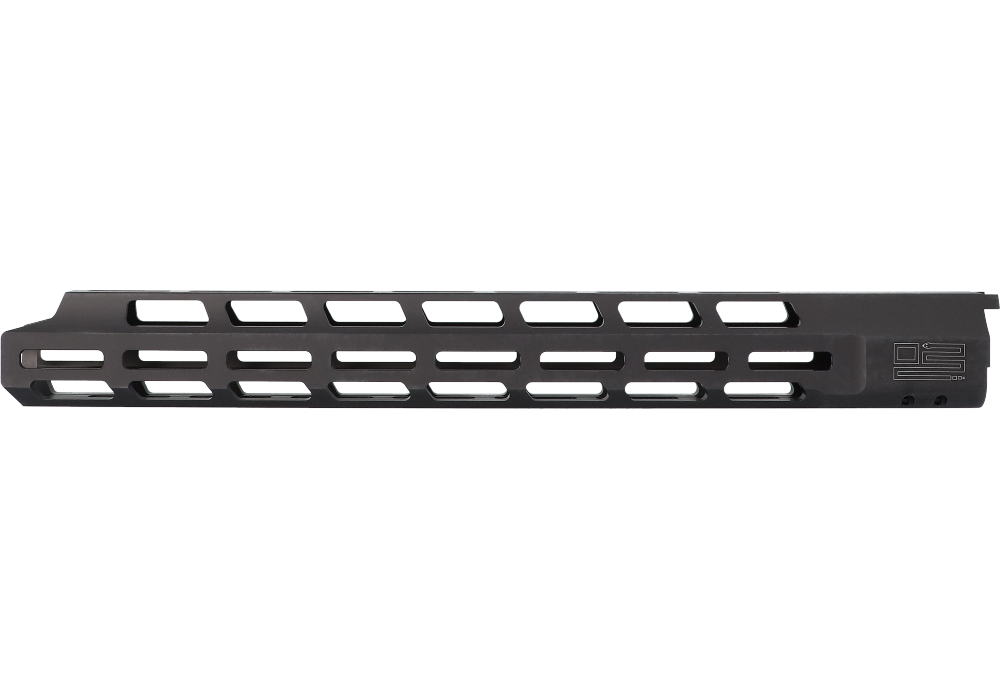
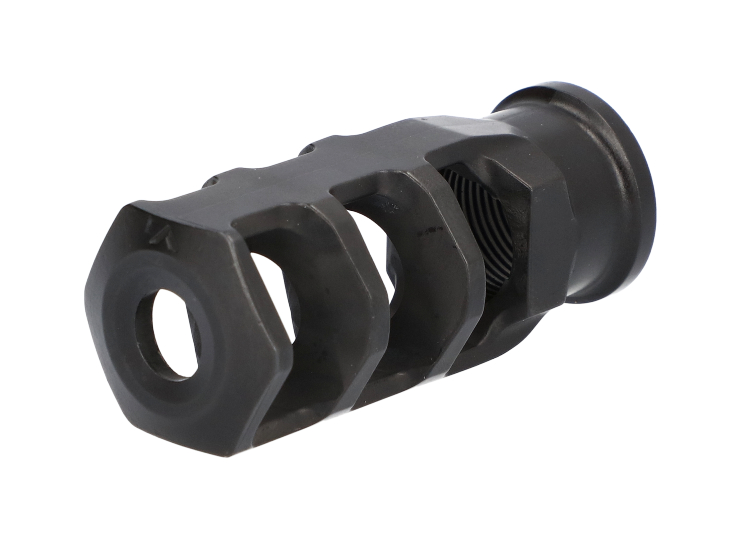
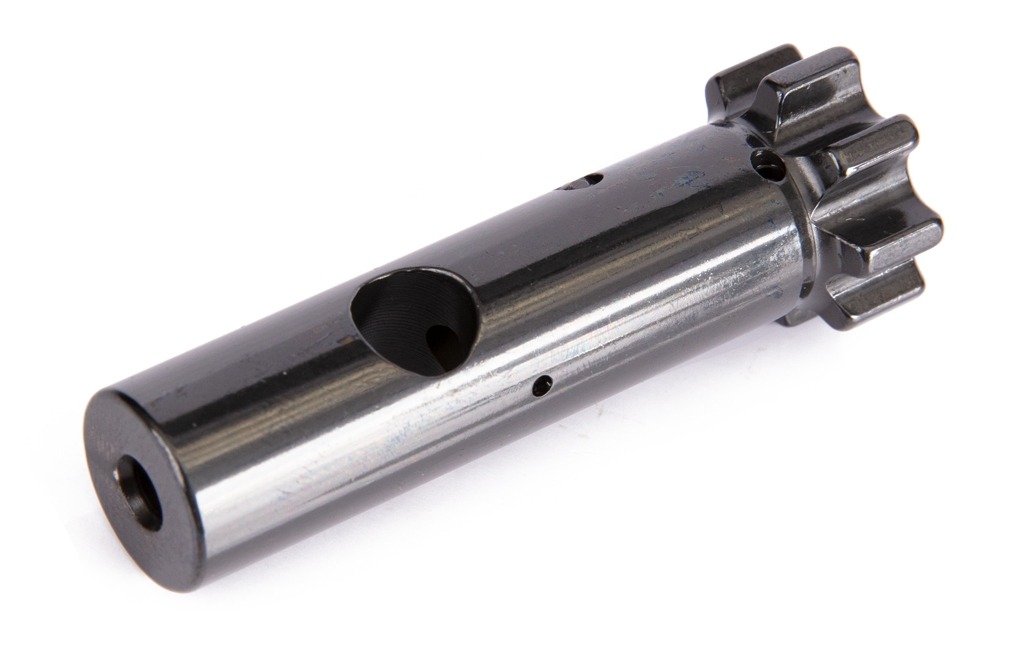
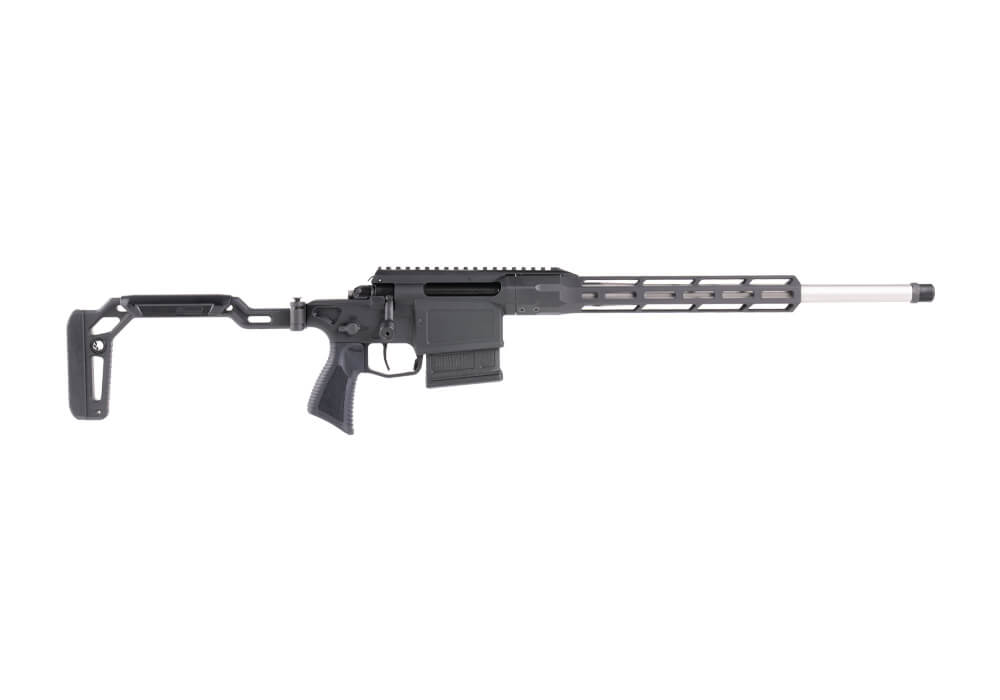
Reliable rifle parts for fall hunting combine model-specific fit, durable materials, and suitability for the conditions a hunting rifle encounters in the field. Stocks, fore-end components, optics mounts, and factory replacement parts serve different purposes, but each belongs within a system whose components must work together as intended. A rifle carried along a rain-soaked timber trail faces different handling demands from one resting beside a sheltered hunting blind. Moisture, grit, repeated transport, and contact with brush all put materials and finishes to the test. Steel offers strength and wear resistance where the design calls for it, while aluminum can provide a lighter option for certain mounting and exterior components. Protective finishes help limit surface wear and corrosion, although no finish eliminates the need for appropriate care. Synthetic stocks generally resist moisture absorption, making them a practical consideration for wet leaves, damp ground, and extended time outdoors. Laminated wood can offer dimensional stability with a more traditional appearance, while solid wood requires attention to moisture exposure and finish condition. Construction quality matters as much as the material name: clean edges, consistent surfaces, and dimensions appropriate to the rifle contribute to a well-fitting component. Optics mounts also deserve attention because they connect the sighting equipment to the rifle. Their suitability depends on the rifle’s mounting interface, the optic’s specifications, and the manufacturer’s requirements—not simply on whether two pieces appear to fit. For a hunter walking uneven ground or transporting equipment over rough roads, a correctly matched mounting system is more relevant than an oversized or elaborate design. Dependability comes from appropriate components, verified compatibility, and sound condition rather than the number of changes to a rifle. Fall hunting parts are best understood as equipment selected for a particular firearm and a particular kind of field use, with appearance taking a secondary role to fit, durability, and safe function. That distinction matters when equipment spends hours exposed to drizzle, rests against a rough tree trunk, or travels in a case between home and hunting ground.
Compatibility is the foundation of any rifle-part selection. Rifles with similar profiles can differ in action design, production generation, mounting dimensions, and other specifications, so a broad description such as “hunting rifle” is not enough to establish a match. Manufacturer documentation should identify the intended application, and components that affect firing, locking, or other safety-critical functions require evaluation by a qualified gunsmith. Factory replacement parts may offer a clearly documented starting point, but the word “factory” alone does not establish suitability for every rifle within a family. Bolt assemblies, trigger-related components, springs, and other internal parts are not interchangeable simply because their appearance is similar. Exterior components have their own fit considerations. A stock’s shape influences how comfortably a rifle rests against the shoulder, while fore-end dimensions affect how it feels when carried or supported. A textured surface can feel different against bare hands than against insulated gloves, and bulky hunting layers can change the relationship between the shooter and the stock. These are practical comfort considerations, not reasons to alter safety features or accept uncertain fit. A hunter who covers several miles on foot may value manageable weight and a surface that is easy to maintain after a muddy walk. Someone who spends long stretches in a blind may place greater emphasis on comfortable contact points and how the rifle rests with existing equipment. Neither use calls for the same choices in every case. Parts intended for ordinary hunting use should also be distinguished from components developed around specialized competition requirements; a feature that suits one setting may offer little benefit in another. For an experienced hunter receiving rifle-related equipment as a gift, accurate firearm information matters more than a guess based on a familiar-looking part. A confirmed specification or professional consultation can keep a thoughtful gift from becoming an unsuitable component. The most useful selections respect the recipient’s established equipment, hunting habits, and preferences without assuming that a different part is automatically a better one.
Long-term durability depends on both construction and care. Rain, condensation, and fine debris can reach surfaces that look protected during a quick glance, especially after a rifle moves between outdoor conditions and indoor storage. Care consistent with the firearm and component manufacturers’ instructions helps preserve protective finishes and makes changes in condition easier to recognize. Wood, polymer, coated metal, and exposed metal do not necessarily respond well to the same cleaning products, so material compatibility matters beyond the initial purchase. Abrasive treatment can damage a finish, and an unsuitable solvent may affect certain surfaces. Safe handling procedures should precede any inspection or maintenance, with unfamiliar work left to a qualified professional. Visible corrosion, cracks, damaged hardware, or a change in normal function warrants attention rather than an assumption that the rifle is ready for another trip. Parts that look rugged can still suffer wear, and cosmetic appearance alone cannot confirm the condition of an internal component. For shoppers researching a model-specific internal component, Factory Rifle Bolt Assemblies for Hunting Season provides related context for that category, with firearm-specific documentation and professional assessment remaining essential to compatibility. Storage and transport also influence the condition of hunting equipment. A protective case helps shield a rifle from routine contact, but moisture retained inside a case can undermine otherwise careful upkeep. Manufacturer-approved care, appropriate drying, and secure storage support the service life of the rifle and its parts between outings. Useful product information therefore extends beyond a material or finish name to include intended application, care requirements, and clearly stated fit. A dependable fall hunting setup does not need unnecessary complexity. It needs components appropriate to the firearm, materials suited to field exposure, and a maintenance routine that reflects how the equipment is actually used. Whether the setting is a damp woodland trail, an open ridge, or a sheltered blind, those fundamentals give hunters a sound basis for evaluating rifle parts without confusing cosmetic appeal with proven suitability.