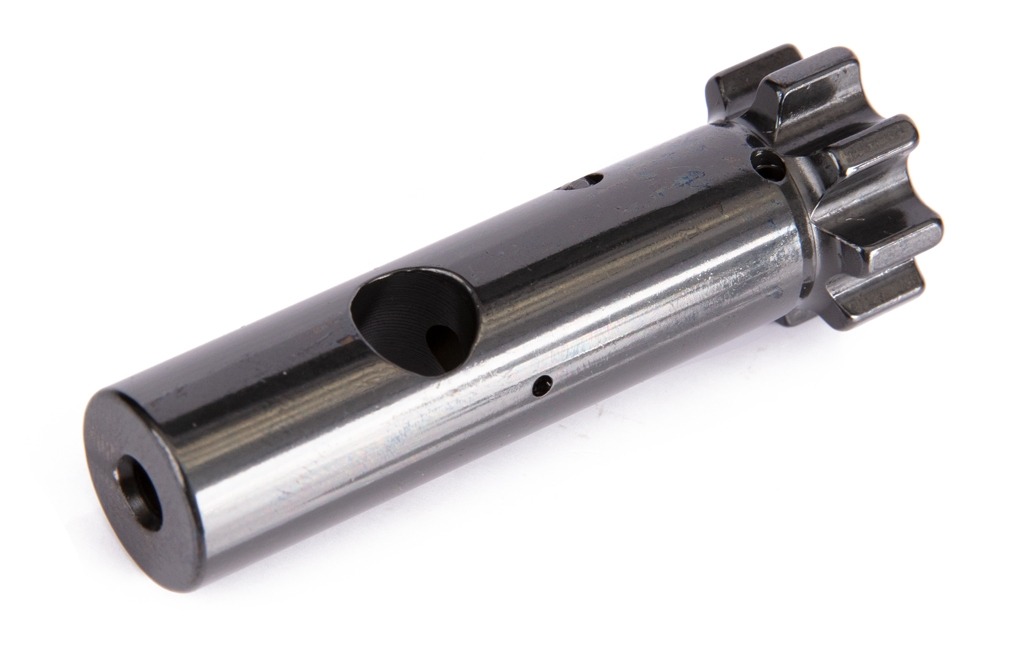
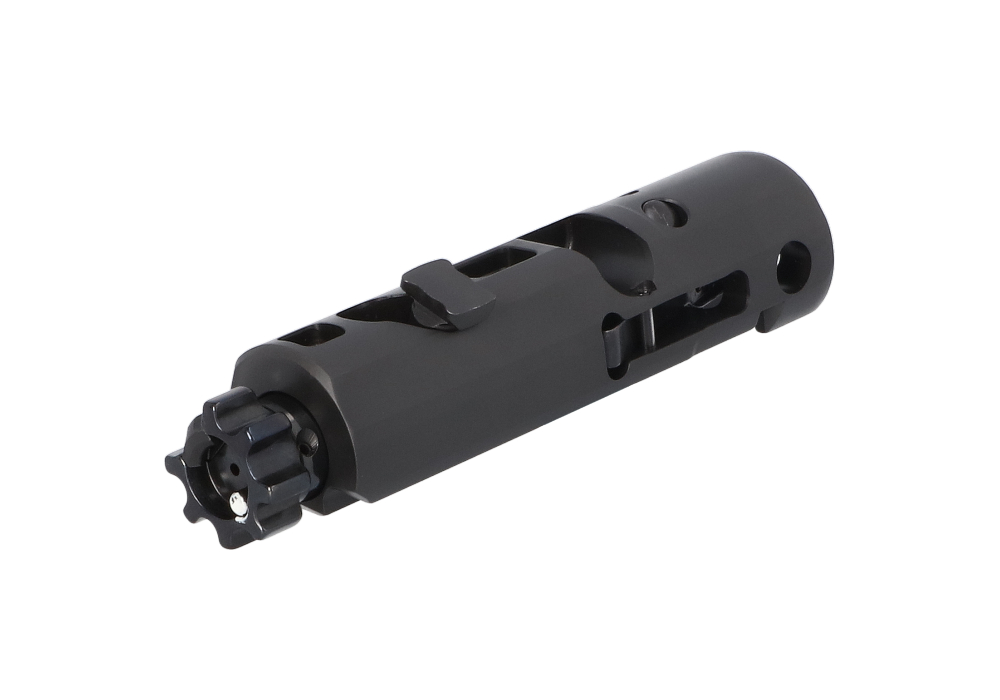
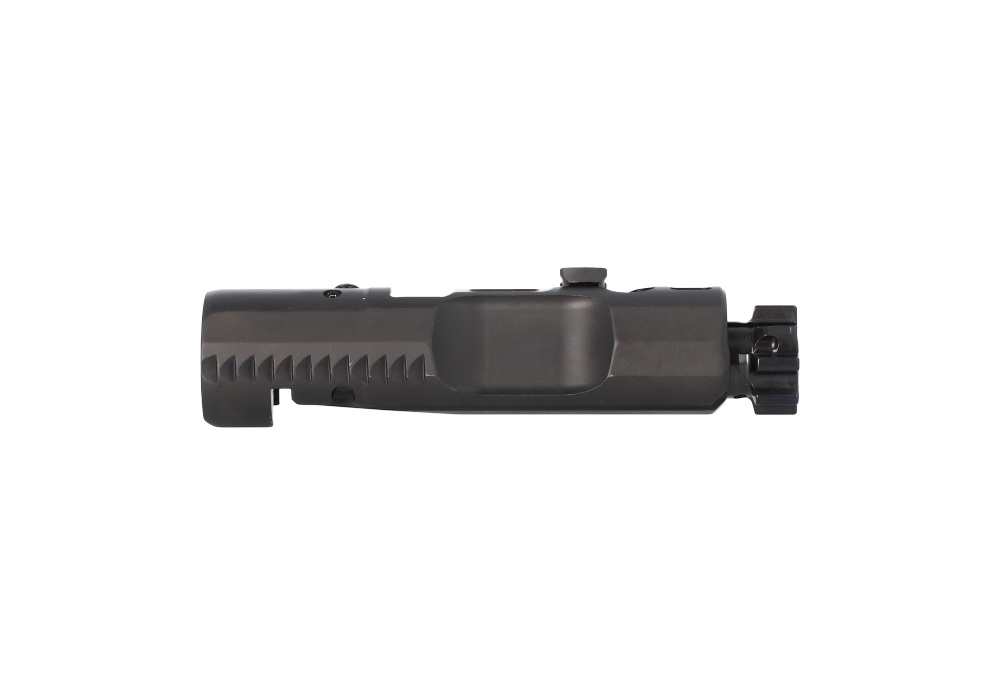
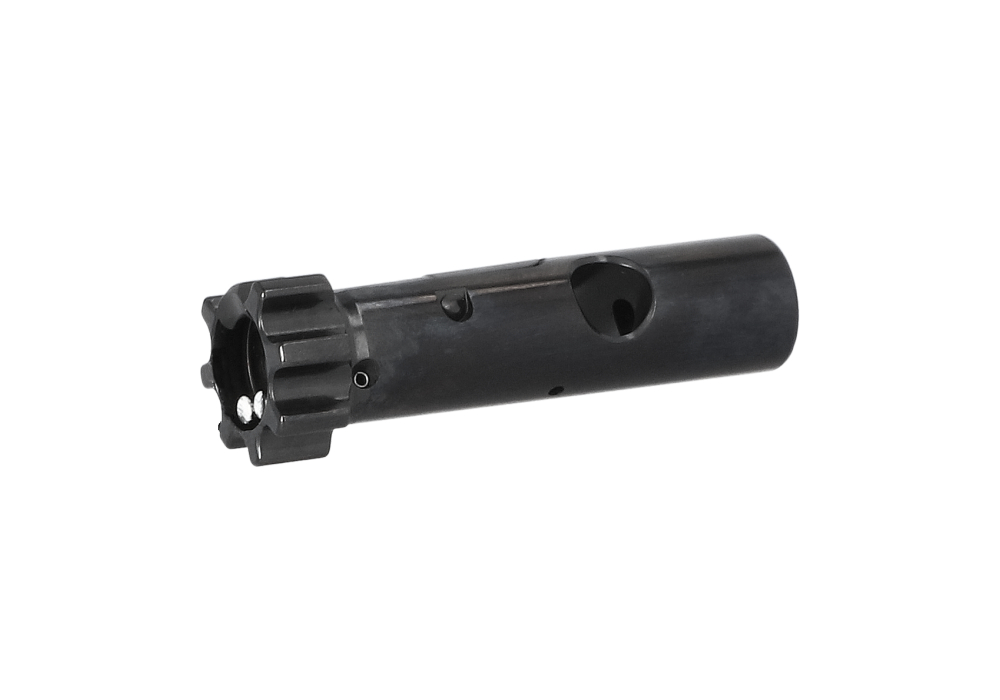
Factory rifle bolt assemblies are the working heart of a bolt-action hunting rifle, bringing together the bolt body, locking lugs, firing pin, mainspring, extractor, ejector, shroud, and related components that support consistent cycling and ignition. A factory assembly is designed for a particular rifle family and is generally produced to the manufacturer’s specifications, making compatibility the first and most important consideration when selecting a replacement or spare. Before ordering, confirm the exact model, action length, chambering, bolt-face dimensions, generation, and any left- or right-hand configuration required by the rifle. Small differences between otherwise similar actions can affect fit, lockup, firing pin alignment, extractor engagement, and safe operation. Factory rifle bolt assemblies for hunting season may be selected as a replacement for a worn, damaged, or misplaced assembly, or kept as a carefully stored spare for a rifle that sees regular use in the field. They can also be a thoughtful gift for an experienced hunter who maintains equipment with the same care given to a favorite pair of boots or a well-used pack. For a newer shooter, however, fitment should be verified with the rifle manufacturer, a qualified gunsmith, or another knowledgeable professional before purchase. A bolt assembly is not a universal accessory, and the correct part should never be forced into an action or modified without appropriate expertise.
A properly matched factory rifle bolt assembly supports the dependable, familiar operation that hunters expect when moving through thick timber, open fields, or steep country during the cooler months. The bolt should lift, draw rearward, and return to battery with a smooth, positive feel, while the locking lugs should seat fully and evenly when the handle is closed. Depending on the rifle design, the extractor may use a claw, hook, or other mechanical interface to maintain a firm grip on the cartridge rim, while the ejector helps clear the fired case as the bolt is cycled. The firing pin and mainspring must move freely and strike with the intended force, and the bolt shroud and safety mechanism should function exactly as described in the rifle’s manual. Factory specifications are especially important because headspace and ignition-related dimensions are not matters to estimate by eye. After installation, have the rifle inspected by a qualified gunsmith if there is any uncertainty about fit, headspace, firing pin protrusion, or safe function. A careful inspection is worthwhile before a rifle is carried into the field, particularly after storage, hard travel, or exposure to rain, dust, snow, or temperature changes. Hunters who are comparing complete rifles as well as replacement parts can also explore Modern Hunting Bolt Action Rifles to review the broader platform options that pair with a dependable bolt-action setup.
Routine care helps preserve the performance of a factory rifle bolt assembly through a full hunting season and beyond. Always unload the rifle completely, remove all ammunition from the work area, and follow the manufacturer’s instructions before removing or servicing the bolt. Wipe the bolt body clean of dust, carbon, old lubricant, and moisture, paying close attention to the locking lugs, raceways, extractor, ejector, and the area around the firing pin. In cold weather, heavy or excessive grease can stiffen and contribute to sluggish cycling, so use only the lubricant and amount recommended for the rifle. A very light coat of appropriate gun grease on the locking lugs can help protect contact surfaces, while a clean, lightly lubricated bolt body may move more consistently than one covered in residue. Inspect the firing pin tip and its channel for dried lubricant or debris, and confirm that the firing pin moves as intended without attempting unsafe disassembly or adjustment. Check the extractor for chips, cracks, or loss of tension, and look for unusual marks on the lugs that could indicate uneven contact. The shroud and safety should be tested with the rifle unloaded, confirming that the safety operates securely and that the trigger and firing system behave as specified by the manufacturer. If the bolt feels rough, fails to lock completely, shows visible damage, or does not extract and eject correctly, stop using the rifle until it has been evaluated by a qualified professional. With the right model, careful inspection, and sensible maintenance, a factory rifle bolt assembly can provide a reliable foundation for range preparation, sight-in work, and responsible hunting in changing field conditions.