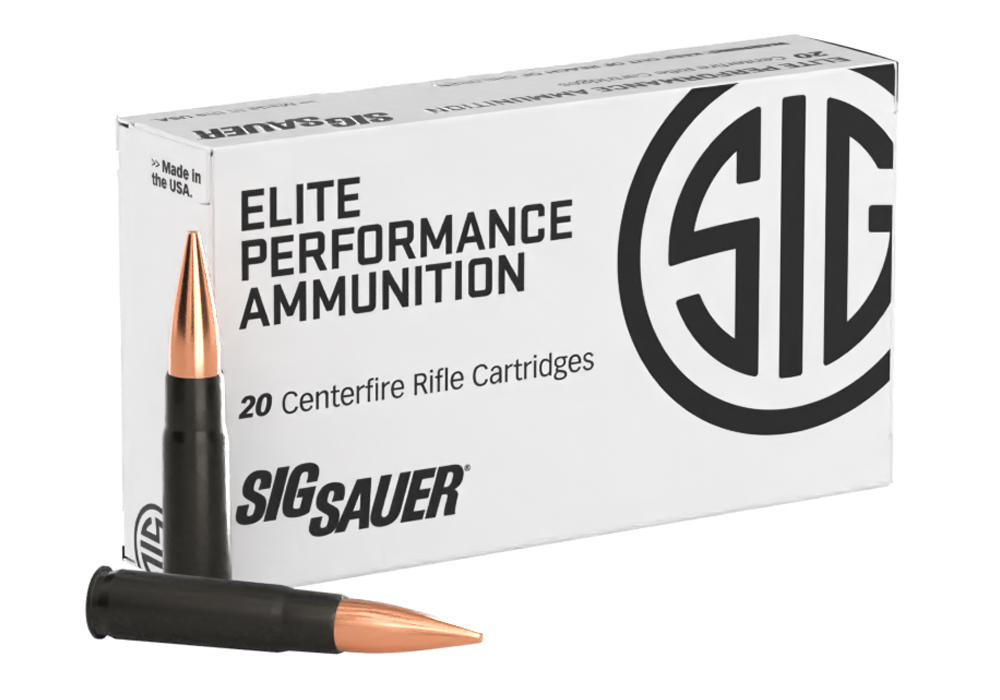
Reloadable hunting ammo is loaded ammunition with cartridge cases suitable for reuse after firing, provided those cases remain in serviceable condition and meet the requirements for safe reloading. For hunters, that means the cartridge has two distinct roles: delivering appropriate performance in the field and providing a potentially reusable case afterward. The term describes the case’s suitability for reuse, not a separate type of hunting bullet or a guarantee that every fired case can be used again. Brass is a common choice because it combines strength, corrosion resistance, and the ability to expand under firing pressure and then release from the chamber. Many reloadable centerfire cartridges use Boxer primers, a design commonly supported by consumer reloading equipment, although brass construction alone does not establish that a cartridge is suitable for reloading. Manufacturer specifications are the best starting point for confirming case material and primer type. The original ammunition still needs to suit the firearm, the intended game, and the conditions of the shot. A hunter preparing for a deer hunt, for example, needs to consider more than whether the empty cases can be saved; reliable function, repeatable accuracy, and a bullet intended for that application remain central to the selection. Reloadable hunting ammunition appeals to experienced handloaders, hunters who keep careful records of their range sessions, and those interested in retaining suitable brass for future use. It can also suit someone who prefers factory-loaded ammunition for hunting but wants to preserve the option of working with a qualified reloading professional later. That flexibility should not be confused with unlimited case life. Each firing places stress on the case, and its condition matters more than its appearance or the number of times someone expects it to last. Viewed this way, reusable brass is a useful material characteristic within a complete hunting cartridge, rather than a substitute for evaluating the ammunition’s overall suitability.
Choosing hunting ammunition starts with an exact match between the cartridge designation and the firearm’s chambering, confirmed through the firearm manufacturer’s markings and documentation. Similar names or similar-looking cartridges are not evidence of compatibility. Beyond that essential fit, bullet construction helps determine the ammunition’s intended use. Conventional jacketed hunting bullets, bonded designs, and solid-copper designs can behave differently on impact, and the appropriate choice depends on the game animal, expected distance, and the manufacturer’s stated performance characteristics. A polymer tip may support a streamlined shape and help initiate expansion in certain designs, but its presence alone does not establish how a bullet will perform. Likewise, bullet weight is only one part of the picture; construction, velocity, and the firearm’s ability to shoot that load consistently all matter. Hunting bullets are generally selected for a suitable balance of expansion and penetration, while ammunition intended primarily for target practice may have a different purpose. Hunters should also account for applicable ammunition restrictions, including rules concerning lead projectiles where relevant. At the range, a useful comparison is how reliably an appropriate factory load functions and how consistently it groups in the actual hunting firearm. A load that performs well in another rifle is not automatically the best match for a different barrel or chamber. Recoil and the ability to maintain sound shooting technique deserve attention alongside published ballistic figures. For a hunter taking a carefully supported shot across an open clearing, confidence comes from verified performance and familiarity with the firearm, not simply an impressive specification. Reloadable cases add another consideration, but they do not change those priorities. Nor does retaining the original brass mean that a future handload will reproduce the factory ammunition’s performance. Factory-loaded cartridges and later handloads must be treated as separate ammunition, with their own suitability and performance established independently. The practical goal is a dependable match among the firearm, ammunition, and intended hunt, with reusable cases as an additional benefit.
Care and organization help preserve both loaded hunting ammunition and potentially reusable cases. Loaded cartridges belong in secure, dry storage, protected from moisture, contamination, and unnecessary handling, with their original identification intact. Factory packaging provides useful information about cartridge designation, bullet weight, and lot identification, and keeping those details with the ammunition reduces confusion. A sturdy ammunition container can protect cartridges during transport, but it should not replace clear labeling or secure storage away from unauthorized access. After a range session, recovered cases should remain separate from loaded ammunition and be identified accurately; a loose collection of similar-looking brass can quickly become difficult to sort with confidence. Brass is durable, but it is not immune to cracks, corrosion, distortion, or other damage. A bright surface does not prove that a case is structurally sound, and unfamiliar cases with an unknown firing history deserve particular caution. There is no universal number of safe reuses that applies to all brass, firearms, and loads. Suitability depends on factors that require knowledgeable evaluation, and questionable cases should not be returned to service. For shoppers considering the broader equipment involved, Reloading Parts provides a related category to explore, while current published manuals and component manufacturers remain essential sources for compatibility and safety information. Reloading requires dedicated equipment, careful attention, and an understanding of the firearm manufacturer’s guidance; purchasing reloadable ammunition does not remove those responsibilities. No single characteristic, whether case material, primer design, or exterior condition, tells the whole story. For the hunter who keeps labeled boxes of fired brass beside a range notebook, the value lies in traceability and a deliberate approach rather than assumptions about reuse. That same attention benefits the original ammunition selection: knowing what the firearm shoots well, understanding the bullet’s intended application, and keeping cartridges protected until needed. Reloadable hunting ammo brings those priorities together in a familiar product format, pairing field-oriented ammunition with cases that may have a useful second life when their condition and the proper expertise support it.