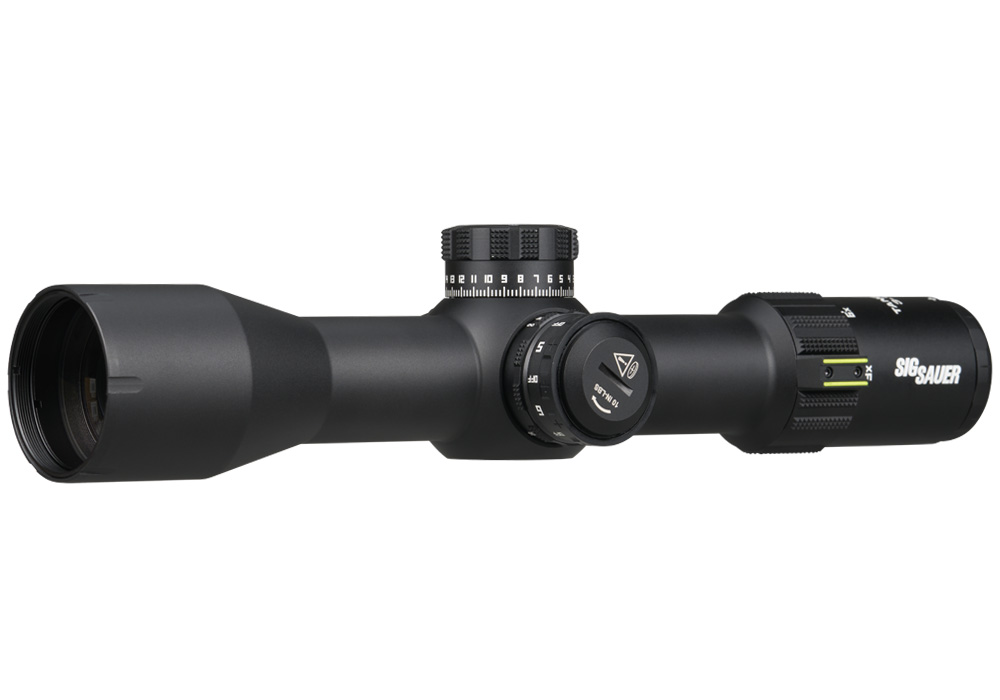
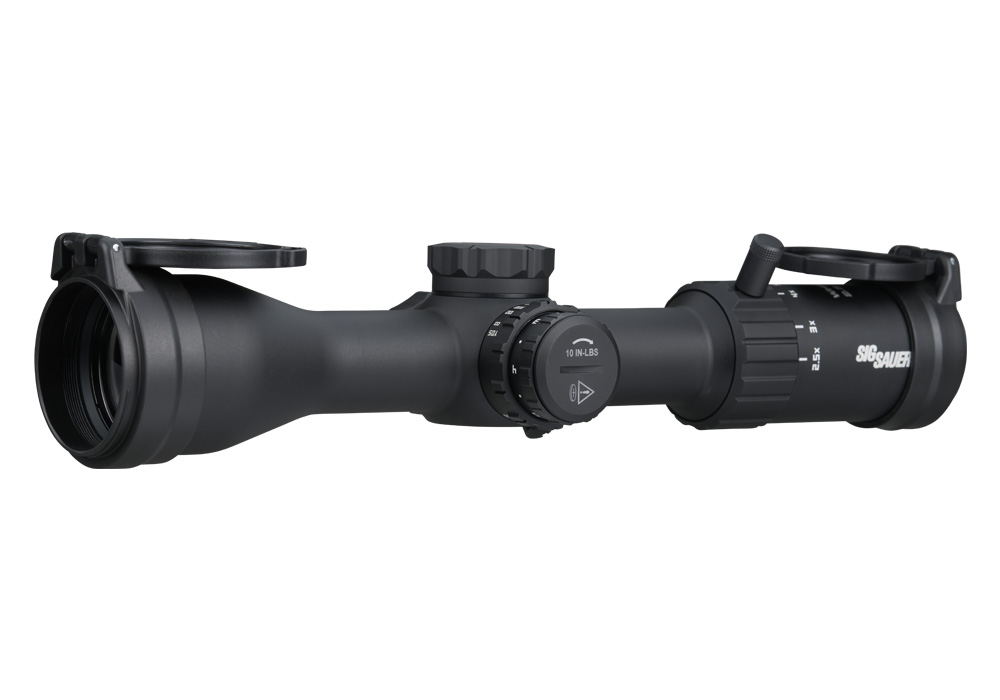
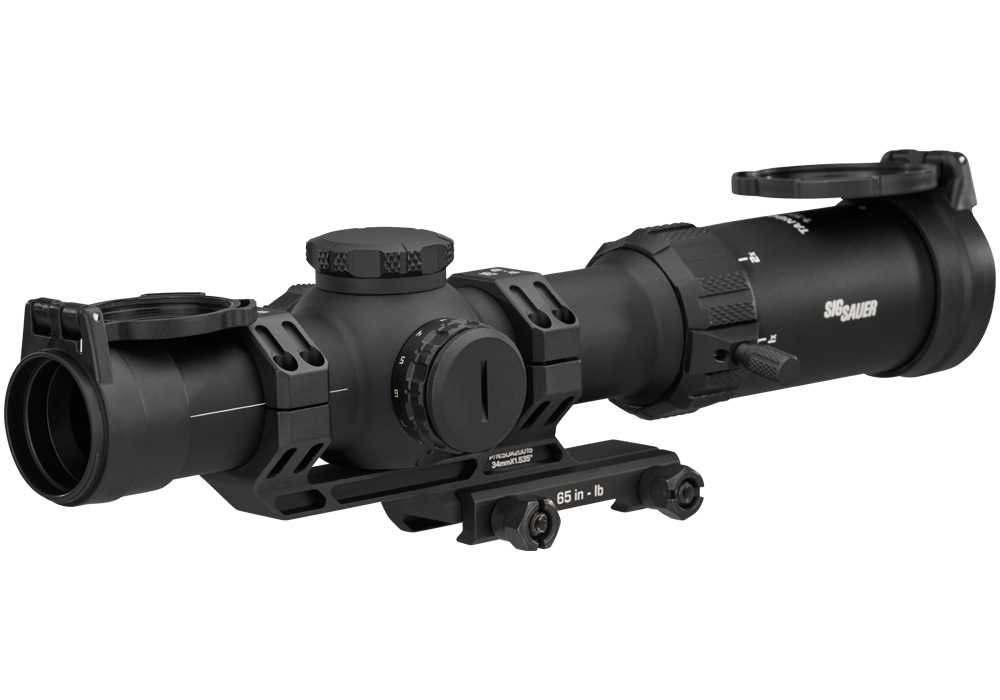
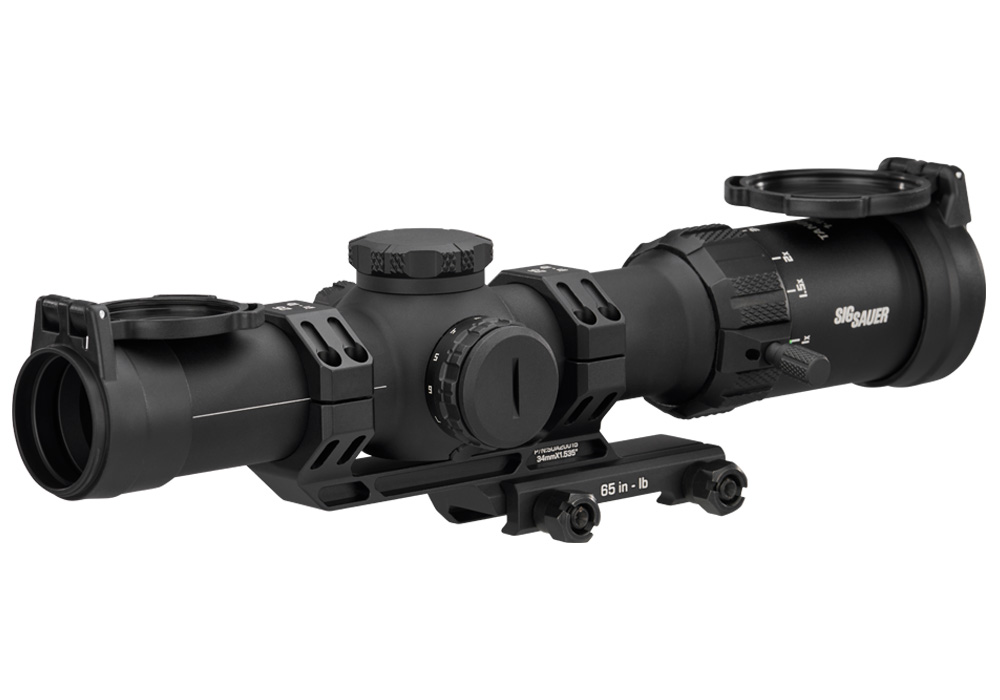
Removable throw lever scopes, more precisely rifle scopes equipped with a removable throw lever on the magnification ring, are valued for making magnification changes faster, smoother, and easier to control. A throw lever adds a broad contact point to the zoom ring, giving the shooter more leverage than the ring alone and creating a consistent place to reach during a positional change. Instead of searching for a narrow, sometimes stiff ring with the fingertips, the shooter can use a short push or pull to move from a wider field of view to a more magnified setting. That simple improvement can be especially useful when a target appears at an unexpected distance, when a rifle must be moved quickly between nearby and distant shooting lanes, or when the shooter is working from a supported position. Removable designs also offer practical flexibility. The lever can be repositioned to suit a preferred hand position, removed for transport, or taken off when a rifle case or storage system leaves limited clearance around the optic. Some users choose a lever for faster magnification transitions during range practice, while others appreciate the added tactile feedback during hunting, competition, training, or general rifle use. A throw lever can be particularly helpful during cooler months, when gloves make small controls harder to manipulate and cold fingers have less dexterity. The additional leverage may also make a zoom ring feel more manageable without requiring excessive pressure or an awkward grip on the optic. When selecting from removable throw lever scopes and compatible accessories, start with the exact scope model and the outside diameter or profile of its magnification ring. Compatibility is not determined by the objective lens size, tube diameter, or overall length of the scope; the lever must fit the zoom ring itself. Clamp-style designs may accommodate a range of ring diameters, while model-specific designs are shaped for particular optics. Checking the manufacturer’s fit information, measuring carefully, and confirming whether inserts, spacers, or a particular ring profile are required can prevent an uncertain fit. Shooters comparing mounting components may also find useful options in Hardware For Scope Mounting when assembling or refining a complete optic setup.
A good removable throw lever should provide a secure grip without interfering with the scope’s operation, turret access, rifle controls, or the shooter’s normal cheek weld and firing position. Before installation, inspect the magnification ring and lever for dirt, oil, or debris, then follow the included instructions for placement and fastening. The lever should sit firmly enough to resist movement during recoil and routine handling, but fasteners should not be overtightened beyond the manufacturer’s guidance. A useful position is often the point that can be reached naturally with the support hand while the rifle remains shouldered, though the best location depends on the rifle, stock, mount height, shooting style, and whether the shooter prefers a forward or rearward grip. Clearance deserves close attention. Cycle the action, check the bolt or charging handle, confirm that the lever does not contact the receiver or rail, and place the rifle into its case to make sure the added control does not press against the optic or force the case closed. A removable lever that is easy to detach can be stored separately during transport and installed before a range session or field use. It can also be removed when a compact setup is preferred, making the accessory useful for shooters who move between different configurations rather than dedicating one rifle to a single task. After installation, test the full magnification range from a stable position and then repeat the adjustment from standing, kneeling, prone, and supported positions as appropriate. The goal is a smooth, deliberate motion that does not disturb the rifle more than necessary. Practice also helps establish a repeatable feel: a lower magnification setting may provide a broader view for scanning, while a higher setting can support more precise aiming when distance and conditions call for it. Magnification should always be selected for the situation, visibility, and safe target identification rather than speed alone. As with any firearm accessory, use the rifle in a safe direction, follow the firearm and optic manufacturer’s instructions, and verify that all controls function properly before live fire.
Removable throw lever scopes and compatible removable levers can be a thoughtful choice for hunters, range shooters, competitors, instructors, and firearm owners who want a more accessible magnification control without permanently changing the optic. They may also make a practical gift for a shooter who already has a quality scope but has mentioned difficulty adjusting the zoom ring with gloves, in low light, or while maintaining a steady position. Because fit is so important, gift buyers should confirm the optic’s model and magnification-ring dimensions before selecting an accessory, or choose an option with clearly documented compatibility rather than relying on appearance alone. This attention to detail matters across the seasons: during early fall outings, a lever can help with quick transitions as visibility changes through timber and open ground; during colder winter conditions, it can provide a larger, easier-to-feel control beneath gloves. The same benefit carries over to the range, where repeated magnification changes make tactile consistency more noticeable over a full practice session. Materials, lever shape, fastening method, adjustability, and overall profile are all worth comparing. A slim lever may be preferable for a rifle that spends much of its time in a fitted case, while a more pronounced lever may be easier to locate by touch during a fast positional transition. Buyers should also consider whether the optic has a smooth or firm zoom ring and whether the accessory can be removed without taking the scope out of its mount. Properly fitted removable throw levers should complement the optic rather than obstruct it, adding practical control while preserving the rifle’s balance and handling characteristics. By matching the lever to the scope’s ring diameter, confirming clearance, and choosing a position that supports a natural shooting grip, users can build a more responsive and adaptable optic setup for the range, the field, and changing conditions.