Safety Glasses for Woodworking

Clear vision. Secure fit. Protection that starts before the first cut. Compare impact-rated safety glasses with side coverage, adjustable frames, and lens options suited to your workshop lighting. From quick repairs to weekend woodworking, select eyewear by its documented rating, fit, and the hazards of the task.

per page
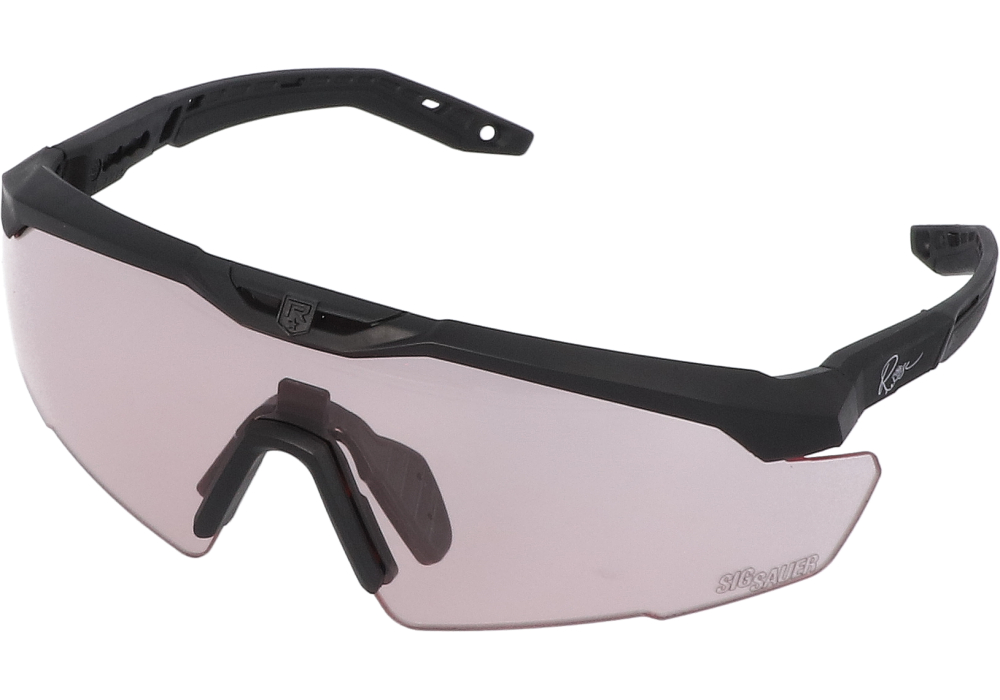
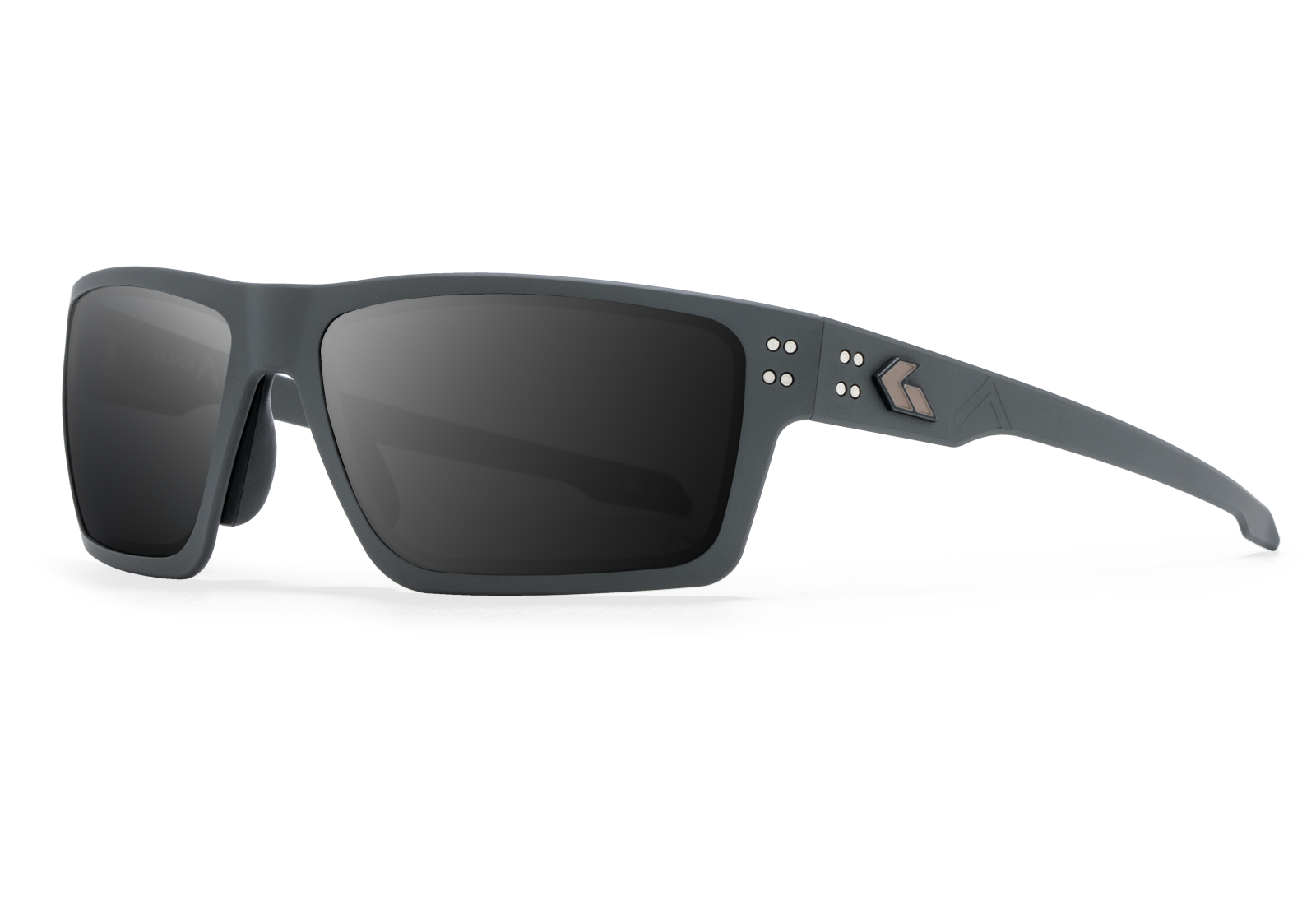
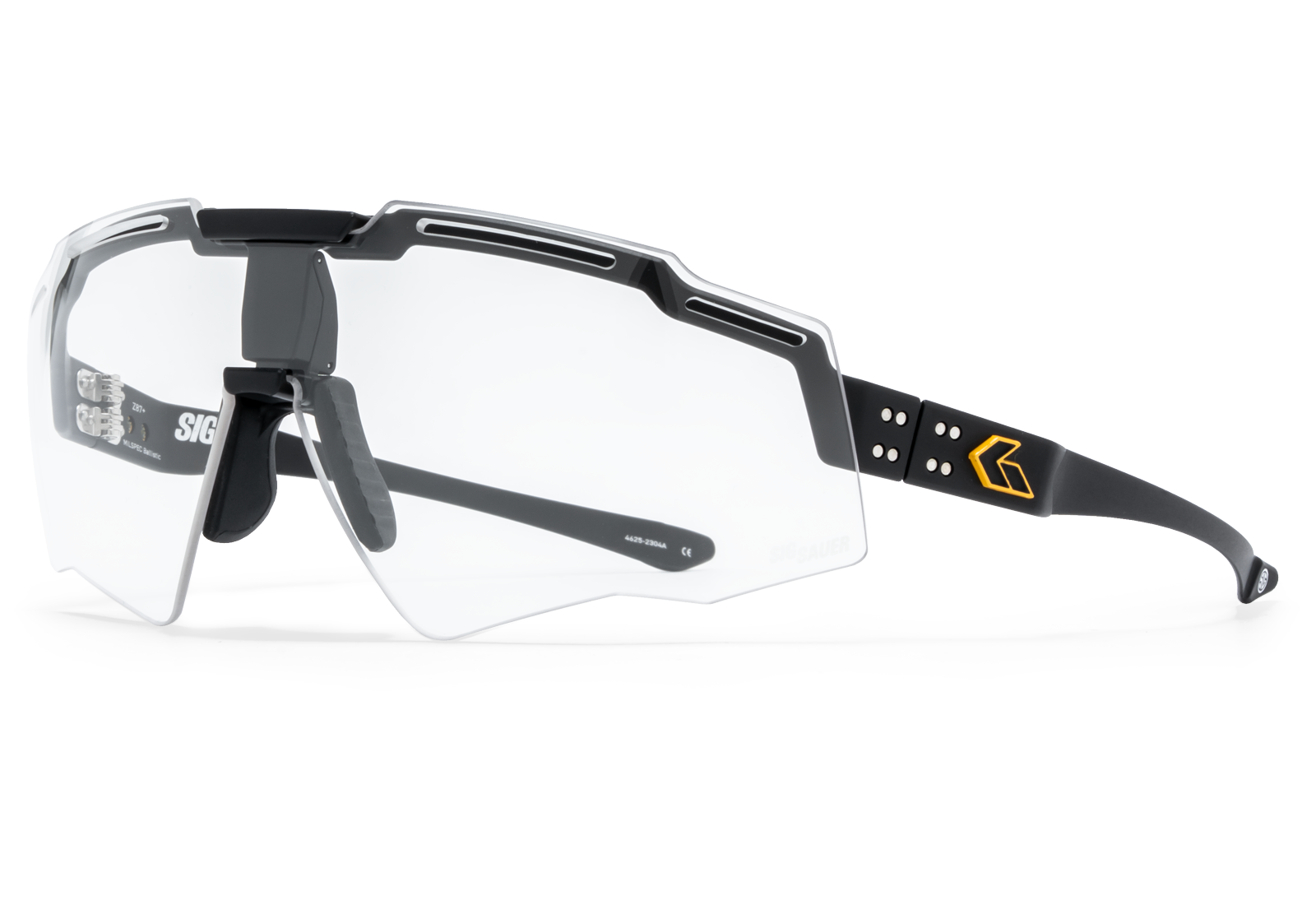
Safety glasses for woodworking should meet ANSI/ISEA Z87.1 and carry the Z87+ marking for high-impact protection against flying particles. Sawdust, small wood chips, and splinters can reach the face while cutting, routing, drilling, or sanding, so protective eyewear belongs alongside hearing protection and other essential workshop equipment. The distinction between ordinary glasses and impact-rated safety eyewear matters: everyday prescription glasses and sunglasses are not substitutes for a protective lens-and-frame assembly evaluated for the task. Look for the relevant markings and manufacturer documentation rather than relying on a sturdy appearance alone. A table saw can send particles toward the operator, while a router can throw chips sideways as it shapes an edge. Coverage across the front and sides of the eyes helps address those different paths. Wraparound lenses and frames with integrated side protection offer different approaches to that coverage, and the right choice depends on face shape, working position, and the surrounding hazards. Polycarbonate is a common safety lens material because it combines low weight with impact resistance, although lens material alone does not establish the rating of the complete eyewear. Clear lenses are generally practical for indoor woodworking because they preserve available light when checking pencil lines, reading a tape measure, or inspecting a joint. Tinted lenses need to suit the actual lighting conditions; a darker lens is not evidence of greater impact protection. Optical clarity also deserves attention. Distortion near the edges of a lens can become distracting when tracking a cut line or looking between a workpiece and a measuring tool. Scratch-resistant treatments can help lenses withstand routine handling, but they do not make the surface scratchproof. For woodworkers moving between rough lumber preparation and detailed assembly, useful eyewear combines documented protection, an unobstructed view, and coverage that remains consistent throughout the work.

Fit has as much influence on everyday usefulness as lens shape or frame construction. Woodworking often involves looking down over a bench, leaning toward a layout mark, and turning between machines, and safety glasses should stay secure through those movements without requiring repeated adjustment. A bridge that rests comfortably on the nose and temples that hold without squeezing can make a noticeable difference during longer projects. Frames that slide forward when the wearer bends over may leave unwanted gaps or interrupt concentration, while excessive pressure behind the ears can make otherwise suitable eyewear difficult to tolerate. Adjustable nosepieces, flexible temples, and grip surfaces are features worth considering where offered, but their value depends on how they interact with an individual face. Narrower faces may benefit from a more compact frame, while wider faces need enough room to avoid pinching or pushing the lenses out of position. The fit considerations discussed in ROSE Safety Glasses for Women: Workshop Fit Options are relevant to shoppers comparing frame proportions and workshop comfort. Prescription needs add another layer: over-the-glasses designs require sufficient space around everyday eyewear without shifting either pair, while prescription safety eyewear needs the appropriate protective rating as a complete assembly. Compatibility with other equipment is equally important. Thick temples can interfere with the cushions of earmuffs, and the position of a respirator can affect how glasses sit across the bridge. Anti-fog treatments may help maintain visibility, though performance varies with fit, airflow, exertion, and cleaning practices. Glasses should not be loosened or moved away from the eyes simply to clear the view. For fine airborne dust, open-sided safety glasses do not provide the enclosure of properly selected goggles. Likewise, tasks that call for a face shield still require suitable primary eye protection underneath; the shield adds coverage rather than replacing impact-rated glasses or goggles.

Durability in a woodworking shop depends on both construction and care. A lens can be impact rated yet still become difficult to see through after repeated contact with abrasive dust. Wiping a dry, sawdust-covered lens with a shirt sleeve can grind particles against the surface, especially when that fabric also carries grit from the bench. Cleaning according to the eyewear manufacturer’s directions, using compatible solutions and a clean lens cloth, helps preserve visibility and any surface treatments. Solvents, harsh household cleaners, and unfamiliar coatings can damage some lens materials or finishes, so compatibility matters more than how quickly a cleaner removes a smudge. A protective case or dedicated storage space keeps glasses away from loose screws, cutting edges, and the crowded surface beside a sander. It also helps prevent frames from being bent beneath other equipment. Before continued use, lenses and frames deserve attention for cracks, deep scratches, loose components, or changes in fit. Eyewear that has sustained an impact may need replacement even when the damage is not obvious; the manufacturer’s guidance should determine whether it remains suitable. Replaceable components can be useful when the design supports them, but substitutions should preserve the approved protective assembly. These considerations apply across a wide range of woodworking settings, from a home garage bench to a furniture studio, cabinet shop, school workshop, or shared maker space. A beginner building shelves needs dependable eye protection just as an experienced turner or finish carpenter does, although the hazards and supporting equipment may differ. Woodturning, for example, can call for additional face protection appropriate to the operation, while sanding may require closer attention to dust control and respiratory protection. As a gift for a woodworker, safety eyewear is most useful when fit, prescription requirements, and compatibility with existing equipment are understood. Comfortable, clear, well-maintained glasses support the habit of putting eye protection on before work begins and keeping it in place through cutting, shaping, assembly, and cleanup.

FAQ

Related Pages

Compare Products
Items
Launch Compare

Zip Code Verification

Some localities have legal restrictions on products which requires the validation of your ZIP code

Age Verification

Some localities have legal restrictions on products which requires the validation of your age