ROSE Safety Glasses for Women: Workshop Fit Options

Shop ROSE safety glasses for women with workshop fit in mind. Compare the available options and check individual product details for fit guidance, safety ratings, and intended use to help choose protective eyewear suited to your tasks.

per page
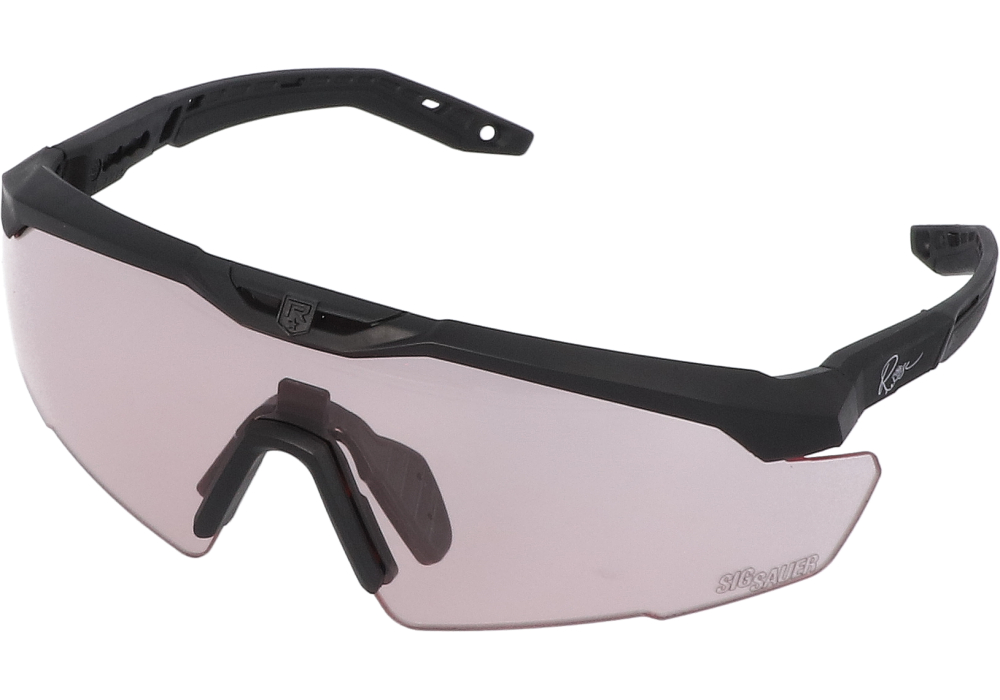
Workshop safety glasses for women pair task-appropriate eye protection with fit options that can include narrower frames, adjustable nosepieces, and flexible temples. Rose-toned frames and pink accents offer a distinctive look, but the most important differences are how the eyewear sits, what hazards it is rated to address, and whether it stays comfortable throughout a project. A women’s label alone does not establish fit: face width, bridge shape, cheek height, and temple length all influence how securely a pair rests. Smaller frames may suit a narrow face, while someone who needs more room across the brow may prefer a wider shape with adjustable contact points. A well-fitting pair stays in position when the wearer looks down at a workbench, turns toward a tool cabinet, or leans forward to check a measurement. The bridge should support the frame without pinching, and the temples should feel secure without pressing hard behind the ears. Lenses should provide a clear view of the work while leaving appropriate clearance around the lashes and cheeks. Close-fitting, wraparound designs can extend coverage toward the sides, although safety glasses are not sealed eyewear. Lightweight frames and soft contact surfaces can reduce distracting pressure during longer sessions of sanding, assembling furniture, or sorting hardware. Fit also changes when other protective equipment enters the picture. Hearing protection, a respirator, and prescription eyewear can compete for space around the temples and nose, so compatibility matters as much as frame size. Slim temples may feel more comfortable beneath earmuffs, but they should not interfere with the earmuff cushions or their seal. Over-the-glasses styles, where offered, need enough room for prescription frames without pushing either pair out of position. For shared workshops, adjustable features can accommodate different preferences, but every wearer still needs an individual fit check. Comfort is more than a finishing detail: eyewear that stays put is less likely to interrupt concentration when a project requires careful alignment or repeated close inspection.

Protection and lens construction deserve the same attention as fit and color. ANSI/ISEA Z87.1 markings identify eyewear evaluated under a recognized occupational eye-protection standard, while a Z87+ marking indicates high-impact performance under that standard. The markings and manufacturer documentation should match the requirements of the work; appearance alone cannot establish a protective rating. Polycarbonate is a common safety-lens material because it combines low weight with impact resistance, but the finished eyewear’s tested performance matters more than the material name by itself. Frame design, lens retention, side coverage, and the condition of the complete pair all contribute to its intended performance. Clear lenses are often practical for indoor benches and close detail work because they preserve a relatively neutral view of pencil lines, fasteners, wood grain, and small components. Rose-colored frame details are separate from lens tint, and a decorative frame color does not necessarily change the view through the lenses. Tinted lenses should suit the lighting and task rather than serve as a substitute for hazard-specific protection. For projects involving lumber, cabinetry, or finish carpentry, Safety Glasses for Woodworking offers a related category to consider alongside fit preferences. Scratch-resistant coatings can help lenses tolerate routine handling, but they do not make a lens scratchproof. Anti-fog treatments may help maintain visibility when a respirator or close-fitting equipment directs moisture toward the lenses, though performance depends on the coating, its condition, and the surrounding conditions. Small differences become noticeable at the bench: a lens edge that intrudes into the view can distract during layout, while reflections or surface haze can obscure fine marks. Safety glasses also have limits. Fine airborne dust, chemical splashes, grinding operations, and other hazards may call for properly rated goggles, a face shield worn with primary eye protection, or additional controls. Welding and laser work require specialized protection selected for the specific process. Ordinary tinted safety lenses are not a substitute for that equipment, regardless of their color.

Durability in a workshop depends on both construction and everyday handling. Flexible frame materials can tolerate normal movement, while secure hinges, smooth adjustment mechanisms, and firmly seated lenses support consistent wear. None of those features eliminates the need for inspection. A frame that sits crooked, a loose hinge, a cracked lens, or a rough temple tip can change comfort and undermine confidence in the fit. Deep scratches, persistent haze, or damage following an impact are reasons to remove the eyewear from service and follow the manufacturer’s replacement guidance. A familiar habit at the workbench—wiping dusty lenses with a sleeve—can drag abrasive particles across the surface. Cleaning usually begins with removing loose debris according to the care instructions, followed by an approved cleaner and a clean, soft cloth. Coated lenses may have particular care requirements, so household solvents and improvised cleaners are best avoided unless expressly permitted. A protective case keeps lenses away from loose screws, abrasive paper, and tools between projects; a dedicated storage spot also makes the glasses easier to find before work begins. These details matter to a weekend furniture builder fitting drawer slides, a hobbyist drilling hardware holes, or a student getting comfortable with a workshop routine. A secure frame lets attention stay on the work rather than repeated adjustments at the nose. For someone choosing eyewear as a gift, personal style can be a useful starting point, especially when rose accents match the recipient’s preferences, but fit and documented protection should remain the deciding factors. Adjustable features may offer more flexibility than a fixed shape, while prescription needs and compatibility with other protective equipment deserve consideration before selection. The most useful workshop eyewear feels natural during ordinary movements, provides the coverage and rating required for the task, and remains clear enough for accurate work. A flattering frame is welcome; reliable fit, suitable protection, and straightforward care are what make it a practical part of the workbench routine.

FAQ

Related Pages

Compare Products
Items
Launch Compare

Zip Code Verification

Some localities have legal restrictions on products which requires the validation of your ZIP code

Age Verification

Some localities have legal restrictions on products which requires the validation of your age