ROSE Shooting Glasses for Women

Explore ROSE shooting glasses for women to find eye protection for your range routine. As you browse the selection, consider fit, comfort, and how the eyewear works with your hearing protection.

per page
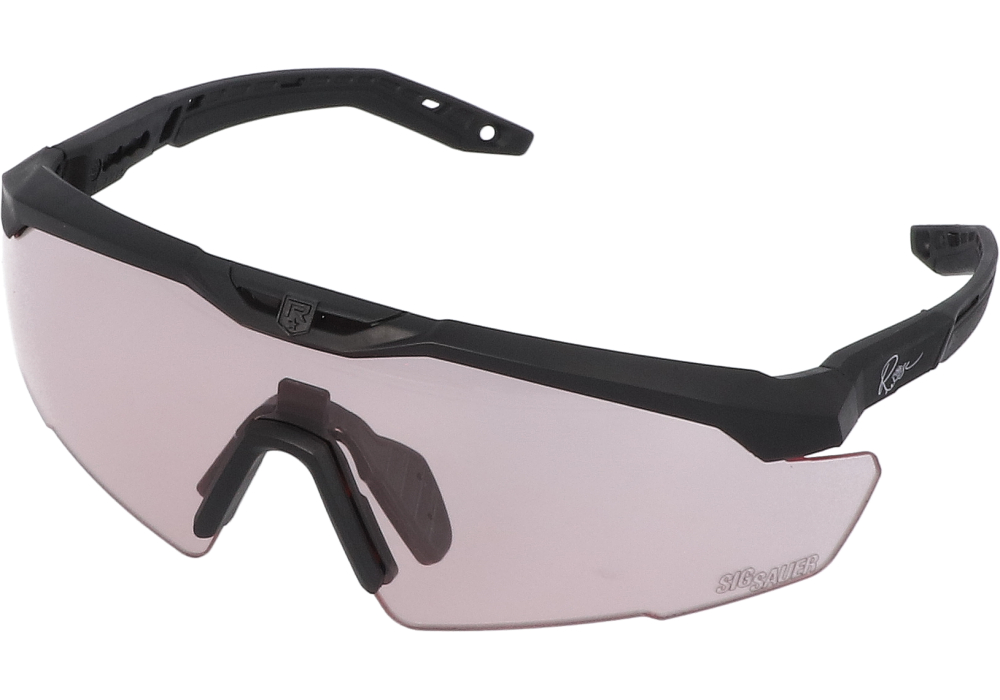
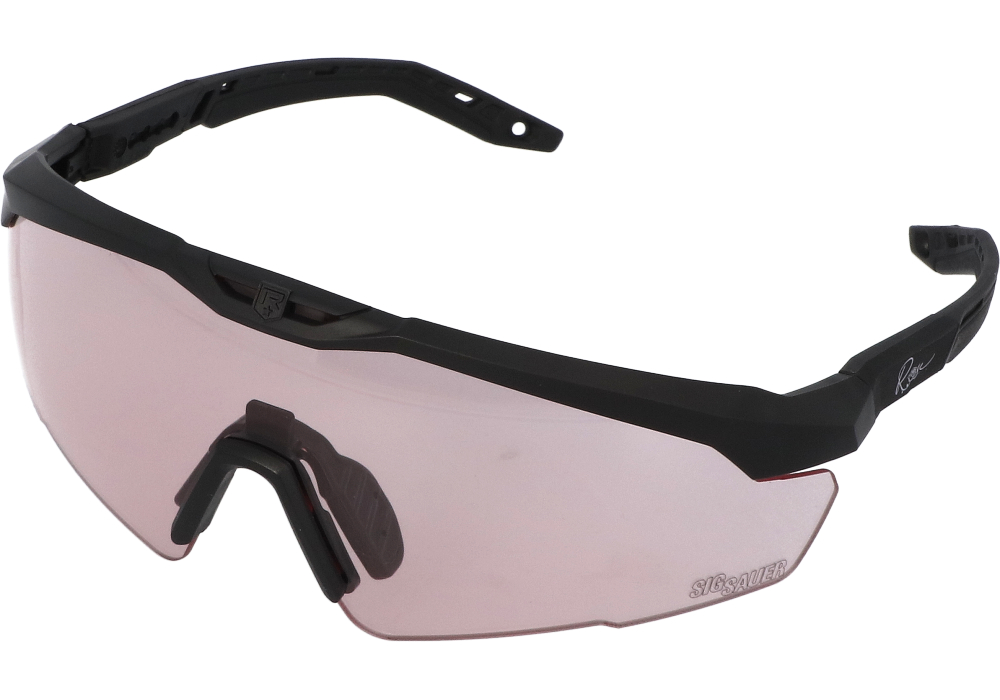
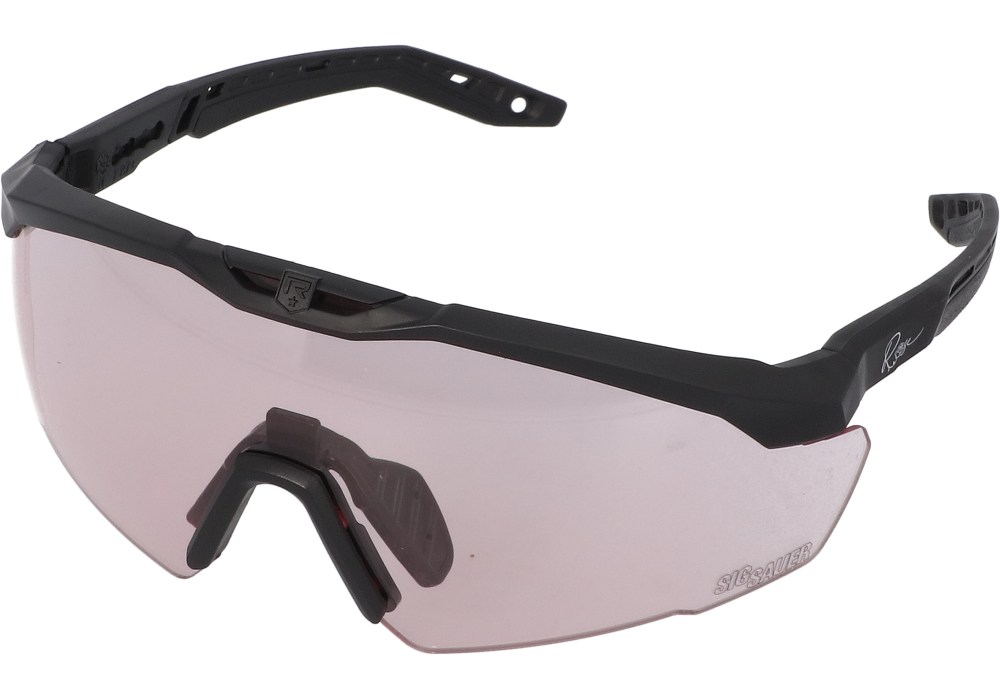
Women’s shooting glasses combine protective function with the fit and styling preferences that make eyewear comfortable to wear throughout a range visit. Impact resistance, optical clarity, secure positioning, and compatibility with hearing protection matter more than decorative details, but personal style still has a place. Rose-tinted lenses and pink-accented frames describe different features: lens color changes the view through the glasses, while frame accents change their appearance. A rose-inspired look does not necessarily mean a tinted lens, and neither color nor styling establishes a level of protection. For shooting use, the important distinction is between ordinary fashion eyewear and protective eyewear with documented testing appropriate to the activity. Range environments can expose the eyes to airborne particles, fragments, and ejected cartridge cases, whether someone is practicing, receiving instruction, or observing nearby. Wraparound designs and thoughtfully shaped side coverage can help shield areas that everyday sunglasses may leave exposed, although protection depends on the complete design and how it fits. The ANSI Z87.1 standard is a useful reference when comparing protective eyewear; a Z87+ marking identifies high-impact performance under that standard. Any ballistic protection claim should be supported by a stated test standard rather than inferred from a sporty frame or a thick-looking lens. Prescription configurations also need verification as complete protective assemblies, not simply as lenses placed inside a familiar frame shape. UV protection is another separate consideration for outdoor use and should be confirmed in the eyewear’s specifications rather than judged by how dark the lenses appear. These distinctions make women’s shooting eyewear relevant to beginners preparing for a first range session, experienced shooters refining their equipment, instructors spending extended time on the range, and companions who need appropriate eye protection while watching. A flattering appearance can encourage consistent wear, but the foundation remains documented protection and a clear, unobstructed view.

Fit is especially important because women’s shooting glasses are not a single size or shape. Some wearers benefit from a narrower frame or shorter temples, while others need more width, a different bridge profile, or additional room around the cheeks. The right match rests securely at the bridge without pinching, stays in place during ordinary head movement, and provides coverage without pressing against the eyelashes. Frames that slide forward whenever the wearer looks down can become a persistent distraction; temples that squeeze behind the ears may feel increasingly uncomfortable beneath hearing protection. Slim temple profiles can reduce bulk under earmuff cushions, but the combination still needs to preserve the hearing protector’s proper seal. Adjustable nose pads, flexible temples, and textured contact points can offer useful ways to refine fit when those features are present. Coverage also needs to remain consistent when looking through sights, glancing toward a target, or turning toward an instructor. A large gap above or beside the lens can matter more than whether the frame looks proportionate in a mirror. Materials contribute to both comfort and service life. Polycarbonate is common in protective lenses because it combines low weight with impact-resistant properties, although material alone does not establish the rating of a finished pair. Lightweight polymer frames can offer flexibility, while the quality of hinges, lens retention, and contact surfaces affects how the glasses tolerate repeated handling. Scratch-resistant treatments can help maintain the viewing surface, but they do not make a lens scratchproof. Anti-fog treatments may support visibility when properly maintained, though performance varies with fit, moisture, and the surrounding environment. For prescription wearers, purpose-built prescription safety eyewear or properly fitted over-glasses designs can be more practical than trying to balance incompatible frames. Contact lenses provide vision correction, not impact protection, so protective eyewear remains necessary. The most useful combination is one that keeps the viewing area clear and feels stable enough that frequent adjustment does not interrupt concentration.

Lens choice shapes the experience of looking from a nearby sight picture to a more distant target. Clear lenses are often suitable for indoor ranges because they limit unnecessary darkening, while tinted options can reduce brightness in sunlit settings. Rose, amber, and similar contrast-oriented tints may make certain target colors or backgrounds easier to distinguish for some wearers, but results depend on the light, the target, and individual vision. Darker is not automatically better, and a tint that feels comfortable outside may obscure details in a dim shooting bay. Polarization and contrast enhancement are also different properties, so neither should be assumed from lens color alone. For a closer look at that category, High-Contrast Shooting Glasses offers a related direction to explore. Whatever the tint, optical distortion, haze, and distracting reflections can interfere with a crisp view, making lens condition an important part of everyday care. Dust and grit should be removed according to the eyewear’s care instructions before the surface is wiped; rubbing a dry, dirty lens with a shirt can leave fine scratches. A clean microfiber cloth and a compatible cleaner help protect finishes, while household solvents and abrasive materials can damage lenses or coatings. A protective case keeps eyewear from rubbing against tools, loose cartridges, and other range-bag contents. Storage away from excessive heat also helps preserve frame shape and lens treatments. Scratches across the central viewing area, cracks, loose components, or evidence of an impact deserve attention rather than being treated as cosmetic wear. Women’s shooting glasses can also be a thoughtful gift for someone beginning lessons, joining a regular practice group, or building a personal range kit. Fit, prescription needs, and preferred lens shade are more meaningful gift considerations than color alone. Rose-inspired accents can add a personal touch without defining the wearer’s experience level or preferences. Protective eyewear earns its place through dependable coverage, comfortable wear, and a clear view that supports attentive practice.

FAQ

Related Pages

Compare Products
Items
Launch Compare

Zip Code Verification

Some localities have legal restrictions on products which requires the validation of your ZIP code

Age Verification

Some localities have legal restrictions on products which requires the validation of your age