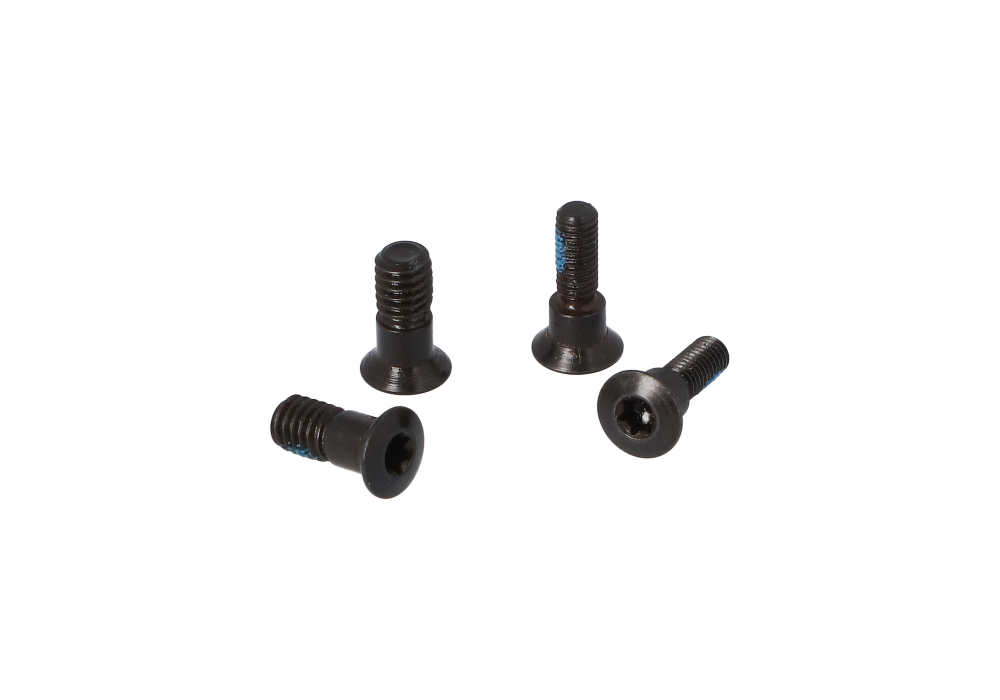
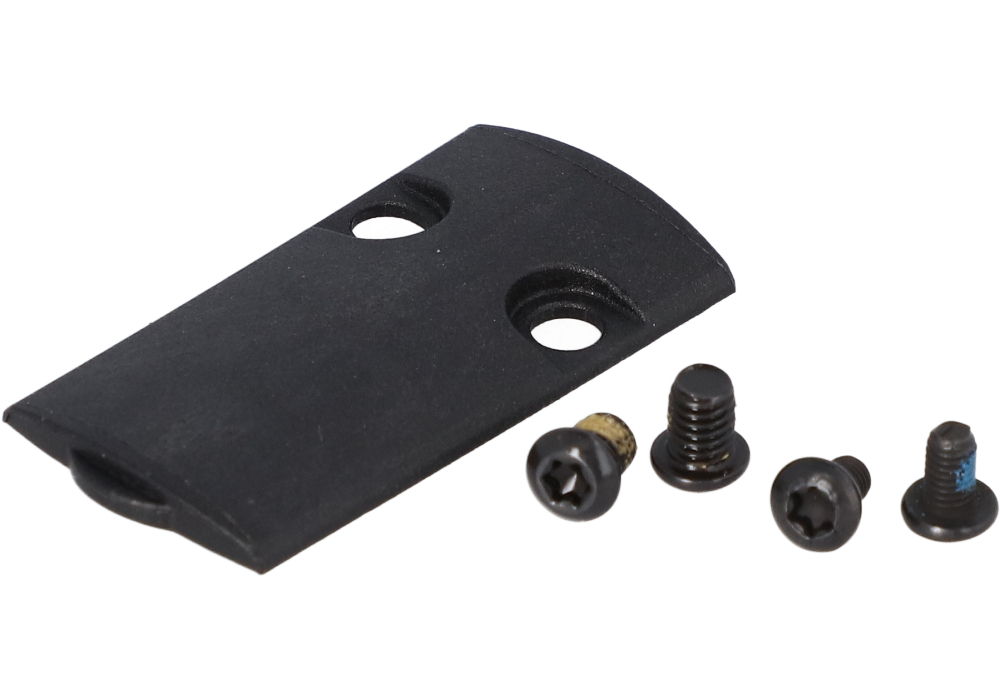
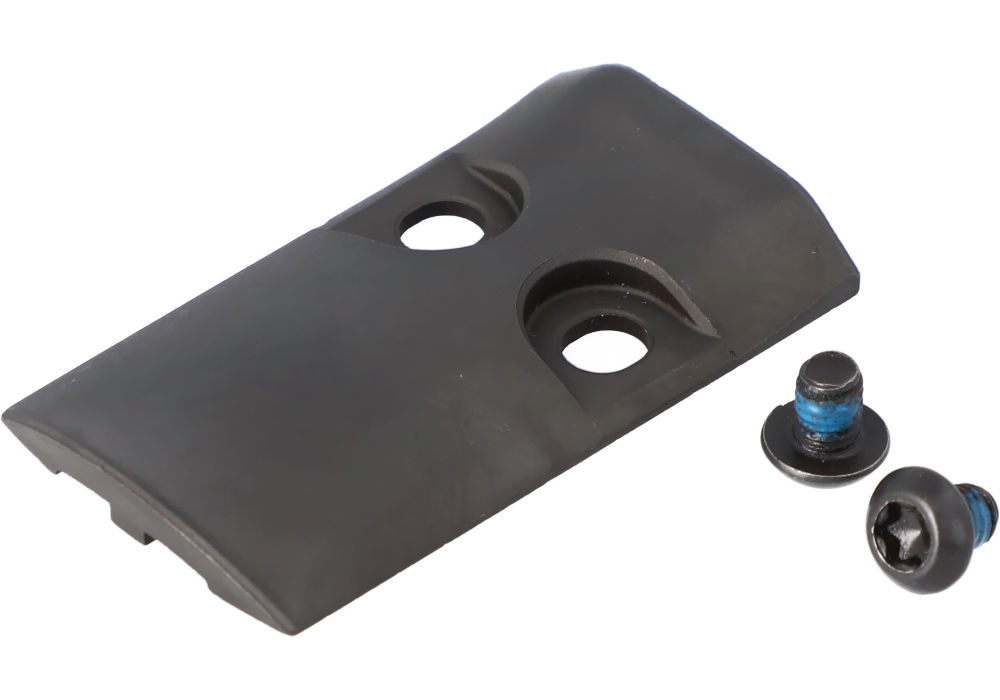
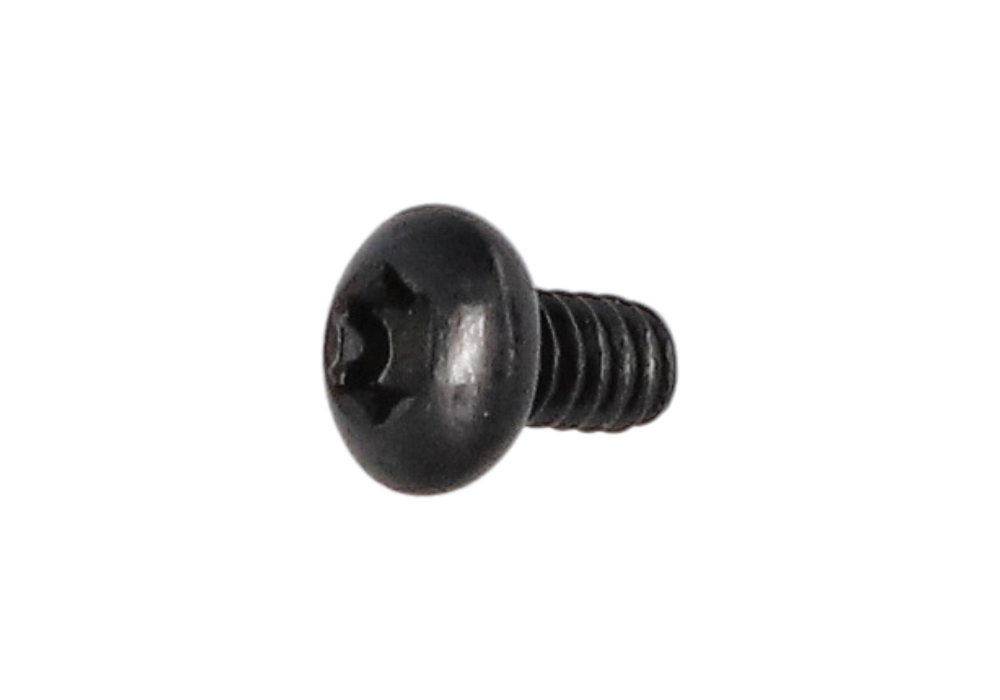
Sight cover screws secure the cover plate over a firearm’s optic mounting interface when an optic is not installed. Small as they are, these fasteners have a specific job: keeping the correct plate seated against its intended mounting surface without interfering with nearby components. The right sight cover screws depend on the firearm model, cover plate design, thread diameter, thread pitch, screw length, and head profile. There is no universal screw size for every sight cover, and a similar appearance does not establish compatibility. Two screws can share the same finish and head shape while having different threads or lengths. Even firearms within the same general family can use different cover arrangements, making model-specific documentation more useful than a visual comparison alone. Cover plate screws also should not be assumed interchangeable with optic mounting screws. An optic, adapter plate, and original cover can each present a different thickness and fastening requirement. A screw intended for one configuration may be unsuitable for another, even when both fit the same threaded opening. For owners returning to a covered slide configuration, replacing a missing fastener, or organizing spare hardware for routine maintenance, that distinction is central to selecting the correct part. A screw’s drive recess matters as well, since the matching tool needs to engage properly without damaging the head. Some designs use a head that sits within a recessed opening, while others rely on a different seating surface. Matching that geometry helps the cover rest as intended rather than leaving a raised edge or uneven contact. Useful compatibility information identifies the firearm configuration and the cover plate the screw is intended to retain, not simply a broad firearm category. Manufacturer documentation remains the best reference for resolving those details. When specifications are unclear, a qualified gunsmith can help distinguish a correct replacement from a fastener that only looks close. Accurate fit starts with identifying the complete assembly, not choosing the screw that appears most familiar.
Materials and surface treatments influence how sight cover screws tolerate handling, repeated maintenance, and exposure to moisture from ordinary use. Steel is common in small firearm fasteners because it can provide the strength and thread definition required for a compact connection, but material alone does not establish suitability. The specified material grade, dimensions, head design, and finish work together as part of the original fastening arrangement. A dark surface treatment may complement the surrounding finish and offer corrosion resistance, although color is not a reliable way to identify a coating or judge its protective qualities. Likewise, a bright or stainless-looking fastener is not automatically an appropriate substitute. The relevant question is whether its specifications match the intended application. Durability also depends on the condition of the screw’s threads and drive recess. Rounded recesses, damaged thread edges, corrosion, or distortion can make a small fastener difficult to service and may indicate that replacement is more appropriate than reuse. A cover that appears secure should still sit in the position described by the firearm manufacturer; visible gaps, rocking, or an uneven screw head deserve attention rather than additional tightening. Correct screw length is especially important because adequate thread engagement and internal clearance must both be considered. A screw that is too short may not engage as intended, while one that is too long can extend beyond its designated space or prevent proper seating. Length descriptions can also vary with head style, so a listed measurement needs to be understood in the context of the fastener’s design. Tightening requirements and any specified thread treatment belong to the particular assembly, not to a general rule for all sight screws. Following the applicable manufacturer instructions helps protect the screw, plate, and threaded opening from avoidable damage. Hardware-store substitutions, improvised washers, or extra force are not reliable answers to a compatibility problem. For this category, precision matters more than a heavier appearance, a matching color, or a screw that seems to turn into place.
Care for sight cover screws is mostly about preserving small details that are easy to overlook. Clean threads, an intact drive recess, and a sound protective finish help keep the hardware serviceable over time. Inspection during manufacturer-recommended maintenance can reveal residue around the cover, early corrosion, or wear at the tool interface before those conditions become harder to address. Cleaning methods should be compatible with both the fastener finish and surrounding firearm surfaces; aggressive abrasives or unapproved chemicals can create problems that ordinary residue did not. Any inspection or service should follow the firearm manufacturer’s safety procedures, with professional assistance when the condition of the mounting area is uncertain. Storage deserves similar attention. A screw left loose in the bottom of a range bag is easy to lose among cleaning patches, tools, and other small parts. A labeled compartment or parts container keeps the cover and its associated hardware together, especially for owners who maintain more than one firearm. Keeping the original documentation with those components helps prevent a nearly identical screw from being assigned to the wrong assembly later. This is particularly useful when a cover has been stored separately for an extended period and the original configuration is no longer fresh in memory. Owners comparing related fastener types can also explore Gun Sight Screws, while keeping the distinction between cover retention and other sight-related fastening tasks in view. The broader category does not eliminate the need for exact compatibility. For recreational shooters, collectors, and others maintaining their equipment, the value of a replacement sight cover screw lies in restoring the intended fit rather than changing the firearm’s function. These are modest components, but their dimensions and condition matter to the assembly around them. Choosing according to documented fit, caring for the finish, and keeping matched hardware organized support straightforward maintenance without treating every small screw as interchangeable.