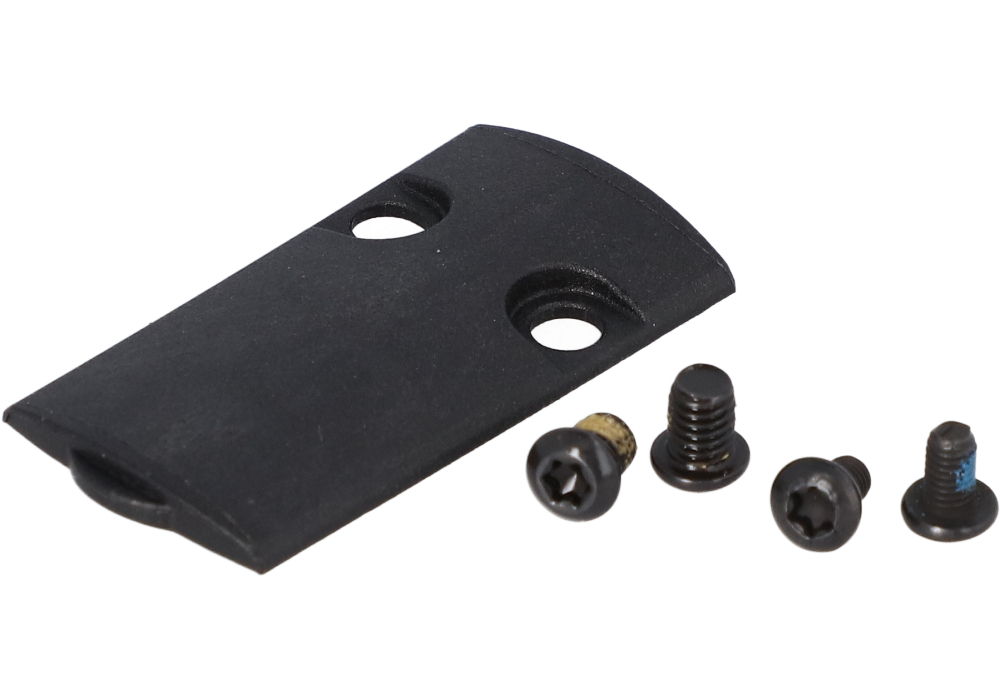
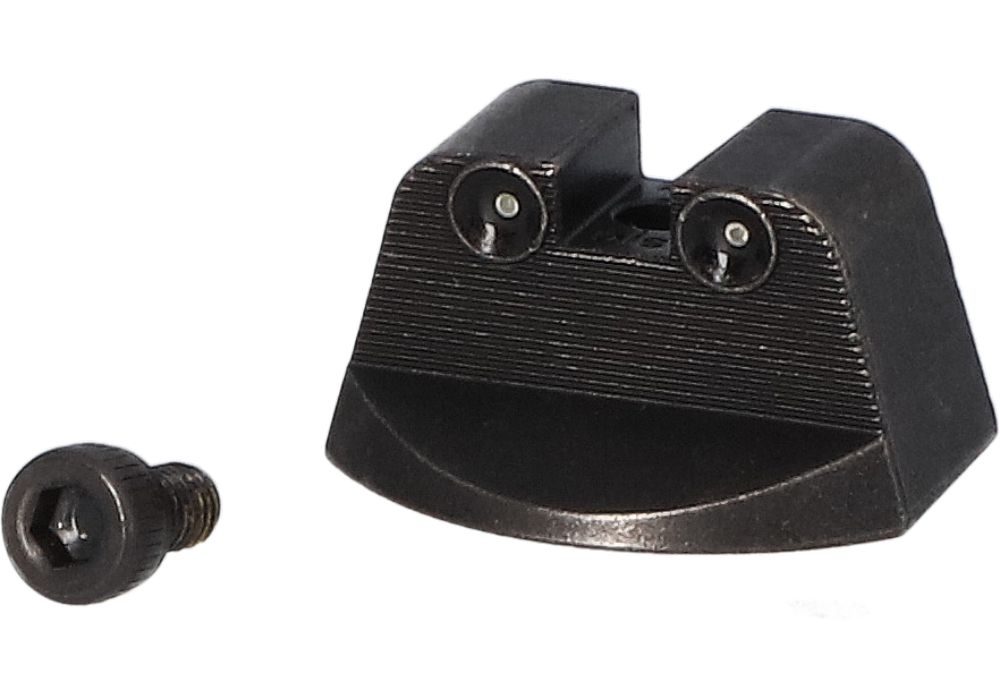
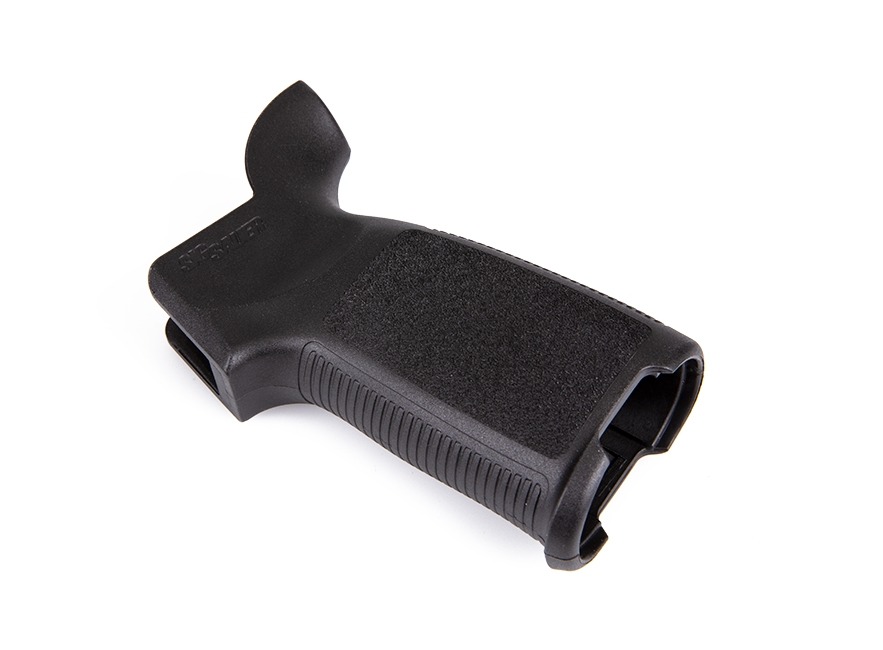
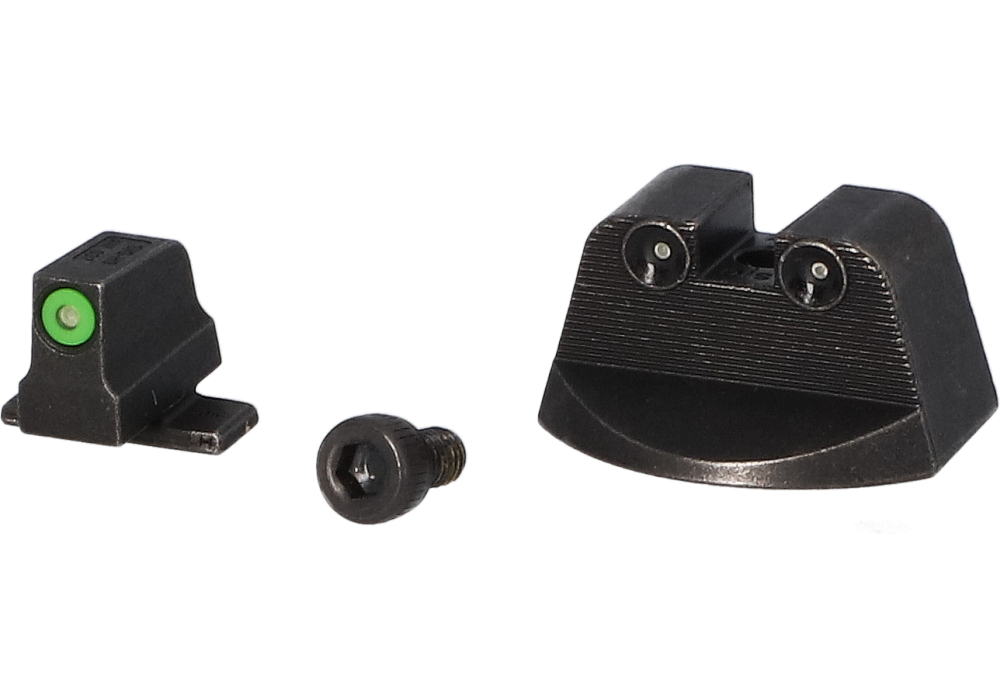
Sight block screws are fastening components used to secure a sight block or designated sight components within a firearm’s sight assembly. Their specifications depend on the firearm platform, the particular assembly, and the function of the screw within that design. There is no universal sight block screw size: imperial and metric threads both appear in firearm hardware, and compatibility requires the correct thread diameter, thread pitch, length, and head configuration. Two screws can look nearly identical on a workbench yet differ enough that one is unsuitable for the intended mounting point. A product description that simply identifies a screw as sight hardware does not establish a fit for every sight block. The most useful references are the firearm manufacturer’s parts documentation, the sight assembly’s specifications, and any applicable model or production-revision details. Although sight block screws and optics-mounting screws share some general characteristics, their dimensions and purposes should not be treated as interchangeable. Some sight assemblies also contain separate fasteners for retention and adjustment, with each serving a different role. Understanding that distinction helps keep a replacement search focused on the correct component rather than on appearance alone. Length deserves particular attention because the threaded portion must suit the depth and arrangement of the intended assembly. Excess length can interfere with adjacent components, while insufficient engagement can compromise retention. Head diameter and profile matter as well, especially where the screw must sit within a recess or clear another part. Length measurements may use different reference points depending on head style, so a dimensional drawing can be more informative than a single listed measurement. For someone replacing missing hardware or addressing a worn screw head, an exact specification match offers a more dependable basis for selection than a close visual resemblance. These small details explain why sight block hardware is best understood as application-specific equipment, not a general-purpose substitute drawn from an assortment of similar-looking fasteners. Even within one firearm family, different sight configurations may call for different hardware, making the precise assembly information more useful than the family name alone.
Material, finish, and manufacturing consistency help determine how sight block screws perform over time. Steel is common in firearm fastening hardware, but material names alone do not describe strength, hardness, or suitability for a particular assembly. Stainless steel is not automatically an upgrade over a specified alloy-steel fastener, and a darker finish does not by itself establish greater durability. The appropriate choice depends on the complete specification, including any protective treatment and the requirements of the mating components. Depending on the design, finishes may help resist corrosion, reduce surface wear, or provide a subdued appearance alongside the surrounding hardware. A close finish match can be desirable, but appearance remains secondary to verified fit and mechanical suitability. Cleanly formed threads, an accurately shaped head, and a well-defined drive recess are meaningful quality details because each affects how the screw interfaces with the assembly and the proper tool. A damaged recess can complicate future service even when the rest of the fastener looks intact. Likewise, corrosion or distorted threads can make previously serviceable hardware unsuitable for reuse. Care generally centers on keeping hardware clean, protecting it from moisture during storage, and using cleaning products that are compatible with the firearm’s finishes and materials. Aggressive abrasives or unsuitable chemicals can harm protective surfaces and surrounding components. Any torque requirement or thread-retention treatment belongs to the manufacturer’s instructions for that exact application; neither should be inferred from screw size alone. Where compatibility or the condition of the mounting threads is uncertain, a qualified gunsmith can assess the assembly before replacement hardware is selected. This matters particularly when a screw has loosened repeatedly, since the cause may involve damaged mating threads, an incorrect fastener, or another issue that a replacement screw alone cannot resolve. Good hardware supports a sound assembly, but it cannot compensate for an incompatible mounting arrangement or an unresolved mechanical problem. The goal is a secure, serviceable connection that respects the original design without relying on excessive force or an improvised substitute.
Sight block screws are relevant to firearm owners maintaining an existing sight system, recreational target shooters keeping equipment serviceable, and professionals responsible for inspecting or repairing firearms. Their value is easy to recognize when a small missing fastener prevents an otherwise complete sight assembly from being ready for its intended use. A spare screw with documented compatibility can be useful in a clearly labeled maintenance kit, while an unidentified screw loose in a range bag offers little reassurance. Organized storage helps preserve the connection between the hardware and its intended application: a labeled compartment can distinguish one sight assembly’s fasteners from similar hardware used elsewhere. Keeping the original packaging or specification information also makes later identification easier, especially when several firearms have different sight arrangements. For target practice, competition, or lawful field use, consistent sight retention supports dependable equipment, though no screw can guarantee sight alignment or replace appropriate inspection. Hardware selection is therefore part of responsible maintenance rather than a shortcut to improved performance. Related fastening applications can also be explored through the Gun Sight Screws category, with the same attention to assembly-specific requirements. For a gift recipient who enjoys maintaining personal equipment, small replacement hardware is most useful when the exact firearm and sight configuration are already known. A thoughtful choice is one grounded in confirmed compatibility, not a guess based on a photograph or a familiar model name. The same principle applies to a long-term maintenance kit: a modest selection of correctly identified components is more practical than a collection of unmatched screws. Sight block screws may be small, but their role is precise. The right material specification, thread form, length, head style, and finish work together to support the intended connection. Careful selection preserves serviceability, simplifies future maintenance, and helps keep attention on the complete sight assembly rather than on a preventable hardware mismatch.