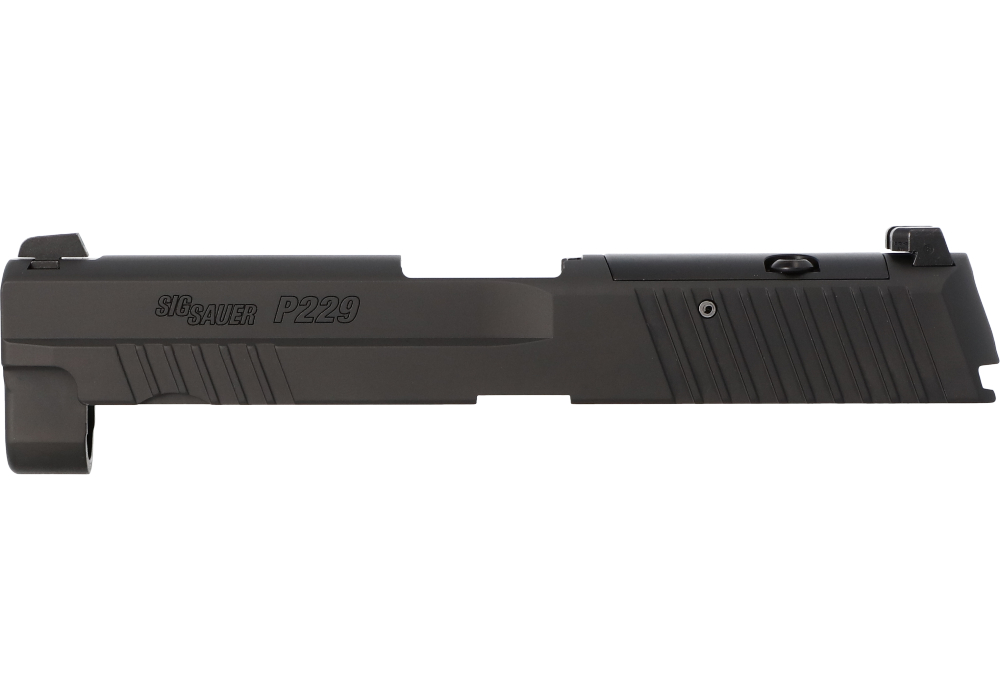
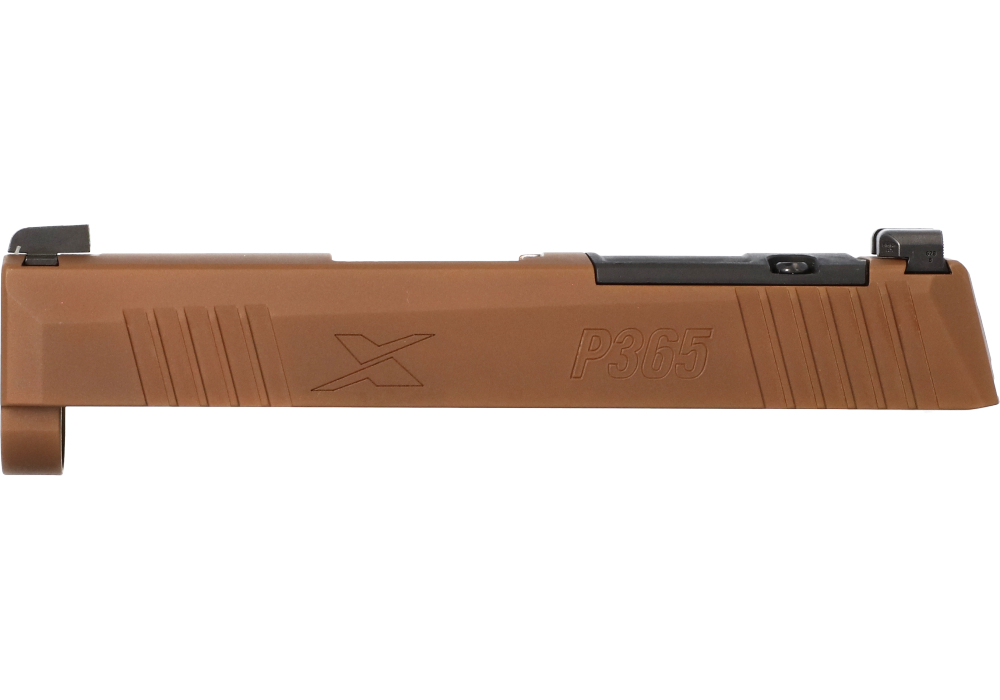
Slide modifications are selected by firearm owners who want to refine the way a pistol handles, carries, or interfaces with modern accessories. Common options include optic cuts, enhanced front or rear serrations, lightening or window cuts, porting, and protective custom finishes. An optic cut machines a precise mounting footprint into the slide so a compatible red dot sight can sit low and securely, helping create a clean sight picture without relying on a tall adapter plate. Compatibility is the first consideration: the cut must match the optic footprint, the slide dimensions, the intended mounting hardware, and the sight height needed for the pistol’s existing or replacement iron sights. Owners who spend time on the range often appreciate a slide that makes sight acquisition feel more natural, especially during fast transitions between targets. Serrations serve a different purpose, adding texture and leverage where the hand contacts the slide. More pronounced rear serrations can make press checks and slide manipulation easier, while forward serrations provide another gripping surface for users who prefer a forward hand position. These details can be particularly useful when hands are wet, gloved, or tired after a long training session. A slide is the moving heart of a semiautomatic pistol, so modifications should be viewed as a complete system rather than isolated cosmetic changes. If replacing an entire slide is the better path for a particular project, browsing Replacement Slides can help shoppers compare available configurations while keeping model compatibility at the center of the decision.
Lightening cuts and window cuts remove carefully chosen areas of slide material to reduce reciprocating weight and alter the way the pistol cycles. In a properly engineered setup, that change may produce a quicker-feeling action and a softer, flatter recoil impulse, though the result depends on the complete balance of the pistol, including barrel weight, recoil spring selection, ammunition, and the shooter’s grip. A lighter slide is not automatically better for every application. A defensive or duty-oriented setup may place greater value on broad ammunition compatibility, dependable function, and protection from debris, while a competition-focused owner may prioritize rapid cycling, reduced muzzle movement, and a distinctive appearance. Porting is another modification often considered for recoil management. Matching ports in the barrel and slide allow expanding gases to vent upward, helping counter muzzle rise during rapid strings of fire. Because porting can redirect gas, flash, and noise, it deserves careful consideration when a pistol may be used close to the body, around other people, or in low-light conditions. It is also important to confirm that the selected slide, barrel, optic, and recoil components are designed to work together. Changes in slide mass or gas behavior can affect cycling, and some setups may require testing with the shooter’s preferred ammunition and professional evaluation of spring weights. A qualified gunsmith or established machining service can help verify dimensions, preserve critical tolerances, and identify whether a planned modification is appropriate for the intended role.
The finish and overall design are equally important when comparing slide modification products. A durable protective coating can help guard exposed metal against moisture, abrasion, and surface corrosion while giving the pistol a personalized appearance. During warmer weather, perspiration and frequent outdoor handling can make corrosion resistance especially valuable; during cooler months, a dependable finish can help protect equipment that moves between a cold range, a vehicle, and a heated storage area. Window cuts, serrations, and decorative patterns should be machined with attention to structural integrity. Removing too much material or placing cuts in unsuitable areas can weaken the slide, create stress points, or shorten service life, so clean machining and a design appropriate to the specific pistol matter more than an aggressive appearance alone. Buyers should confirm the exact model and generation, whether the slide is intended for a compact, full-size, or competition configuration, what sights or optic hardware it accepts, and whether the modification affects factory warranties or maintenance procedures. Competitive shooters should also review the rules for their division before choosing porting, optic cuts, or extensive material removal, since certain changes may affect eligibility. For a gift, slide modification components can be a thoughtful choice for an experienced shooter who has clearly identified a compatible firearm and preferred setup, but surprises are best avoided when model fit, optic footprint, finish, and competition requirements are involved. Whether the goal is easier manipulation, a red dot-ready configuration, a distinctive appearance, or a carefully tuned competition pistol, the strongest choice balances function, reliability, safe handling, and long-term compatibility.