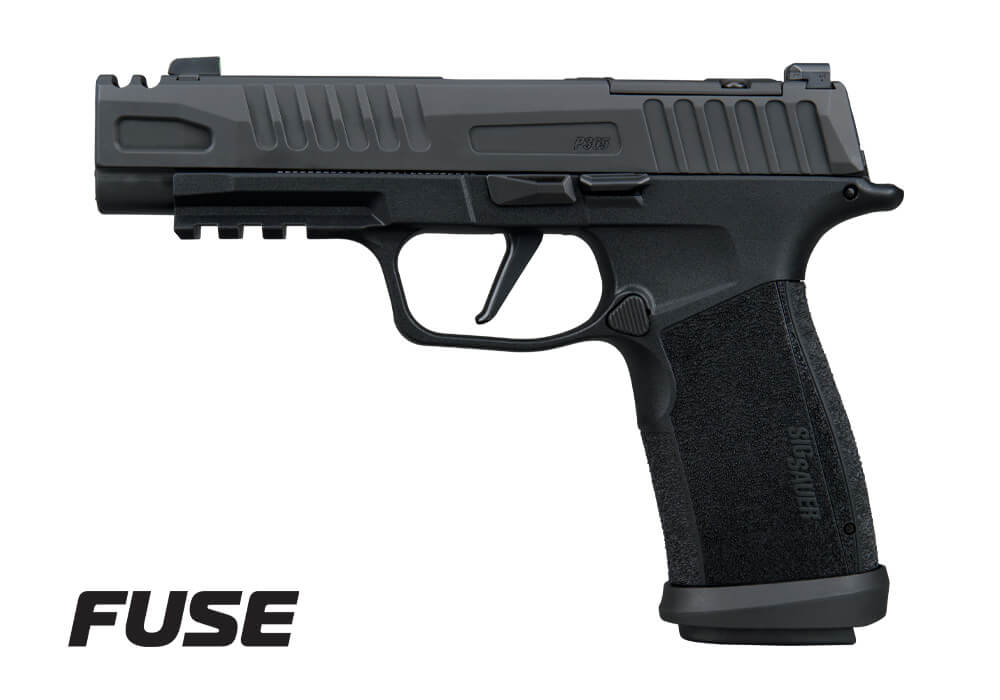
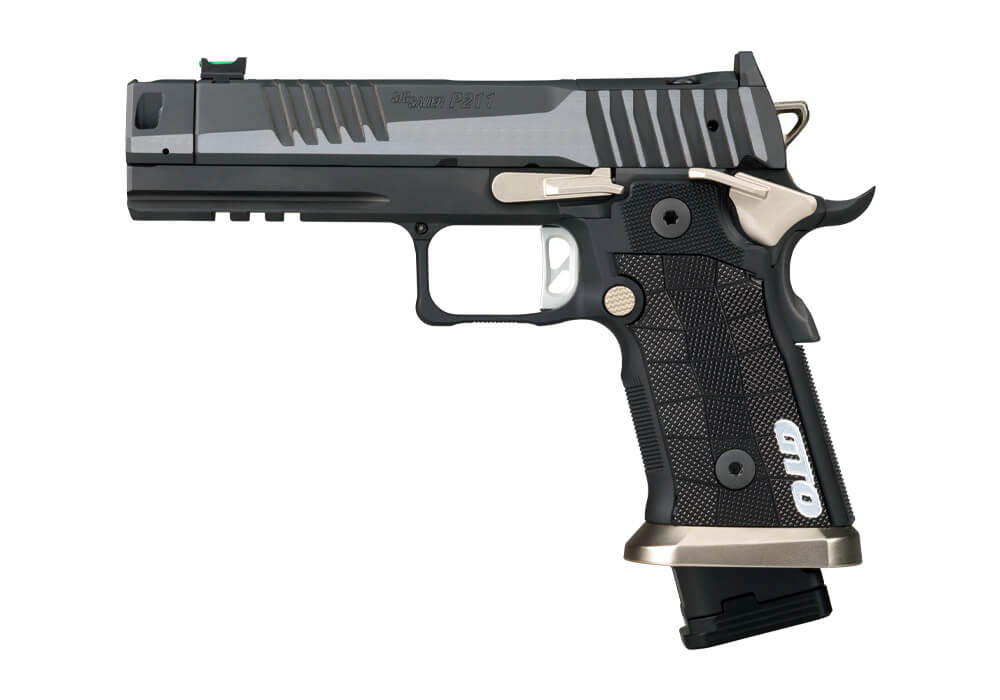
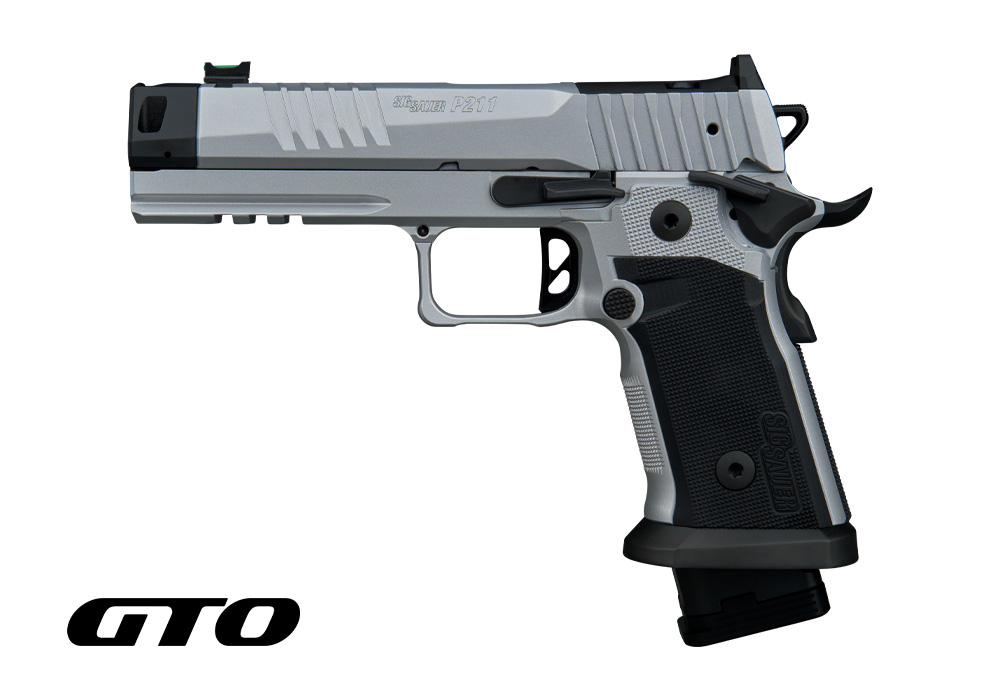
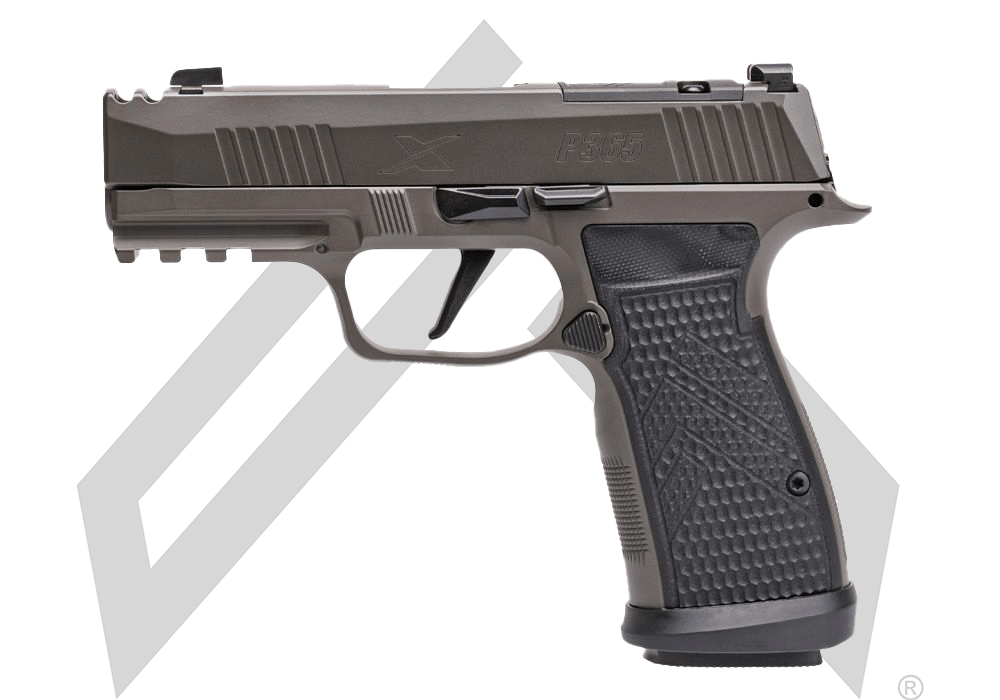
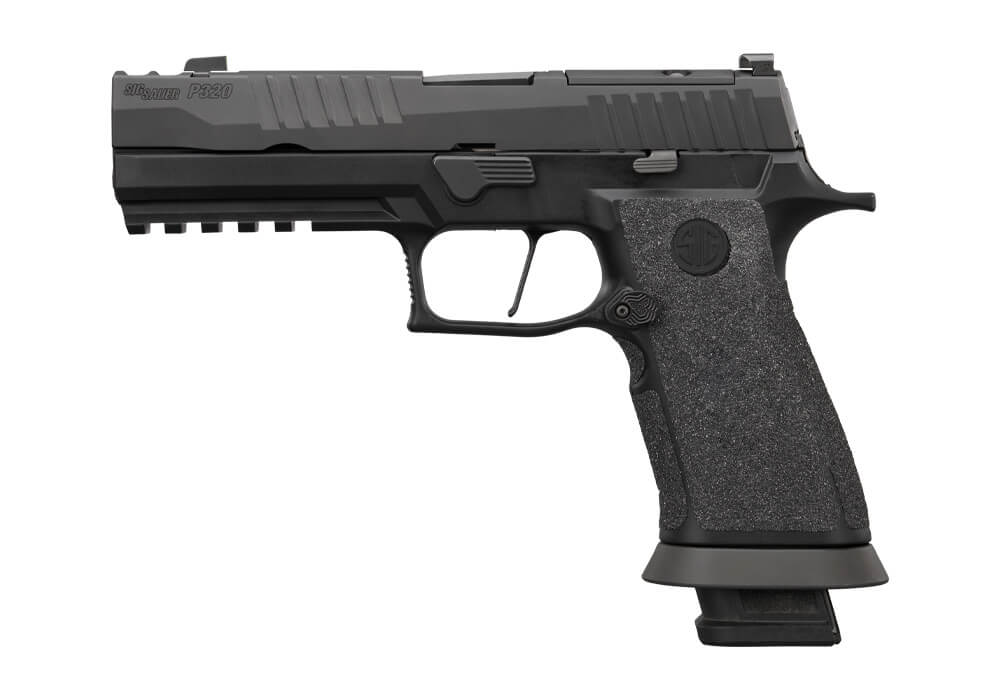
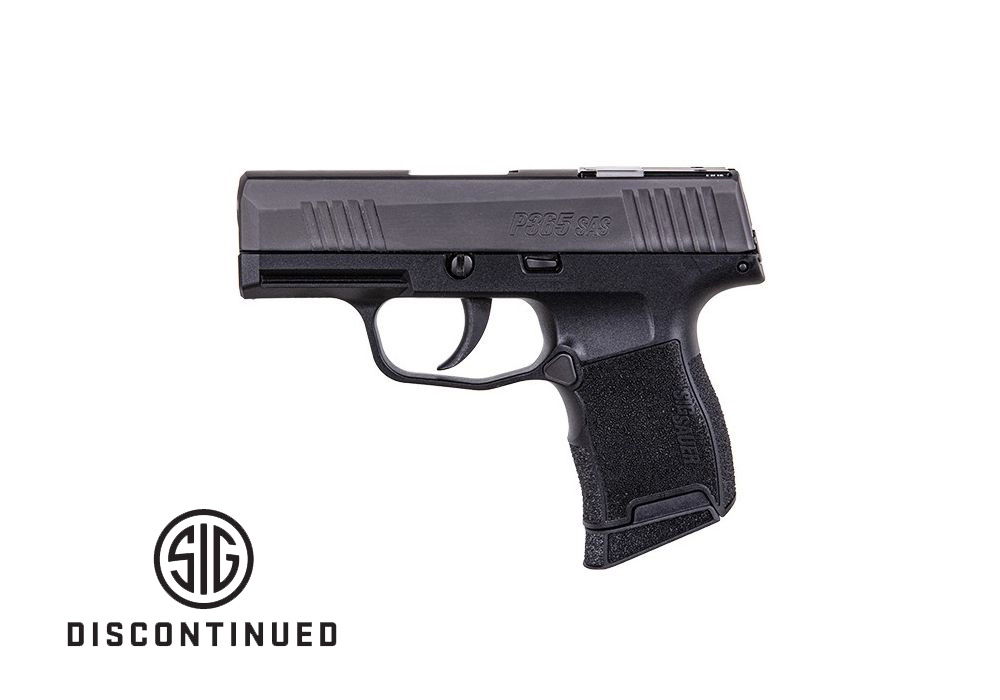
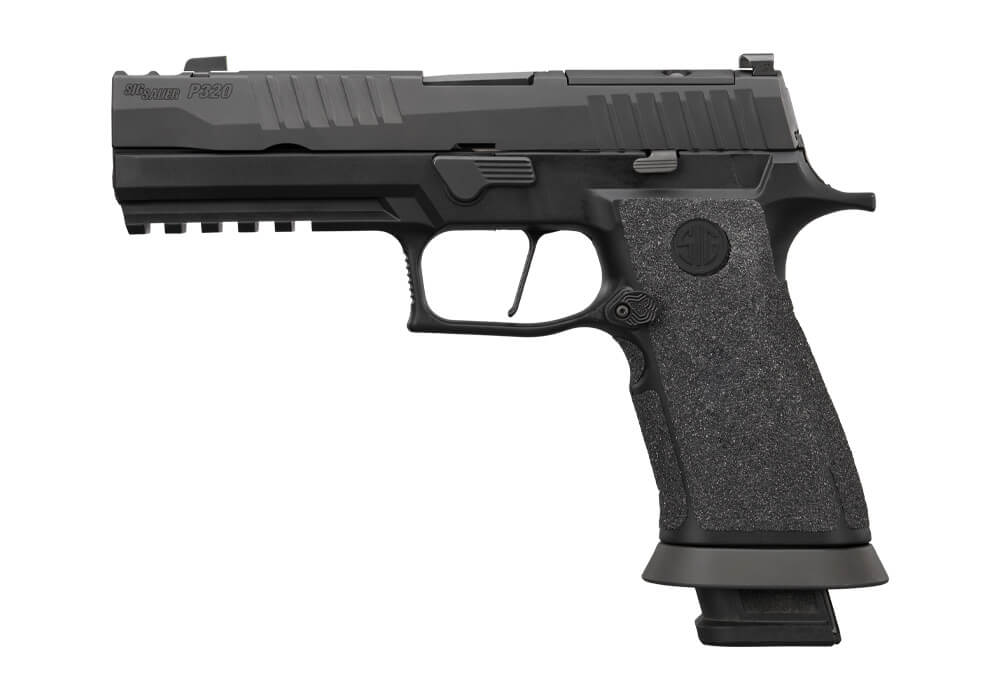
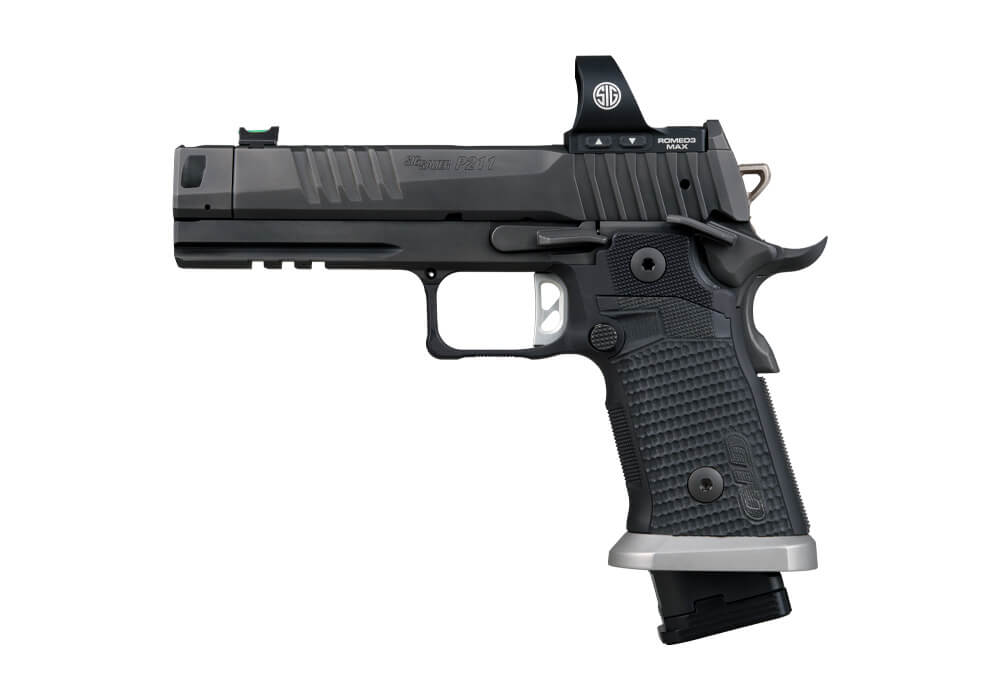
Striker-fired 9mm pistols with compensators combine a familiar, streamlined operating system with features designed to help manage muzzle movement during firing. In a compensated design, carefully positioned ports in the barrel, slide, or both redirect expanding propellant gases upward as the bullet exits, creating downward force that can help reduce muzzle rise and felt recoil. The result may be quicker recovery between shots, a steadier sight picture, and more comfortable practice during longer range sessions. These benefits are especially noticeable when firing controlled pairs or working through defensive drills that require the shooter to return the sights to the target efficiently. Striker-fired pistols are also known for their consistent trigger characteristics, straightforward controls, and relatively simple manual of arms, making them a popular choice for concealed carry, home protection, professional use, training, and recreational shooting. Compensated 9mm models are available in compact and micro-compact formats that balance a smaller footprint with useful shootability, as well as larger crossover and full-size configurations that provide a longer sight radius, more gripping surface, and additional room for accessories. When comparing options, consider how the pistol will fit your hand, how naturally you can reach the trigger and magazine release, and whether the grip remains secure during rapid fire. A pistol that looks compact on paper may feel substantially different once loaded and held in a firing stance, so practical fit matters as much as dimensions. Shooters who are exploring similar frame sizes can also browse Compact Striker Fired Pistols to compare related configurations and find a platform that suits their intended role.
The compensator style is one of the most important details to evaluate. Integrated designs, sometimes identified by slide cuts, barrel ports, or factory-matched compensating components, can preserve a relatively compact overall profile and avoid the added length associated with some externally mounted devices. That can be useful for concealed carry, where holster fit, garment clearance, and the ability to draw smoothly all deserve close attention. Threaded or modular compensator systems may offer flexibility for shooters who want to configure a compatible pistol over time, but they can add length, weight, and another interface that must be checked for secure installation. A compensator is not a substitute for sound grip technique, proper stance, or regular practice. Its effect is influenced by ammunition, bullet weight, barrel length, grip pressure, and the individual shooter’s ability to maintain consistent fundamentals. Some ported designs may produce a brighter flash or a sharper report, particularly in low-light conditions, so eye and hearing protection remain essential at the range. Port tracks and openings can also collect powder residue more visibly than a conventional slide and barrel, making routine inspection and cleaning an important part of ownership. Follow the manufacturer’s instructions for disassembly, lubrication, ammunition compatibility, and maintenance, and use a holster designed for the exact pistol and compensator configuration. Standard and extended capacity magazines may be available depending on the model, but magazine dimensions can affect concealment, reload technique, and overall balance. It is also wise to confirm that your chosen magazines, sights, optics, and holster work together before relying on the setup for defensive use. For anyone transitioning from a traditional hammer-fired handgun, training should include learning the striker-fired pistol’s trigger system, passive safety features, slide operation, and safe storage procedures.
These pistols can serve a range of responsible owners, from an experienced shooter refining fast follow-up shots to a newer handgun owner looking for a manageable 9mm platform with modern handling characteristics. A compact compensated pistol can be a practical choice for discreet carry when paired with a secure belt, an appropriate holster, and clothing that allows a complete grip without exposing the firearm. A larger model may be more comfortable for practice, duty-oriented applications, home protection, or competition because its fuller grip and longer frame can make recoil management easier and provide more support for mounted lights or optics. Before selecting one, review local laws and regulations governing purchase, possession, transportation, magazine restrictions, concealed carry, and the use of compensators or threaded components. Buyers should also account for training costs, safe storage, holsters, eye and ear protection, spare magazines, and reliable range ammunition rather than focusing only on the initial price. A firearm can be a meaningful gift for a legally eligible adult who has expressed a genuine interest in responsible ownership, but it should never be presented casually or transferred without following all applicable laws and required procedures. In many cases, a safer and more personal gift is a contribution toward a training class, secure storage solution, range membership, or professional fitting session, allowing the recipient to choose a configuration that fits their hand and intended use. Whether used during a quiet practice session as the weather warms or for structured training during the cooler months, a striker-fired 9mm pistol with a compensator rewards thoughtful setup and consistent fundamentals. Inspect the firearm before each session, verify it is unloaded when handling or storing it, keep the muzzle pointed in a safe direction, keep your finger outside the trigger guard until ready to fire, and store it locked and inaccessible to unauthorized users.




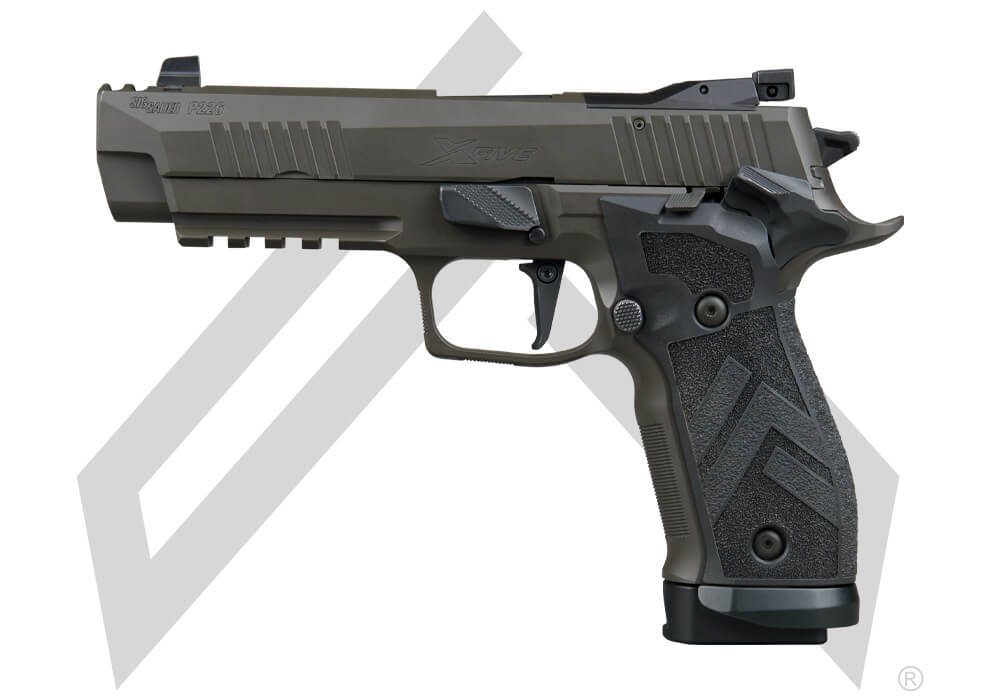
![[["P226, 9MM, 4.4IN, LEGION, SAO, X-RAY 3, TXG GRIP, (3) 20RD STEEL MAG, MAGWELL, ","COMP, ROMEO X PRO, SIG-LOC"]]](http://www.sigsauer.com/media/catalog/product/2/2/226x5-9-legion-sao-rxsl-left_4.jpg)