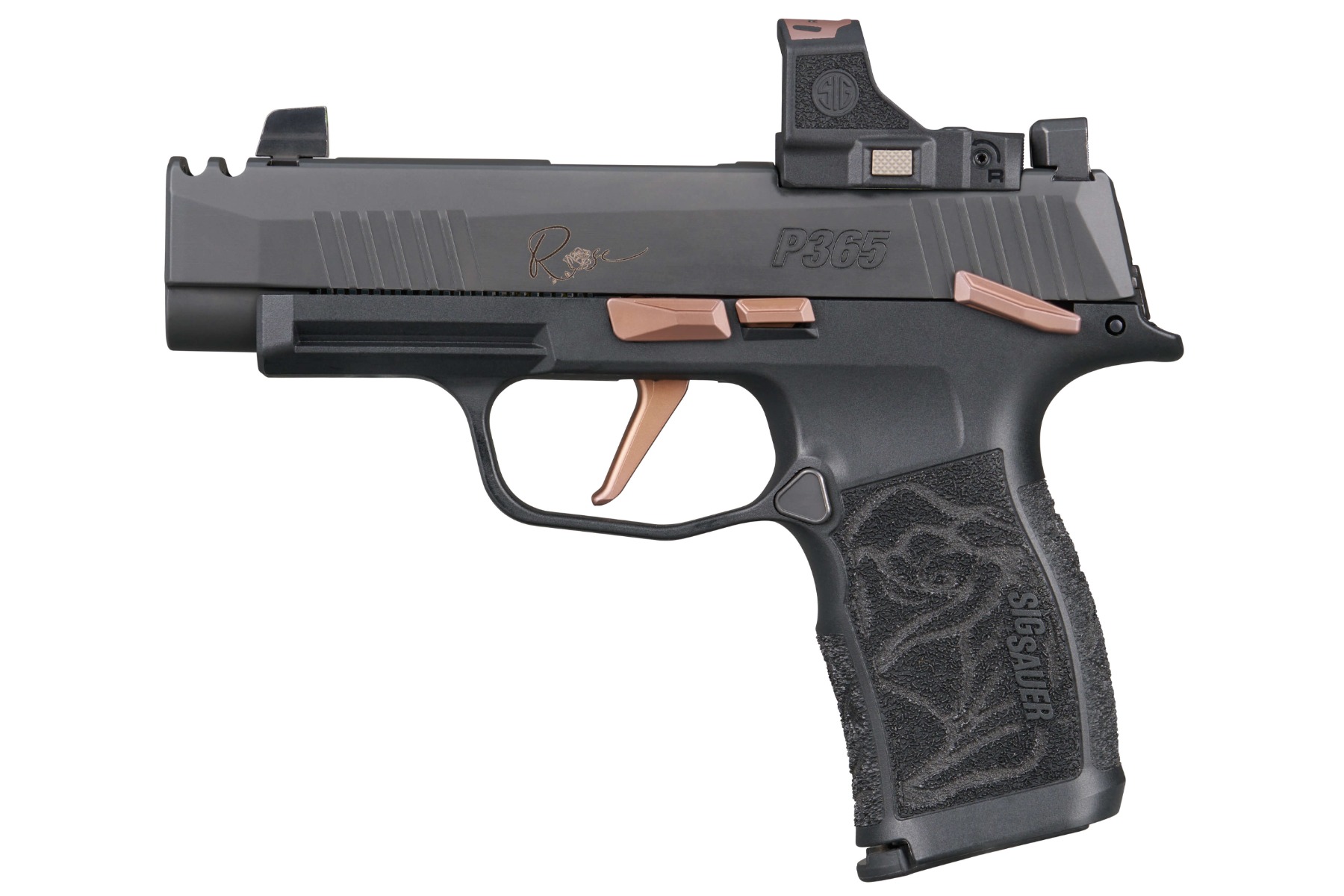
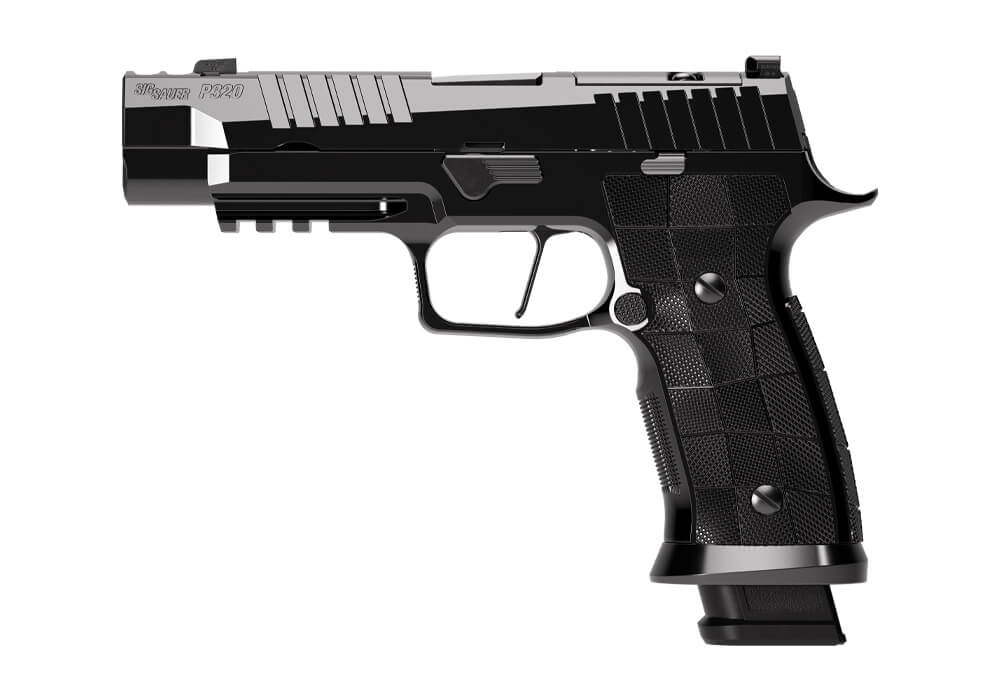
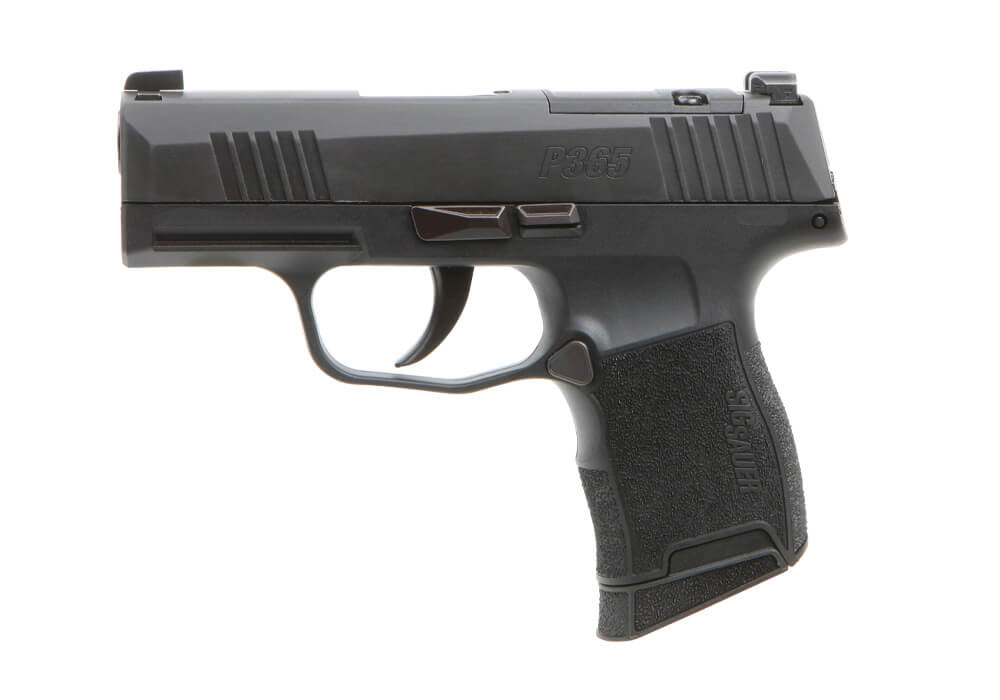
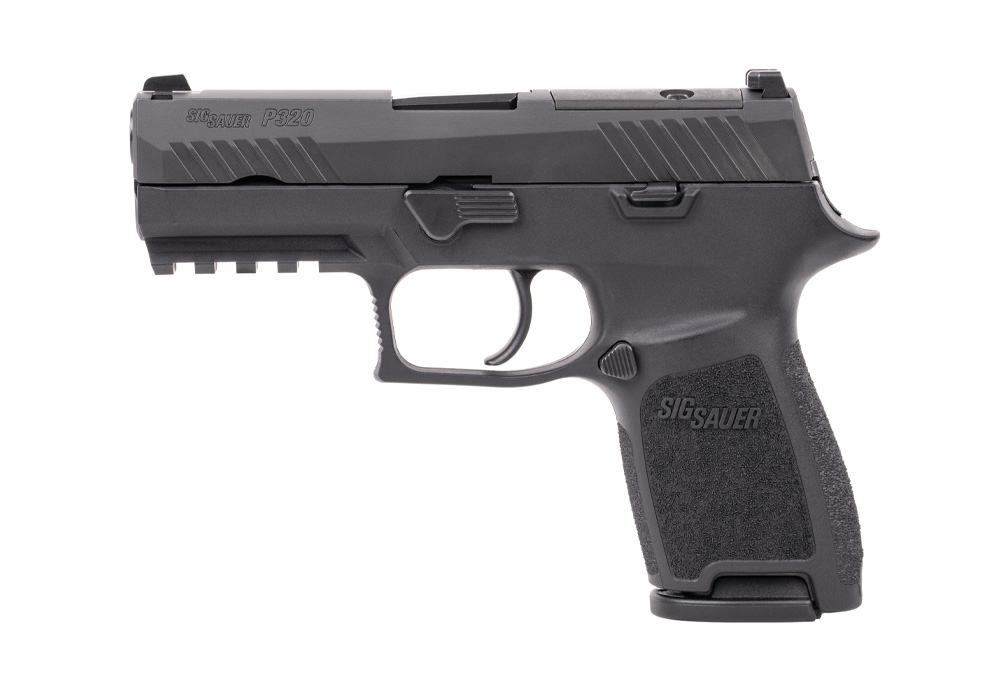
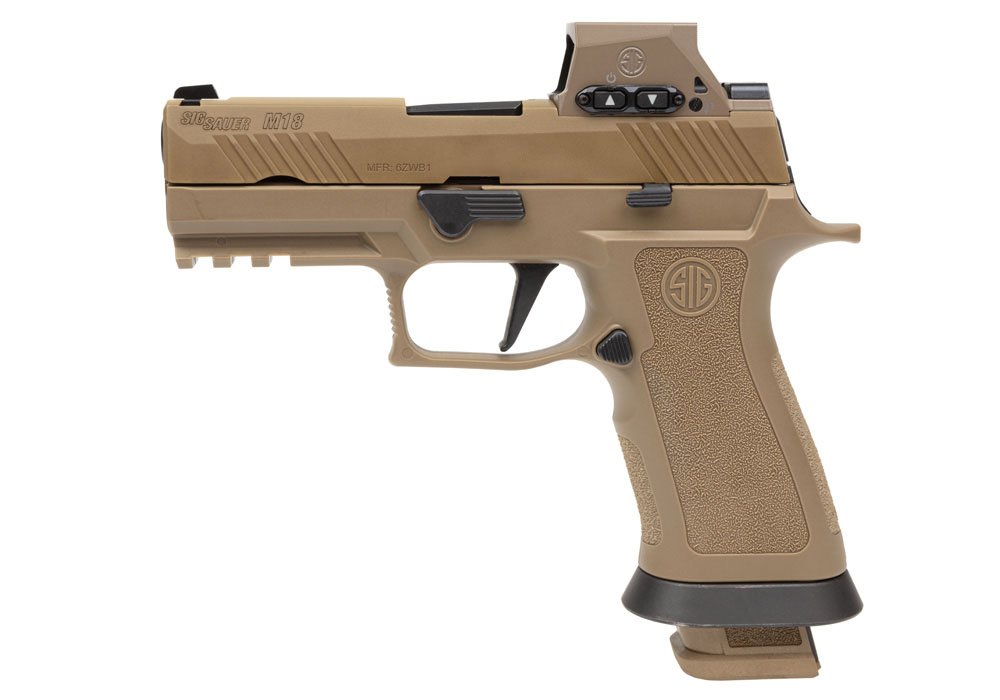
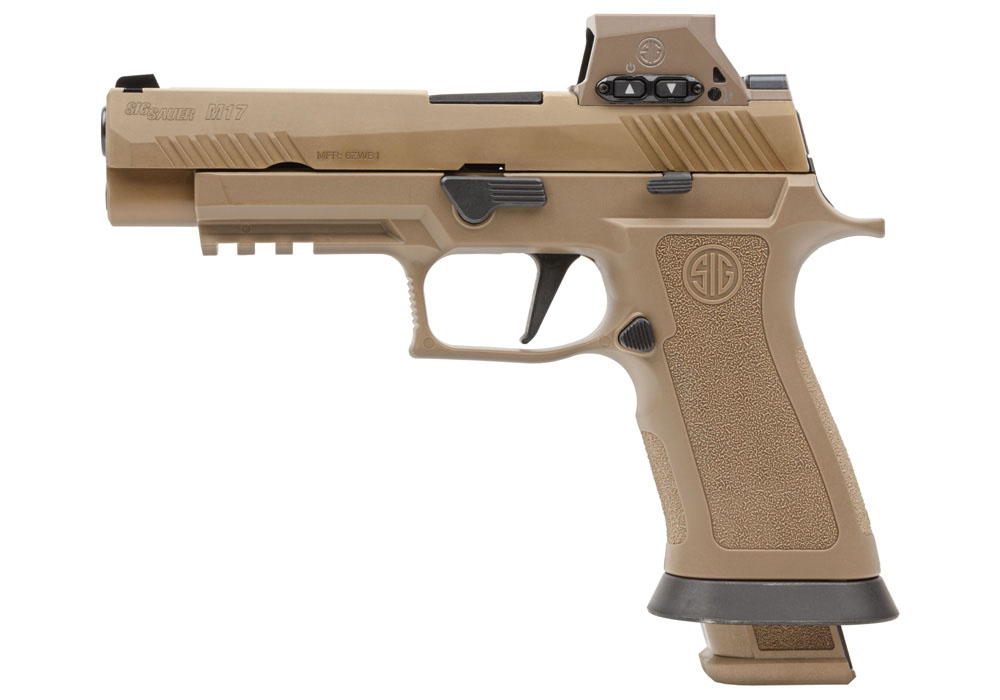
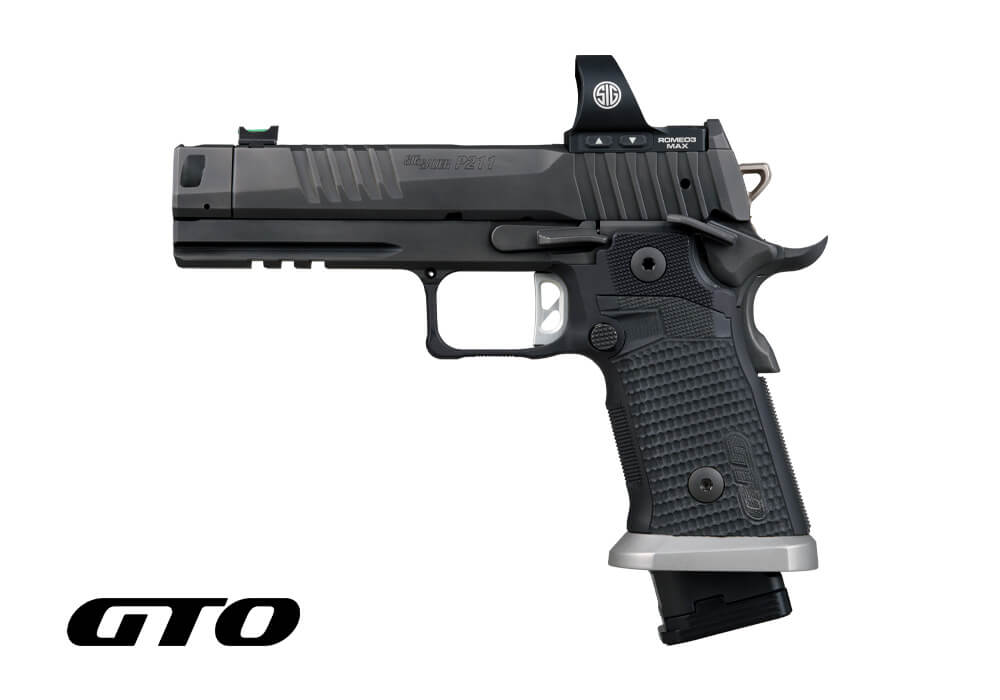
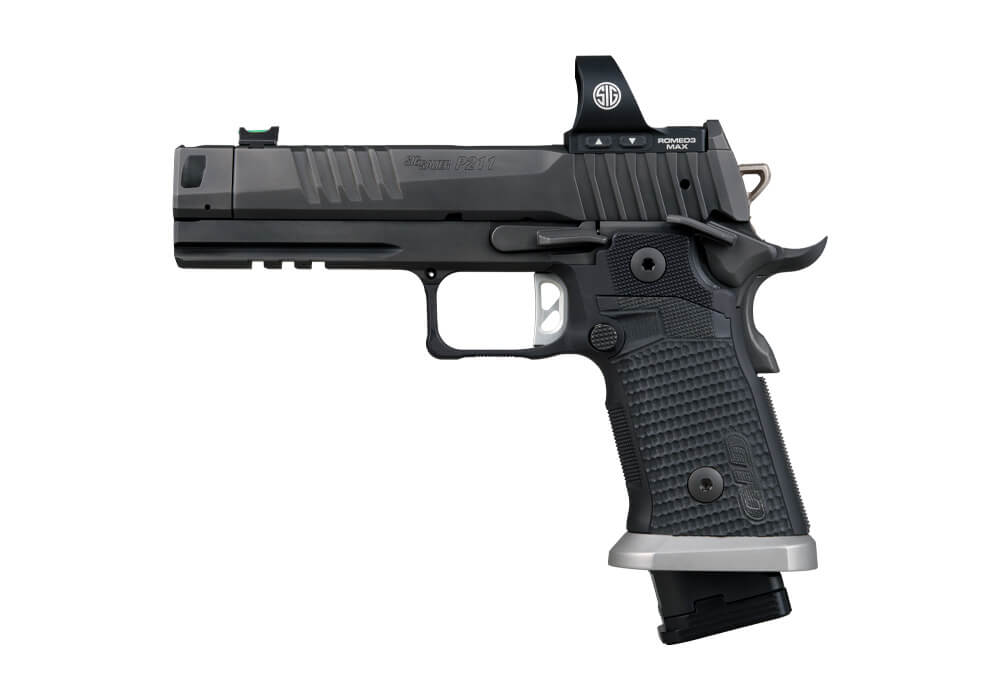
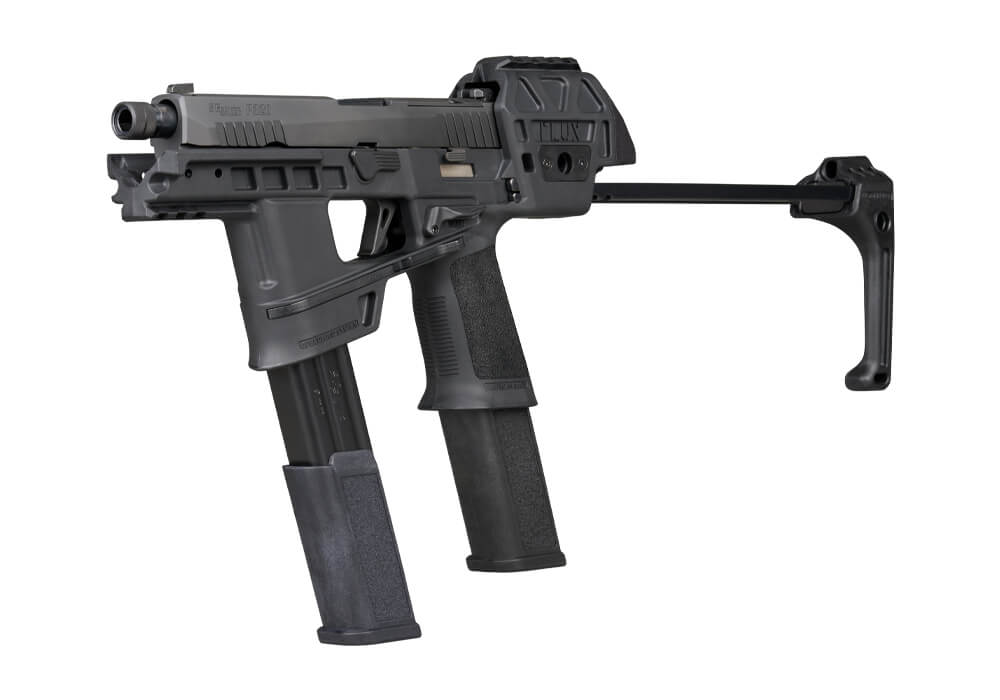
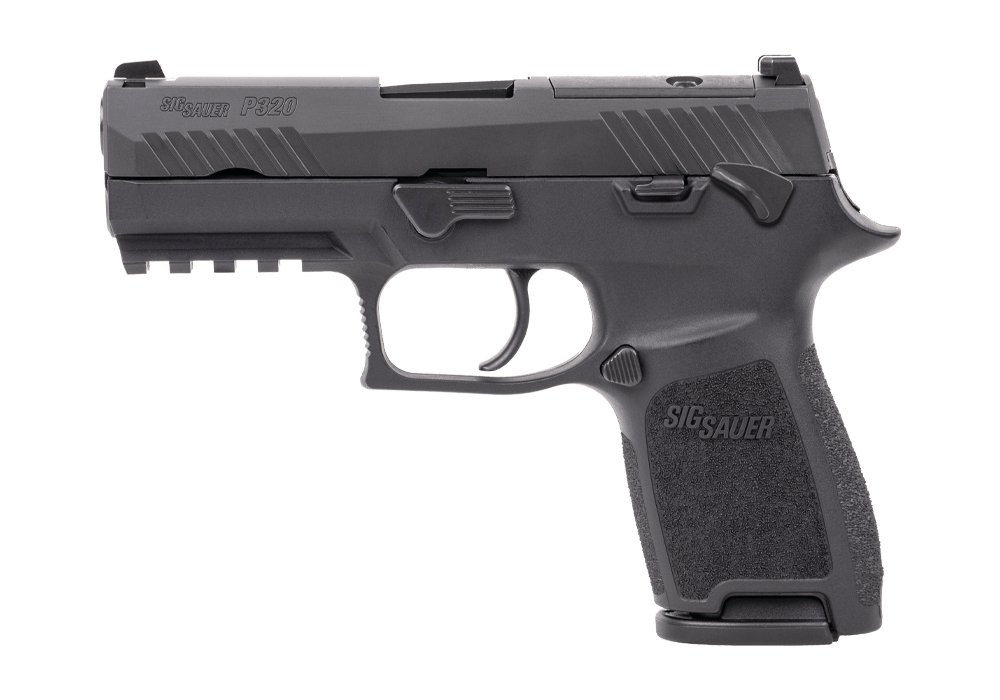
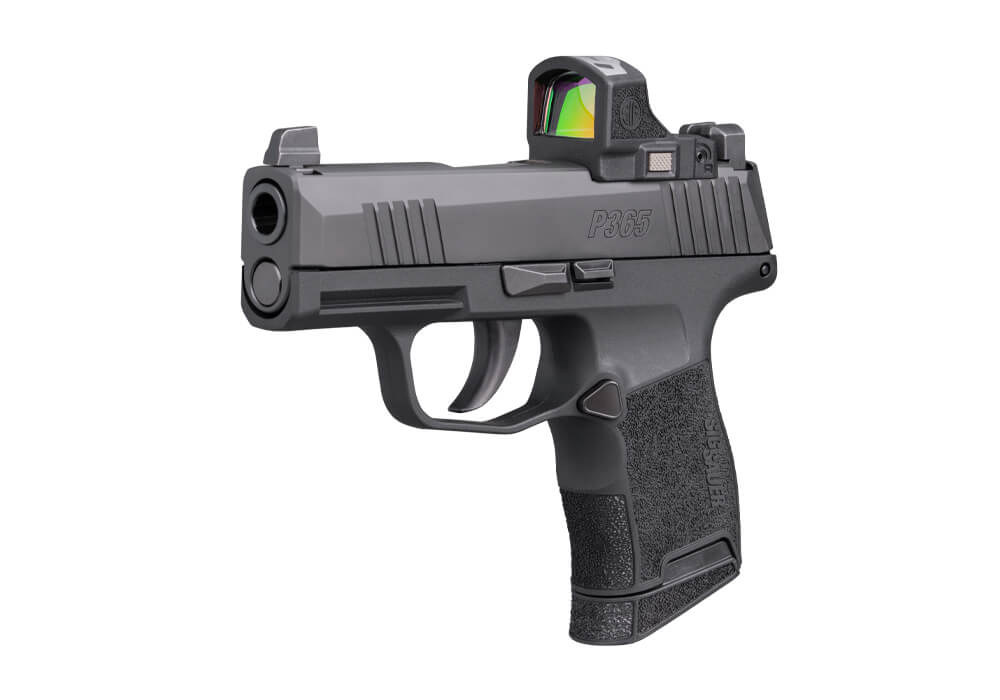
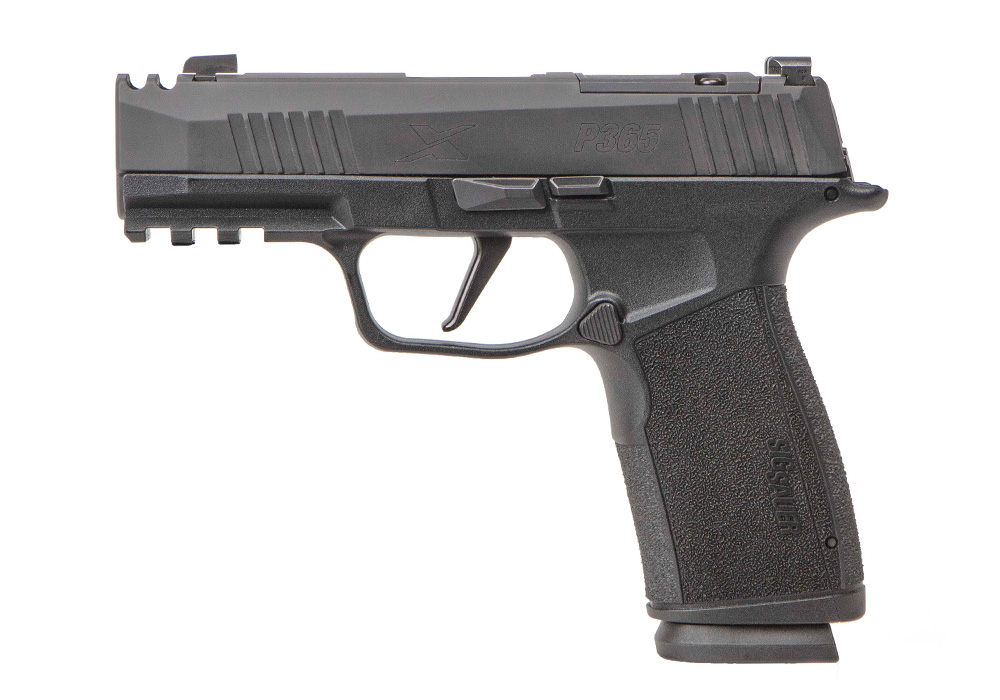
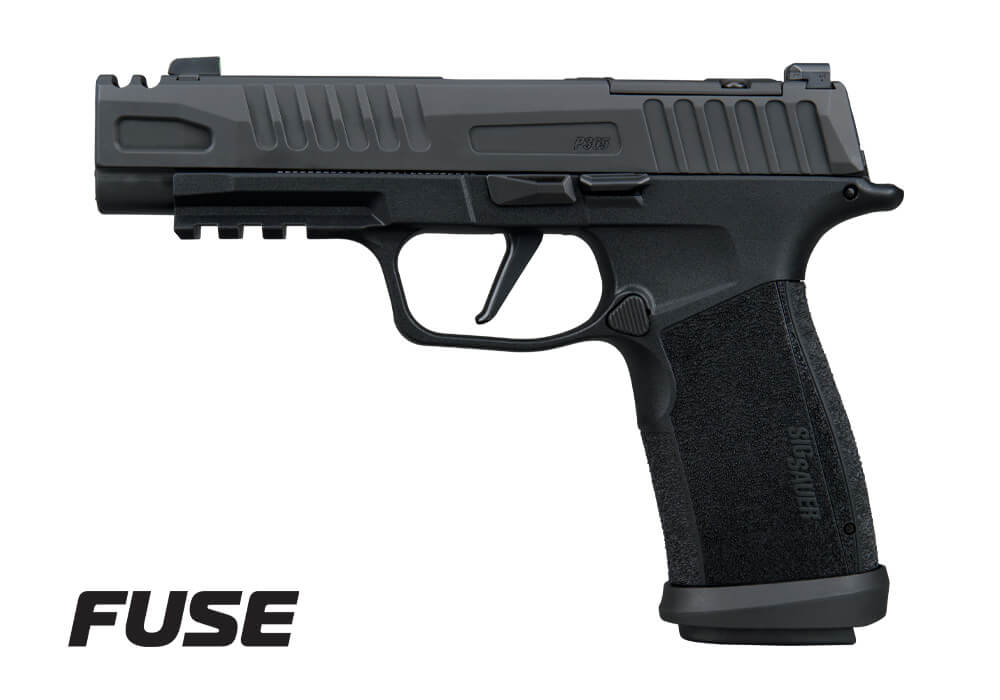
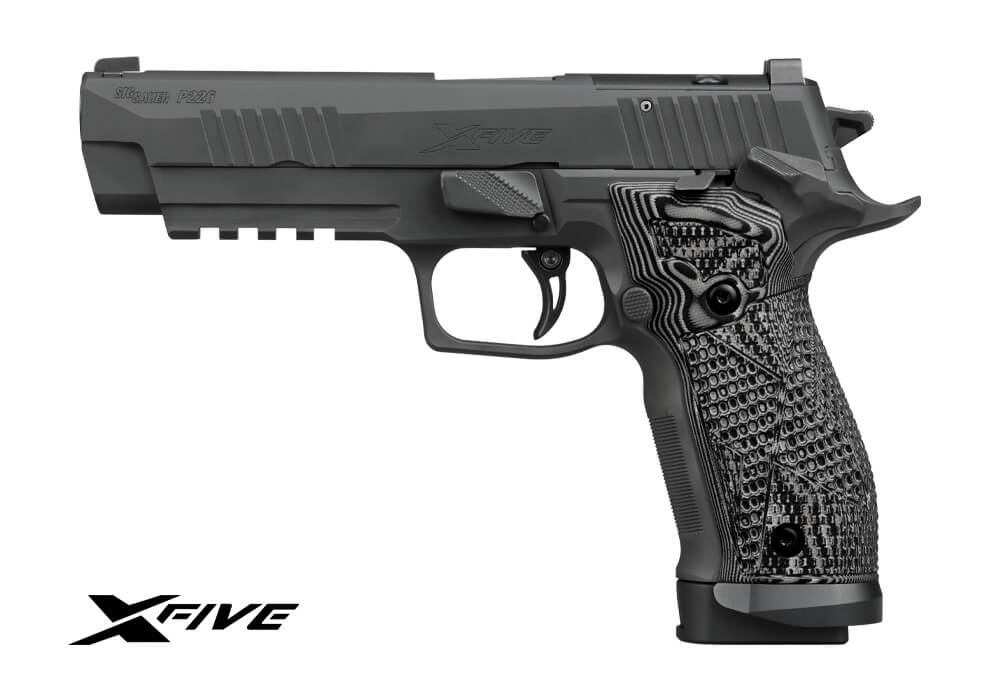
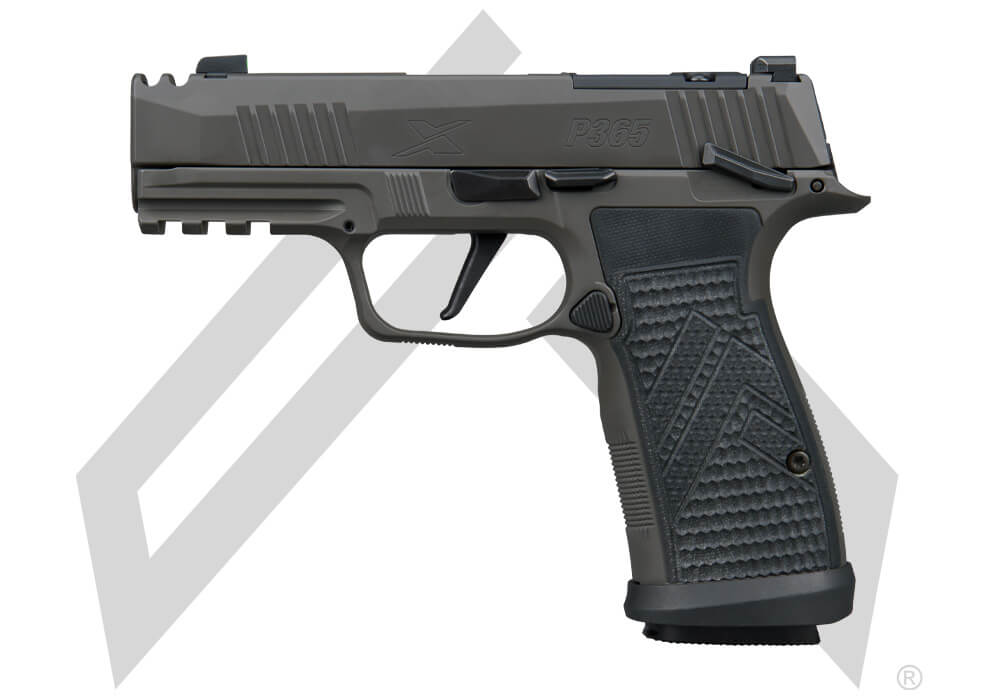
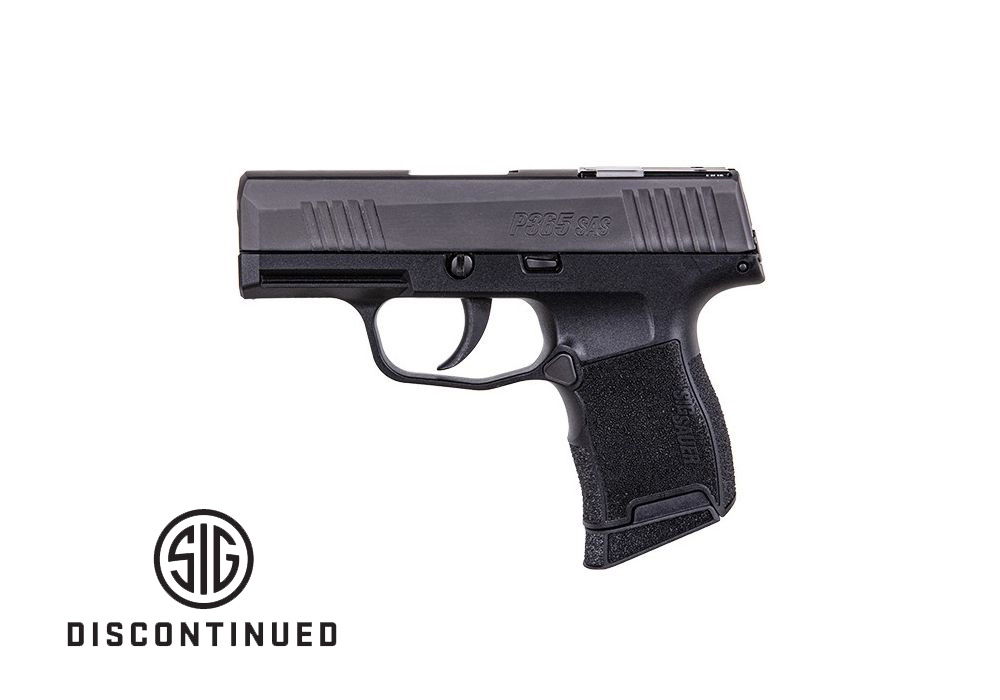
Striker-fired 9mm pistols with red dot compatibility combine a familiar operating system, widely available ammunition, and a slide designed to accept a compact reflex optic. Instead of relying only on traditional front and rear sights, the shooter can use a bright aiming point projected in the optic window, which may be easier to see in changing light and simpler to track during practice. These pistols are available in several practical sizes, from slim subcompact frames intended for concealed carry to compact and full-size configurations that provide a longer sight radius, more grip area, and a steadier platform. When comparing options, consider how the pistol will be carried, stored, and practiced with, as well as how comfortably it fits the intended user’s hand. A shorter grip may conceal more easily beneath a light shirt, while a larger grip can be easier to control during extended range sessions. Weight matters, too: a lighter pistol may be convenient for daily carry, but a slightly heavier model can feel softer in recoil. Look for controls that are easy to operate without shifting your firing grip, a trigger that breaks cleanly and consistently, and sights that remain visible through or alongside the mounted optic. A dependable optic-ready cut is only part of the selection process; the pistol should also feel natural when unloaded in the hand, point comfortably, and allow the shooter to reach the magazine release and slide stop without awkward movement. Those shopping for a first defensive handgun may appreciate the straightforward controls and broad training support associated with striker-fired designs, while experienced shooters may be looking for a refined trigger, improved ergonomics, or a familiar platform that accepts an existing optic. For shoppers comparing related frame sizes, the selection of Compact Striker Fired Pistols can provide additional context when balancing concealability, handling, and sighting options.
Red dot compatibility depends on the slide cut, mounting system, and footprint rather than on the 9mm chambering itself. Some pistols use a direct-mount interface for a particular optic pattern, while others include an optics-ready slide with interchangeable adapter plates. Common footprint categories include the compact RMSc or K-style pattern used by many slim carry optics, as well as the larger RMR-style pattern often selected for compact and full-size pistols. The exact compatibility should always be confirmed in the manufacturer’s specifications before purchasing an optic, plate, or replacement hardware. A proper fit requires more than matching the outline of the optic: screw length, thread pitch, plate thickness, recoil lugs, and torque specifications all affect reliability. An optic that sits low enough to preserve a comfortable presentation may also allow the factory iron sights to remain visible through the window, creating a useful backup sighting arrangement. Other setups may require suppressor-height or optic-height sights, depending on the slide and mounting system. Consider the optic’s window size, brightness controls, battery access, automatic illumination features, and resistance to rain, dust, and repeated recoil. A smaller enclosed or low-profile optic can support discreet carry, while a larger window may make it easier to find the aiming point during fast presentations. The pistol, optic, and holster should be treated as one system: a holster must protect the trigger area, provide secure retention, and leave enough clearance for the optic without pressing on its controls. Magazine options may include standard or extended capacity configurations, but local laws and applicable restrictions should be reviewed before purchase. Because every hand and presentation is different, the most useful comparison is often made with an unloaded firearm at a qualified retailer or range, checking grip texture, reach, balance, and optic visibility from a safe, consistent stance.
These pistols can serve a variety of responsible roles, including structured range practice, home protection, professional use where authorized, and concealed carry by trained adults who have selected a suitable holster and understand the laws governing possession and transport. A red dot can be especially helpful for shooters who find a single illuminated aiming point easier to focus on than aligning three separate iron sights, although it still requires practice. The presentation must become consistent, and the optic lens must be kept clear; a dot does not replace safe gun handling, sound judgment, or familiarity with the pistol’s controls. New owners should plan for a quality instruction course, regular unloaded practice, and live-fire sessions that begin slowly before adding movement, distance, or time pressure. Confirm that the pistol cycles reliably with the chosen ammunition and that the optic maintains zero after mounting, following the manufacturer’s installation and maintenance instructions. Anyone considering one as a gift should make safety and legal eligibility the first priorities. A firearm is a personal purchase, and a recipient may have strong preferences about grip size, trigger feel, optic footprint, and carry method, so a gift card, supervised shopping trip, or training experience may be more appropriate than selecting a specific model without input. Safe storage is equally important, particularly in homes with children or visitors; use a suitable locking container, keep ammunition secured as appropriate, and make sure authorized users understand the storage routine. During the warmer season, lighter clothing can make concealment and holster selection more demanding, while cooler months may allow more flexibility but can introduce heavier layers that affect access and presentation. Regardless of season, choose the configuration that fits the user, the intended purpose, and the training plan, then build confidence through careful handling and repeatable practice.