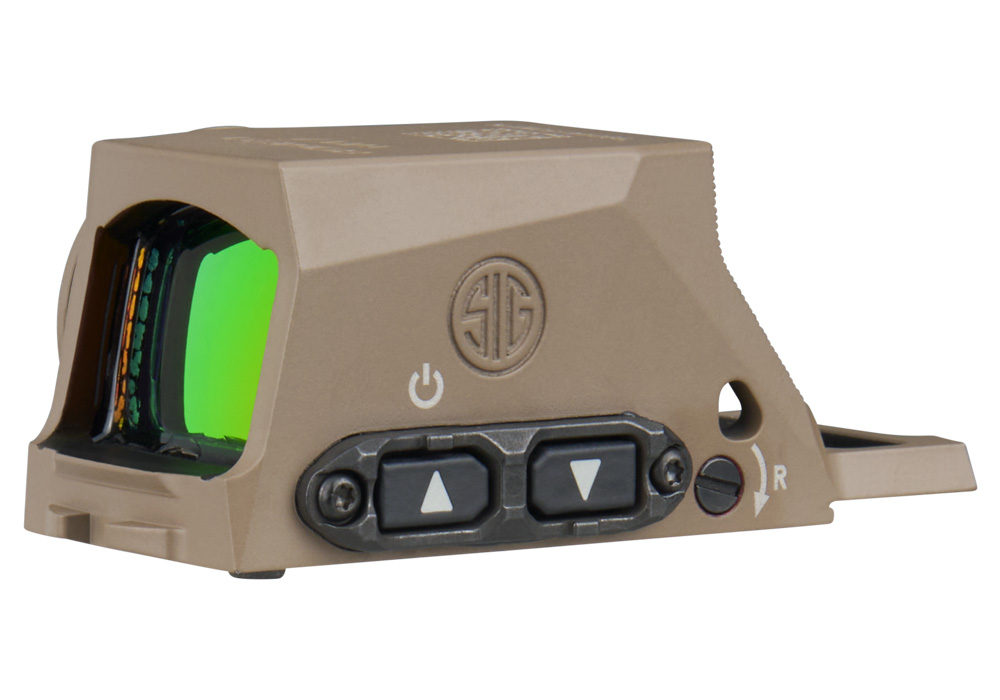
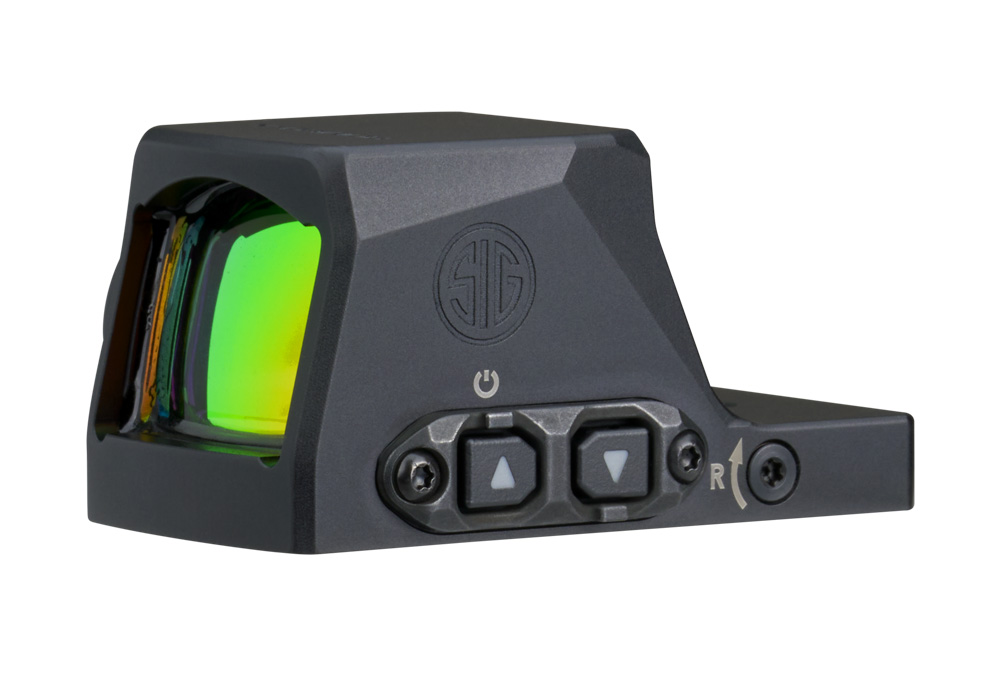
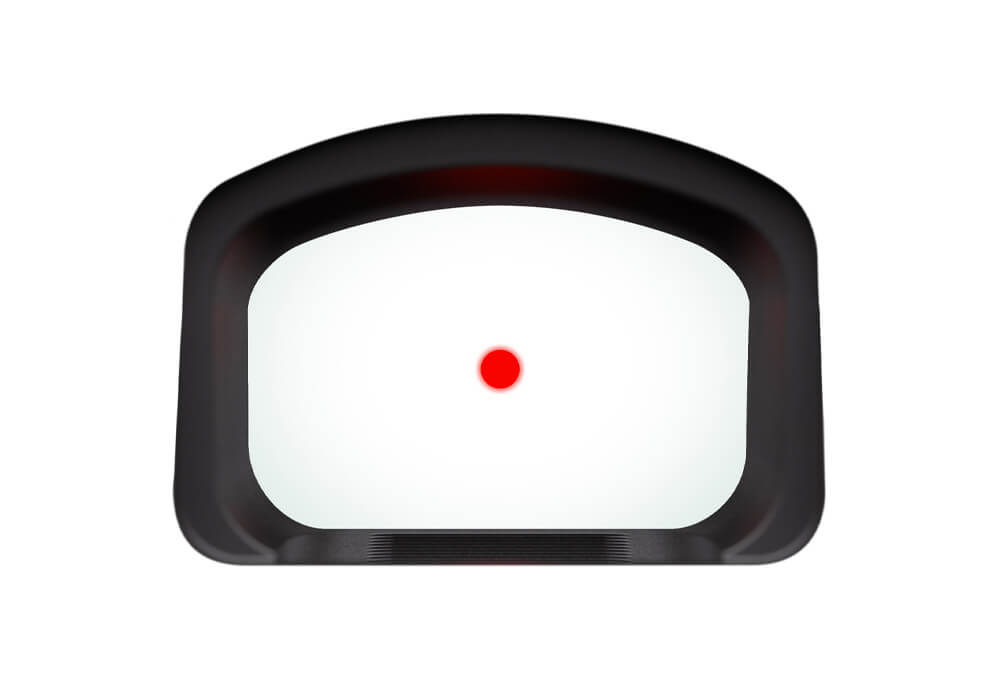
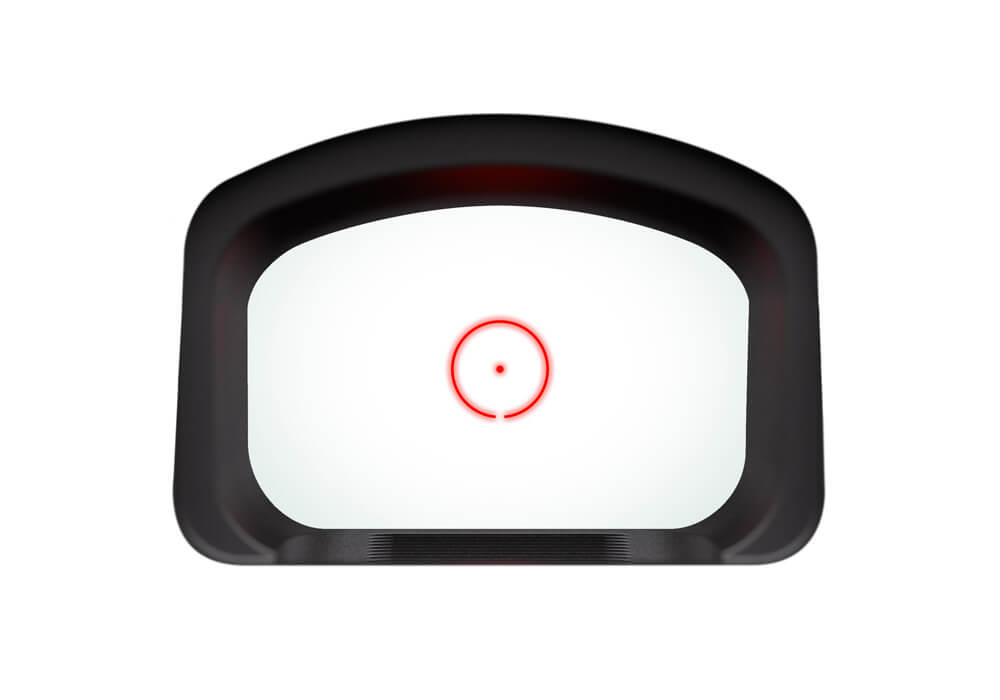
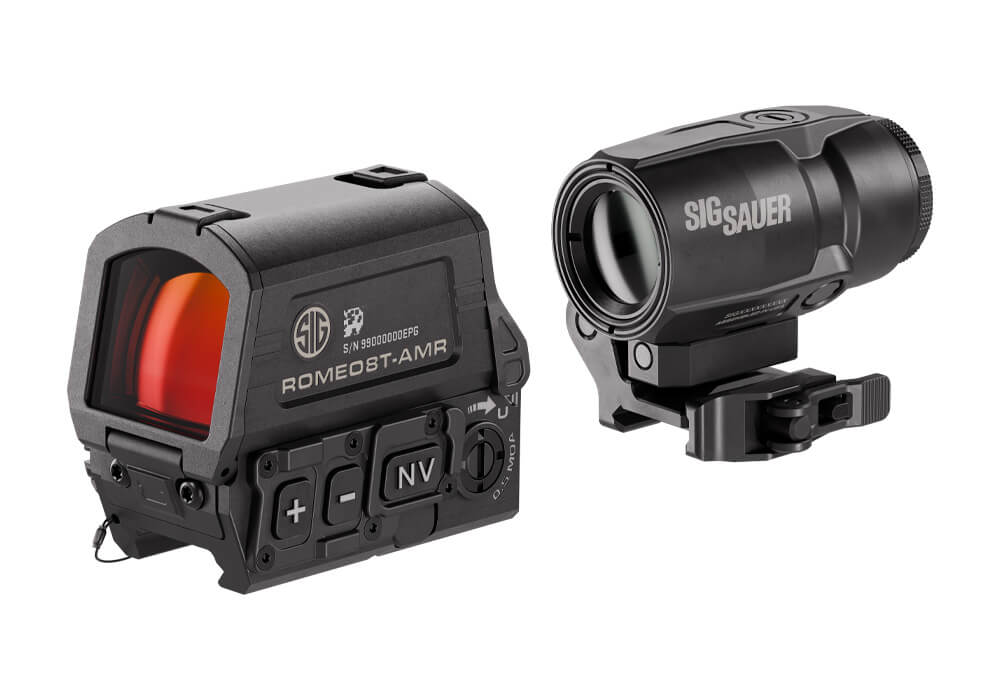
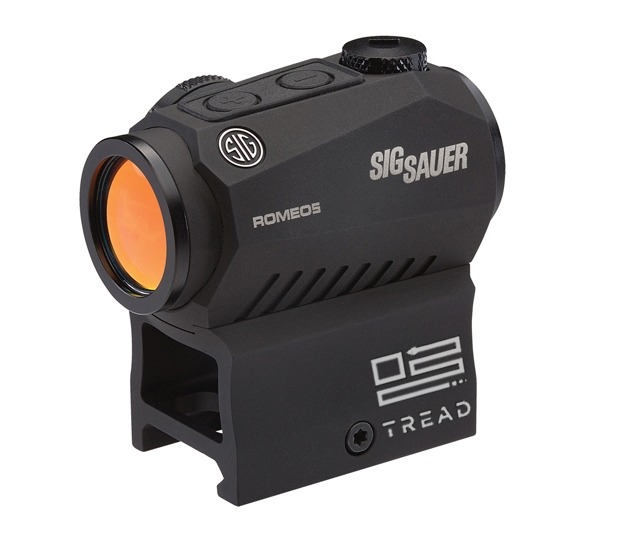
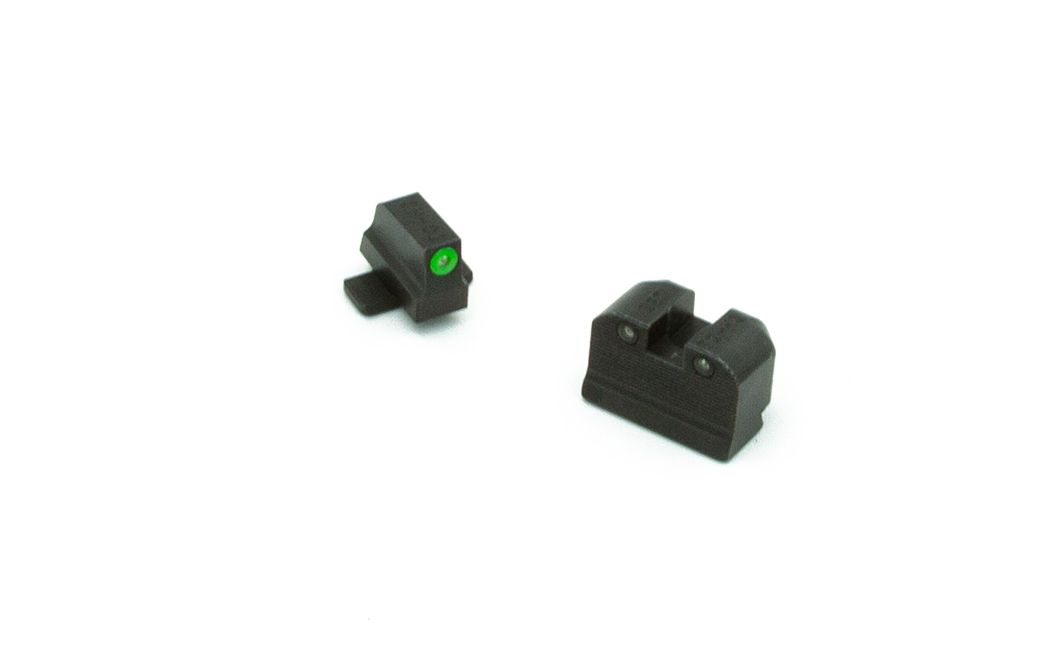
Firearm compatible red dot sights provide a fast, clear aiming reference by projecting an illuminated point onto a lens, helping the shooter keep both eyes open while maintaining awareness of the surrounding environment. They are commonly selected for handguns, rifles, carbines, and other firearms equipped with a compatible mounting system, with the right choice depending on the firearm’s intended role, available mounting space, and the shooter’s experience. On a handgun, a compact optic may support quick target acquisition for range practice, training, competition, or lawful defensive use, while a sight designed for a rifle or carbine typically offers a larger housing, a wider viewing window, and a mounting interface suited to a receiver rail. Red dot sights are also useful for shooters who find traditional front-and-rear sights more difficult to align, including those managing changing eyesight or preferring a simpler point-of-aim system. The illuminated aiming point does not replace safe firearm handling, proper identification of a target, or a consistent shooting position, but it can make the sighting process more intuitive once the optic is properly mounted and zeroed. For many owners, the experience is especially noticeable during early practice sessions: instead of carefully lining up three separate sight elements, the shooter can focus on the target and place the dot where the shot is intended to go. As the weather shifts through the cooler months, a dependable optic can remain a practical addition for indoor range sessions, structured training, and outdoor shooting when visibility, gloves, or changing light make a familiar sight picture more important.
Compatibility should be the first consideration when comparing firearm compatible red dot sights. A pistol optic must match the cut machined into the slide or the adapter plate used with that firearm; common footprints include RMR, RMSc, and DPP-style patterns, but compatibility is determined by the exact firearm, slide, plate, and mounting hardware rather than by the sight’s appearance alone. Confirm the footprint, screw pattern, screw length, and any required spacer before ordering, and consult the firearm and optic manufacturer’s specifications whenever possible. A sight that fits a compact slide may not share the same mounting pattern as a full-size pistol, even when both firearms use similar ammunition. Rifle and carbine optics are often installed on Picatinny rails, where rail position, eye relief, co-witness height, and available space all affect the setup. Shoppers looking for rail-mounted configurations can review Picatinny Mount Red Dot Sights while comparing the mounting requirements for their firearm. Open-emitter designs are often compact and lightweight, making them appealing for concealed-carry pistols and streamlined range setups. Enclosed-emitter designs surround the optical system within a sealed housing, helping keep out lint, rain, dust, and other debris that can be encountered during daily carry, field use, or training outdoors. A larger window may make it easier to find the dot during presentation, while a smaller profile can reduce bulk on a handgun that must be carried in a fitted holster. Battery access, brightness controls, automatic illumination settings, night-vision compatibility where applicable, lens coatings, housing construction, and water or shock resistance are additional details worth reviewing. Dot size is another personal preference: a smaller dot may support precise aiming at distance, while a slightly larger dot can be easier to locate quickly, especially in bright conditions or during movement. The best configuration balances those characteristics with the firearm’s size, the holster or sling system, the user’s training goals, and the conditions in which the optic will actually be used.
A red dot sight can be a meaningful gift for a responsible firearm owner, competitive shooter, hunter, range regular, or family member who is building a carefully selected setup, but compatibility should be confirmed before purchasing. An optic chosen without knowing the firearm’s footprint may require an additional plate, different hardware, or a professional installation, so a gift card or a sight selected from verified firearm specifications can be more practical than guessing based on appearance. Installation should be completed according to the manufacturer’s instructions, with the correct fasteners and torque values, and a qualified gunsmith can help when a slide must be cut, an adapter must be fitted, or the mounting arrangement is uncertain. After installation, the optic should be checked for a secure mount, a clear lens, proper illumination, and a reliable zero at the distance appropriate for the firearm and intended use. Shooters should expect to spend time practicing presentation and learning to find the dot naturally; the optic is most useful when the firearm rises into a repeatable position and the shooter maintains a consistent grip and stance. Keep the lens clean with suitable materials, inspect the mounting screws periodically, and replace or recharge the battery according to the manufacturer’s recommendations. Storage conditions, dust, moisture, and frequent transport can all affect maintenance needs. During cooler outdoor sessions, gloves and reduced daylight may make control placement and brightness settings more important, while bright open conditions may call for a more visible illumination level. Whether paired with a handgun for compact carry, a carbine for training, or a rifle for recreational shooting, firearm compatible red dot sights offer a practical way to refine the sight picture and make each session more consistent. Select an optic that matches the firearm, mount it correctly, confirm the zero, and build familiarity through safe, deliberate practice.