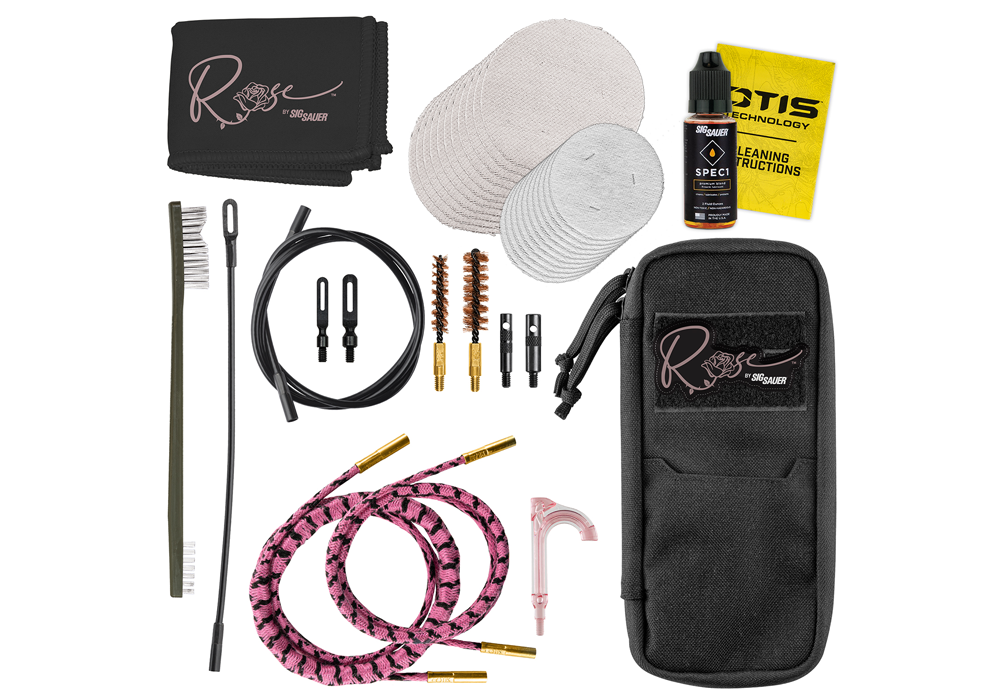
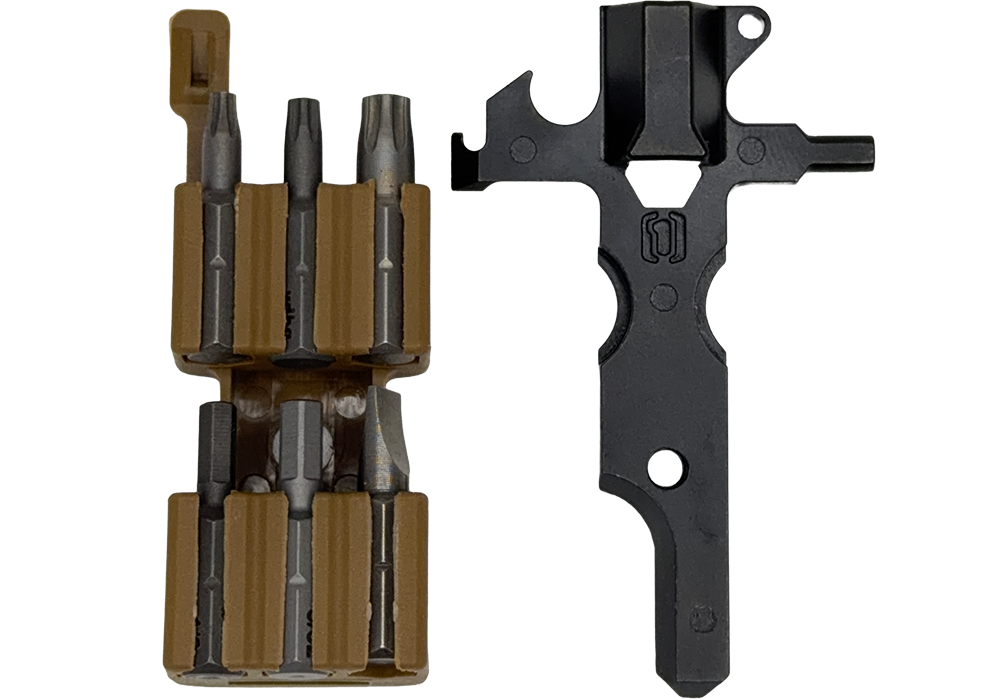
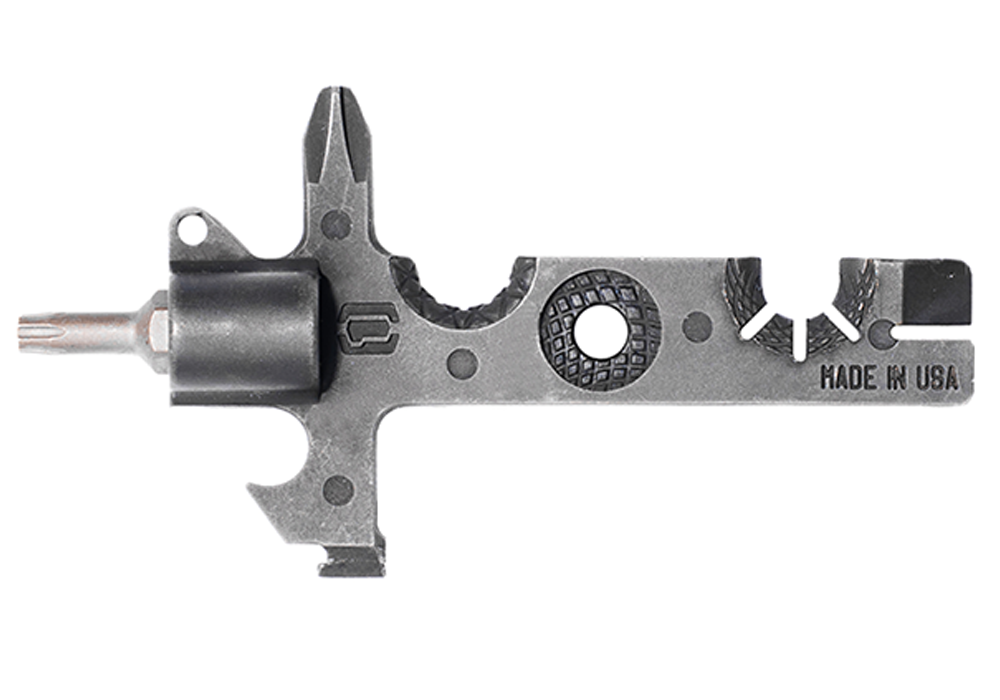
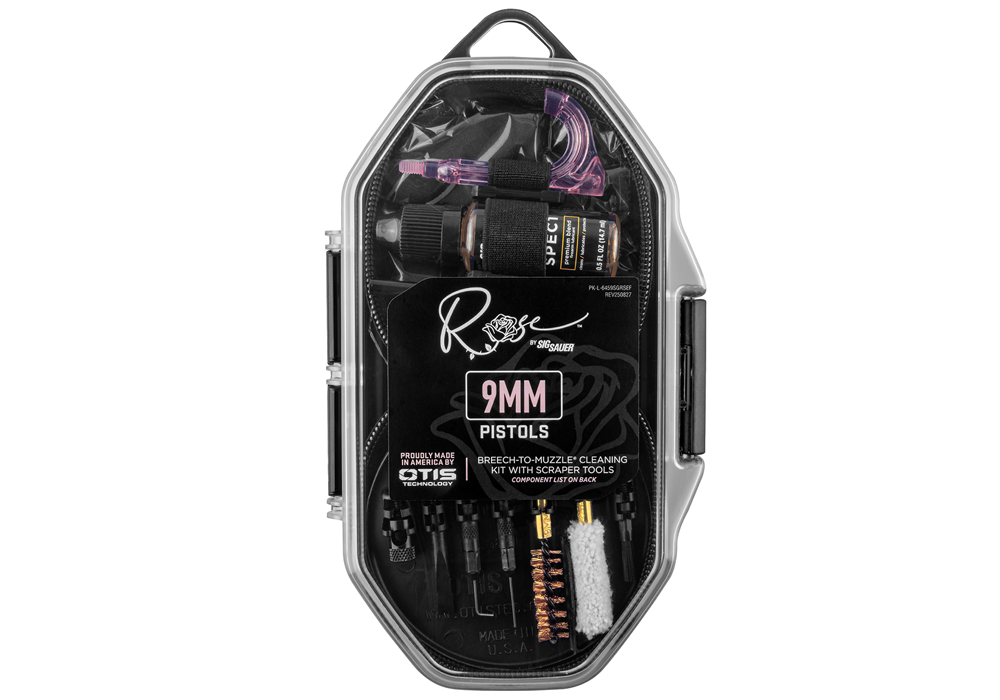
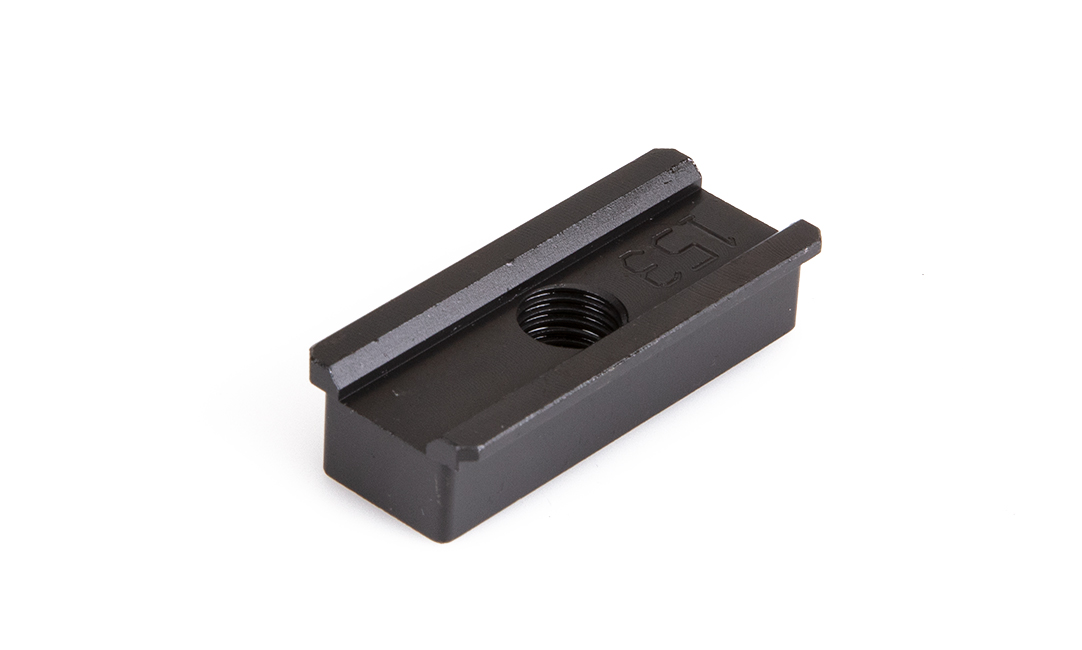
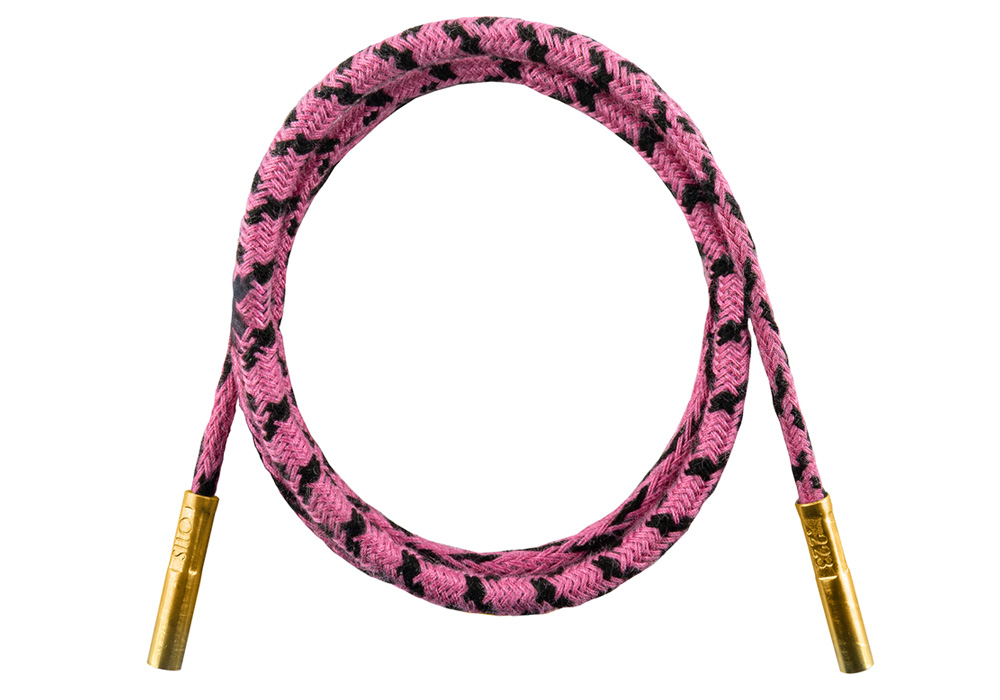
Tools for maintenance help keep firearms, accessories, and supporting equipment clean, inspected, adjusted, and ready for responsible use. A well-chosen maintenance kit may include precision hand tools, drivers, bits, brushes, picks, cleaning implements, measuring equipment, protective gloves, and organized storage for small parts. These tools serve different purposes: hand tools provide controlled grip and torque for fastening or removing components, while specialty implements help reach confined spaces and protect finished surfaces from unnecessary contact. For firearm owners, a maintenance setup is often used after range sessions, before storage, or as part of a regular inspection routine. Removing residue, checking fasteners, confirming that components move as intended, and looking for signs of wear can all be easier when the right tools are close at hand. A stable, well-lit work surface and a tray or mat for containing pins, springs, screws, and other small parts can make the process more orderly, especially when working with compact components. Always begin with the firearm unloaded, remove all ammunition from the work area, and follow the manufacturer’s safety information and service instructions. Tools intended for general household repairs may not offer the fit or control needed for firearm maintenance, so purpose-built options are worth considering when protecting delicate finishes and avoiding damage to fasteners. Products in this category can also complement an existing cleaning kit, range bag, or storage setup, giving experienced owners a way to replace worn tools or assemble a more complete workbench without purchasing equipment they do not need.
When selecting Tools For Maintenance, consider the task, the firearm platform, the size of the components, and the level of precision required. A compact kit can be useful for routine care and travel, while an expanded selection may better suit a dedicated workbench or an owner who maintains several firearms. Drivers and bits should fit fasteners cleanly, with attention to both the bit profile and the dimensions involved; a loose fit can damage the fastener and make future service more difficult. Handles with a secure grip are valuable when hands are oily or gloved, and tools with clearly marked sizes help reduce guesswork. Small punches, non-marring picks, alignment tools, and specialty wrenches can assist with controlled disassembly or adjustment when used according to the applicable instructions. For owners who work with mounted accessories, Adjustment Tools can provide a more suitable option than improvised household items, particularly when careful, repeatable movement is important. Measurement and inspection tools have a place as well. A tape measure can help confirm dimensions for storage or accessory placement, a level can support alignment, and a light can reveal residue or wear in areas that are easy to overlook. If electrical accessories are involved, appropriate testing equipment may help identify power or connection issues, but electrical work should be approached with the same caution as mechanical maintenance and performed only within the user’s training and the product’s instructions. Durability matters, yet durability does not always mean choosing the largest or heaviest tool. A balanced kit with corrosion-resistant materials, dependable construction, and practical organization is often more useful than a collection filled with duplicates. Storage is part of the decision too: a fitted case, divided organizer, or roll can keep sizes together, prevent tools from contacting one another, and make it easier to notice when something is missing.
Maintenance tools are useful for a wide range of owners, from a first-time firearm buyer learning the importance of routine care to an experienced enthusiast who prefers to handle regular inspections at home. They can also be thoughtful gifts for someone setting up a first workbench, preparing for more frequent range visits, or replacing an assortment of mismatched tools gathered over time. A gift-ready maintenance selection is especially practical because it supports an existing interest without requiring knowledge of every accessory or ammunition preference. For a new owner, a straightforward kit with clearly labeled pieces may build confidence; for a seasoned user, specialized tools or a better-organized setup can improve efficiency and reduce frustration. During the cooler months, maintenance work often becomes part of indoor preparation, whether that means cleaning equipment after outdoor use, checking storage arrangements, or organizing a range bag before the next outing. In warmer conditions, a compact selection can travel to a workshop or shooting area where permitted, provided that all work takes place in a safe, controlled setting away from ammunition and other hazards. Look for tools that match the manufacturer’s specifications, suit the materials being handled, and can be stored securely when not in use. Avoid forcing a stuck component, substituting an undersized tool, or continuing when a part appears damaged; a qualified gunsmith or professional service provider is the appropriate resource when a repair exceeds routine maintenance. With the right combination of precision, protection, and organization, Tools For Maintenance support careful ownership and help make inspection and upkeep a consistent part of responsible firearm care.