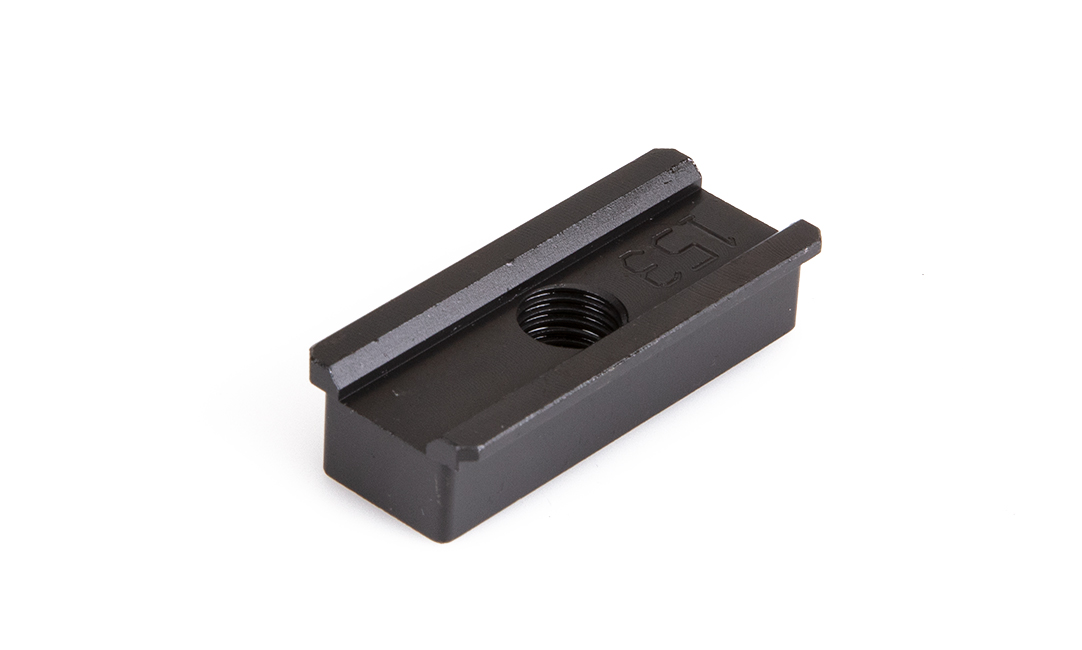
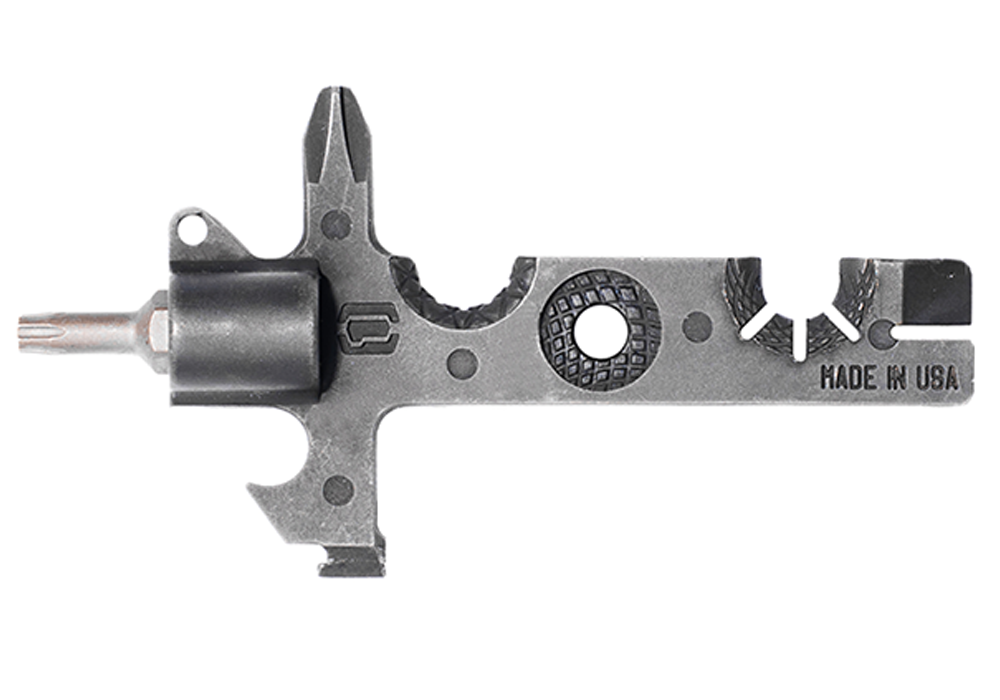
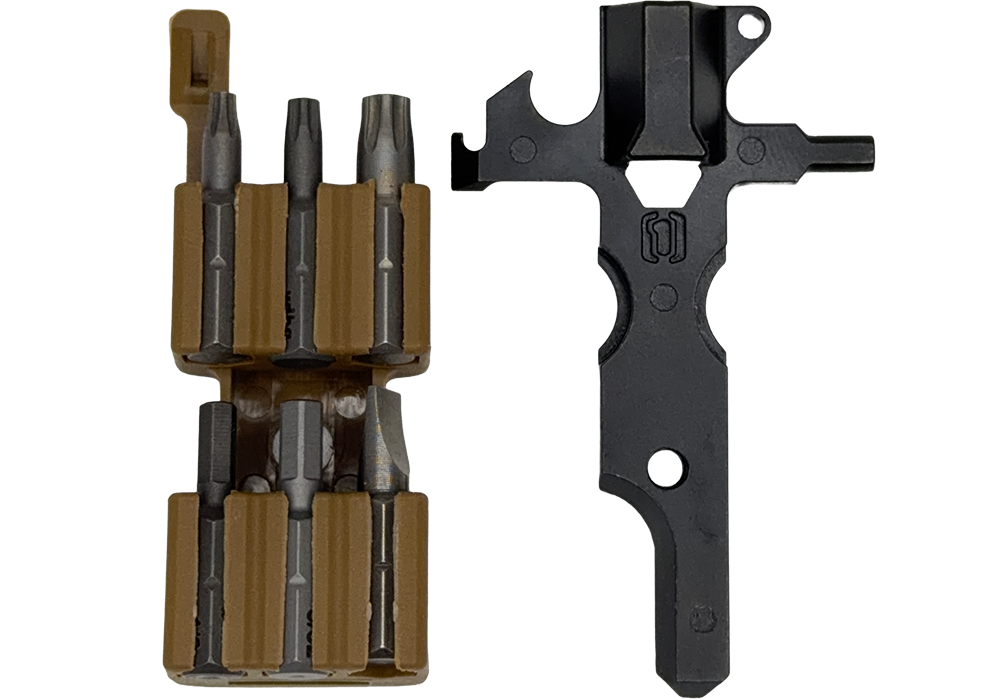
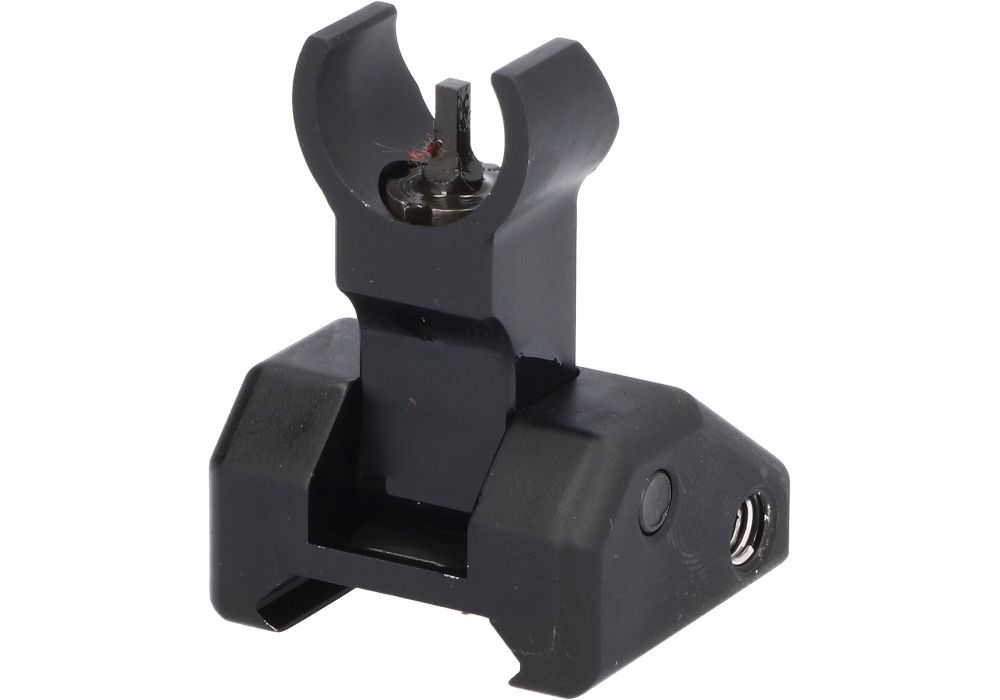
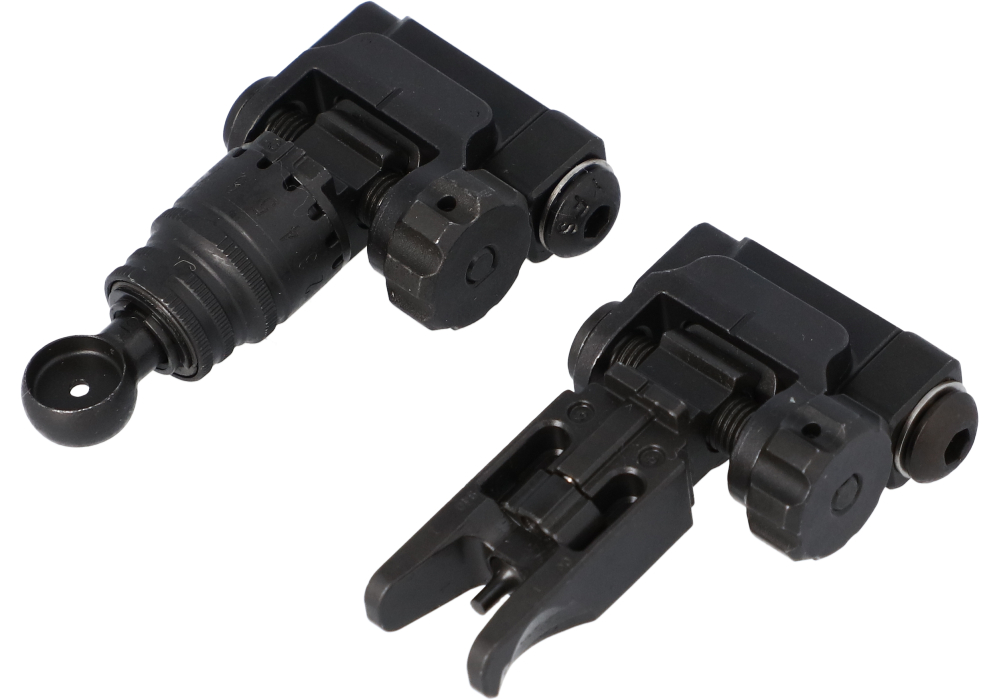
Adjustment tools are specialized implements designed to help users calibrate, tune, or fine-tune equipment with greater control than a general-purpose screwdriver or wrench can provide. In the firearms and optics space, they may be used to adjust sights, secure optic mounts, set fasteners to an appropriate torque, align components, or make controlled changes to small mechanisms during maintenance. The right tool can make a noticeable difference when a fastener is recessed, a sight requires precise movement, or an optic mount must be tightened evenly across several screws. Rather than relying on improvised tools that may slip, damage a screw head, or apply inconsistent pressure, shooters, hunters, competitive competitors, gunsmiths, and maintenance-minded owners often choose purpose-built tools matched to the job. A compact adjustment tool can be useful at the range when a point of impact needs a minor correction, while a more complete selection may be better suited to a workbench where firearms, optics, and accessories are cleaned, inspected, installed, and prepared for use. Some adjustment tools are designed for a particular interface or fastener pattern, while others offer interchangeable bits, multiple driver sizes, graduated settings, or ergonomic handles for more controlled operation. Before purchasing, consider the equipment being serviced, the size and style of its adjustment screws, the amount of access around the part, and whether the tool needs to fit in a range bag, field kit, or dedicated maintenance area. It is also important to select tools made from durable materials with tips that fit securely, since a precise fit helps reduce slipping and protects both the tool and the component.
Adjustment tools can serve several different purposes, and identifying the task first makes it easier to choose a suitable option. Sight adjustment tools are intended to help move front or rear sights in a controlled direction without striking the firearm or applying force to an exposed surface. Optic-related tools may assist with reticle adjustments, mount installation, ring alignment, or evenly tightening small fasteners. Torque-oriented tools are particularly useful when a manufacturer specifies a setting for optic mounts, action screws, or other critical fasteners; applying too little force can allow movement, while applying too much may damage threads or the component itself. Small precision drivers and bit sets are helpful for compact screws found on accessories and electronic equipment, and flexible-shaft designs can provide access around housings or other obstructions. For sensitive electrical or electronic adjustment points, non-conductive alignment tools made from suitable plastic, composite, or wood can help reduce the risk of shorts and unwanted magnetic interference. Other specialty adjustment tools are made for mechanical systems such as small engines, older vehicle components, or brake service, where an unusual tip shape, extended reach, or ratcheting action may be necessary. Because these categories are not interchangeable, check the equipment manual and the tool specifications before use. A tool that matches the fastener profile, working clearance, and adjustment method will generally provide better control than a universal option used outside its intended purpose. Those building a broader maintenance setup can also explore Tools For Maintenance for additional equipment suited to cleaning, inspection, and routine care.
These tools are practical for anyone who takes a hands-on approach to equipment care. A new firearm owner may appreciate a basic adjustment tool as part of a first range bag, particularly when learning how sight alignment and optic zeroing affect performance. An experienced hunter may keep a compact set with field supplies so minor optic or sight adjustments can be handled without returning immediately to the workbench. Competitive shooters, instructors, armorers, and gunsmiths may need a more extensive selection because they work with multiple platforms, sighting systems, and accessory configurations. Adjustment tools can also be thoughtful gifts for a shooting enthusiast who already owns the primary equipment but is still assembling a reliable maintenance kit. They are useful during cooler months when more time may be spent organizing a workbench, checking stored equipment, or preparing for the next range trip, and they remain just as valuable during active outdoor seasons when a secure, well-adjusted setup matters. Safe use begins with unloading the firearm, removing the magazine, clearing the chamber, and confirming the firearm is pointed in a safe direction before any adjustment or installation begins. Work on a stable, well-lit surface, use eye protection when appropriate, and follow the equipment manufacturer’s instructions for adjustment direction, torque values, and service limitations. Avoid forcing a stuck screw or substituting a poorly fitting bit; persistent resistance may indicate thread locker, corrosion, damage, or a need for qualified service. With the correct fit and a deliberate approach, adjustment tools help turn small, careful corrections into a repeatable part of responsible ownership and dependable equipment maintenance.