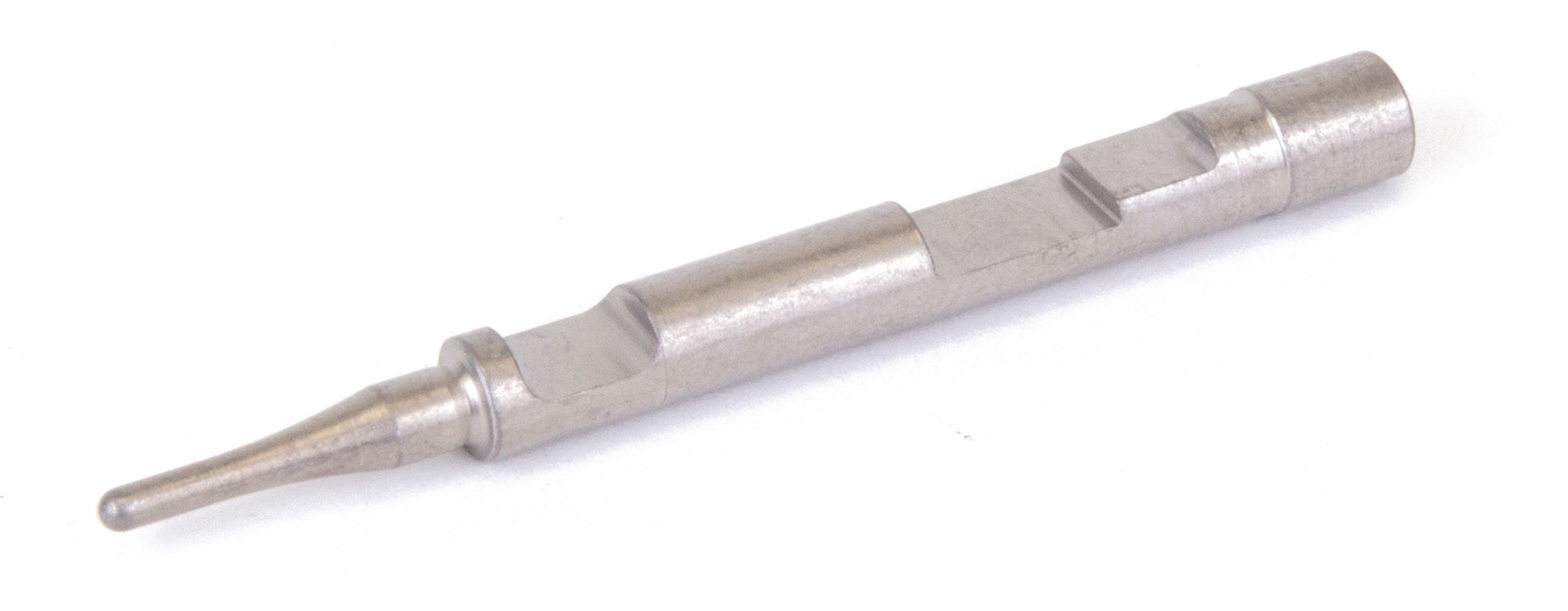
Trigger pins are small but essential components that secure the trigger and, depending on the firearm’s design, related fire-control parts inside the lower receiver. A properly fitted pin keeps these components aligned so the trigger can move as intended and the hammer can engage and release correctly. Because the parts are compact and often partially concealed once the firearm is assembled, they are easy to overlook during routine inspection or an upgrade project. Yet a worn, loose, damaged, or incorrectly sized pin can affect the fit and function of the entire fire-control group. The products listed on this page are intended for firearm owners, gunsmiths, armorers, and builders who need replacement or upgrade options for a compatible platform. They may be used when restoring a well-traveled firearm, replacing a lost component during maintenance, completing a receiver assembly, or pairing a new trigger with an existing lower. Some shooters keep a spare set in a range bag or parts organizer because a small spring or pin can be difficult to source when a project is already underway. As with any internal firearm component, compatibility should come before appearance or price. Confirm the firearm model, receiver pattern, trigger design, pin diameter, pin length, and manufacturer specifications before ordering. Even platforms that appear similar may use different dimensions or retention methods, and a pin that is close in size may not provide the secure fit or reliable alignment required for safe operation.
The most common distinction among trigger pins involves how they are retained and whether they are intended to remain stationary during use. Standard factory-style pins are generally retained by internal springs or related components within the fire-control group. This arrangement is appropriate for many standard mil-spec triggers when the pin dimensions and receiver are matched correctly. Anti-walk pins use external retainers, such as side plates or screws, to help prevent the pins from drifting laterally out of the receiver. Anti-rotation pins go a step further by limiting the pin’s ability to turn in the receiver holes, which can help reduce movement and wear in certain applications, particularly on older receivers or platforms that see frequent use. Some designs combine both approaches. These differences matter when selecting parts for a standard trigger versus a cassette-style or drop-in trigger. A drop-in trigger may not use the same internal spring retention found in a conventional trigger, making an externally retained anti-walk or anti-rotation system a more suitable choice when approved for that specific trigger and receiver combination. The correct solution depends on the complete assembly rather than the pin alone. Look for clear information about supported platforms, compatible trigger configurations, receiver materials, included retainers, and any required tools. A careful inspection should also check for elongated receiver holes, burrs, unusual pin movement, damaged springs, or signs of uneven wear. If a pin rotates when it should not, walks outward during operation, or fits loosely, stop using the firearm until the cause has been identified and corrected by a qualified professional. A fresh set of compatible pins can be a practical addition to a broader maintenance order, especially for someone who keeps spare components on hand for seasonal cleaning or a lower-receiver project during the cooler months. Browse related options through Gun Pins when comparing retention styles and firearm-specific replacement parts.
Choosing trigger pins is ultimately an exercise in matching the part to the firearm, trigger, and intended use. A recreational shooter may be replacing factory components after years of range sessions, while a competition-minded owner may be looking for a secure retention system that keeps the fire-control assembly properly positioned through repeated handling and movement. A builder working on a new lower receiver may need pins selected at the same time as the trigger, hammer, springs, and other small components, while a gunsmith may value consistent dimensions and straightforward inspection during service work. These parts can also make a thoughtful gift for a firearm enthusiast who enjoys careful maintenance, restoration, or responsible customization, particularly when the recipient’s platform and trigger specifications are known. If those details are uncertain, a gift card or a conversation about the intended firearm is safer than guessing at pin size. Before installation, unload the firearm completely, remove all ammunition from the work area, and follow the firearm and component manufacturer’s instructions. Use the correct tools and avoid forcing a pin into place; resistance may indicate a mismatch, improper alignment, an obstruction, or a damaged part. After installation, a qualified person should verify that the pins are fully seated, retainers are secure, the trigger and hammer move freely, and all required safety checks pass before the firearm is returned to service. Never rely on appearance alone, and do not modify a receiver, pin, or fire-control component unless the work is performed by someone with the appropriate training and equipment. With the right fit and retention method, trigger pins provide a simple, dependable connection between the receiver and fire-control group, helping support consistent function through routine practice, careful storage, and responsible ownership.