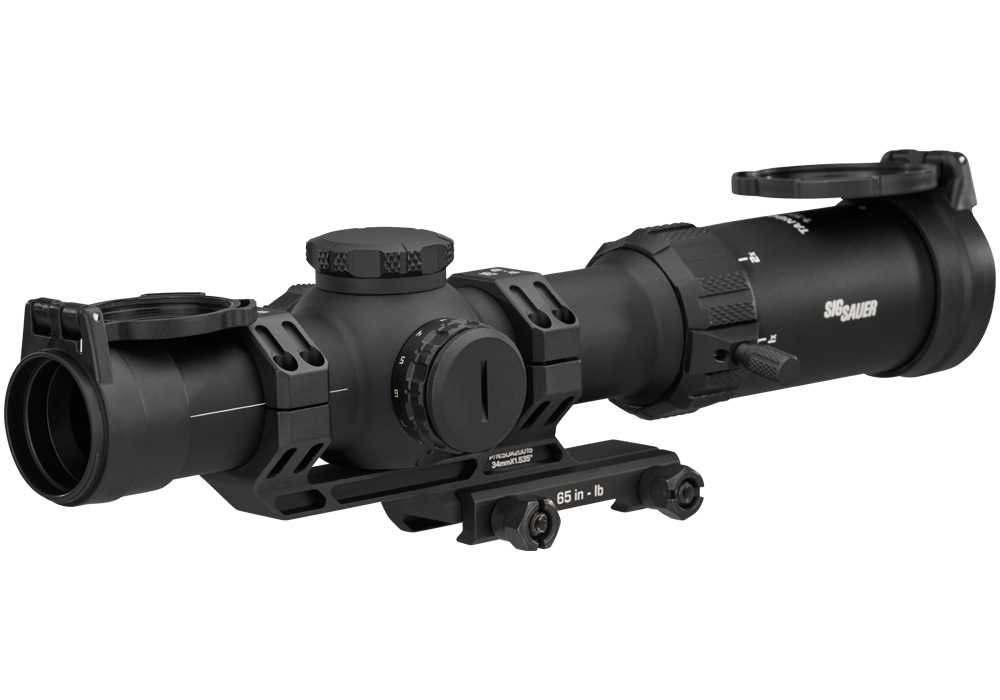
Zero stop scopes are rifle optics with a mechanical feature in the elevation turret that establishes a firm reference point at a chosen zero. After the rifle is sighted in, the zero stop prevents the elevation dial from rotating beyond that baseline in the direction of the original setting. This gives the shooter a dependable starting position for making trajectory adjustments at different distances and then returning to the original zero without counting every click, tracking multiple revolutions, or searching for a familiar number on the turret. For a hunter moving between a close-range sight-in distance and a longer shot across open ground, that simple reference can make the optic easier to operate when conditions are changing. The same feature is useful for target shooters and precision rifle users who regularly dial elevation for distance, as well as for anyone who values a repeatable setup in the field. A typical zero stop system is adjusted after the rifle and optic are properly installed and sighted in. The shooter confirms the point of impact at the selected baseline distance, sets the turret’s stop according to the scope’s instructions, and then verifies that the dial returns consistently. Some systems allow a small amount of travel below the established zero, while others create a firm stop directly at the baseline setting. That difference matters when comparing scopes, especially for shooters who prefer a little flexibility for close-range holds or corrections. Look closely at the adjustment method, click value, turret markings, number of available revolutions, and the amount of elevation travel. A clearly marked turret can be easier to read in low light, while tactile clicks may be helpful when gloves are part of the kit during cooler months. A scope with a zero stop is not a substitute for confirming zero, understanding ballistic data, or practicing with the rifle; it is a mechanical aid that helps organize adjustments after those fundamentals are in place.
When choosing among zero stop scopes, begin with the way the optic will actually be used. A hunter carrying a rifle through timber may favor a compact profile, straightforward controls, and a turret that resists unintended movement as the rifle is carried through brush or placed in a case. Someone shooting from a bench or a prepared position may place greater value on a broad elevation range, precise click feel, and clearly visible rotation indicators. For a rifle that may be used across varied terrain, consider whether the scope provides enough adjustment for the intended distances and cartridge, while leaving room for a properly installed mounting system and a confirmed zero. Magnification range is another practical consideration. Lower settings can provide a wider field of view for nearby movement, while higher settings can assist with careful aiming at extended distances when conditions permit. Reticle style, illumination controls, eye relief, and parallax adjustment should also fit the shooter’s habits and the rifle’s purpose. An optic should sit comfortably at the correct viewing distance, and the shooter should be able to access the elevation turret without losing a stable position. Turret direction and adjustment units deserve attention as well; consistency is more important than choosing one system simply because it appears familiar. Before heading into the field, record the zero distance, ammunition details, environmental notes, and any elevation settings used for known distances. A small card secured with the rifle case or a protected note in a range log can provide a useful reference, but the zero stop remains the physical anchor that brings the turret back to its starting point. For rifles exposed to hard travel, rough terrain, or changing weather, shoppers may also want to compare these optics with Shockproof Scopes and consider how the optic’s construction, sealing, controls, and mounting hardware work together as a complete sighting system.
Zero stop scopes can be a thoughtful gift for a hunter, competitive shooter, or rifle owner who is refining a setup and wants more confidence in repeatable adjustments. They are especially useful for someone transitioning from a basic optic to a system that supports dialing for distance, provided the recipient has access to a safe range and understands the importance of confirming every setting. A gift giver does not need to know every detail of the recipient’s rifle, but it helps to consider tube diameter, mounting height, intended caliber, preferred reticle, and whether the shooter uses yards or meters when reading ballistic information. Compatibility should be checked before purchase, since rings, bases, mounting space, and eye relief all affect whether an optic will serve comfortably. During the cooler months, equipment may move between a warm vehicle and cold outdoor air, so allowing the scope to acclimate and checking for clear glass before use can be part of a sensible routine. In the field, the zero stop is most valuable when the shooter has established a calm, repeatable process: confirm the rifle is unloaded before handling or mounting the optic, verify the sight picture, use a stable rest, apply the correct ballistic setting, and return the elevation turret to its stop after the session or firing string. Shooters should always follow applicable laws, range rules, and safe firearm-handling practices, keeping the muzzle pointed in a safe direction and identifying the target and what lies beyond it before firing. A well-selected scope will not replace judgment or practice, but it can reduce uncertainty at the controls and help the shooter focus on position, conditions, and a consistent aiming routine. For anyone comparing optics, the most useful choice is the one whose zero stop, reticle, adjustment range, size, and controls match the rifle, the shooter, and the distances they realistically expect to encounter.