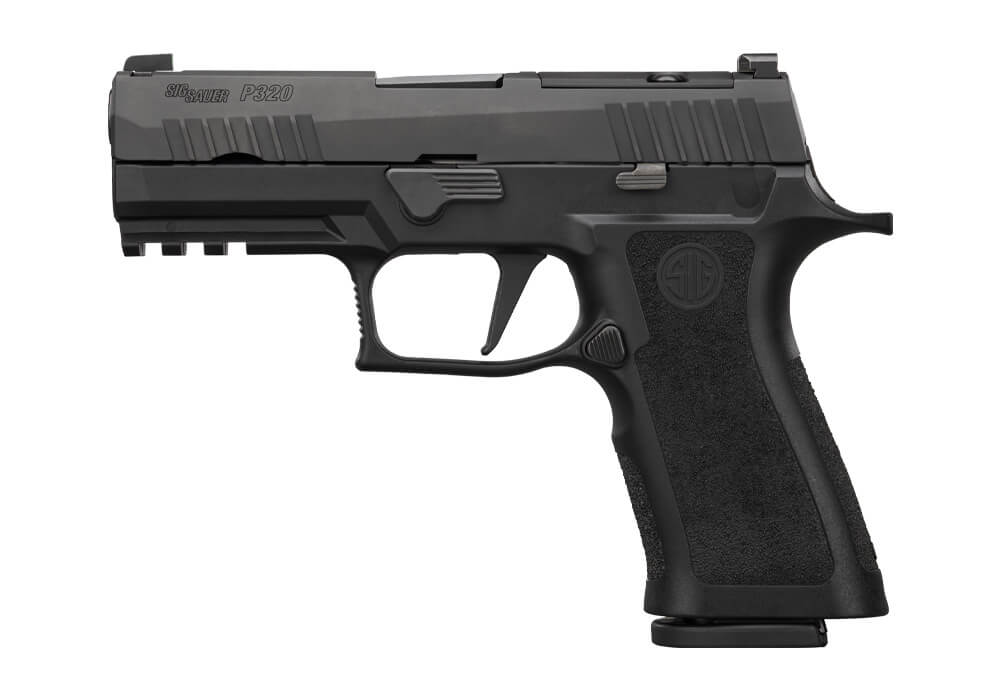
Choosing the right 12 round magazines for home defense starts with confirming that the magazine is made for the exact handgun it will serve. A magazine that appears similar may not lock in place, feed reliably, or release cleanly when paired with a different firearm, so check the manufacturer’s compatibility information and your owner’s manual before purchasing. Capacity is only one part of the decision. A 12-round magazine can offer a practical balance for compact and mid-size handguns, providing additional ammunition while maintaining a manageable profile for storage and handling. Some designs use a flush-fit base that keeps the magazine close to the grip, while others use an extended base for a fuller grasp or easier removal. The best choice depends on the firearm, the shooter’s hand size, and the way the handgun is stored. Pay attention to the magazine body, feed lips, spring, follower, and base plate, as each component contributes to consistent feeding and dependable function. A well-designed magazine should seat positively, lock securely, and drop free when the release is pressed without excessive force. Before relying on any 12 round magazine for home defense, inspect it for cracks, damaged edges, unusual wear, or weak spring tension, then test it with the specific handgun and ammunition intended for defensive use. A quiet function check in a safe setting can reveal small fit or feeding concerns long before the magazine is needed. Many owners also prefer to keep separate magazines for defensive storage and range practice. Range magazines naturally experience more loading cycles, contact with benches and concrete, dust, and repeated insertion and removal. Reserving a dedicated set for home defense helps keep those magazines in known condition and makes it easier to track their maintenance. Marking them with an identifiable base plate or another non-permanent method can help distinguish them from training magazines, provided the marking does not interfere with operation or obscure important information.
Legal requirements should be reviewed before ordering any 12 round magazines for home defense. Magazine capacity limits vary by state and municipality, and some jurisdictions restrict the sale, possession, transfer, or use of magazines that hold more than 10 rounds. Rules may also differ for residents, visitors, and people transporting firearms across state lines. Locations with restrictions can include states and cities that prohibit magazines above a specified capacity, and regulations may change through legislation or court decisions. Always verify current requirements with an official state or local source, and consult qualified legal counsel when the wording of a law is unclear. Do not assume that a magazine sold legally in one area is lawful to possess in another. The handgun’s own specifications matter just as much as local law: confirm the intended caliber, magazine series, release style, and fit before completing a purchase. For shoppers comparing options for different pistol configurations, the selection of 12rd Magazines for Tactical Pistols can provide useful context when identifying the appropriate capacity and format. A 12-round magazine may be a suitable choice for an adult household member who has completed appropriate firearms training and understands safe handling, secure storage, and local responsibilities. It can also be a thoughtful gift for an experienced firearm owner, especially when paired with a secure storage solution, protective magazine pouch, or magazine loader. Gifts should always account for the recipient’s exact handgun and local regulations; an attractive magazine that does not fit the firearm or comply with the law is not a useful addition. If the recipient is new to firearms, training and supervised instruction are more important than adding accessories. Home defense equipment should support a complete safety plan that includes locked storage, controlled access, and clear communication among responsible adults in the home.
A reliable setup is built through routine rather than last-minute preparation. Store defensive magazines in a cool, dry place away from moisture, household chemicals, and loose objects that could press against the feed lips or base plate. If the magazine is kept loaded, follow the firearm and ammunition manufacturer’s guidance, and periodically inspect the exterior for corrosion, dents, debris, or damage. Unload and clean magazines according to the owner’s manual, taking care not to stretch springs or force components into place. A simple maintenance habit can be as ordinary as checking the magazine while organizing a locked storage area during the cooler months: look at the body, confirm that the follower moves smoothly, and replace any part that shows questionable wear. Use only ammunition that matches the handgun’s specifications, and test the chosen combination at a supervised range before designating it for defensive storage. This process can reveal whether the magazine seats properly with the slide forward, whether the firearm feeds consistently, and whether the shooter can handle the added length or weight comfortably. Keep in mind that a magazine is not a substitute for practice, a safe storage plan, or sound judgment. Everyone who may access the firearm should understand the four fundamental safety rules, know how to keep unauthorized users away from it, and be familiar with emergency procedures appropriate to the household. Parents and guardians should take particular care around children, visitors, and anyone who may not recognize a firearm or understand its risks. With legal compliance, confirmed compatibility, careful inspection, and responsible storage, 12 round magazines can serve as a practical part of a home-defense setup while giving owners a clear, repeatable way to prepare and maintain their equipment.