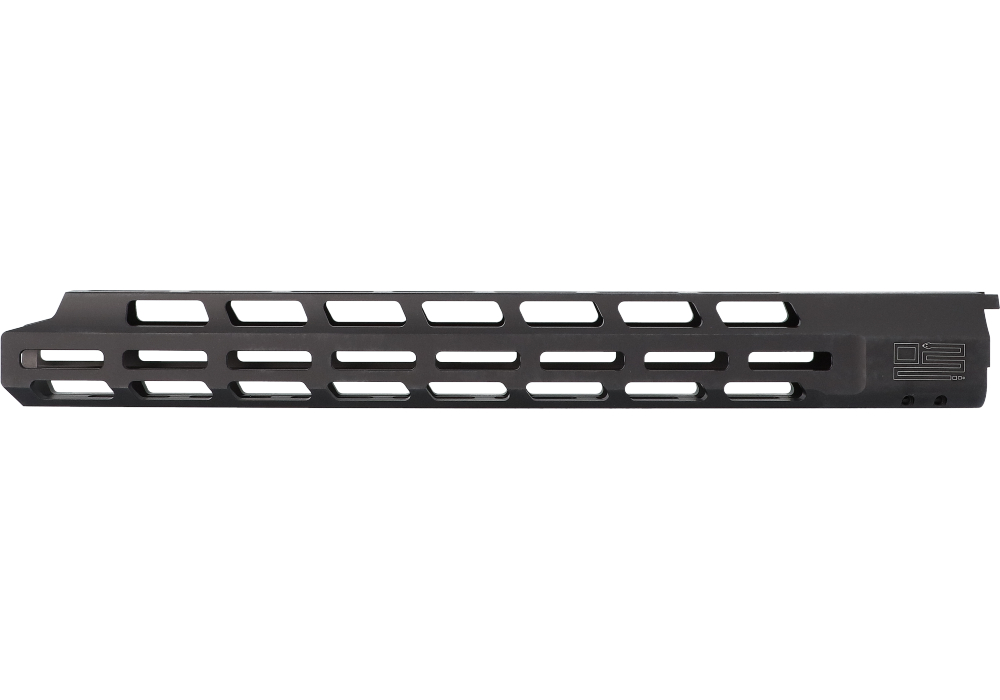
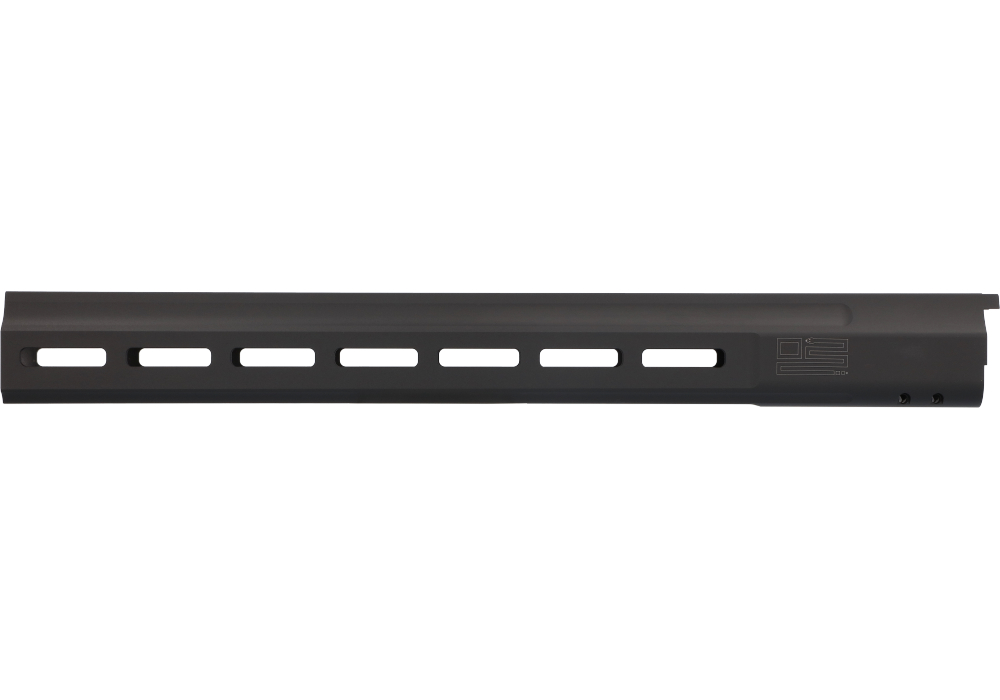
15 inch rifle handguards are extended free-float rails designed to give compatible rifles a generous, continuous support surface without adding unnecessary material around the barrel. They are commonly selected for AR-15-style builds with 16-inch, 18-inch, or 20-inch barrels, where the handguard can reach close to the muzzle while leaving the muzzle device unobstructed. A 15 inch handguard may cover a mid-length or rifle-length gas system, depending on the design, but compatibility should always be confirmed before purchase. The handguard’s inside diameter needs to provide sufficient clearance for the gas block, gas tube, barrel profile, and any other components positioned beneath the rail. A slim low-profile gas block may fit comfortably inside one model while a larger adjustable gas block or specialized barrel configuration may require additional room. Free-float construction is another important consideration. Unlike a traditional handguard that may contact the barrel or rely on a front sight base, a free-float rail attaches to a barrel nut and remains separate from the barrel. This arrangement helps reduce unintended pressure on the barrel when a shooter grips the support handguard, rests the rifle against a barricade, or loads a bipod, which can contribute to more consistent point of impact. For a rifle that sees time at the range, in the field, or during careful bench work, that separation can make the setup feel more predictable from one shot to the next.
The attachment system has a direct effect on how a 15 inch rifle handguard feels and functions. M-LOK designs use recessed mounting slots that accept compatible accessories with minimal added bulk, making them a popular choice for shooters who prefer a smooth, lightweight profile and the ability to place rail sections only where they are needed. A quad rail or another full-length Picatinny configuration provides continuous mounting space on multiple sides, which can be useful for users who move accessories between positions or rely on a broad selection of Picatinny-compatible equipment. The tradeoff is additional weight and a more pronounced exterior shape. When comparing options, look beyond the advertised length and consider overall weight, outside dimensions, rail height, mounting hardware, barrel-nut requirements, and the shape of the gripping surface. A handguard with softened edges and useful texturing is often more comfortable during long range sessions, especially when the support hand remains forward for extended periods. Ventilation openings can help manage heat during repeated firing, while a durable finish helps the rail stand up to ordinary handling, transport, and changing conditions during the cooler months. Accessory planning is equally personal: a shooter may reserve the forward section for a light, keep a sling attachment close to the receiver, and use the lower mounting surface for a bipod or hand stop. Others may value a clean exterior and install only the hardware necessary for their preferred setup. A 15 inch rail offers enough working room to accommodate either approach without forcing every accessory into the same small section of the rifle. For a more compact build or a setup with less barrel coverage, consider browsing 10 Inch Tactical Firearm Handguards as an alternative length.
Before ordering, verify the handguard’s platform compatibility and installation requirements rather than relying on appearance alone. Confirm the barrel length, gas-system length, receiver configuration, barrel nut standard, and the manufacturer’s stated clearance dimensions. Some handguards include a proprietary barrel nut and require specific tools for installation, while others may be intended for a particular upper receiver or mounting method. Proper alignment between the top rail and the receiver rail is essential for a clean fit and dependable accessory placement; careful installation with the recommended torque specifications can help prevent shifting or uneven tension. Shooters building a new rifle often choose a 15 inch handguard when they want a balanced blend of forward support, accessory flexibility, and a streamlined appearance. It can also be a practical upgrade for an existing rifle when the original handguard feels cramped, lacks a preferred mounting interface, or does not provide the desired free-float design. Experienced builders may appreciate the extra room for a refined competition or range configuration, while a first-time owner can benefit from planning the entire setup before selecting the rail, gas block, sights, sling hardware, and other accessories. As a gift, a 15 inch rifle handguard is best suited to someone who already knows the specifications of their build, since length, mounting system, barrel clearance, and barrel-nut compatibility are highly individualized. The most reliable purchase begins with those measurements and ends with a handguard that fits the rifle, supports the intended shooting style, and remains comfortable through everything from quiet bench sessions to active outdoor practice.