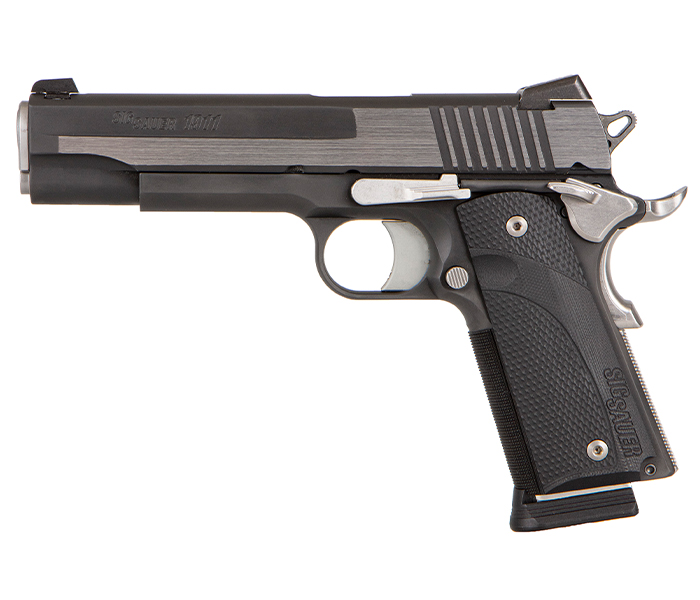
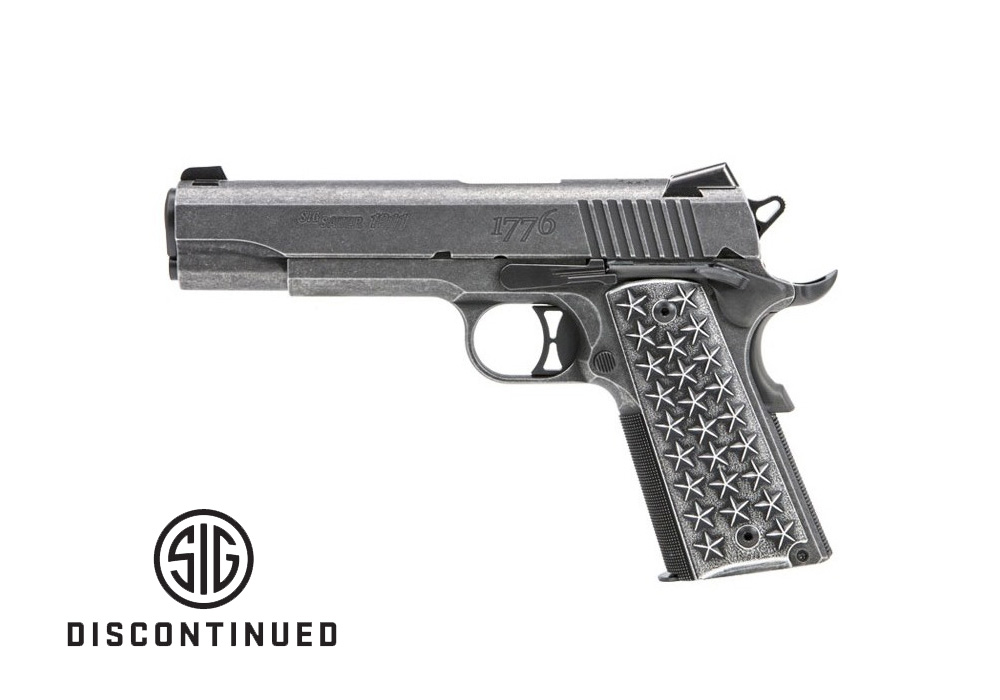
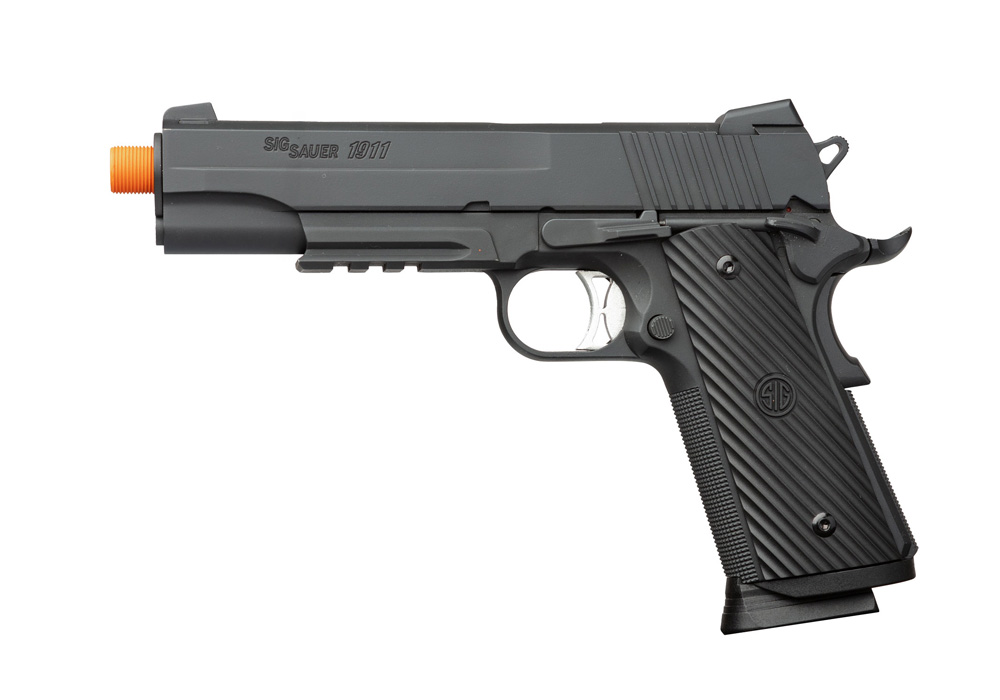
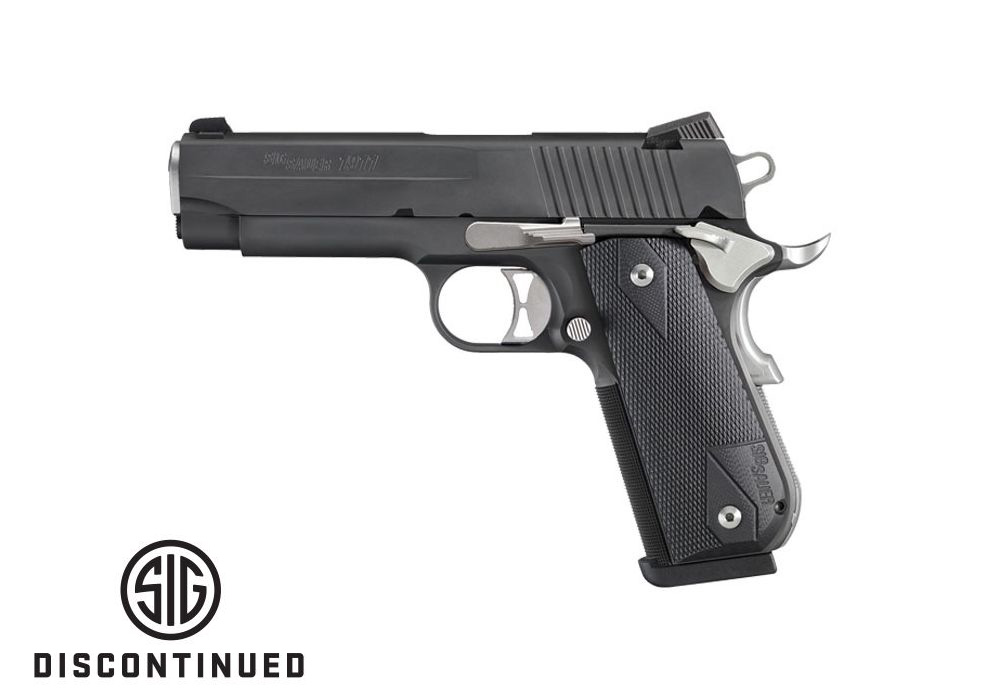
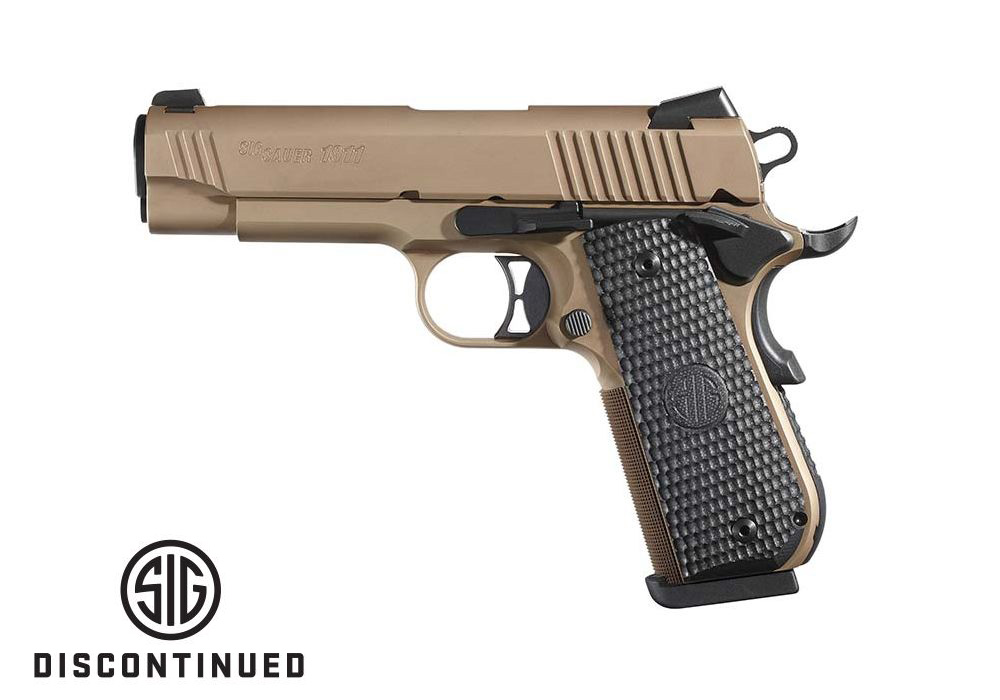
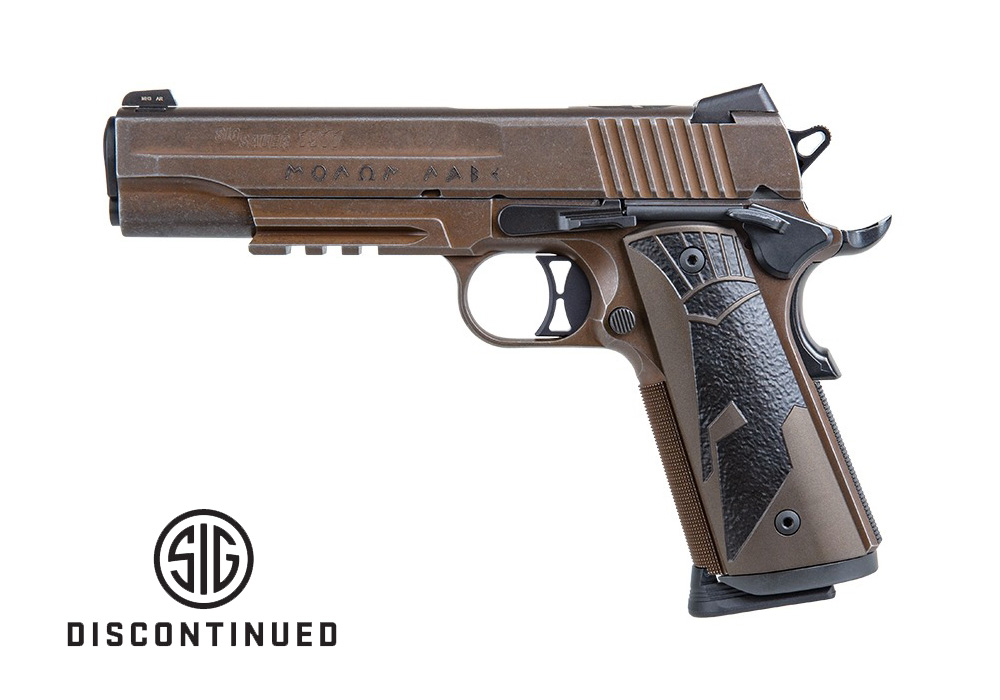
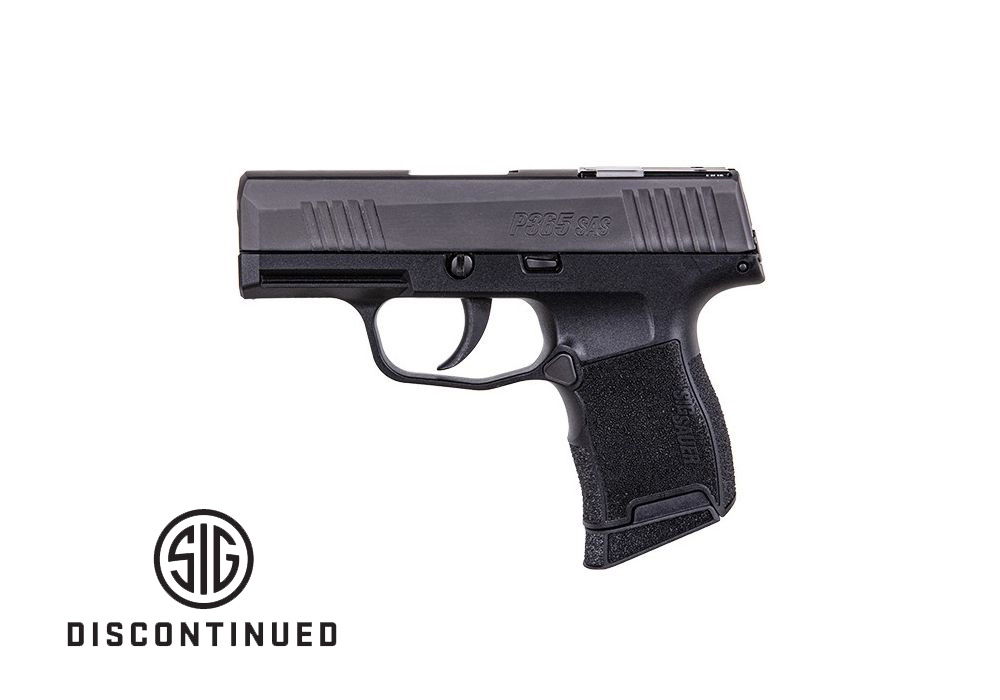
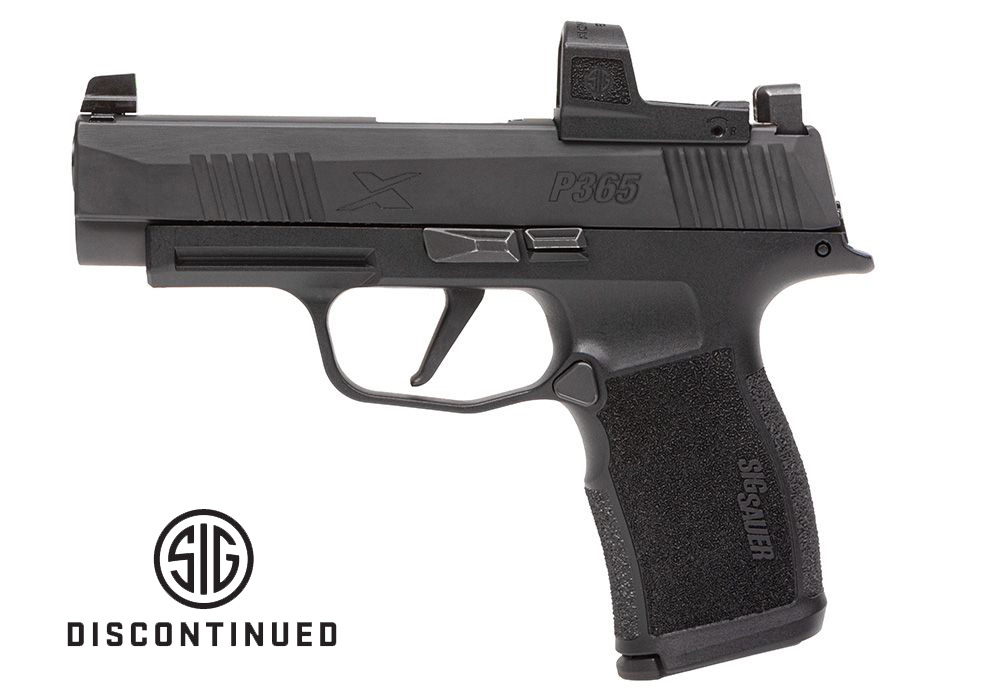
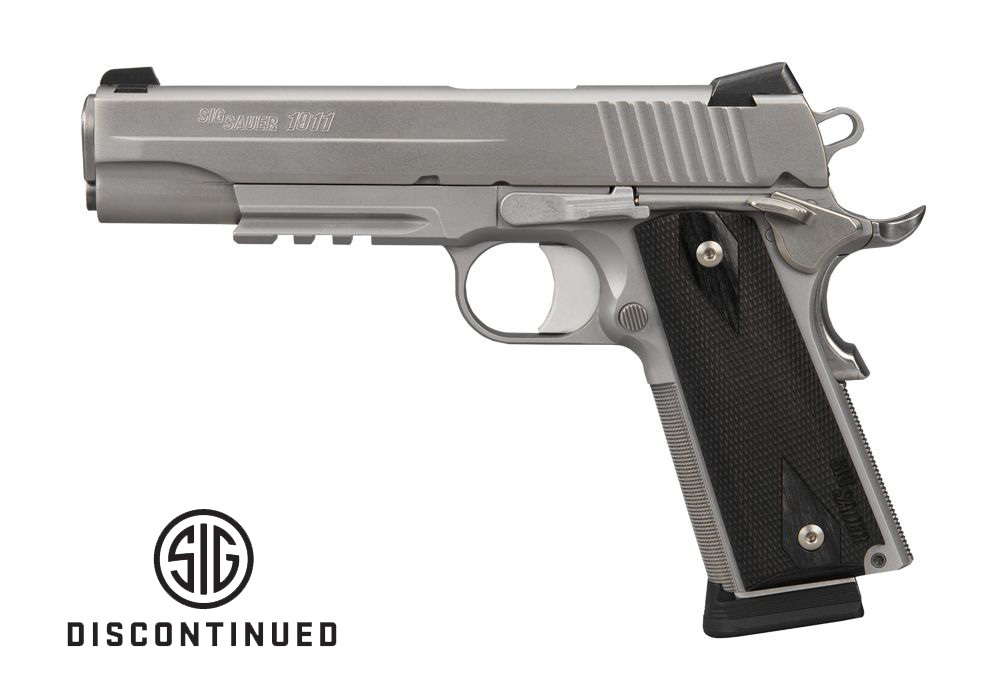
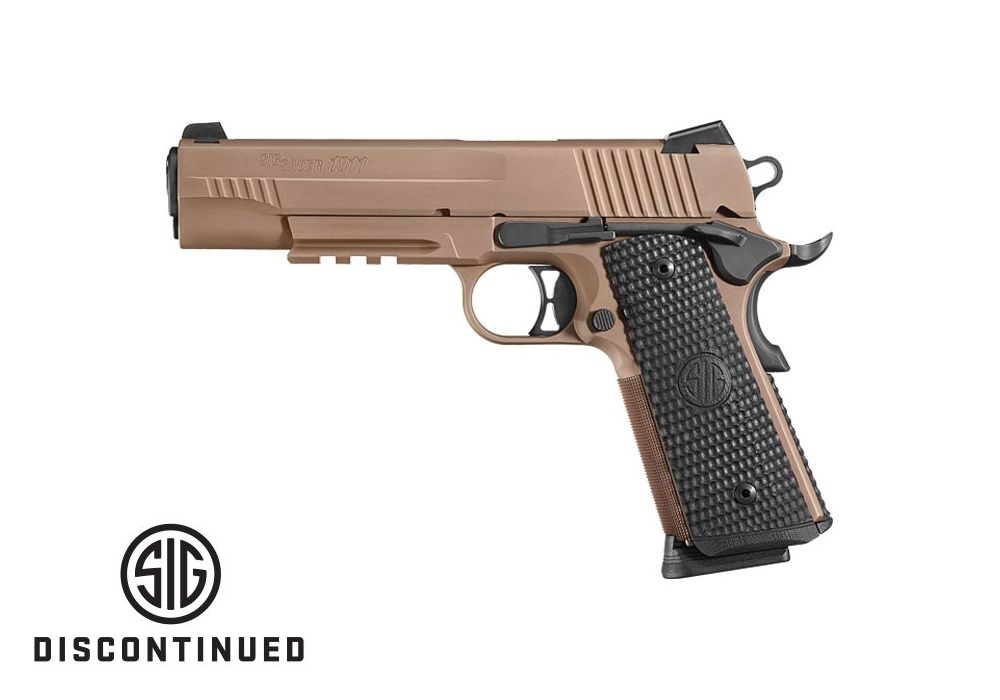
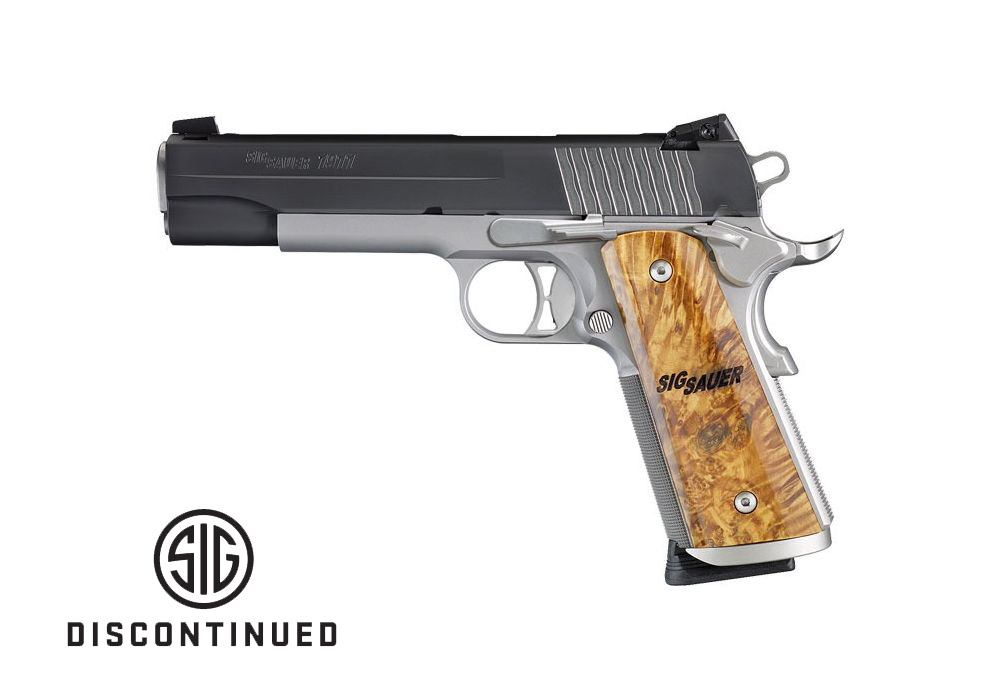
1911 pistols remain a popular choice for target practice because they combine a familiar grip angle, a refined single-action trigger, and a steady, deliberate shooting experience. Built around a classic full-size design, these pistols are often selected by new range visitors learning the fundamentals as well as experienced shooters working on tighter groups, sight alignment, and consistent trigger control. A well-balanced 1911 settles naturally in the hand, and its slim grip profile can make it comfortable for shooters who prefer a more traditional feel. When comparing 1911 pistols for target practice, start with caliber. A 9mm chambering generally produces softer recoil and uses widely available, comparatively economical ammunition, which can make longer practice sessions easier on both the hands and the budget. The .45 ACP remains a respected option for those who appreciate its substantial recoil impulse and classic 1911 character, though it may require a little more attention to grip pressure and follow-through. Other considerations include barrel length, overall weight, grip texture, and frame dimensions. A full-size pistol with a longer sight radius and a steel frame can feel especially stable from a supported or two-handed stance, while a lighter configuration may be easier to transport. Standard or extended capacity magazines can also affect how often a shooter needs to reload, although magazine fit, reliability, and ease of insertion are more important than simply carrying additional cartridges. Anyone purchasing a pistol should confirm applicable federal, state, and local requirements, use a lawful transfer process, and plan for secure storage, transportation, and access control before bringing it home.
Accuracy-focused features can make a meaningful difference during a practice session, particularly when the goal is to identify small changes in grip, stance, breathing, or trigger technique. Look for a trigger that breaks cleanly and predictably, with minimal creep and overtravel; a pull in the approximate 3.5- to 5-pound range is commonly associated with deliberate target work, though the best choice depends on the shooter and the pistol’s intended use. Adjustable rear sights allow the point of impact to be fine-tuned for a particular load and distance, while high-visibility sights, including fiber-optic options, can make the front sight easier to track against a dark target or a shaded outdoor berm. At 15 to 25 yards, small sight picture errors become easy to see on paper, which is why a crisp front sight and a consistent sight radius are valuable. A match-style barrel, carefully fitted slide, and a rigid frame may further support repeatable accuracy, but reliability should remain central to the decision. The pistol should cycle consistently with the ammunition selected, lock open when appropriate, and present controls that can be operated without shifting the firing grip. When comparing options in this category, shoppers can also explore 1911 Pistols With Exceptional Accuracy for designs intended to support precise, controlled shooting. Before live fire, inspect the pistol according to the owner’s manual, verify that the chamber and magazine well are clear, and become familiar with the thumb safety, grip safety, slide stop, and magazine release under the supervision of a qualified instructor if needed. Eye and ear protection, a properly rated backstop, and careful adherence to range commands are essential parts of every session.
These pistols can suit a wide range of responsible shooters, from someone attending a first formal lesson to a seasoned enthusiast preparing for bullseye-style matches or simply enjoying an unhurried afternoon at an indoor range. A new shooter may value a 9mm 1911 with manageable recoil, visible sights, and an ergonomic grip that encourages proper technique without feeling intimidating. An experienced competitor may place greater emphasis on adjustable sights, a crisp trigger, a match-grade barrel, or a heavier frame that stays settled through a string of fire. A 1911 can also be a thoughtful gift for a legally eligible adult who already has experience with firearms and has expressed a clear interest in target shooting, provided the purchase and transfer comply with all applicable laws. For a gift or personal purchase, it is wise to consider the recipient’s preferred caliber, hand size, range rules, storage arrangements, and familiarity with single-action controls rather than choosing based on appearance alone. New owners should budget for quality magazines, suitable ammunition, a sturdy case, cleaning supplies, and professional instruction in addition to the pistol itself. During the cooler months, an indoor range can provide a comfortable setting for slow-fire practice, while an outdoor range offers room to work at varied distances when conditions permit. Whether the aim is a neat cluster at 15 yards, a more disciplined cadence at 25 yards, or simply the satisfaction of seeing steady improvement from one session to the next, the right 1911 pistol should feel dependable, controllable, and well matched to the shooter’s goals.

![[["1911, 45 ACP, 4.2IN, X-SERIES, COYOTE, SAO, X-RAY 3, G10 GRIP, (2) 8RD STEEL MAG",", ROMEO X COMPACT"]]](http://www.sigsauer.com/media/catalog/product/1/9/1911xca-cxr-rxx-hero-left.jpg)