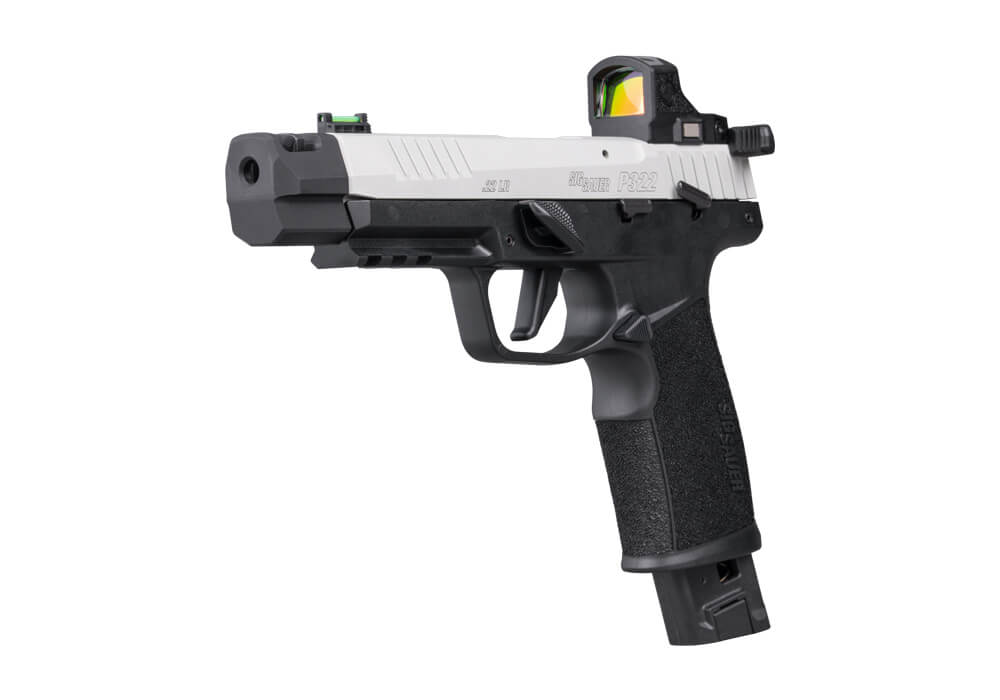
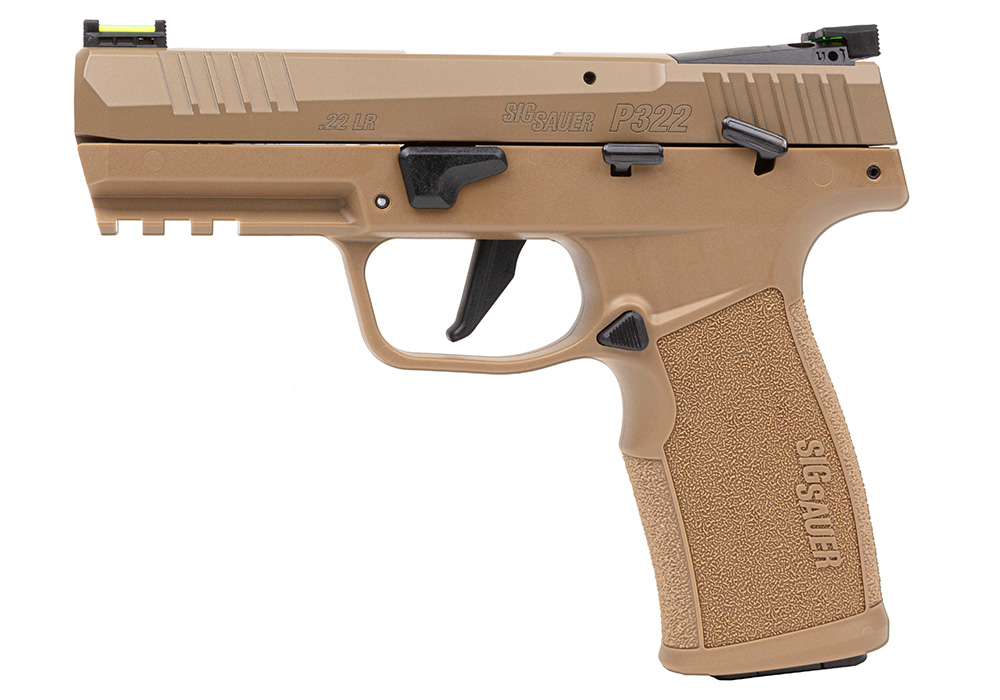
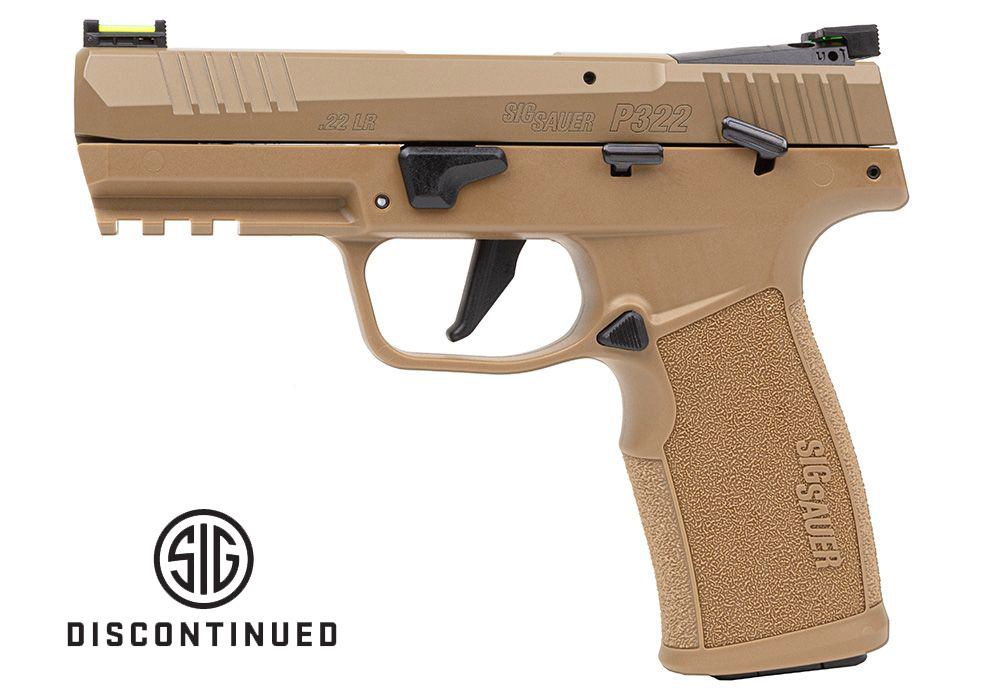
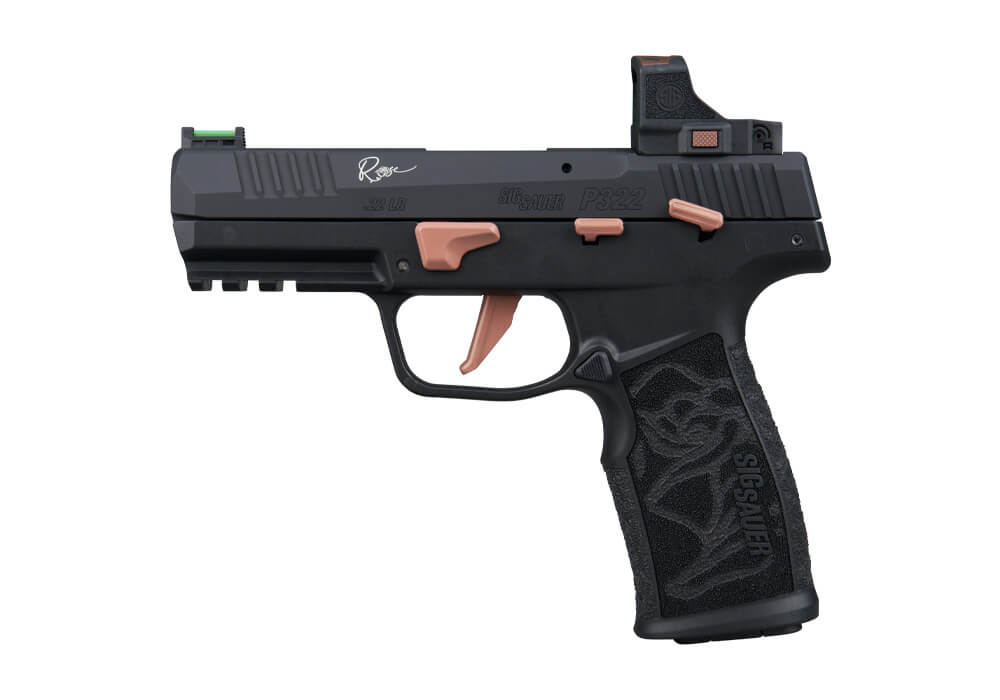
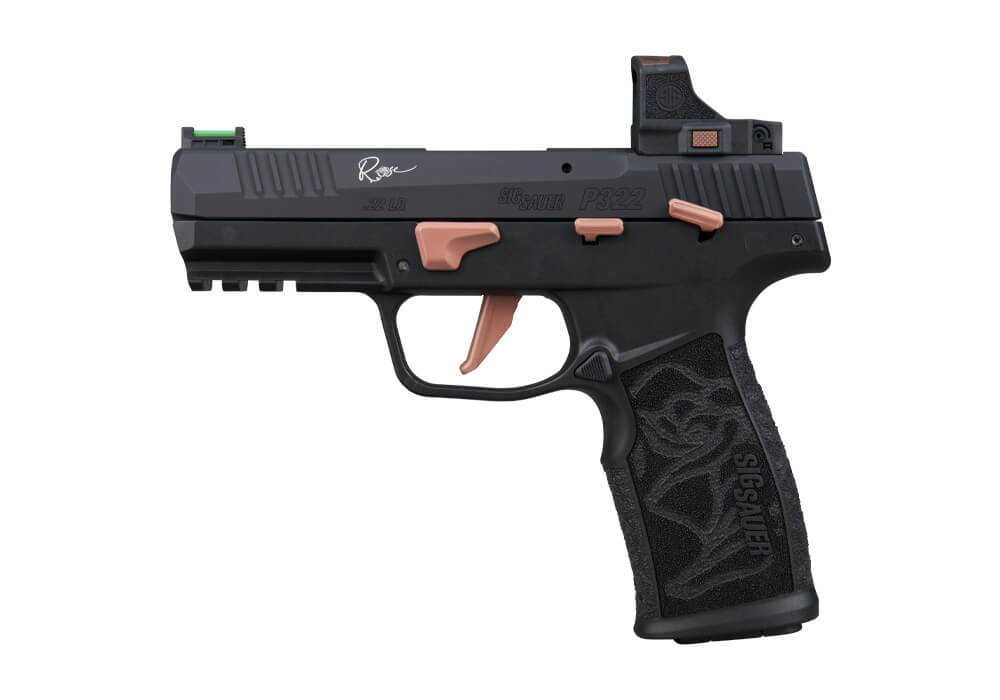
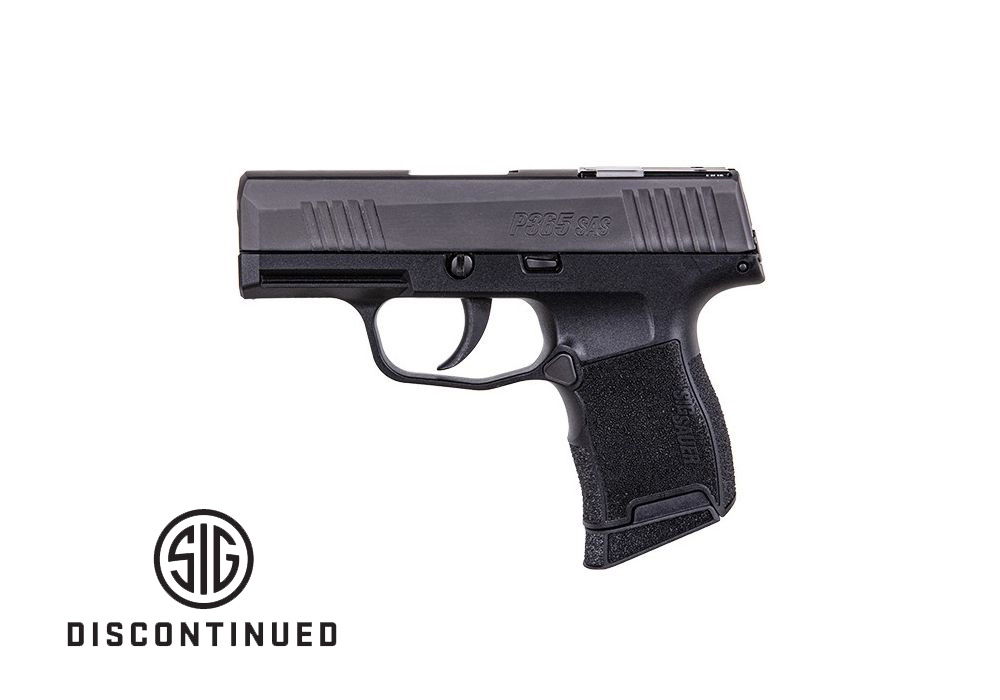
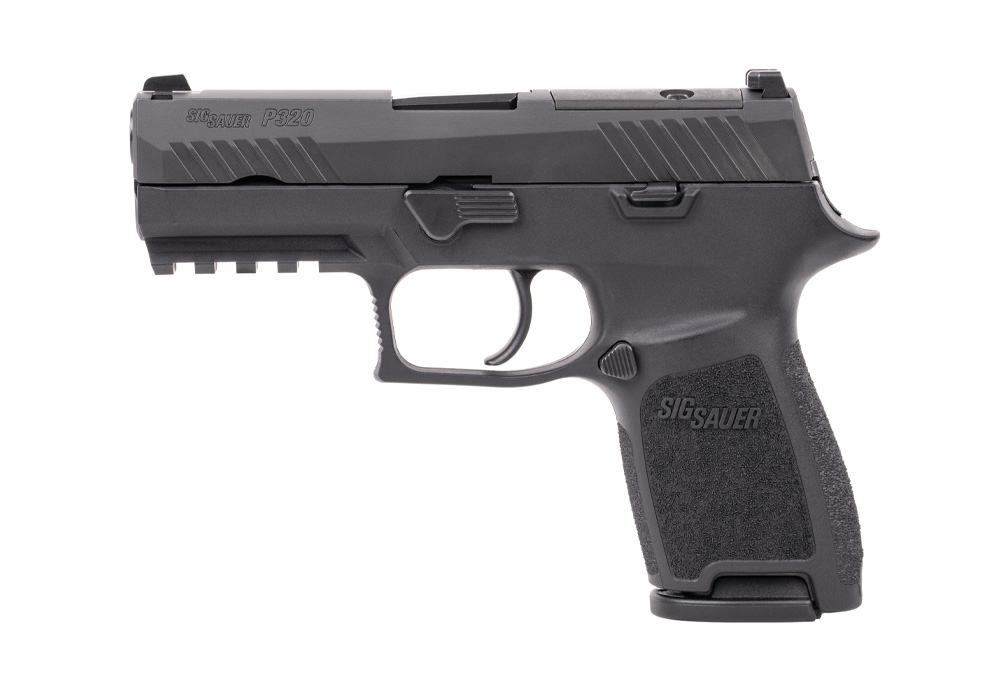
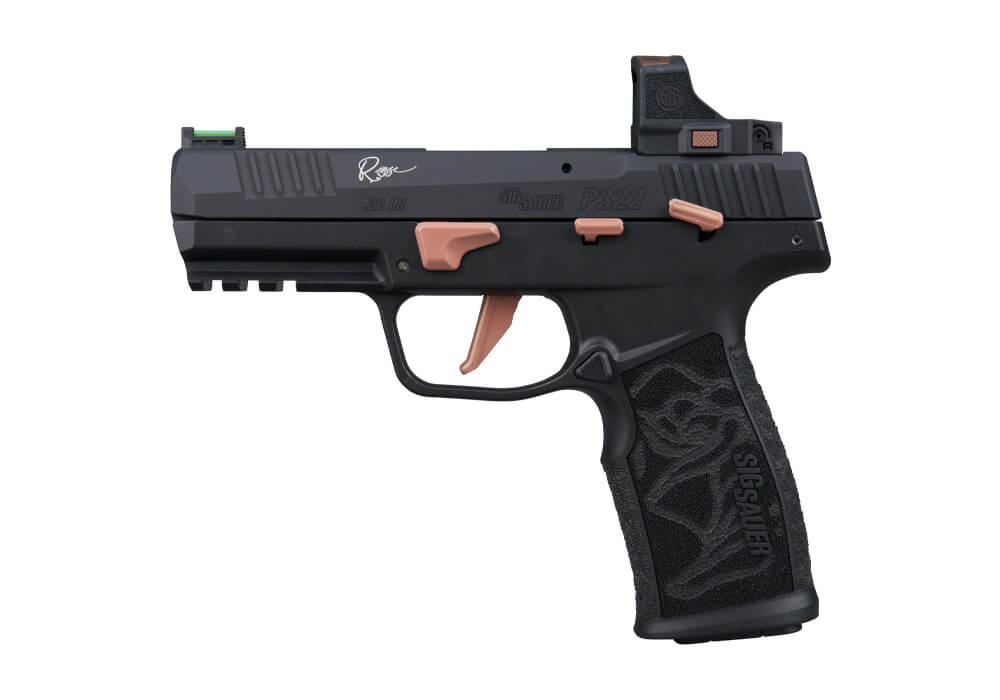
22 Pistols With Enhanced Optic Compatibility offer a practical blend of approachable rimfire performance, modern sighting options, and adaptable handling for a wide range of shooting activities. Chambered in .22 LR, these pistols are often selected for recreational practice, introductory range sessions, small-game field use where lawful, and skill-building drills that benefit from low recoil and manageable report. Their optic-ready designs can accept compact reflex sights or other compatible aiming systems, helping shooters establish a clear point of reference without relying solely on traditional iron sights. For someone who enjoys spending an afternoon at the range, an optic can make the experience feel more intuitive: the eye stays focused downrange while a bright aiming point helps support consistent alignment. These pistols may also suit experienced centerfire shooters who want an economical training companion with familiar controls and a similar grip-to-sight relationship. When browsing a product list in this category, pay close attention to the optic interface, included mounting hardware, sight height, and the type of optic the pistol is intended to support. Some designs use a direct-mount system for a compact sight, while others rely on a mounting plate or rail that provides broader compatibility. A direct-mount arrangement can produce a clean, low-profile appearance, while a plate-based system may offer flexibility when comparing different footprints. Confirm that the optic, screws, plate, and pistol are compatible before purchase, and review the manufacturer’s torque specifications when installing any sighting equipment.
A .22 pistol with enhanced optic compatibility can be useful for new shooters learning the fundamentals as well as seasoned marksmen refining trigger control, grip pressure, and follow-through. The light recoil of .22 LR helps keep attention on the fundamentals, especially during longer practice sessions when fatigue can affect concentration. A shooter working on a smooth presentation may appreciate how an optic provides an easy visual reference once the pistol is positioned correctly, while a target enthusiast may value the ability to fine-tune the sight for a particular distance. Fixed-barrel configurations, balanced frames, textured grip surfaces, and crisp trigger systems can each contribute to a steady experience, though the best combination depends on hand size, shooting posture, and intended use. Magazine size is another practical consideration. Standard magazines can be convenient for transport and routine practice, while extended magazines may reduce the frequency of reloads during extended range sessions where permitted by local law. Threaded barrels or compatible adapters may also be relevant to owners who plan to use a suppressor in accordance with all applicable regulations, though accessory fitment should always be confirmed before installation. For safe storage, look for a secure locking solution that keeps the pistol and ammunition inaccessible to unauthorized users. Anyone receiving one as a gift should be a lawful adult who can possess it under local, state, and federal requirements; a responsible gift-giver should also understand transfer rules, waiting periods, registration requirements where applicable, and any restrictions governing private sales or gifts. A thoughtful presentation can include eye protection, hearing protection, a sturdy case, appropriate cleaning supplies, and enrollment in professional instruction rather than treating the pistol as a novelty item.
Choosing among 22 Pistols With Enhanced Optic Compatibility also means considering how the pistol will fit into real routines. A compact, balanced rimfire can be easy to bring to an indoor range during cooler months, while a model with an ergonomic grip and a clear optic window may feel comfortable during an outdoor practice session as the weather changes. Think about whether the pistol will spend most of its time on paper targets, steel targets approved for rimfire use, informal plinking areas where lawful, or structured competition. For target work, a stable sighting system and a trigger that breaks cleanly may receive priority. For general practice, intuitive controls, dependable cycling with suitable ammunition, and simple maintenance may matter more. Optic compatibility should be evaluated beyond the footprint alone: consider the sight’s dimensions, battery access, brightness settings, lens protection, co-witness potential, and whether the selected mount preserves a useful sight picture. It is also wise to confirm ammunition recommendations, break-in guidance, cleaning intervals, and replacement-part availability before selecting a configuration. Shooters who prefer conventional sights may want a setup that retains a visible front sight or offers a backup sighting arrangement, while those committed to a micro optic may prioritize a low deck height and a streamlined slide profile. Explore related options, including Compact Pistols With Enhanced Sights, when comparing sight systems across different pistol formats. As with any firearm, keep the muzzle pointed in a safe direction, keep the finger outside the trigger guard until ready to fire, verify the target and what lies beyond it, and follow the owner’s manual along with every applicable range rule. With the right fit, optic setup, storage plan, and training approach, a .22 pistol can become a dependable part of a careful shooter’s practice routine for years to come.

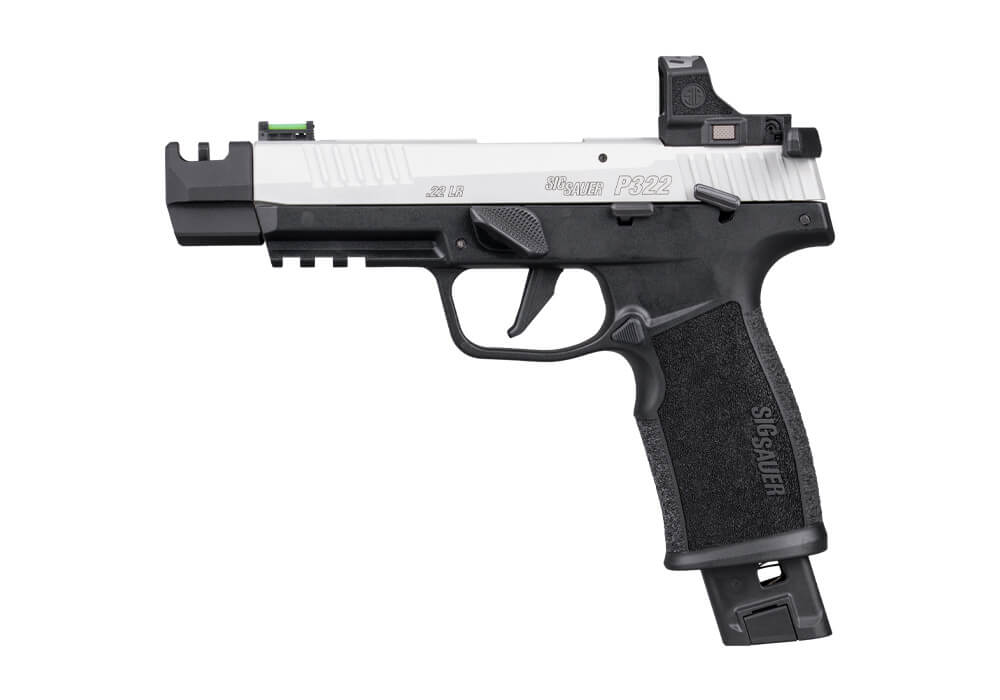
![[["P322, 22 LR, 4IN, NITRON, BLK, SAO, ADJ FIBER OPTIC SIGHTS, POLY","MER GRIP, (2) 20RD POLY MAG, ROMEO ZERO ELITE (427.49)"]]](http://www.sigsauer.com/media/catalog/product/p/3/p322c-b-rxze.jpg)