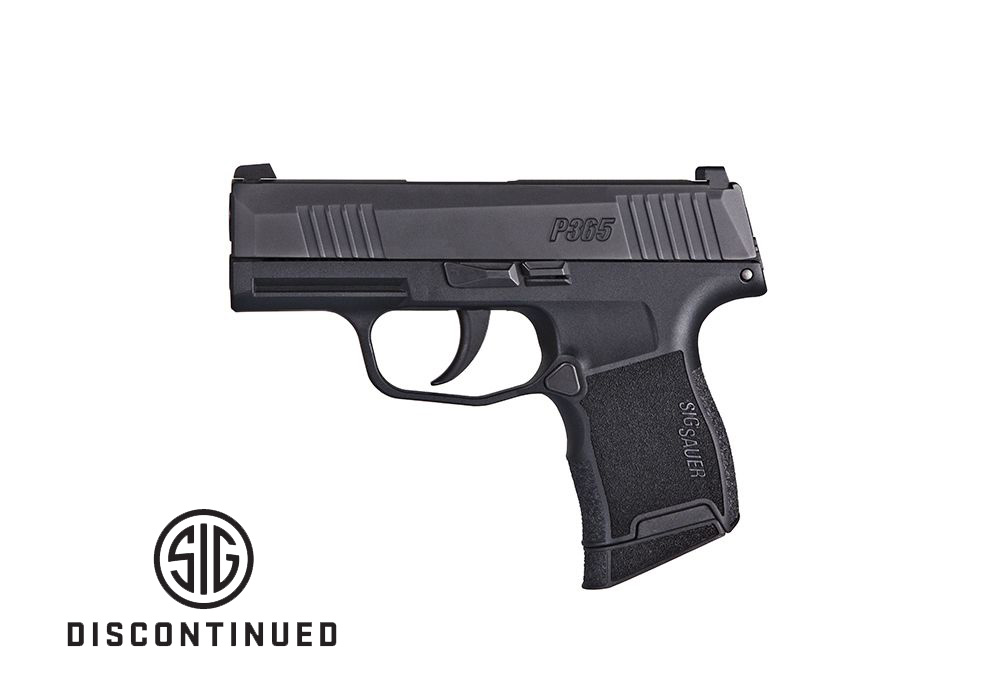
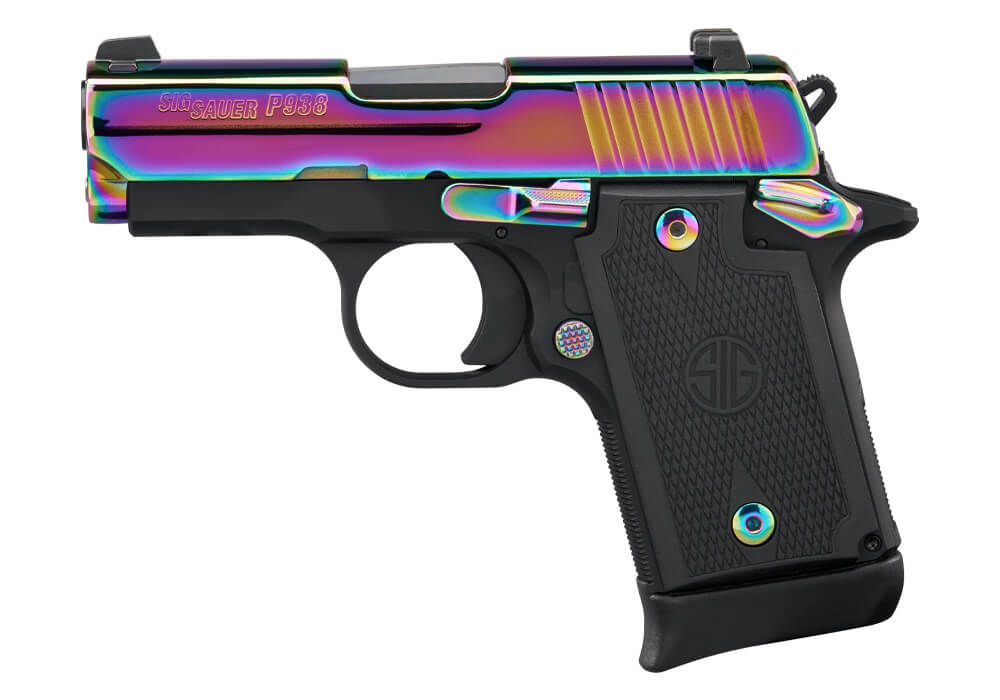
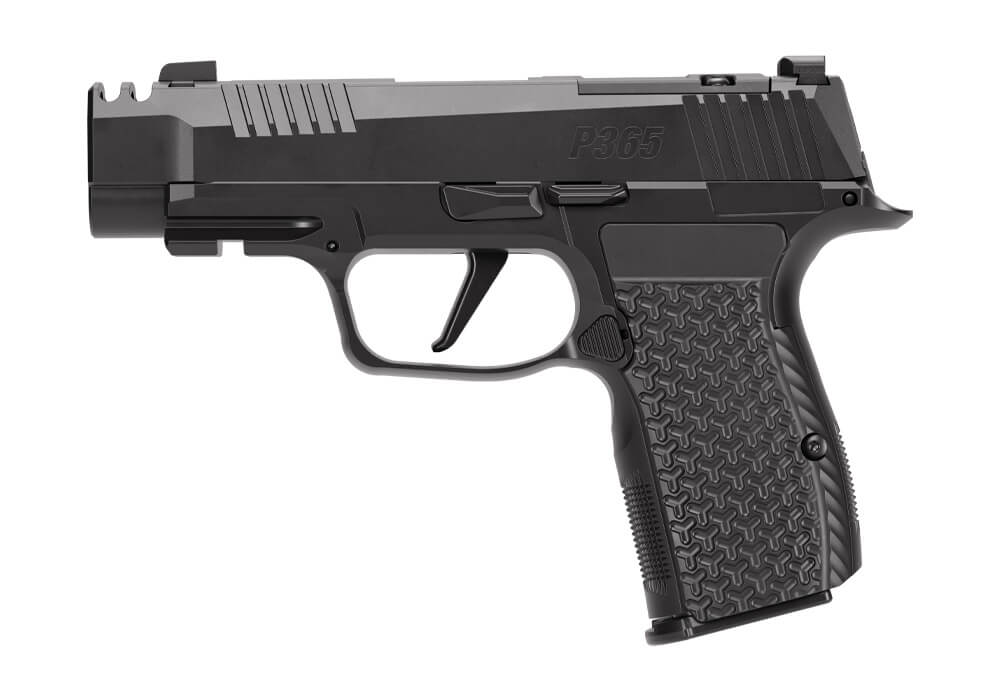
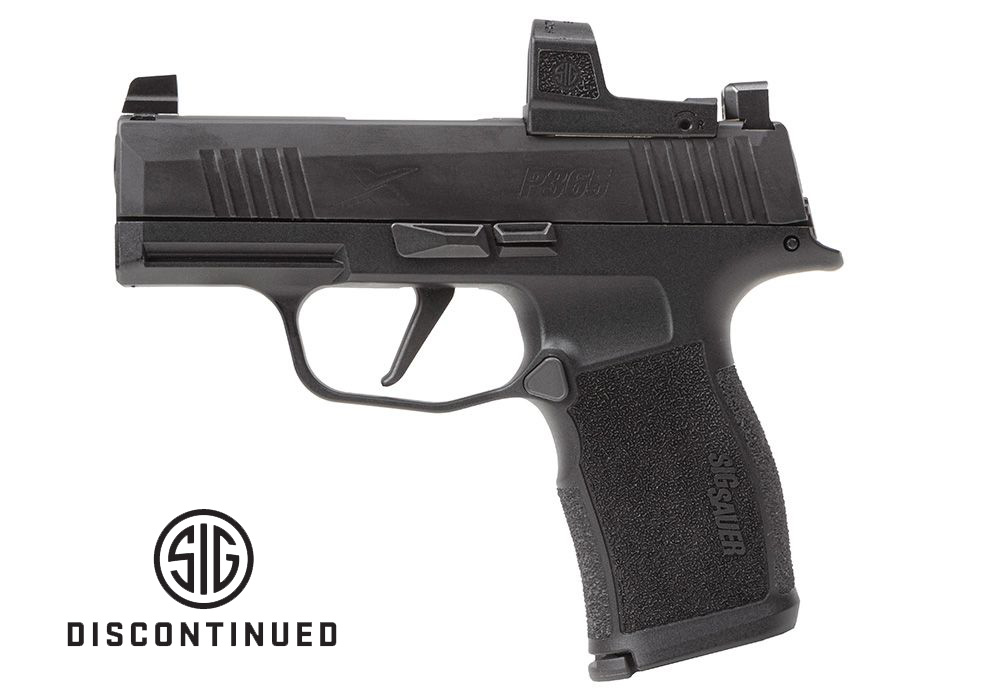
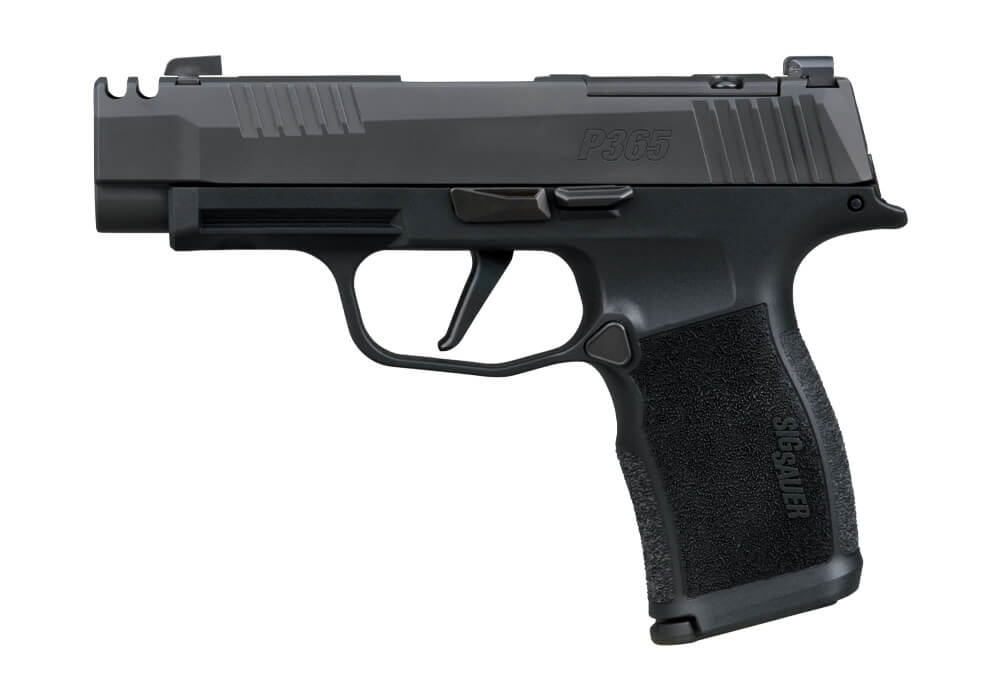
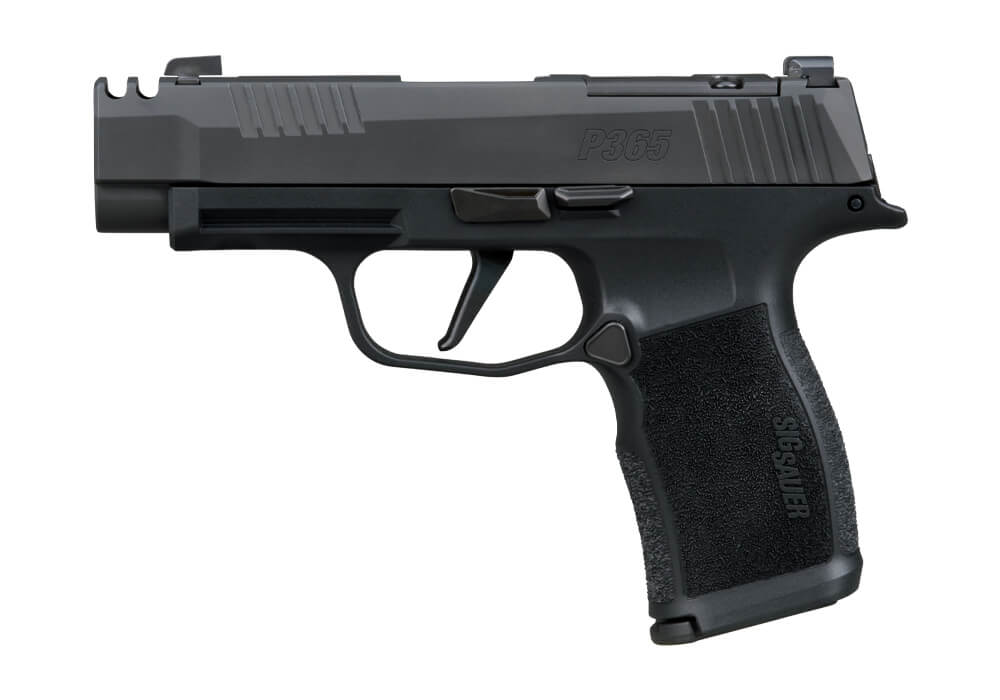
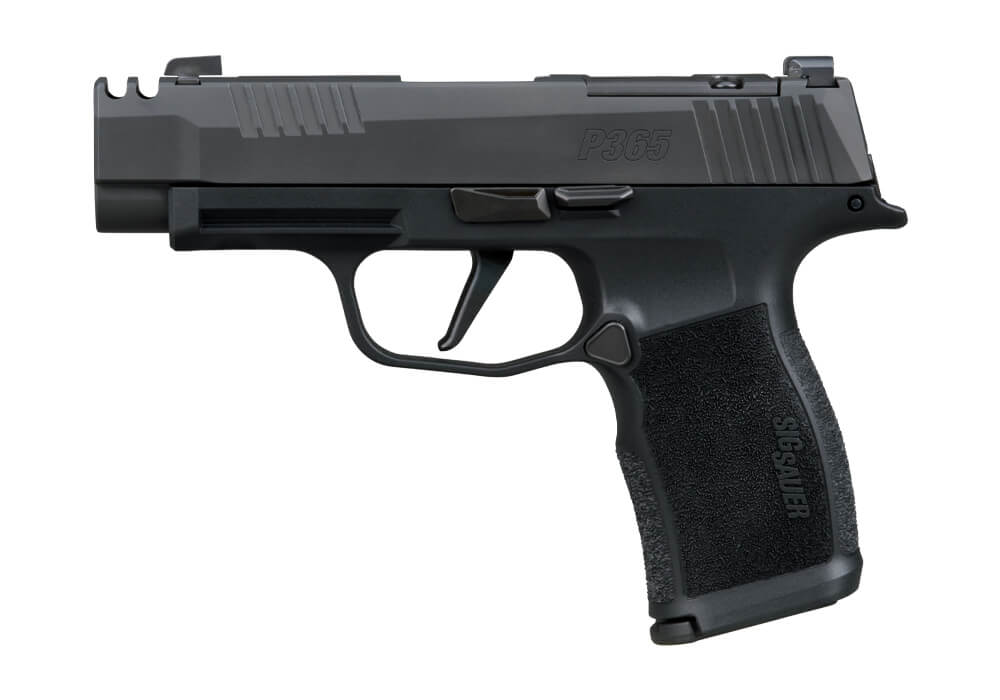
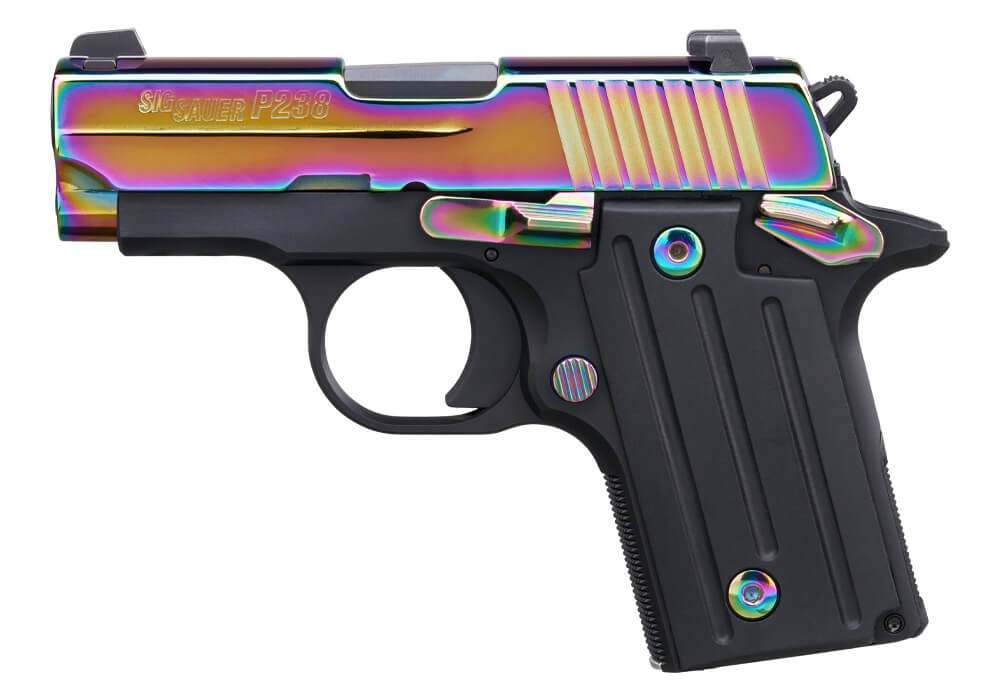
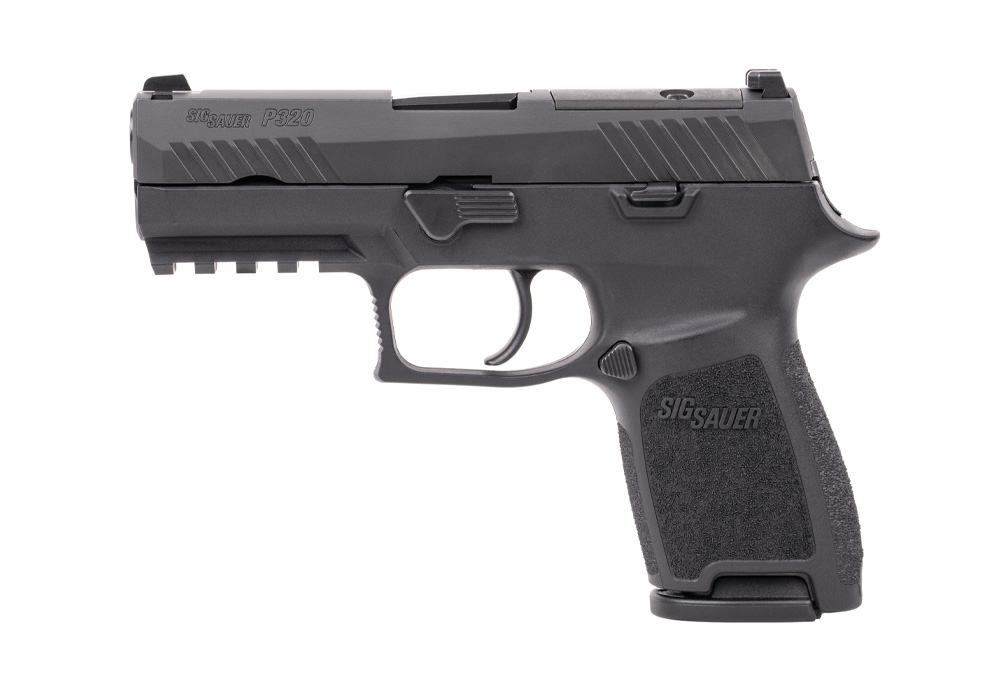
Three-inch compact handguns occupy a useful middle ground for shoppers seeking a smaller profile without moving all the way to the shortest available handgun configurations. With barrels generally measuring about 3 to 3.1 inches, these firearms are easier to carry and store than many full-size models while still offering practical handling for training, home protection, and lawful everyday carry. The shorter barrel reduces the overall footprint, which can help when choosing a belt holster, inside-the-waistband rig, or another secure carry method suited to your clothing and routine. At the same time, compact dimensions bring tradeoffs worth considering. A lighter frame has less mass to help manage recoil, and the shorter sight radius can require more deliberate alignment, especially for newer shooters. Many current designs pair a slim grip with a flush-fitting magazine in the 10- or 11-round range, while extended magazines can provide additional gripping surface and more ammunition for the range. Standard and extended magazine options should be evaluated alongside the way the magazine fits the grip, how easily controls can be reached, and whether the handgun remains comfortable when carried for several hours. A model that feels trim in a display case may feel different beneath a jacket or while seated in a vehicle, so hands-on evaluation with an unloaded firearm is an important part of the selection process. For shoppers comparing nearby configurations, Handguns With 3.9 In Barrel may offer a slightly longer sight radius and a touch more forward weight while preserving a compact overall format.
The best choice depends on the person, the intended use, and the amount of practice that will follow the purchase. Someone with smaller hands may appreciate a narrow grip and manageable reach to the trigger, while another shooter may prefer a fuller grip that gives the little finger a secure resting place. Grip texture deserves attention as well: it should provide a firm hold during practice without creating hot spots against the skin or clothing. Controls should be easy to operate with the shooting hand, and the sights should be clear in the lighting conditions where training will take place. Three-inch compact handguns can serve experienced carriers who value a discreet profile, but they can also suit newer owners who are willing to begin with professional instruction and a structured practice plan. These firearms are not simply accessories to place in a drawer; they require secure storage, regular inspection, and familiarity with safe handling procedures. Before purchase, confirm local laws covering ownership, transport, concealed carry, magazine restrictions, and private transfers, since requirements vary by jurisdiction. A prospective owner should also budget for a quality holster that fully protects the trigger area, secure storage such as a lockbox or quick-access safe, practice ammunition, eye and ear protection, and defensive ammunition selected according to reliable function in that particular handgun. Function testing should take place at an appropriate range under controlled conditions, with attention to grip, recoil, sight tracking, and consistent operation. A short barrel can feel lively in the hand, particularly in a lightweight frame, so frequent practice with a firm two-handed grip helps build confidence without relying on assumptions formed from product specifications alone.
A compact handgun may be considered as a gift for a spouse, adult family member, or trusted shooting partner, but the most thoughtful approach is to involve the recipient in the selection and confirm that the transfer is lawful. Fit is personal, and the right choice depends on hand size, strength, vision, carry preferences, and experience. A gift package can include training with a qualified instructor, a secure storage solution, a properly fitted holster, and range time rather than focusing only on the firearm itself. For daily carriers, comfort often determines whether safe habits remain consistent: the handgun should stay secured in the same position, remain covered by an appropriate holster, and be carried only in accordance with applicable law. For home protection, consider how the firearm will be stored away from children, visitors, and unauthorized users, with a plan that keeps access controlled and handling deliberate. For range use, three-inch compact handguns provide an engaging platform for practicing sight alignment, trigger control, reloads, and movement between targets, though every exercise should follow the range’s rules and established firearm safety principles. During the cooler months, layered clothing can change concealment and holster comfort, while warmer indoor spaces may call for a different storage or carry arrangement; reviewing the setup as clothing changes can prevent discomfort from becoming a reason to handle the firearm unnecessarily. Shoppers who compare barrel length, frame dimensions, unloaded weight, grip geometry, sight design, standard and extended magazine options, finish, warranty support, and available accessories will be better positioned to select a compact handgun that fits both their hands and their habits. Careful selection, secure storage, lawful handling, and consistent training bring the practical value of this size category into focus.