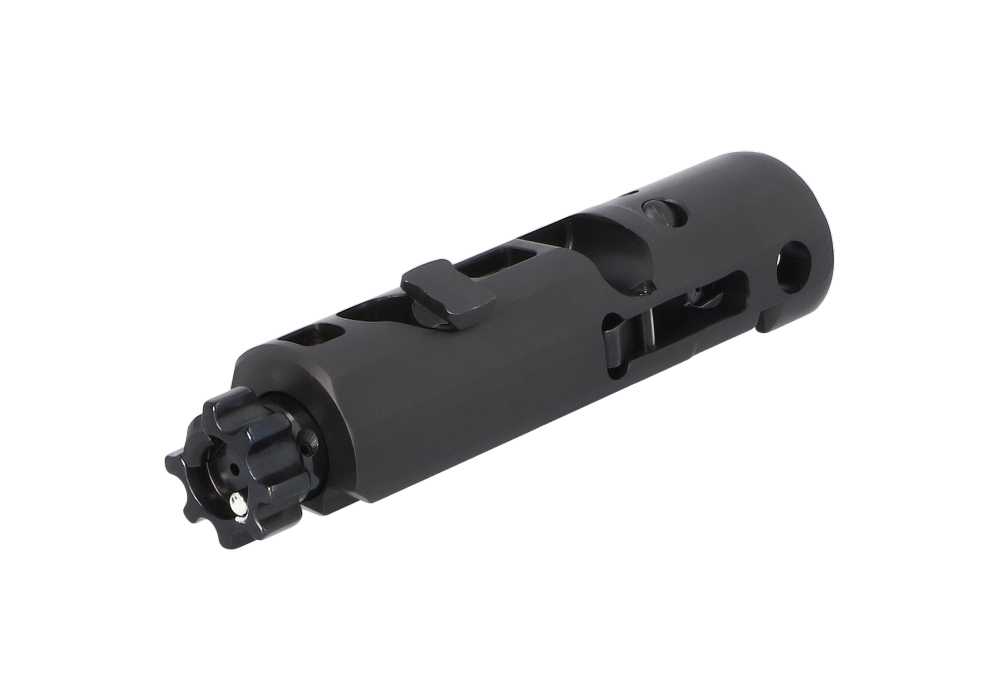
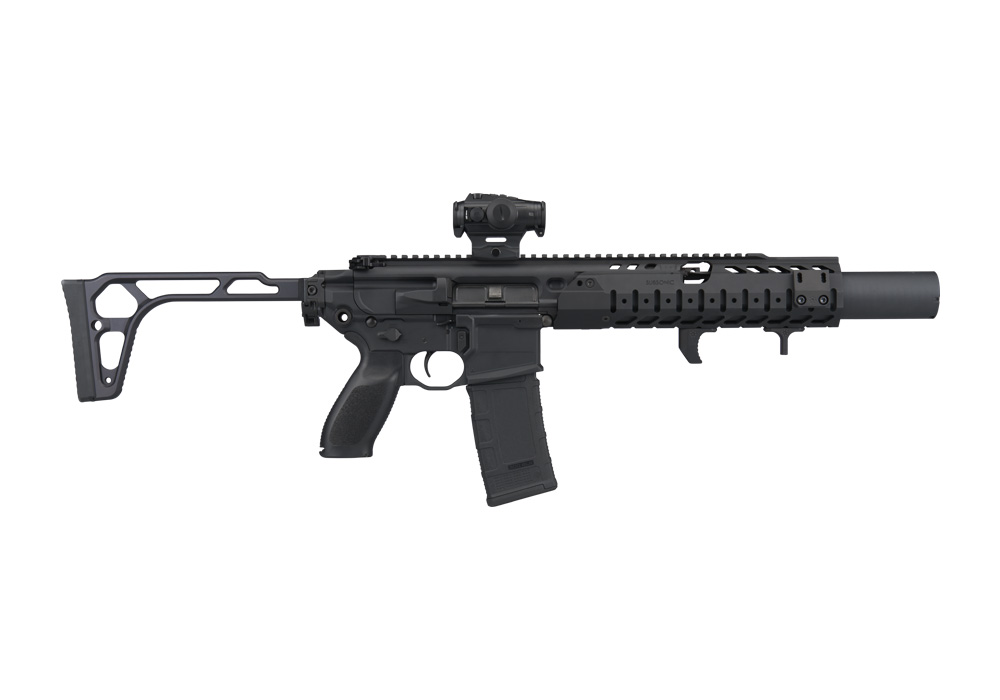
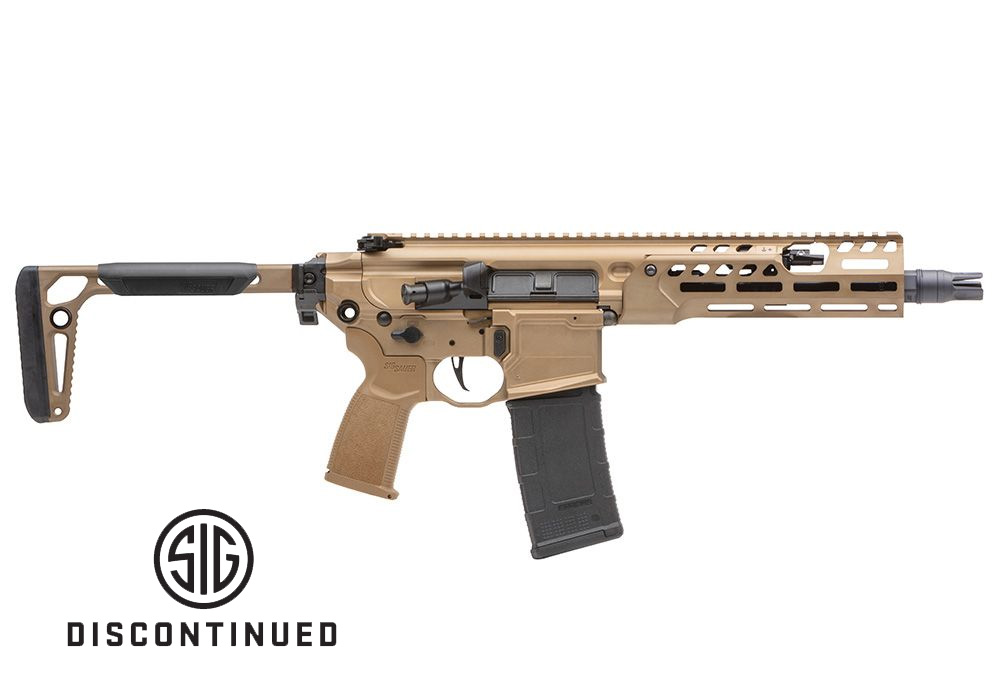
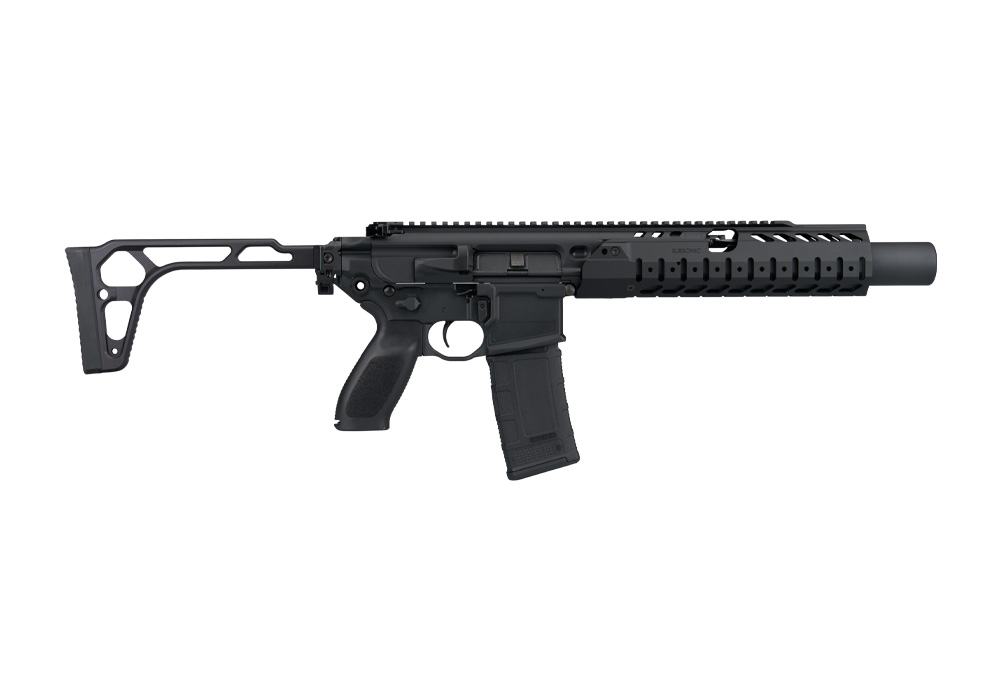
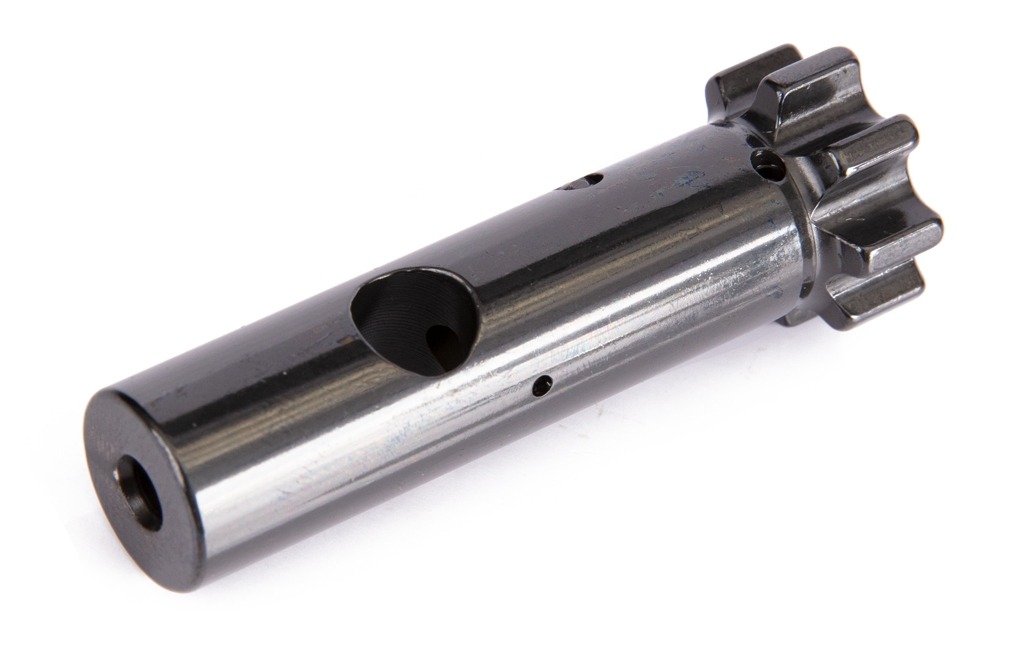
A .300 Blackout AR-15-pattern rifle commonly uses a bolt compatible with .223 Remington and 5.56 NATO because these cartridges share the same case-head dimensions. That shared geometry is useful background when browsing .300 Blackout rifle bolt assemblies for range days, but it is not a guarantee that every assembly fits every rifle. Platform design, manufacturer specifications, and the exact configuration of the firearm remain the deciding factors. Rifles with proprietary operating systems may require dedicated components, even when they use the same ammunition. A bolt assembly also should not be confused with a complete bolt carrier group: the bolt is one component within that larger system, and the contents of an assembly can vary. Depending on the description, an assembly may include an extractor, ejector, associated springs, and retaining components, while other parts are supplied separately. Clear component descriptions help distinguish a replacement bolt assembly from a more extensive replacement unit. For range use, the practical goal is dependable function within the rifle’s original specifications, not a collection of features that sound impressive without addressing fit. A shooter preparing for regular practice benefits from knowing the rifle’s exact model, its operating system, and the manufacturer’s replacement-part requirements before choosing a component. Matching only the cartridge designation leaves too much unanswered. The bolt’s relationship with the barrel extension and the firearm’s headspace also warrants qualified evaluation; visual similarity alone cannot establish a safe match. Manufacturer guidance or a qualified gunsmith can resolve uncertainty without relying on assumptions drawn from another rifle. This distinction matters whether the assembly is intended to replace a worn component or serve as a documented spare for an established range rifle. A spare is most useful when its compatibility is already understood, rather than discovered after a range session has been interrupted. Accurate specifications, clearly described contents, and platform-specific guidance provide a stronger basis for selection than broad claims of universal compatibility. They also make it easier to compare assemblies consistently, especially when similar-looking components belong to different firearm families.
Materials, manufacturing controls, and surface treatments are central considerations for rifle bolt assemblies because these components operate under repeated mechanical stress. Alloy steels, including 9310 and other specified bolt steels, appear in this category, but a material designation tells only part of the story. Appropriate heat treatment, dimensional consistency, and quality-control procedures also influence suitability and service life. Where a description identifies inspection methods, those details offer useful context about the component’s production checks; they do not replace confirmation that the assembly is correct for the firearm. Finishes deserve the same measured approach. Phosphate, nitride, and other surface treatments have different characteristics, and their appearance should not be treated as a complete measure of durability. A dark, uniform finish may look appealing, but dependable service depends on the underlying component and its compatibility as well as the surface treatment. For someone who spends an afternoon shooting deliberate groups from a bench, practical ownership concerns include straightforward inspection, accessible manufacturer documentation, and a maintenance routine that fits the rifle’s requirements. Carbon residue and fouling are ordinary considerations in a working firearm, so care should follow the firearm and component manufacturers’ recommendations for cleaning products, lubrication, and inspection intervals. No finish eliminates the need for maintenance. Abrasive treatment or unapproved chemicals can be counterproductive, particularly where a protective surface or closely controlled dimension is involved. Unusual wear, visible damage, or a change in function calls for professional assessment rather than continued use to see whether the condition improves. Storage matters between outings, too: a clean, protected component is easier to inspect than one left loose among tools and accessories. Keeping a spare in protective packaging with its identification information helps preserve both its condition and its traceability. Over time, a simple record of use, maintenance, and professional inspections provides more meaningful ownership context than judging a bolt assembly solely by its exterior appearance.
The right audience for .300 Blackout rifle bolt assemblies includes recreational target shooters, owners maintaining an established practice rifle, and experienced enthusiasts who prefer to keep compatible replacement components documented and organized. Their needs may differ, but the selection process starts with the same fundamentals: correct fit, clearly stated materials, defined assembly contents, and credible care information. A person who visits the range occasionally may value a straightforward replacement that follows the firearm manufacturer’s specifications, while a frequent participant in structured practice may pay closer attention to service records and inspection schedules. Neither situation calls for assuming that a replacement bolt will improve accuracy, resolve every cycling concern, or compensate for an unrelated problem elsewhere in the rifle. Changes in function can have several causes, and diagnosis belongs with a qualified professional. Range preparation is more predictable when the firearm has been inspected and any component questions have been settled before leaving home. That leaves attention for target placement, safe handling, and the practice plan rather than uncertainty about a newly selected part. Bolt assemblies can also be a thoughtful gift for a knowledgeable firearm owner, provided the recipient’s exact platform and preferences are confirmed beforehand; this is a category where a well-intentioned guess can result in an unsuitable component. For owners whose interests extend beyond target shooting, Factory Rifle Bolt Assemblies for Hunting Season offers a related category to explore with the same attention to platform requirements. Across intended uses, useful product information should make the essentials easy to establish without requiring shoppers to interpret vague compatibility claims. A clearly identified assembly, appropriate professional verification, and consistent care support responsible long-term ownership. For range days in particular, that preparation helps keep the focus where it belongs: an orderly session, familiarity with the rifle, and confidence that replacement components have been selected for the firearm rather than for appearance alone.