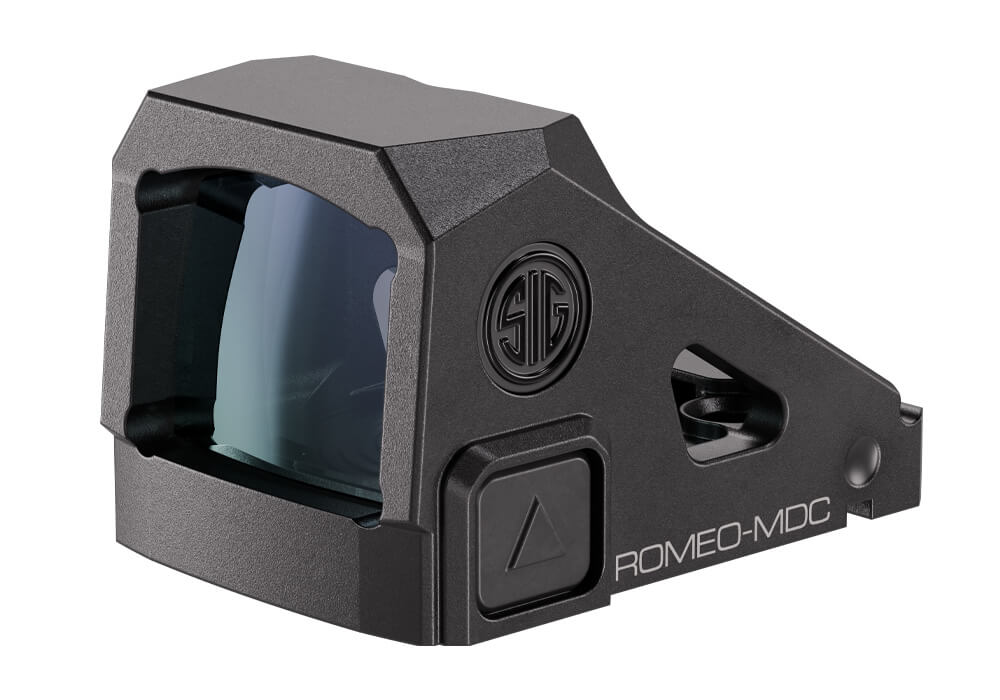
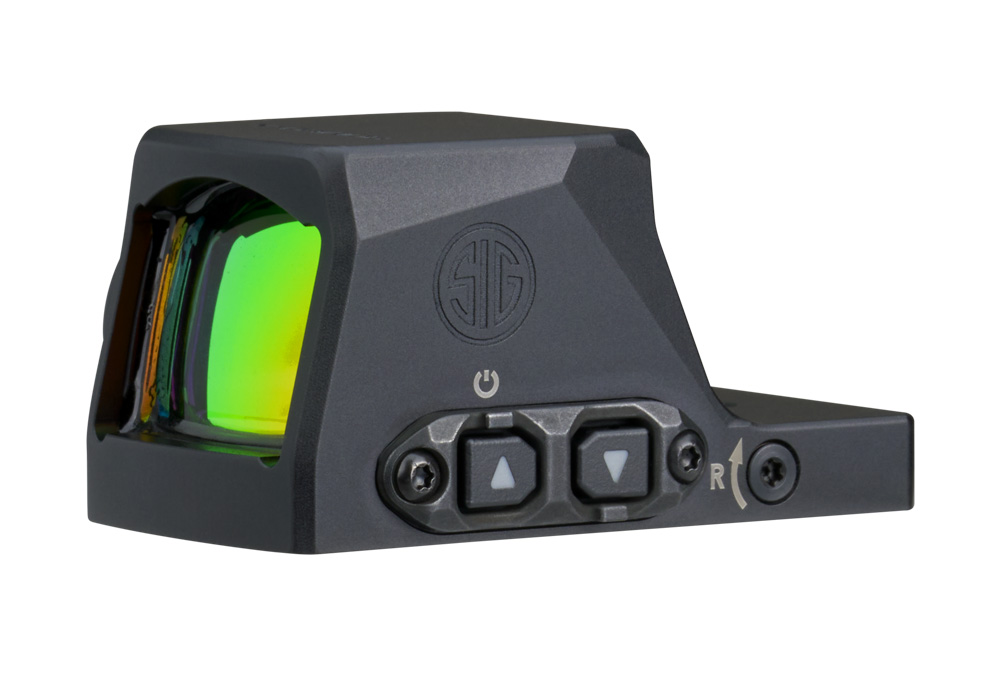
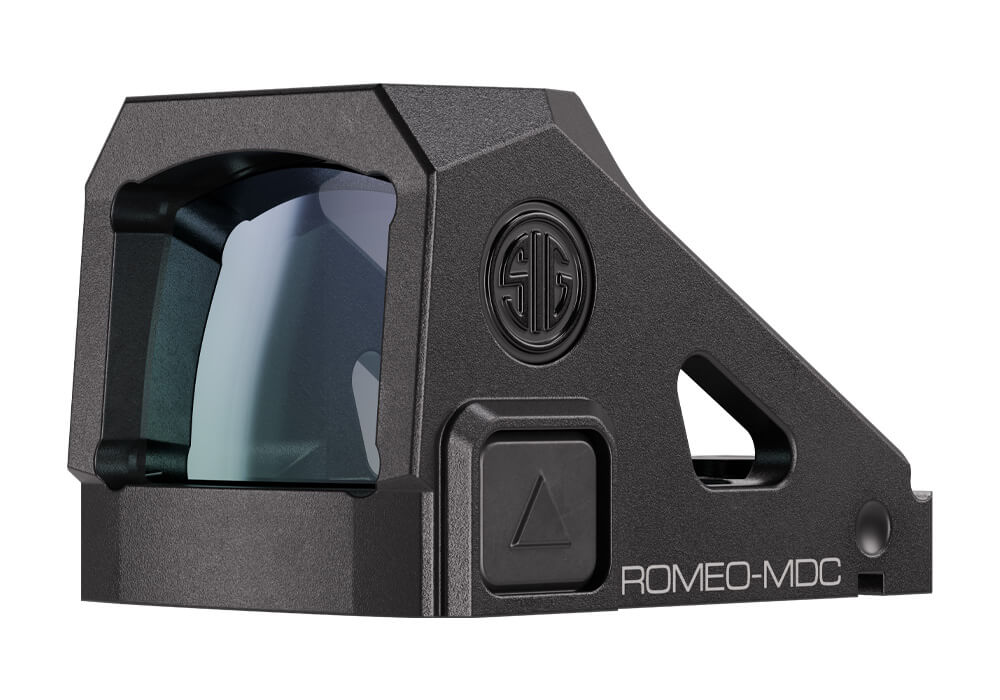
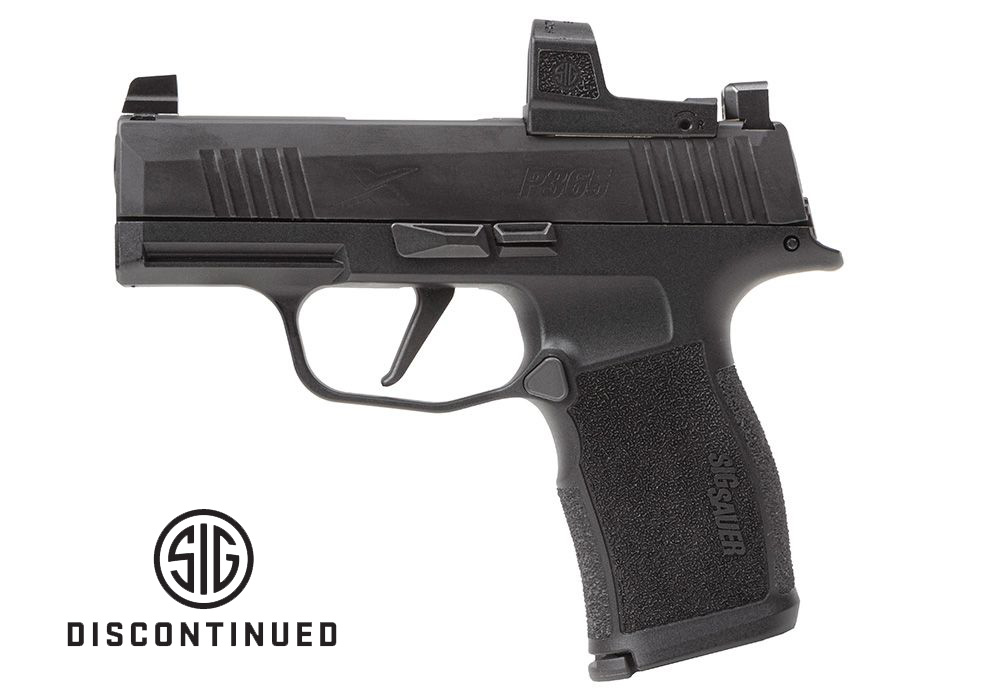
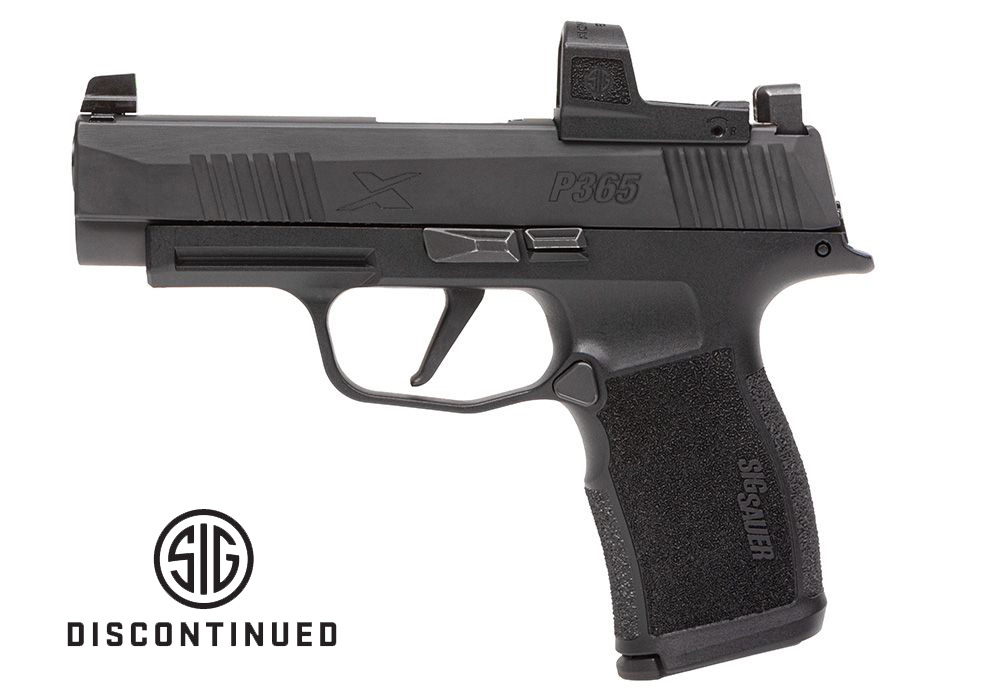
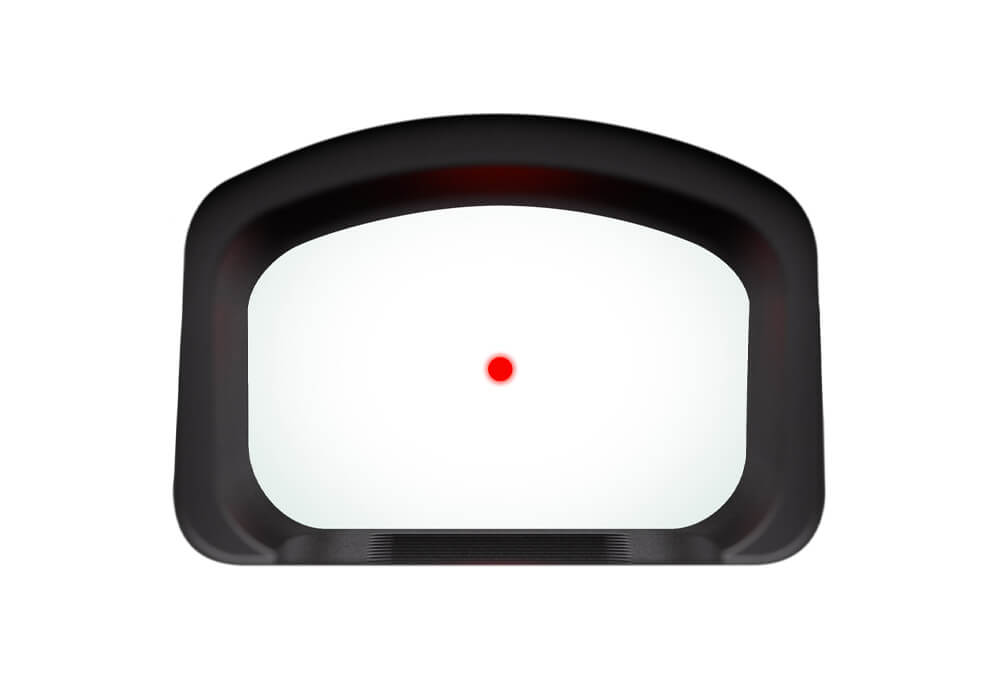
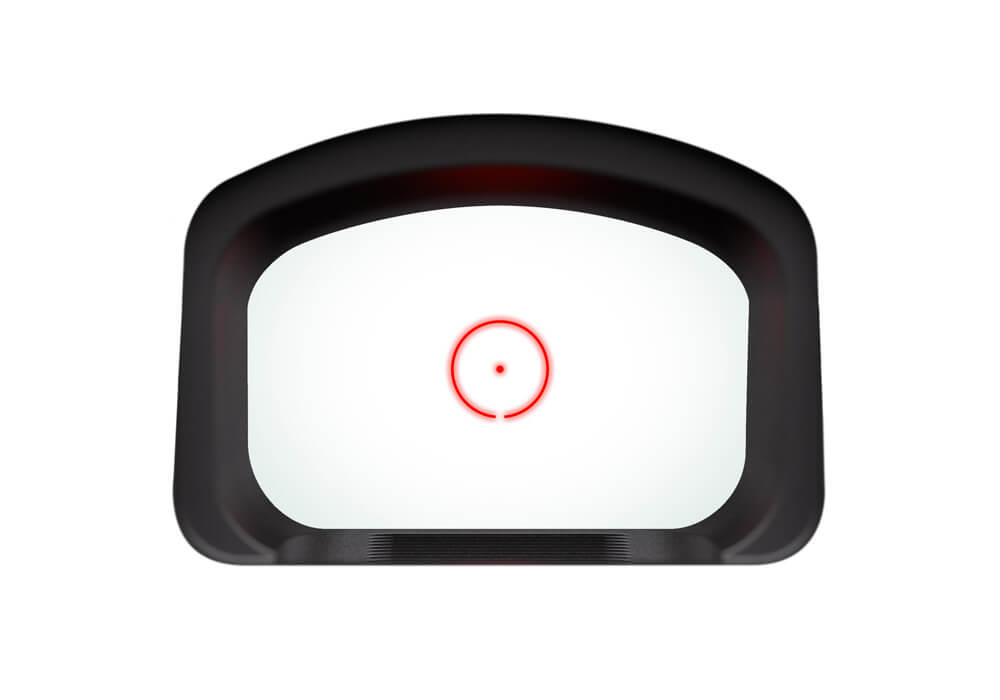
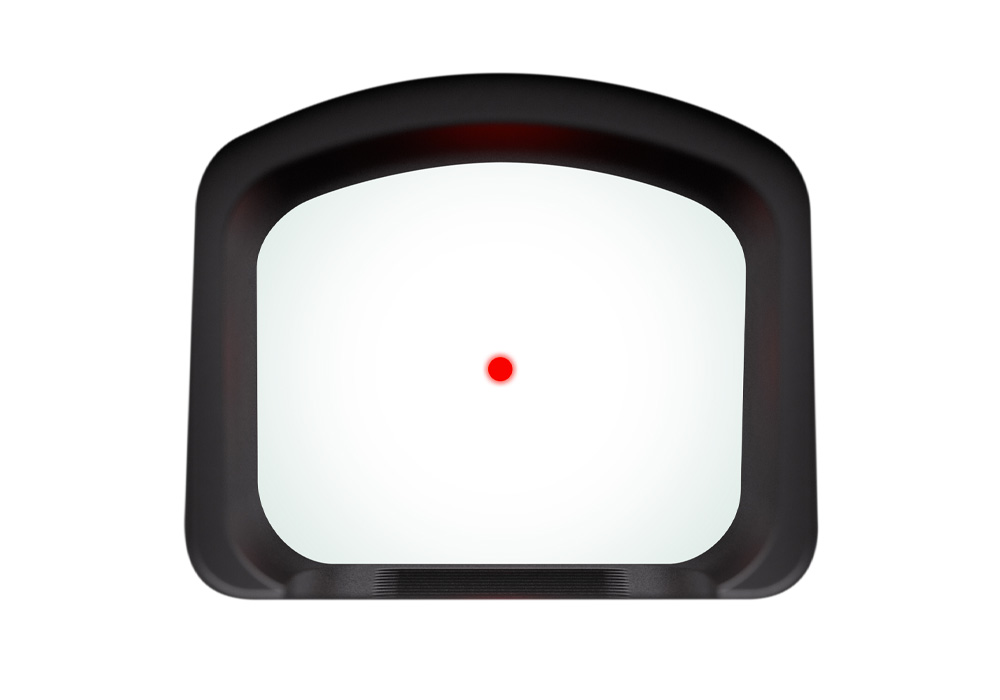
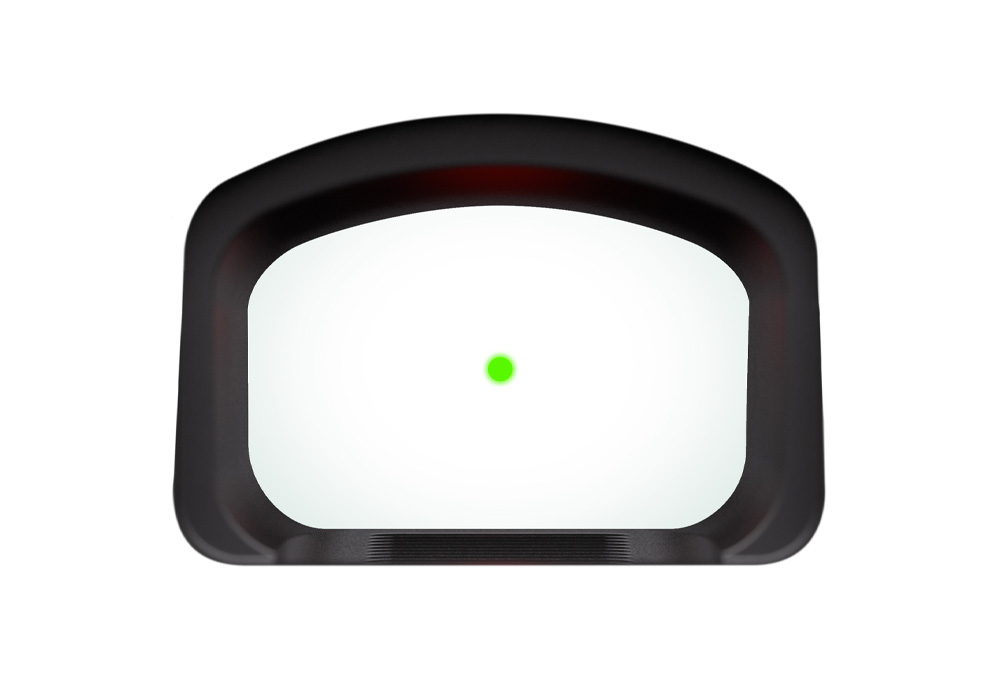
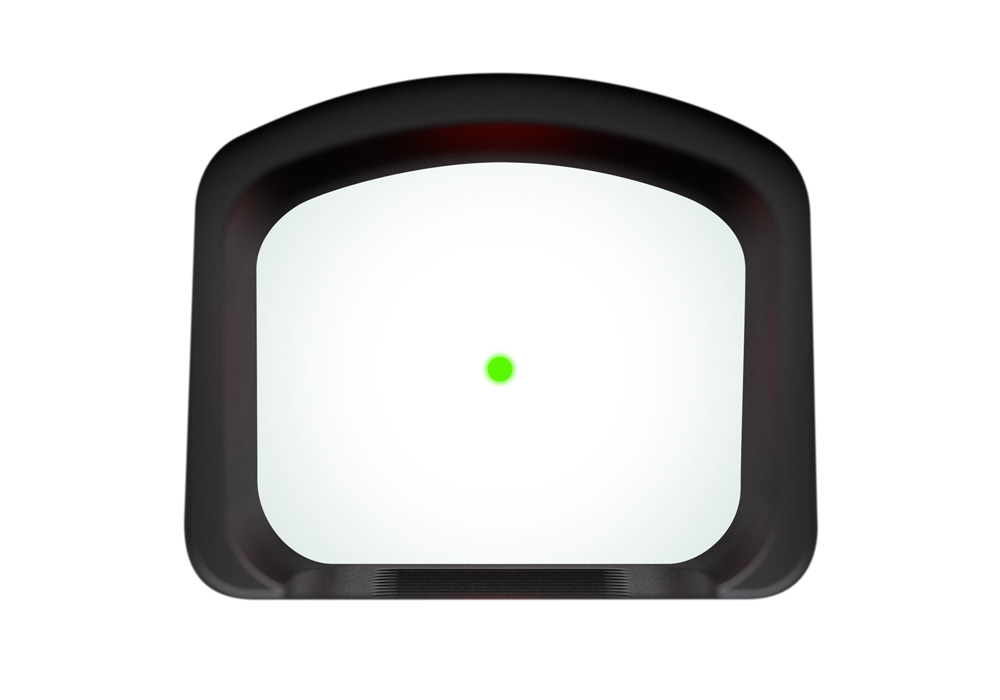
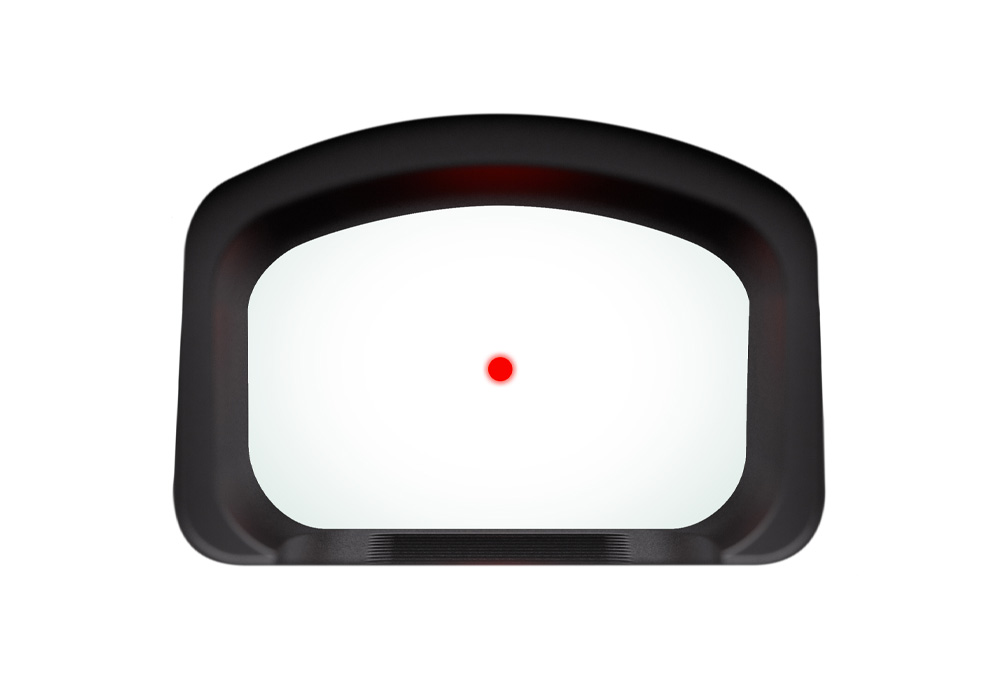
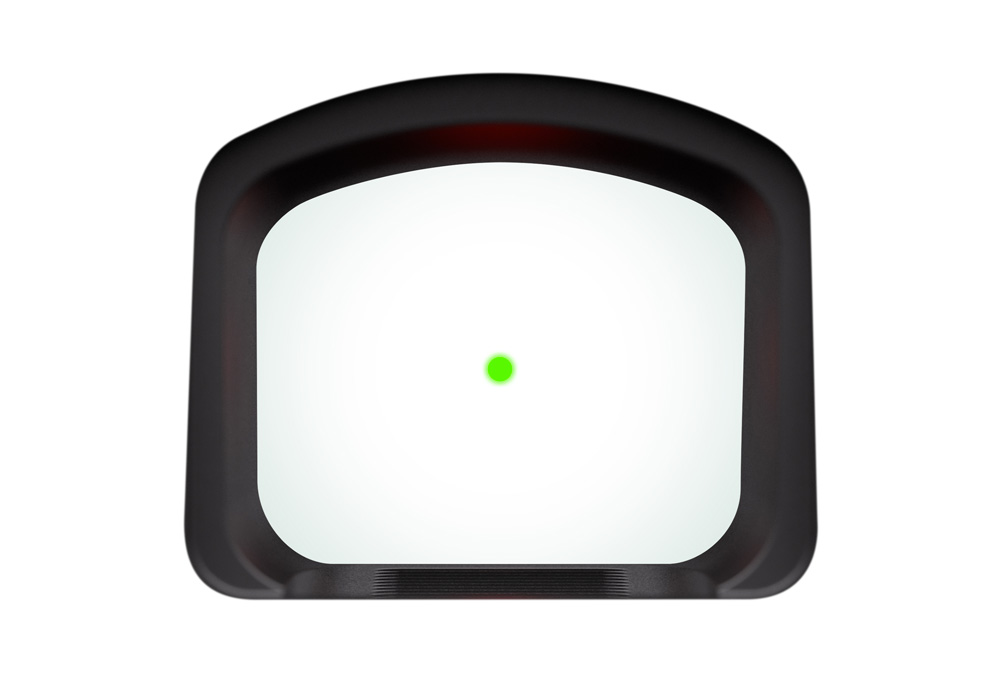
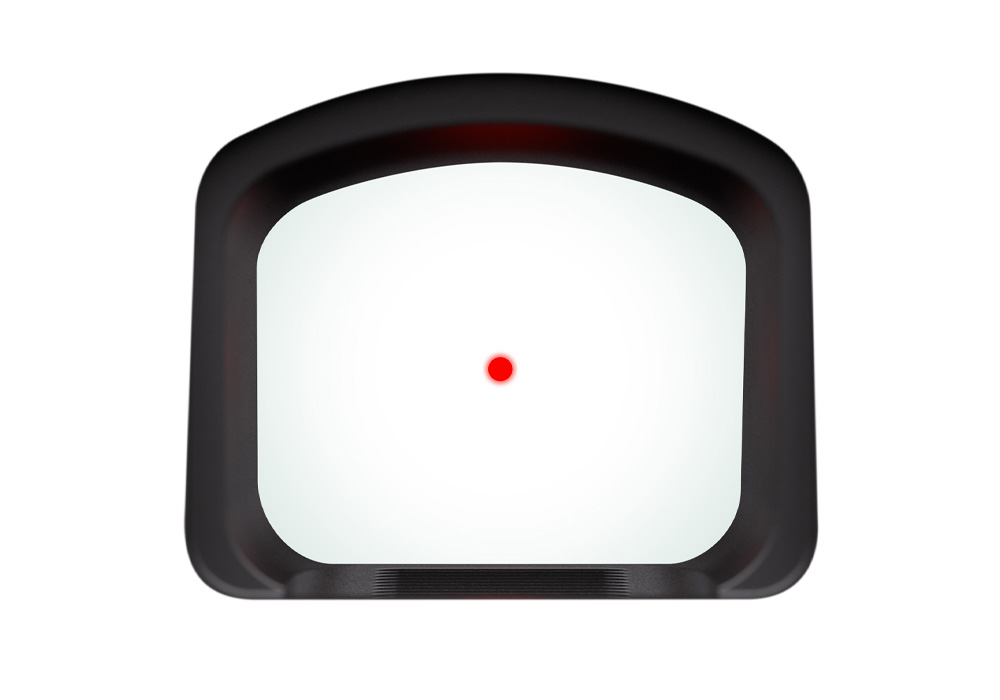
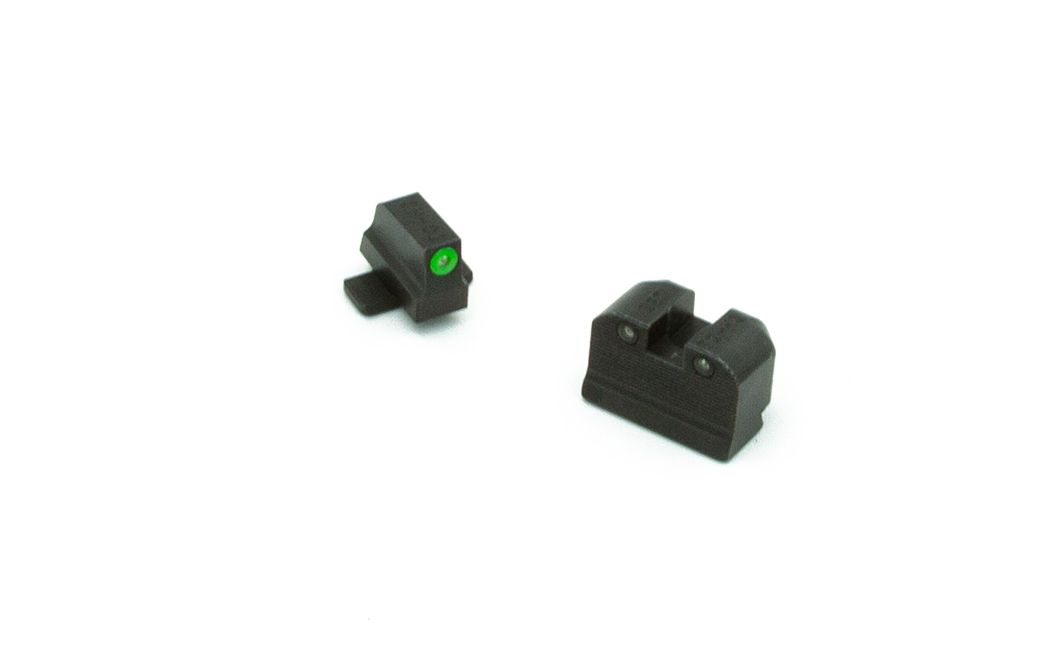
A 3MOA reflex optic for a pistol offers a practical balance between quick target acquisition and precise aiming. MOA, or Minute of Angle, is an angular measurement used to describe the apparent size of the aiming dot. At 100 yards, a 3 MOA dot covers approximately 3 inches of a target; at closer handgun distances, it covers a smaller area while remaining easy to see against the target. This makes a 3 MOA dot a versatile choice for shooters who want more refinement than a larger dot can provide without giving up the fast visual reference that makes a reflex optic useful. When the pistol is brought into position and the optic is aligned with the shooter’s line of sight, the illuminated dot can be placed directly over the intended point of impact rather than requiring the eye to line up three separate iron-sight elements. That benefit can be especially noticeable during practice sessions where the shooter is working on smooth presentation, follow-up shots, and maintaining awareness of the target area. A 3MOA reflex optic may suit concealed-carry pistols, range pistols, training setups, and defensive firearms, provided the optic and mounting system are appropriate for the specific handgun. Shooters who prefer a more precise aiming reference at extended handgun distances often appreciate the smaller dot, while those focused primarily on very close targets may prefer a larger aiming point that is slightly faster to identify. Brightness settings, dot clarity, astigmatism, lighting conditions, and personal eyesight all influence how the reticle appears, so time spent evaluating the sight picture during daylight and lower-light practice can be valuable. The best choice is one that remains crisp enough to aim precisely, bright enough to stand out against the background, and intuitive to use without distracting from safe handling and sound marksmanship fundamentals.
Compatibility should be the first checkpoint when comparing 3MOA reflex optics for pistols. A sight may be compact, durable, and feature-rich, but it still needs to match the pistol slide cut, mounting plate, or adapter system. Common mounting interfaces include compact footprints such as RMSc-style patterns, larger RMR-style patterns, and manufacturer-specific systems; the name of the footprint is less important than confirming that it matches the firearm and the selected mounting hardware. Review the pistol manufacturer’s specifications, verify screw length and thread requirements, and confirm whether the slide is cut for direct mounting or requires an adapter plate. A qualified gunsmith or experienced firearm professional can help with installation, torque specifications, thread treatment, and ensuring that the optic is seated correctly. Mounting height also matters. A low-profile optic may allow the shooter to use standard-height iron sights through the window, a setup commonly called co-witnessing, while other combinations may require taller backup sights. Battery access, activation method, and control placement deserve equal attention. Some reflex optics use motion-sensing activation to conserve battery life while keeping the aiming dot ready when the pistol is moved; others rely on manual controls or automatic brightness adjustment. An enclosed-emitter design can offer additional protection for the emitter from dust, rain, lint, and other debris, while an open design may provide a broad viewing window and a slim profile. Neither approach is automatically right for every pistol or purpose. Consider how the firearm will be stored, carried, practiced with, and maintained, including exposure to holster lint, temperature changes, moisture, and repeated recoil. After installation, the pistol should be zeroed with the ammunition intended for regular use, using a stable rest and a safe, appropriate range. Confirm the point of impact at a practical handgun distance, check that the mounting screws remain secure after firing, and recheck the zero whenever the optic is removed, serviced, or installed on a different firearm.
These optics can be a meaningful addition for a new shooter building confidence, an experienced handgun owner refining a familiar setup, or a responsible firearm enthusiast selecting a useful gift for someone who already owns a compatible pistol. They are also a thoughtful option for a range partner who enjoys testing different sighting systems during the cooler months, when a bright, clearly defined aiming dot can make outdoor practice more comfortable and focused. Before giving an optic as a gift, confirm the recipient’s pistol model, slide configuration, preferred footprint, and intended use; a gift card or carefully verified accessory can be more helpful than choosing a sight based only on appearance. For concealed carry, size, snag resistance, holster compatibility, battery management, and durability should be considered together rather than separately. The optic must fit the pistol and the holster, preserve a reliable draw, and remain protected during ordinary daily movement. For range use, shooters may place greater emphasis on window size, brightness controls, reticle definition, and the ability to make precise adjustments. For home-defense applications, reliability, familiarity, safe storage, and consistent practice are particularly important, and an optic should complement—not replace—safe firearm handling, secure storage, and a thorough understanding of the pistol. Those exploring related configurations can also compare Direct Mount Reflex Sights for Pistols to see how direct mounting may affect sight height, fit, and overall setup. Whatever the intended role, inspect the lens and mounting hardware regularly, keep the optic free of obstructive debris, monitor the battery according to the manufacturer’s recommendations, and practice presenting the pistol with the dot appearing naturally in the window. With the right footprint, dependable installation, and a reticle that suits the shooter’s eyes, a 3MOA reflex optic can provide a clean, consistent aiming reference for deliberate practice and confident pistol handling.