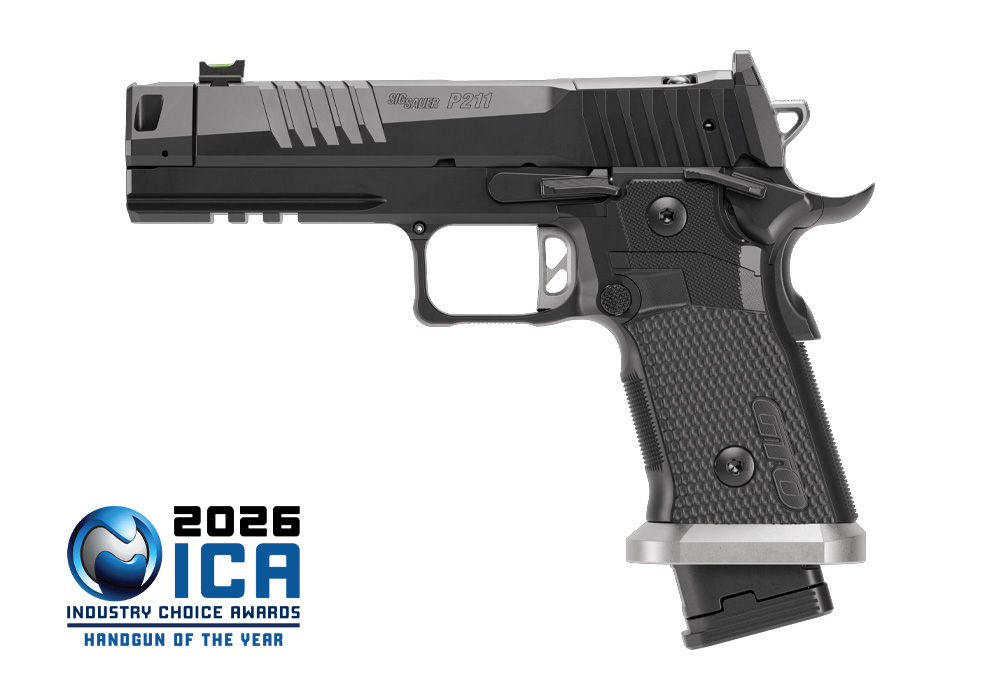
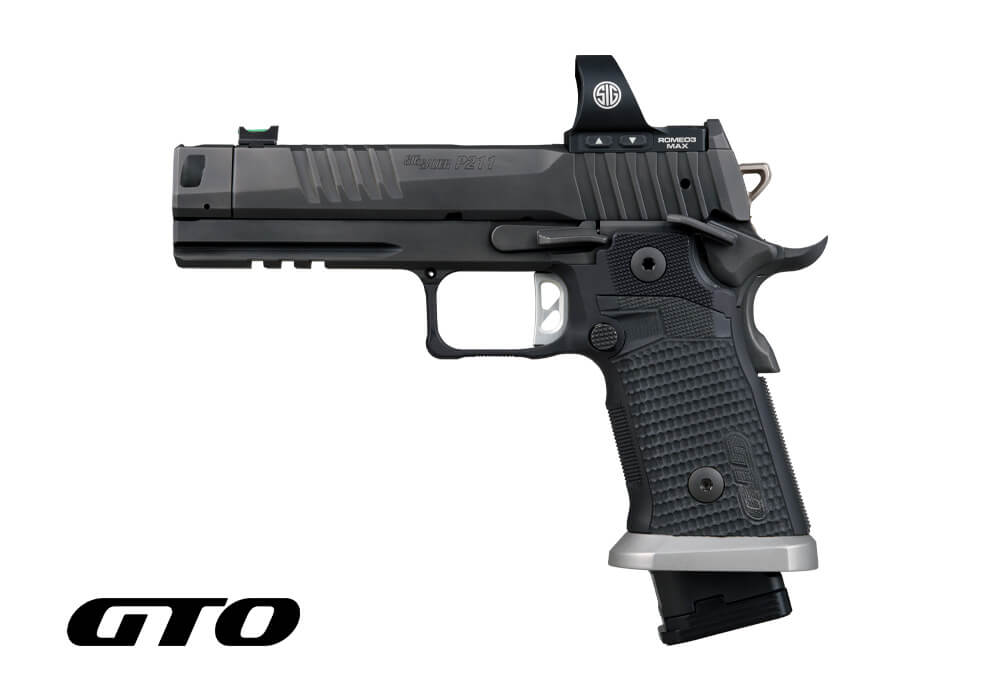
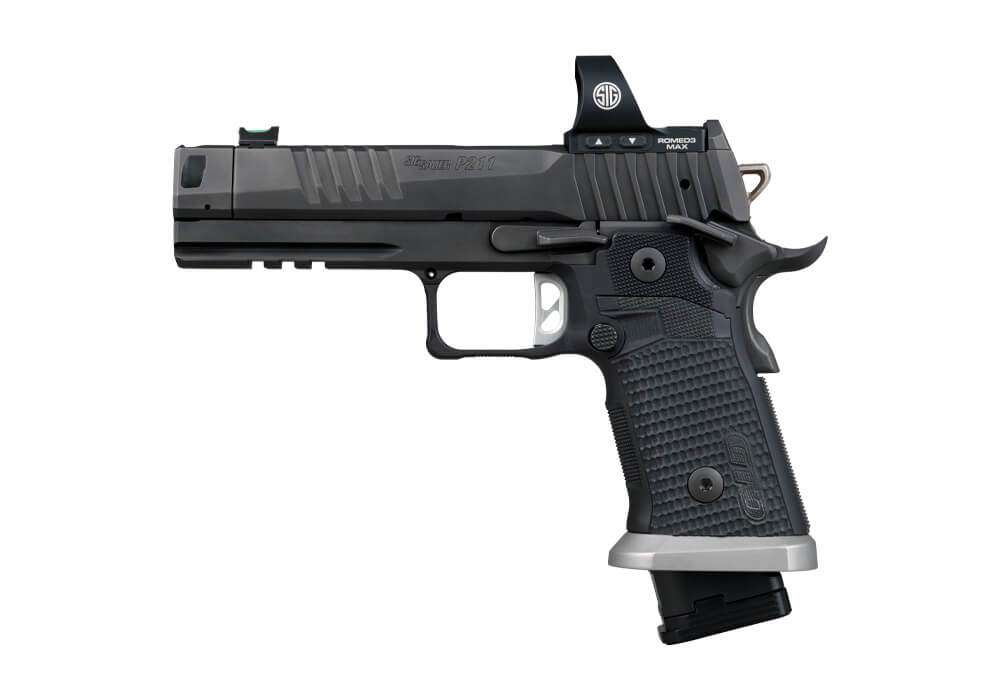
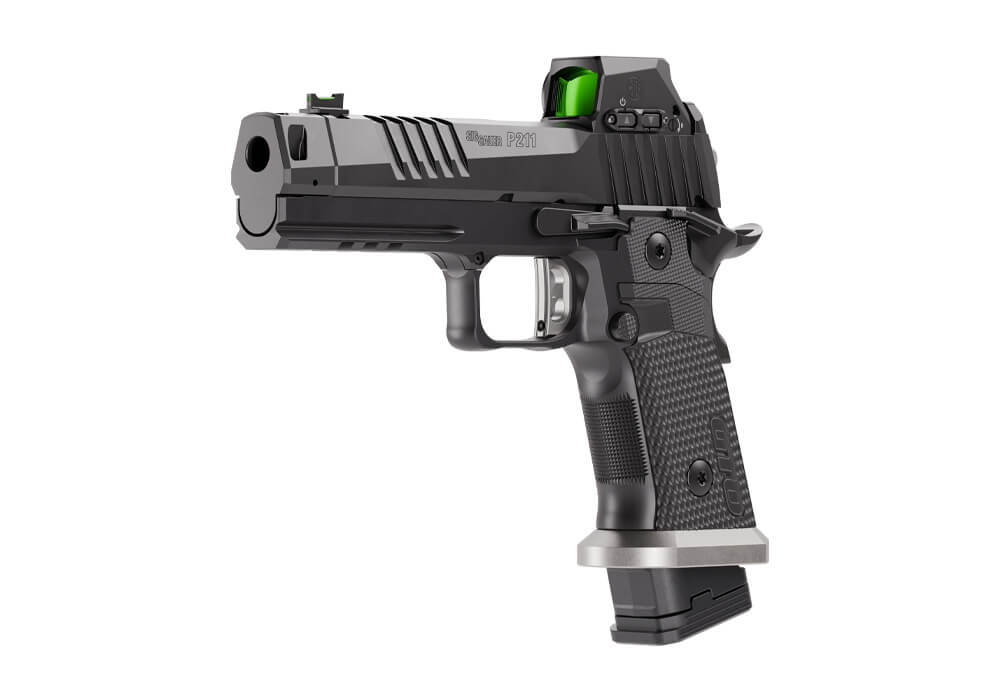
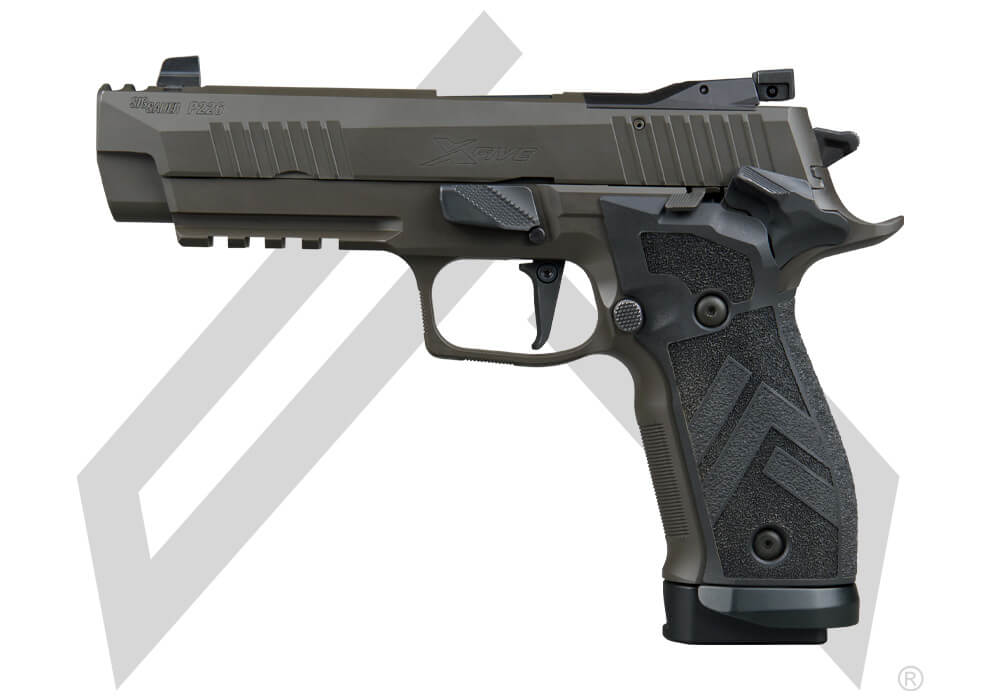
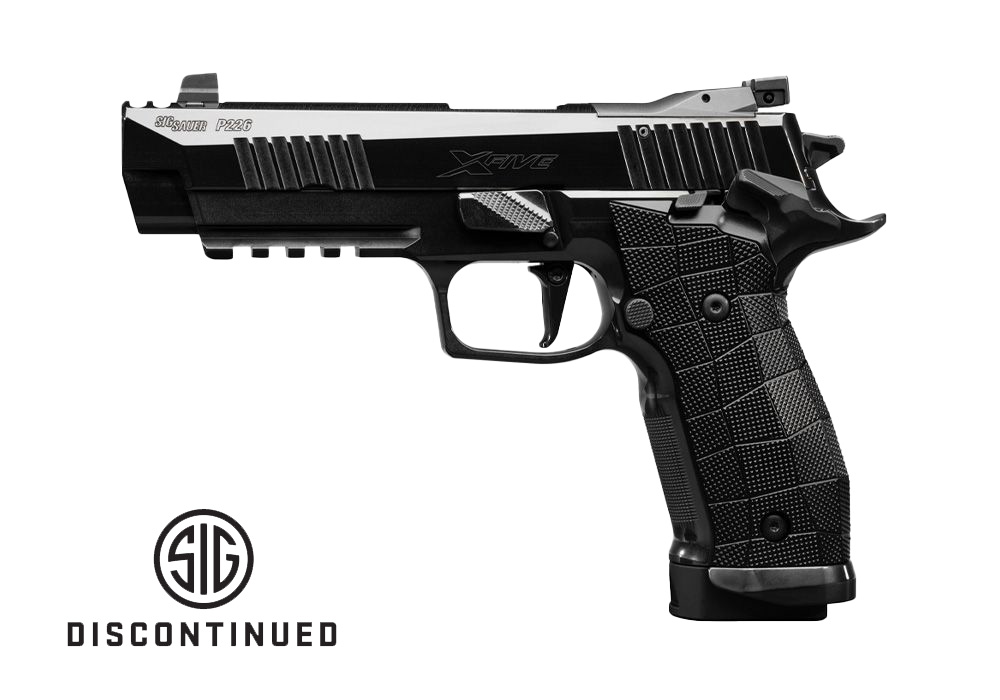
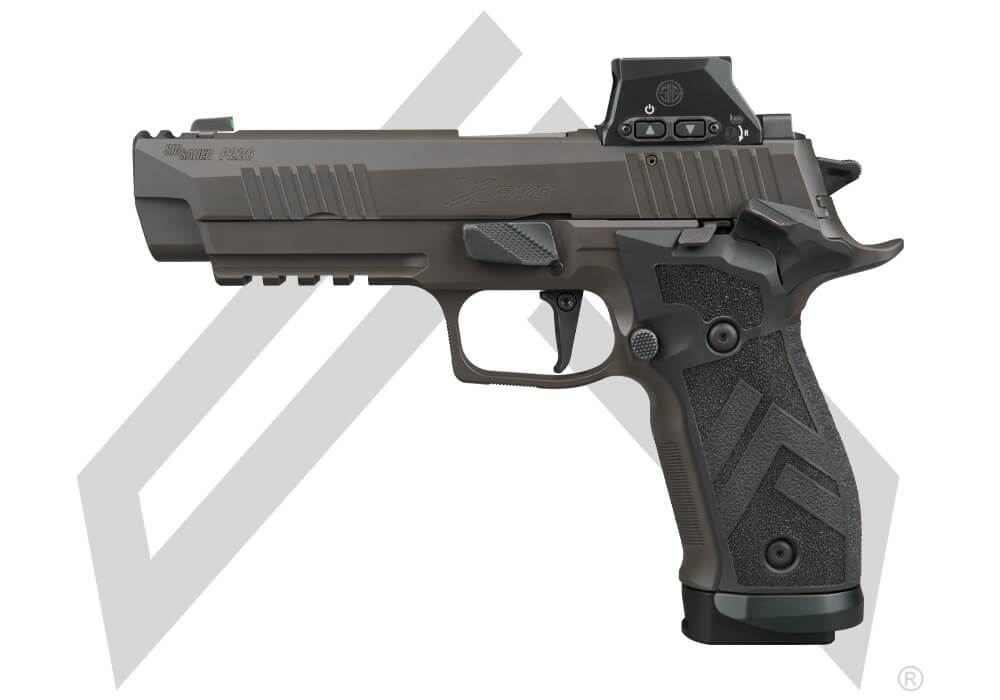
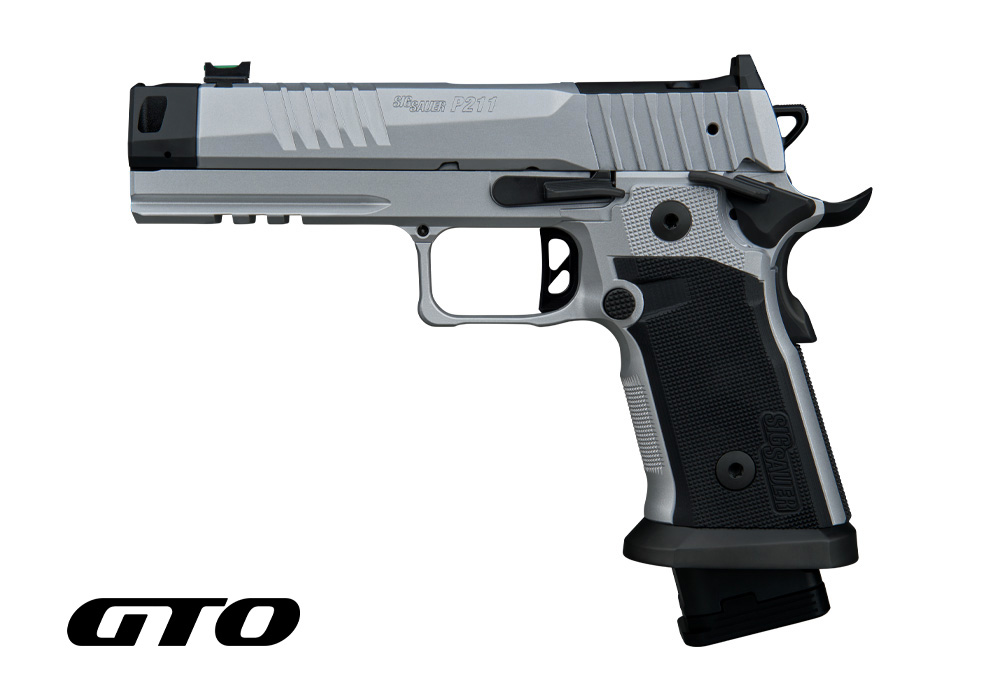
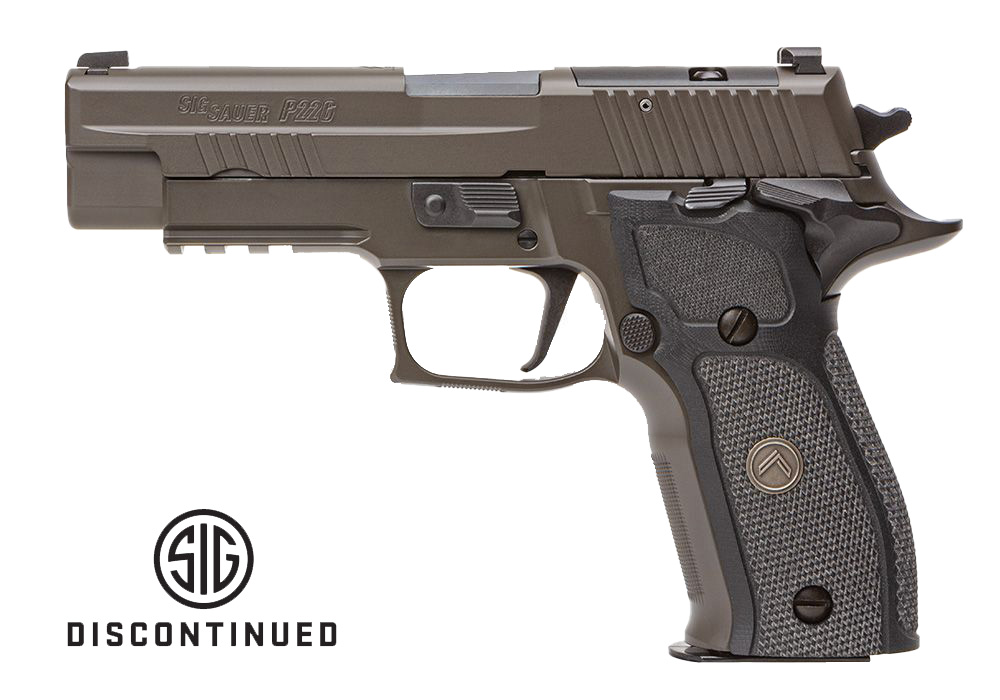
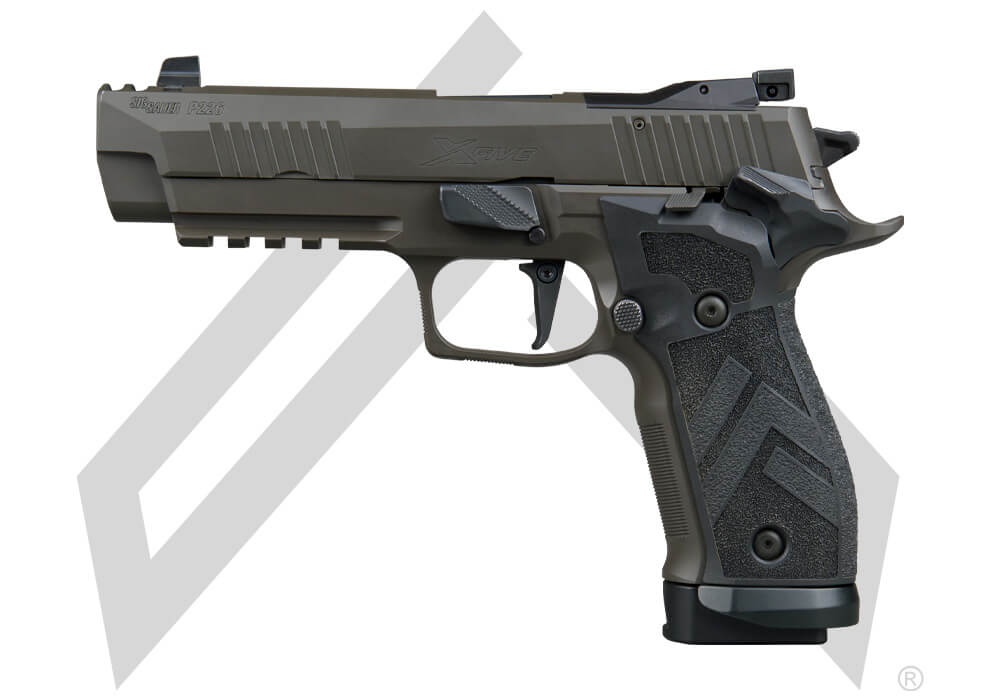
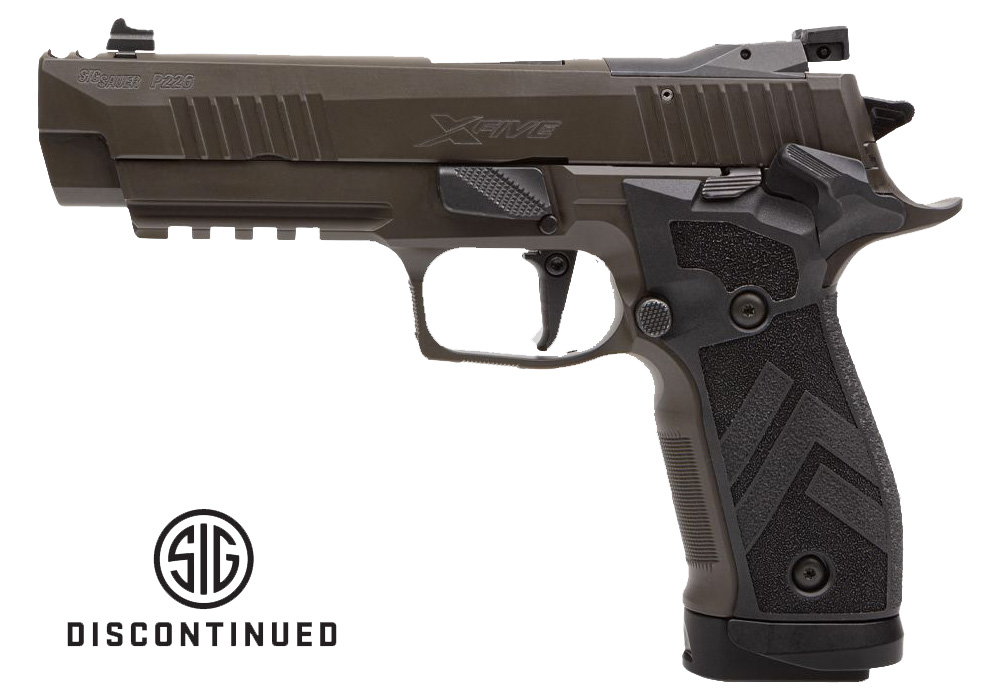
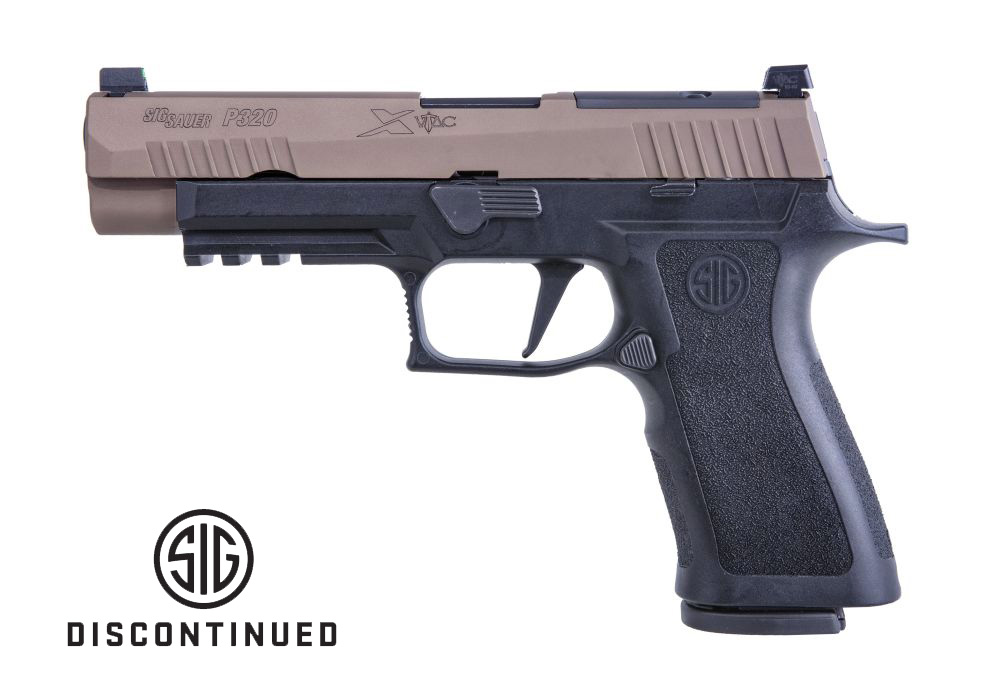
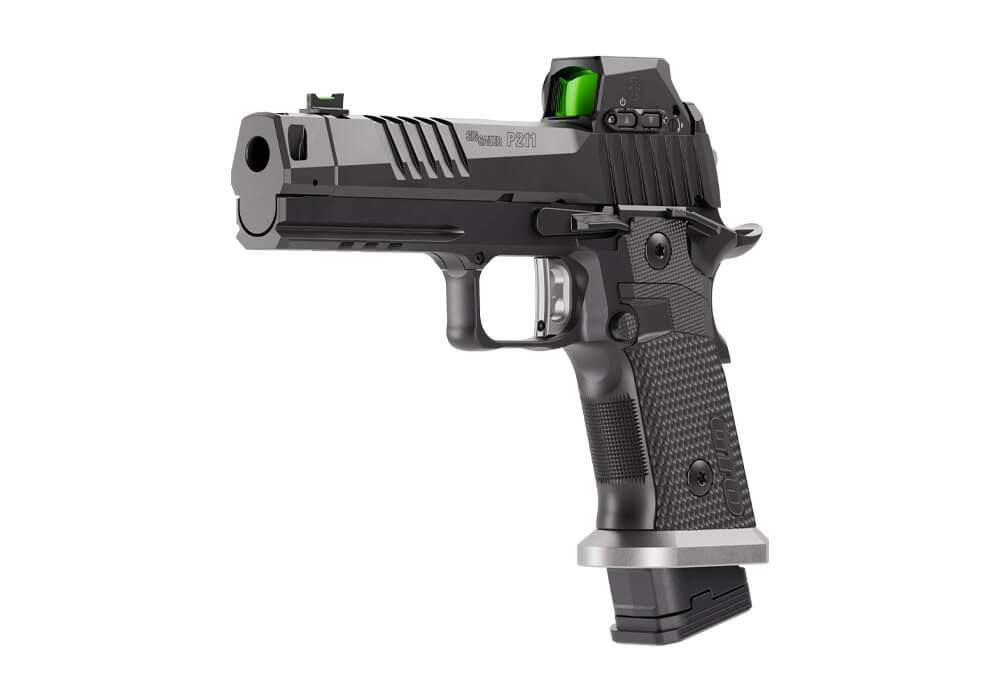
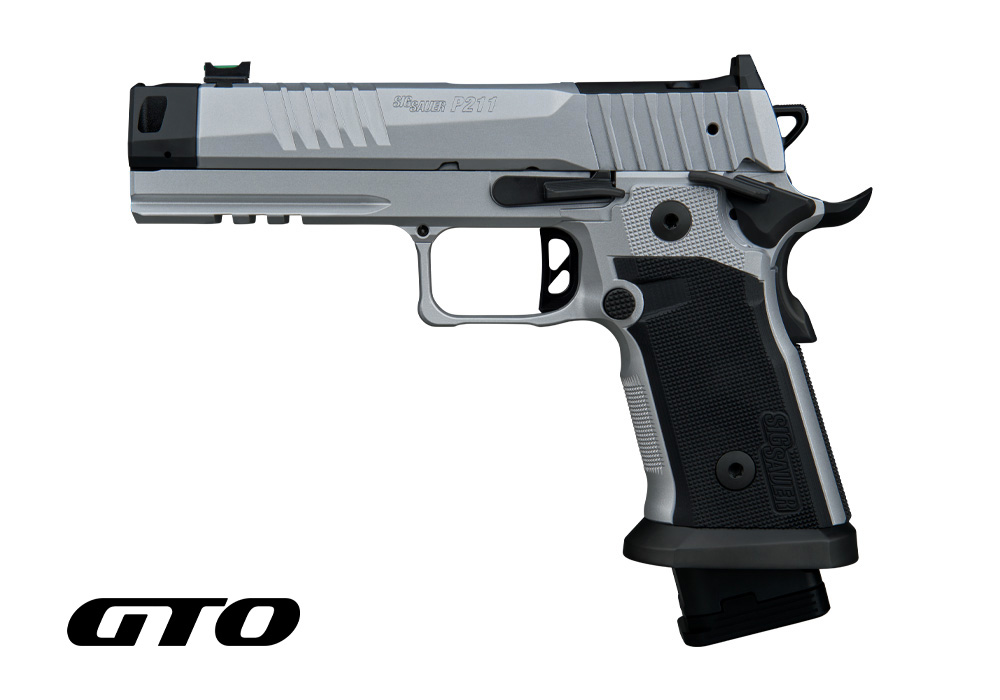
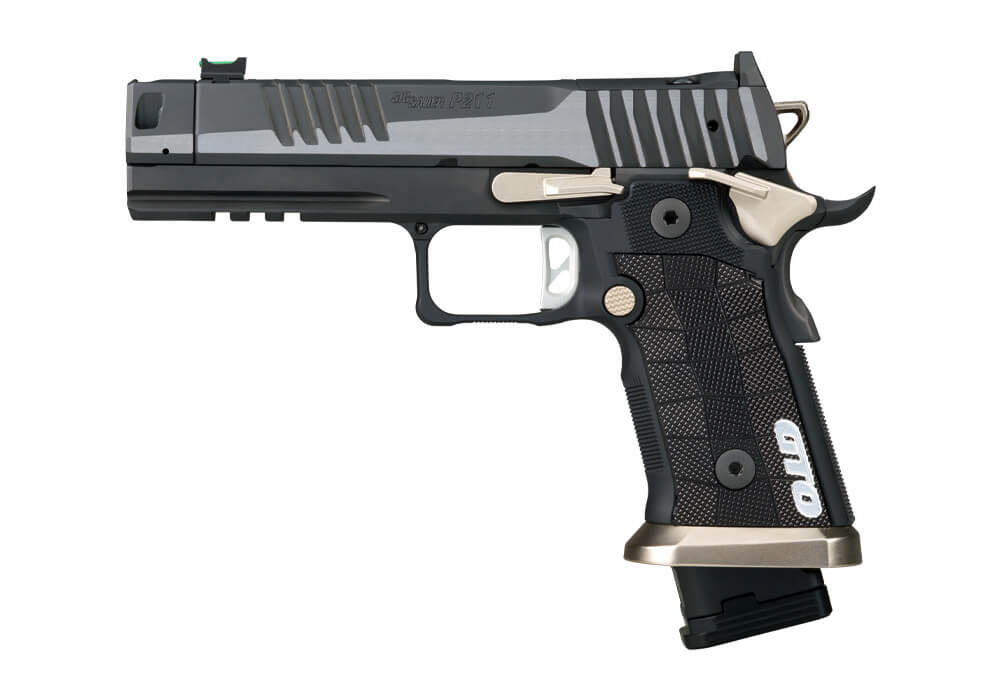
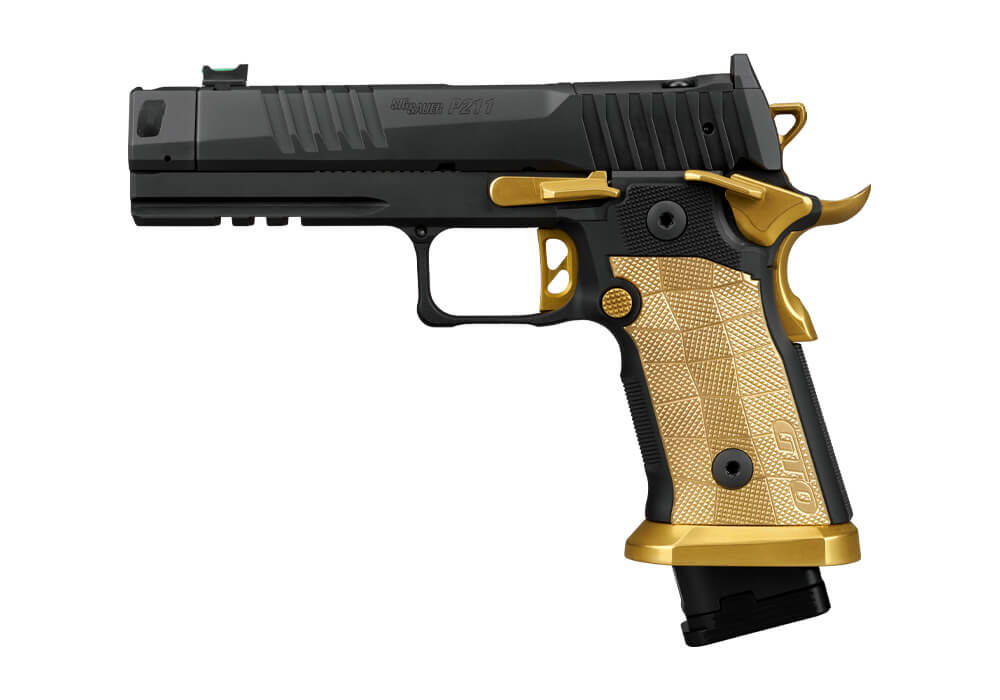
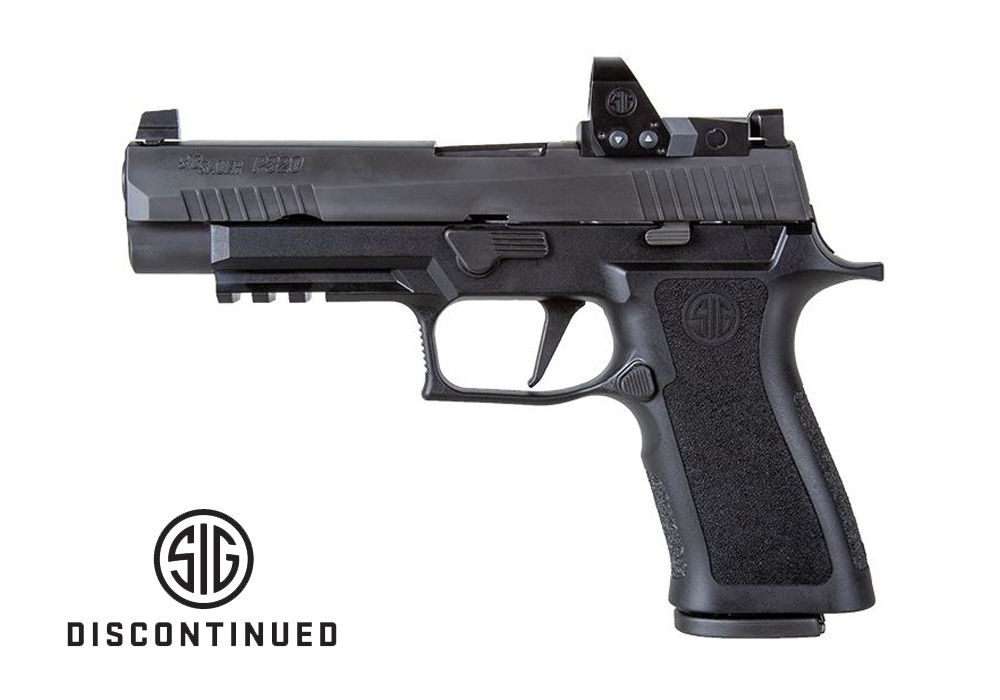
4.4-inch tactical pistols occupy a practical space among semiautomatic handguns used for lawful duty, personal protection, formal training, and recreational target shooting. The 4.4-inch measurement refers to barrel length, not the overall length of the firearm, and it does not define every other aspect of the pistol’s size or handling. Grip dimensions, slide profile, frame weight, and control placement all contribute to how a handgun feels in the hand and fits its intended role. Within this category, the tactical designation generally points to practical features such as durable finishes, accessible controls, accessory mounting provisions, or sight configurations suited to demanding use. It is not a standardized specification, so individual feature descriptions matter more than the label alone. A barrel of this length can support a useful balance between handling and ballistic performance, although ammunition, chambering, and the complete firearm design determine actual results. Barrel length alone does not establish accuracy, reliability, or suitability for a particular user. With iron sights, the distance between the front and rear sights also depends on slide dimensions and sight placement; an optical sight uses a different aiming arrangement altogether. For someone spending an afternoon at an established range, the more noticeable differences may be how naturally the grip settles into the palm, whether the sights are easy to distinguish, and whether the controls remain comfortable through repeated practice. For an authorized professional, compatibility with an approved holster and compliance with agency requirements may carry greater weight. These considerations give 4.4-inch tactical pistols their context: the barrel measurement narrows the category, while the surrounding design determines the experience. A familiar grip shape, a clearly defined sight picture, and manageable overall dimensions can be more meaningful in regular use than an isolated measurement on a specification sheet. The strongest match is a handgun whose dimensions, operating system, and features suit its owner’s lawful purpose and level of training.
Materials and construction influence both durability and the way a pistol carries its weight. Depending on the design, frames may use polymer, aluminum alloy, or steel, with each contributing a different combination of mass, rigidity, and maintenance considerations. A lighter frame can reduce the weight carried in a suitable holster, while a heavier frame changes the balance and the shooter’s perception of movement during firing. Neither approach is automatically better for every person. Grip contour and circumference are equally important, particularly for people whose hands fall outside the dimensions that feel comfortable with a conventional full-size grip. Interchangeable grip components, where included, can offer a more accommodating fit without changing the firearm’s basic role. Texture should provide a secure contact surface without becoming distracting during a longer practice session or uncomfortable against clothing. Control reach also deserves attention: a grip that feels comfortable at rest may feel different when the user operates the pistol according to its manufacturer’s instructions. Operating systems vary, and distinctions among striker-fired, hammer-fired, single-action, and double-action designs affect control layouts and trigger characteristics. Familiarity and appropriate instruction are more useful than assuming one arrangement suits everyone. Chambering is a separate consideration from barrel length, influencing ammunition selection, recoil characteristics, and the overall shooting experience. Shoppers interested in a related category organized around chambering can explore 45 Caliber Tactical Pistols; a caliber designation and a barrel-length designation describe different attributes. Sight and accessory compatibility introduce additional fit requirements. An optic-ready slide does not necessarily accept every optical sight without an appropriate mounting interface, and an accessory rail does not establish compatibility with every light or holster. A holster should match the exact firearm configuration, fully cover the trigger guard, and provide retention appropriate to its intended use. These details become especially relevant when a handgun carries an attached accessory, because a change in external dimensions can affect fit even when the barrel length remains the same.
Long-term ownership of a 4.4-inch tactical pistol involves more than evaluating its initial feel. Protective surface treatments help resist wear and corrosion, but no finish eliminates the need for inspection and routine care. Contact points may develop visible wear through ordinary use, while residue and debris can collect in areas that require attention under the manufacturer’s maintenance schedule. Cleaning methods, lubricants, and service intervals should follow the instructions for the particular firearm rather than a generic routine borrowed from a different design. Before cleaning or inspection, the firearm should be unloaded and verified clear according to those instructions, with ammunition kept away from the work area. A suitable cleaning surface, the correct tools, and time to work without interruption support consistent care without unnecessary handling. Persistent functional concerns, damaged components, or unusual wear call for evaluation by a qualified professional rather than improvised alterations. Magazines also warrant regular inspection, since their condition and compatibility contribute to dependable operation; ammunition must match the firearm’s specified chambering and manufacturer requirements. For regular range users, a simple maintenance record can help keep track of inspection and service needs, especially when several firearms share a storage space. Responsible storage remains essential between outings, with a locked storage solution that prevents unauthorized access and follows applicable laws. Mechanical safety features complement, rather than replace, careful handling and secure storage. Professional instruction is valuable for new owners and experienced shooters becoming familiar with an unfamiliar operating system. It provides a structured setting to learn safe handling, understand the controls, and establish sound habits before independent range use. Across this category, durable construction, comfortable fit, compatible equipment, and attentive care matter more than the tactical label by itself. A well-suited pistol should support its intended lawful purpose without demanding compromises in safe handling or routine upkeep. Considering the complete firearm alongside the 4.4-inch barrel specification keeps the focus on the qualities that remain relevant throughout ownership: consistent operation, understandable controls, serviceable components, and a fit that encourages responsible, regular practice.