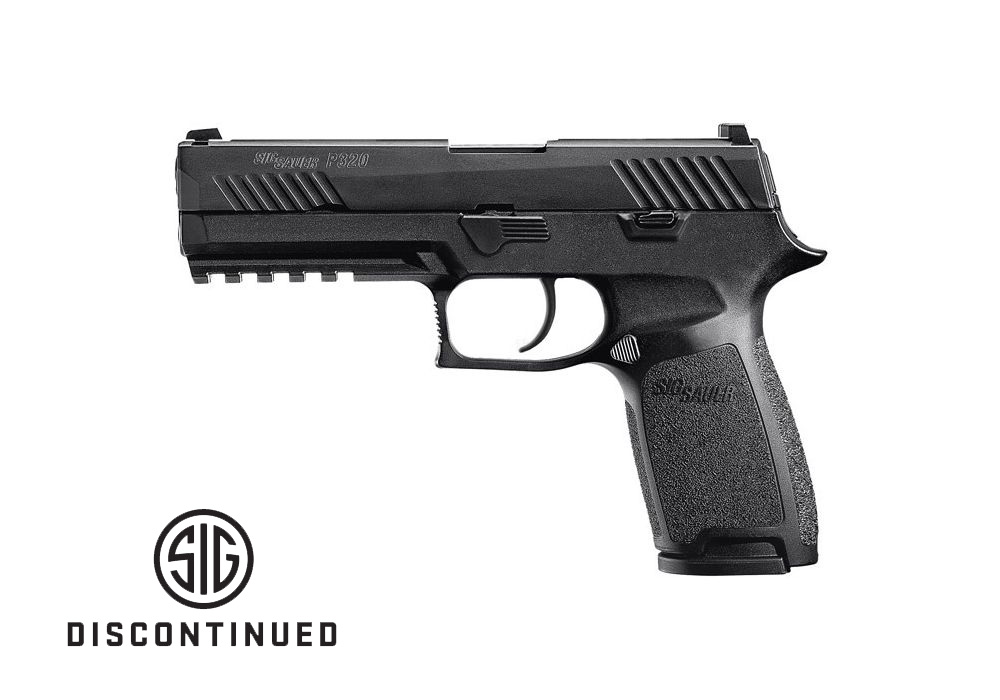
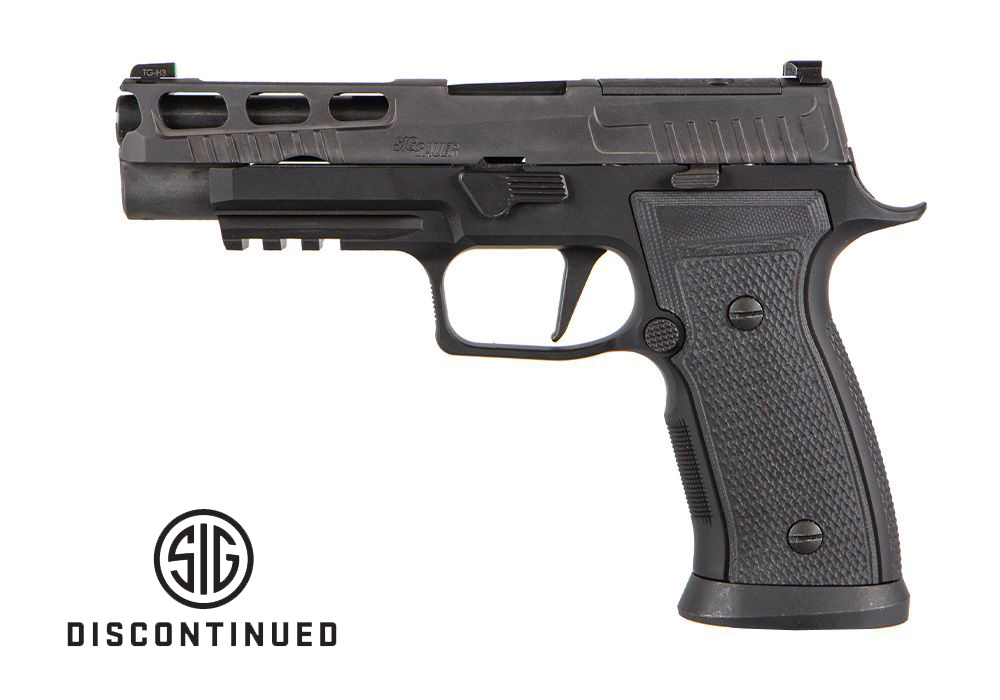
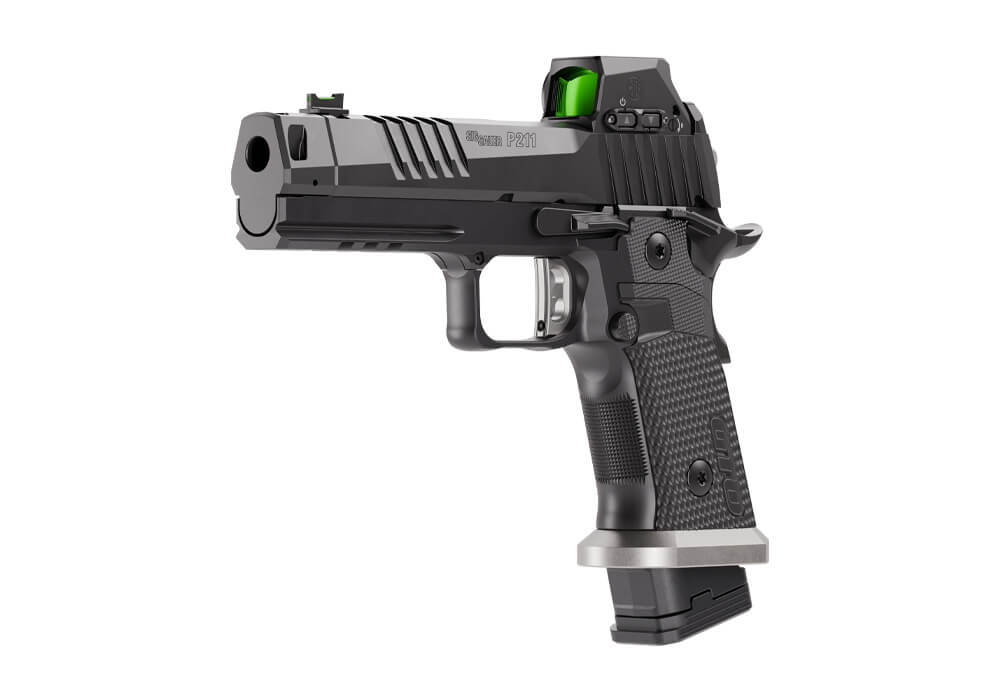
4.7 Inch Tactical Pistols offer a practical balance of sight radius, controllability, handling, and accessory compatibility for shooters who want a full-size handgun in a versatile configuration. A barrel measuring approximately 4.7 inches provides more distance between the front and rear sights than a compact pistol, which can make precise aiming more intuitive while maintaining a profile that remains manageable on the range, in a secure home-defense setup, or as part of a professional duty system. These pistols are commonly selected by experienced owners, armed professionals, competitors, and recreational shooters who value a stable platform with room for modern enhancements. Their full-size grip and balanced weight can help reduce felt movement during firing, while a longer barrel may support a smoother shooting experience across repeated practice sessions. When comparing options, begin with the fundamentals: caliber, grip dimensions, controls, trigger characteristics, magazine compatibility, and the availability of replacement parts and training ammunition. Common caliber choices include 9mm, 10mm, and .45 ACP, each with different recoil characteristics, ammunition costs, and intended-use considerations. A 9mm configuration may appeal to those who prioritize broad ammunition availability and comfortable practice, while 10mm and .45 ACP options may attract shooters who prefer a larger projectile or a particular performance profile. Capacity should also be evaluated in accordance with local law, with standard and extended capacity magazines available for some platforms. For shoppers exploring a different caliber while keeping tactical features in mind, 45 Caliber Tactical Pistols provide another category to consider.
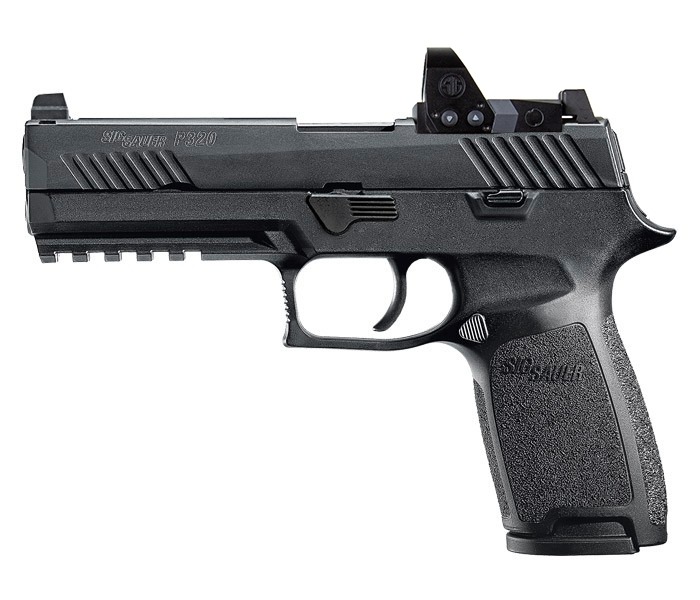
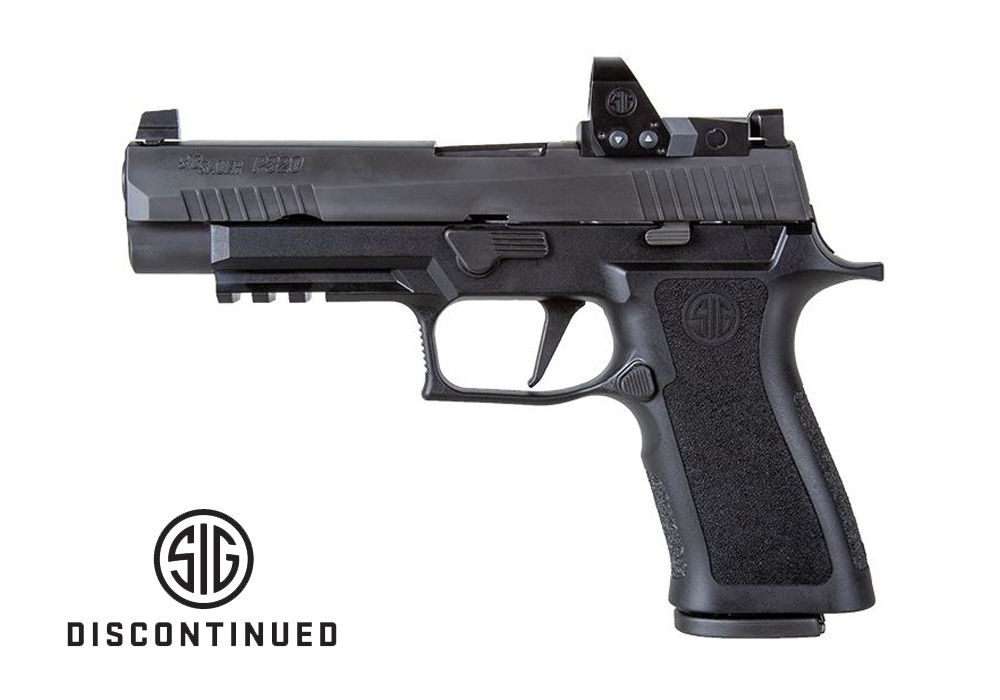
Feature selection should reflect the way the pistol will be carried, stored, practiced with, and maintained rather than simply adding every available accessory. An optics-ready slide includes a factory-milled mounting interface for a compatible red dot sight, allowing the shooter to establish a clear aiming reference after proper installation, zeroing, and practice. Red dots can be useful for target-focused shooting, particularly when the owner takes time to learn presentation and confirms that the optic remains secure through regular inspection. Threaded barrels may accommodate compatible suppressors or compensators, but thread patterns, overall length, clearance, and local regulations must be confirmed before purchase or installation. Suppressor ownership and use may involve additional legal requirements, registration, transport rules, and waiting periods depending on the jurisdiction, so buyers should verify all applicable laws with the relevant authorities. An accessory rail beneath the dust cover can support a properly fitted weapon light or laser, though every added device changes balance, holster fit, storage needs, and handling. Ambidextrous slide releases, reversible controls, or an ambidextrous manual safety may be valuable for left-handed shooters and for anyone who trains to manipulate the pistol from either side. Grip texture and circumference deserve close attention as well: a secure, comfortable grip helps maintain consistent control, while interchangeable backstraps or grip modules can make it easier to fit the pistol to different hand sizes. During the cooler months, when range time may be paired with gloves or heavier clothing, it is especially useful to confirm that the chosen controls remain accessible and that any intended holster accommodates the complete pistol and accessory configuration.
A 4.7-inch tactical pistol can serve many roles, but responsible ownership starts with a clear purpose and a realistic training plan. For home defense, owners should focus on secure storage, a reliable access plan for authorized adults, safe direction, positive target identification, and a flashlight solution that does not substitute for sound judgment. For duty or professional use, the pistol should be evaluated alongside the agency’s policies, approved ammunition, holster requirements, retention standards, and qualification expectations. Range shooters may appreciate the steady feel of a full-size frame, the longer sighting plane, and the ability to train with an optic or other equipment in a controlled setting. Competitive users may look for a crisp, repeatable trigger, fast sight acquisition, and controls that can be operated without shifting the firing grip. These pistols can also be meaningful gifts for a legally eligible adult who has expressed a genuine interest in responsible firearm ownership, but a firearm should never be presented as a surprise purchase without confirming the recipient’s preferences, legal eligibility, safe-storage arrangements, and comfort level. A better approach is often to make the selection together and include essentials such as secure storage, eye and ear protection, appropriate ammunition, professional instruction, and a properly fitted holster when applicable. Before bringing any pistol home, inspect its fit and finish, read the owner’s manual, understand the loading and unloading procedures, and arrange instruction from a qualified professional if any part of its operation is unfamiliar. Regular practice should include safe handling, drawing or presentation only where permitted, sight alignment, trigger control, malfunction awareness, and storage procedures; cleaning and lubrication should follow the manufacturer’s instructions rather than assumptions based on another firearm. Whether used on a bright outdoor range or during a quiet indoor practice session, the most capable setup is one that the owner can operate safely, maintain consistently, and use within the law.