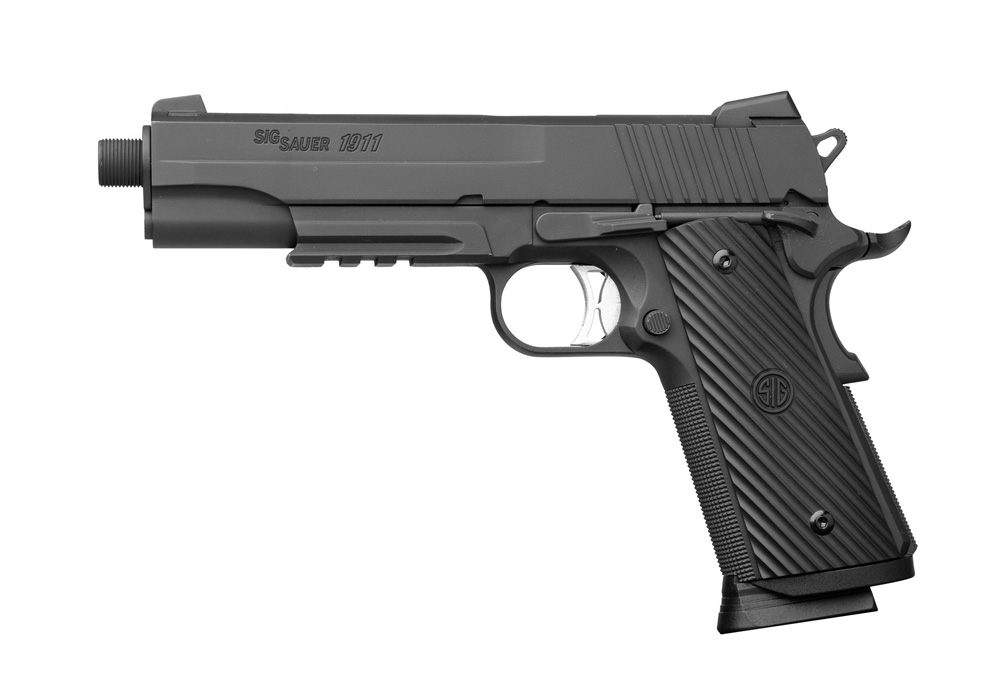
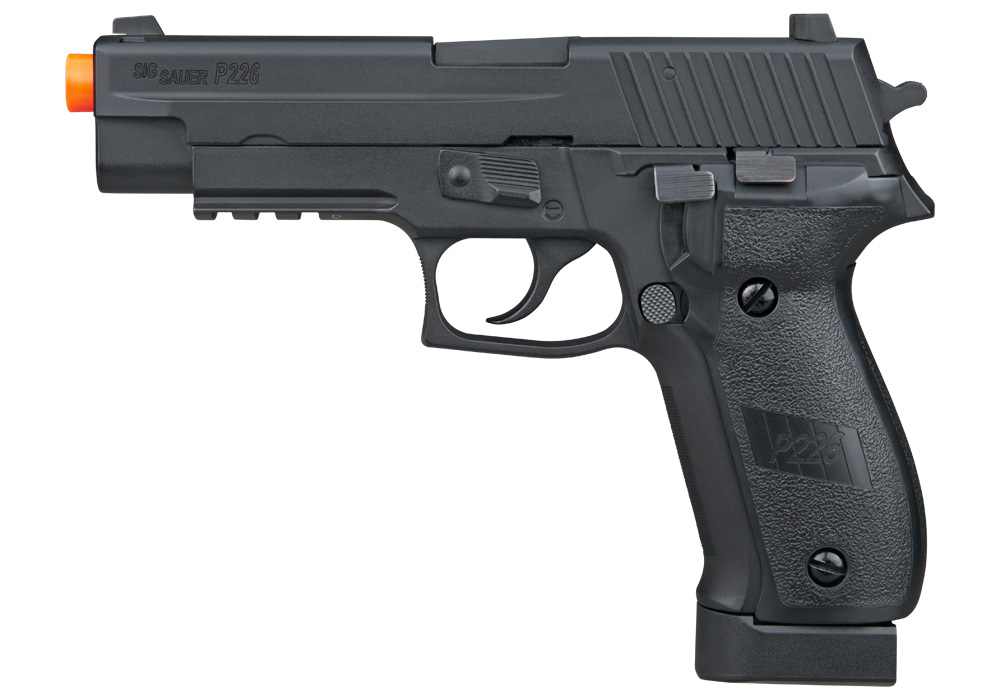
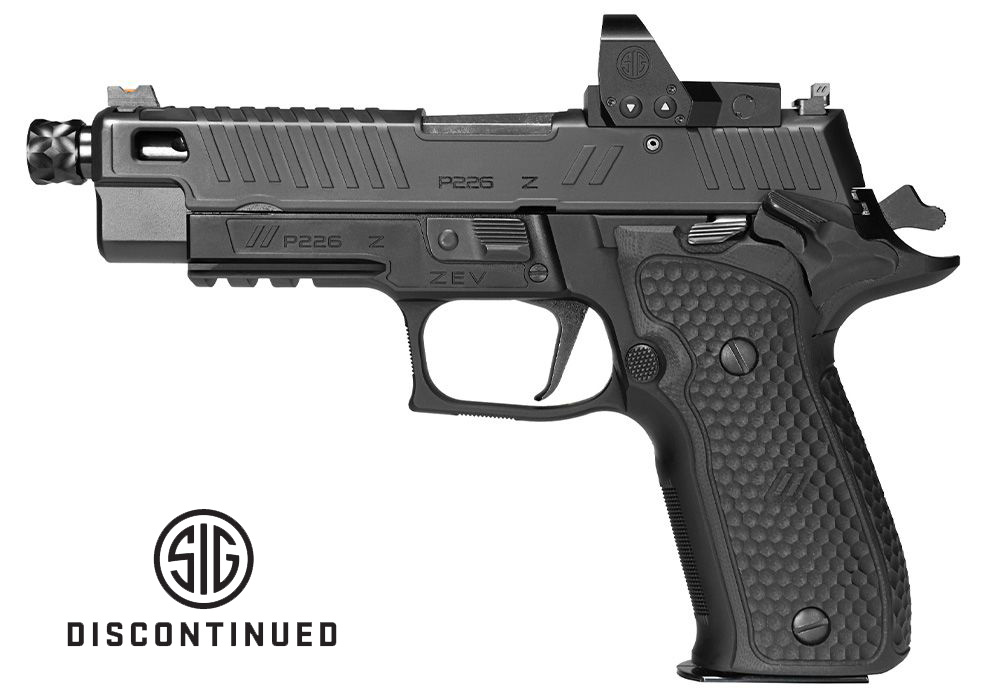
A 4.5 mm pistol, also identified as a .177 caliber air pistol, is a compact air-powered platform designed for target practice, skill development, and recreational shooting. The 4.5 mm measurement corresponds to the projectile diameter, with common ammunition including steel BBs and lead pellets, often called diabolo pellets because of their waisted profile. These pistols use compressed gas or air rather than conventional cartridge ammunition, and their operating systems generally include CO₂, pre-charged pneumatic air, or variable-pump designs. CO₂ models typically use standard 12-gram cartridges that are easy to install and convenient for informal range sessions, while PCP platforms rely on a filled air reservoir and can provide a consistent feel across a longer practice period. Variable-pump pistols offer a self-contained approach, though the effort required between shots may vary according to the selected power level. When choosing among 4.5 mm pistols, begin with the type of shooting you expect to do most often. Steel BB pistols are commonly selected for short-range plinking and general practice, while pellet pistols may suit shooters who value a more traditional target format and the potential for greater precision. BBs and pellets are not interchangeable in every model, so always follow the specifications for the pistol and use only the ammunition listed for it. A smoothbore design often pairs with BB use, while a rifled barrel may be intended for pellets, but the owner’s manual remains the best source for proper ammunition guidance. Pay attention to grip shape, controls, sights, trigger feel, operating method, and overall balance. A pistol that settles naturally in the hand and presents the sights clearly can make practice more comfortable, especially during longer sessions at an indoor or backyard range.
These compact air pistols can serve a wide range of responsible users. New shooters may appreciate the lower logistical demands of an air-powered platform when learning the fundamentals of a stable grip, sight alignment, trigger control, breathing, and follow-through. Experienced shooters can use one for economical practice when access to a full-size range is limited, or to rehearse a consistent presentation and aiming routine in an appropriate training environment. Replica-style designs may also appeal to collectors and enthusiasts who value familiar proportions and handling characteristics, although an air pistol should never be treated as a substitute for instruction with a cartridge firearm or as a tool for defensive use. For backyard practice, select a safe area with a suitable backstop that can reliably contain projectiles, and confirm that local rules, property restrictions, and neighborhood requirements permit airgun use. Eye protection is essential for every person in the shooting area, including observers, since BBs and pellets can ricochet from hard surfaces. Keep the muzzle pointed in a safe direction, keep fingers outside the trigger guard until ready to fire, and treat every pistol as loaded until you have personally verified its condition. Secure the area before beginning, keep pets and bystanders away from the firing line, and stop immediately if the backstop becomes damaged or the surroundings change. During cooler months, CO₂ performance can vary with temperature and firing pace, so allow cartridges and equipment to reach the conditions recommended by the manufacturer and avoid rapid shooting that can chill the system. PCP users should monitor pressure with the proper gauge and use compatible filling equipment, while pump models should be operated according to the stated pumping limits. A small notebook can help track pellet or BB selection, sight adjustments, temperature, and group size, turning casual practice into a clear record of progress.
A 4.5 mm pistol can also be a thoughtful gift for an adult who enjoys marksmanship, mechanical design, or hands-on outdoor recreation, provided the recipient has a secure place to store it and an appropriate area for practice. It is best presented with the essentials for responsible ownership: protective eyewear, suitable ammunition, a secure case, targets, and a dependable backstop. Targets should be positioned at a range that matches the pistol’s sights and energy, with a clear area behind them and no hard objects nearby that could redirect a projectile. Paper targets, reactive targets intended specifically for airguns, and simple bullseyes can help keep sessions engaging while encouraging deliberate shot placement. Avoid assuming that a compact size means the pistol is harmless; 4.5 mm projectiles can cause serious injury, and BBs are not intended for airsoft games because airsoft equipment uses different projectiles and performance standards. Storage deserves the same care as selection. Keep the pistol unloaded when not in use, separate ammunition from the pistol where appropriate, secure CO₂ cartridges and air equipment, and use a locked container that prevents access by children or unauthorized users. Before purchasing, compare the operating system, expected shot count, loading method, sight arrangement, grip dimensions, maintenance needs, replacement seal availability, and compatibility with the ammunition you intend to use. A first-time buyer may favor a straightforward CO₂ platform with familiar controls, while a dedicated target shooter may prioritize a pellet design, adjustable sights, and a stable trigger. Those evaluating a different kind of compact handgun can also review 9mm Pistols With 4.5 In Barrels as a separate category, since cartridge pistols and 4.5 mm air pistols involve different ammunition, handling practices, training needs, and legal requirements. Choosing thoughtfully helps ensure that the pistol fits its intended setting, supports consistent practice, and remains an enjoyable part of a careful, safety-first shooting routine.