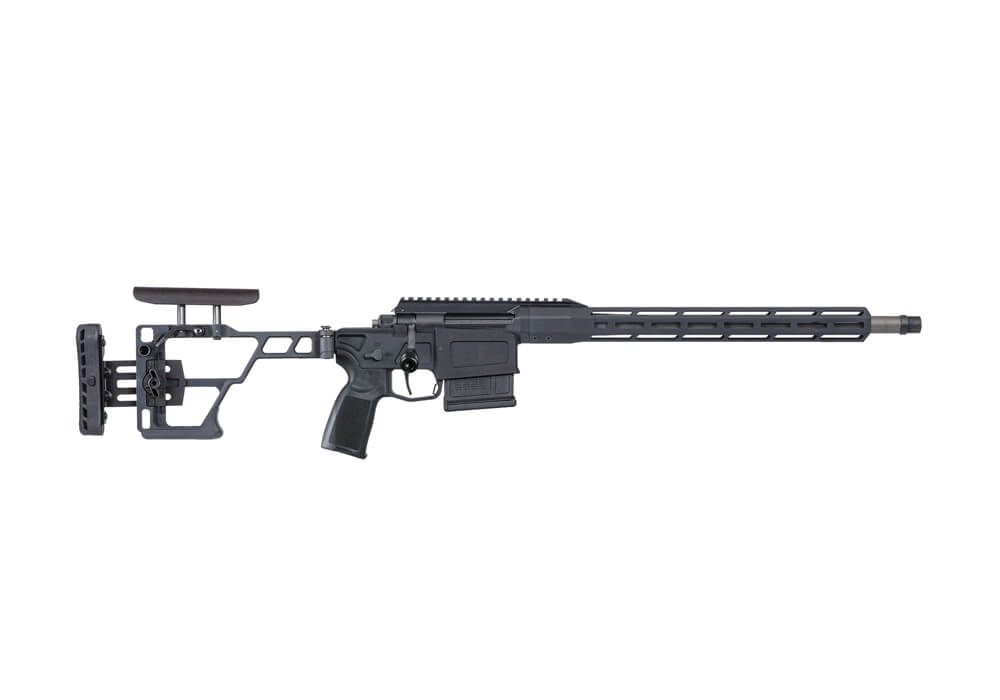
6.5 Creedmoor shooting accessories bring organization, protection, and practical support to time spent at the range or in the field. The cartridge is associated with precision target shooting and hunting, but the accessories that suit a rifle depend on more than its chambering. Rifle dimensions, attachment interfaces, carrying preferences, and the intended activity all influence fit and usefulness. Across this category, common accessory types include shooting rests, support bags, bipods, rifle cases, slings, optic protection, cleaning equipment, and storage solutions for ammunition and range essentials. Each serves a different purpose, from cushioning a rifle during transport to keeping small tools from disappearing at the bottom of a range bag. For a recreational target shooter, a well-organized case and an easy-to-carry support bag may be practical priorities. A competitor may place greater emphasis on durable construction, repeatable adjustments, and equipment that stays organized between stages. A hunter may value comfortable carrying gear and protective accessories that add little bulk. Materials help distinguish these uses: tightly woven nylon and polyester are common in soft cases and bags, while rigid polymer shells offer structure for protective transport cases. Reinforced handles, sturdy zipper hardware, and neatly finished seams matter when a bag regularly carries a substantial load. Interior padding should cushion the rifle without placing unnecessary pressure on an optic or other attached equipment. Case fit also deserves attention beyond the stated rifle length, since the height of an optic, the shape of a stock, and any attached accessories can affect whether a zipper closes comfortably. A padded divider or dedicated pocket can keep cleaning supplies and loose hardware separate from finished surfaces. These details are especially noticeable during an ordinary range visit: a case that opens neatly on a bench, a shoulder strap that stays comfortable between the parking area and the firing line, and compartments that keep protective eyewear within reach all contribute to a more orderly experience. Useful accessories earn their place by fitting the equipment and the routine, not simply by sharing a caliber designation.
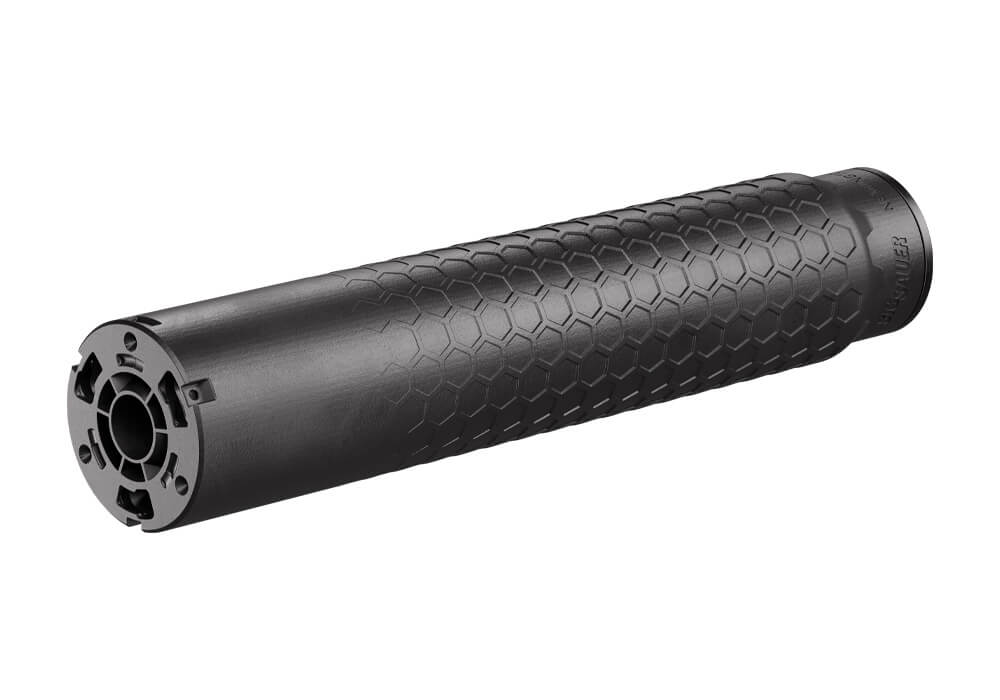
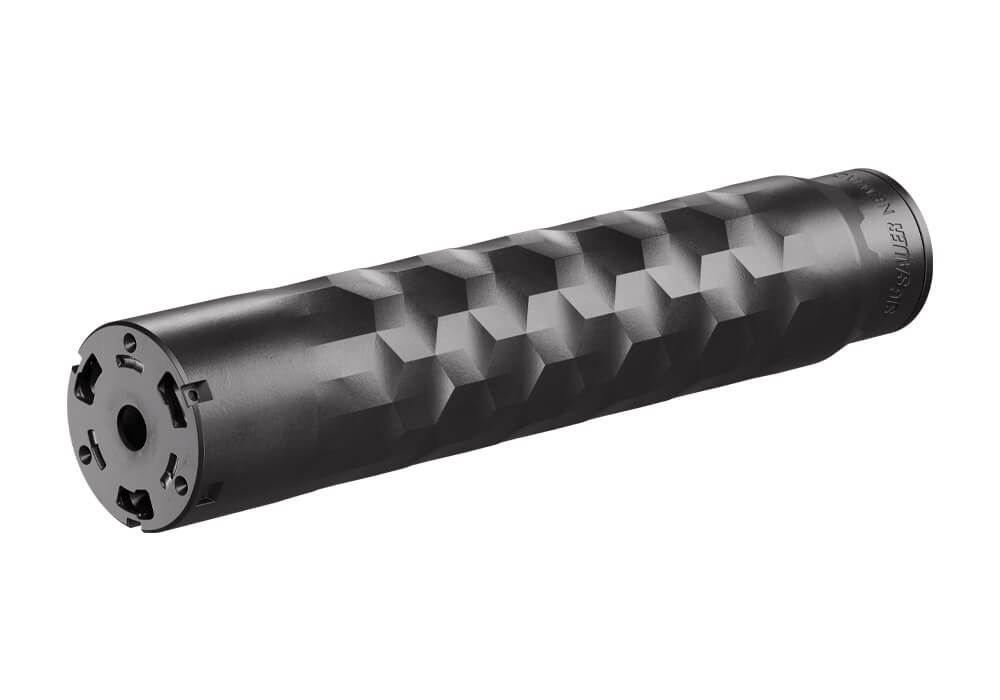
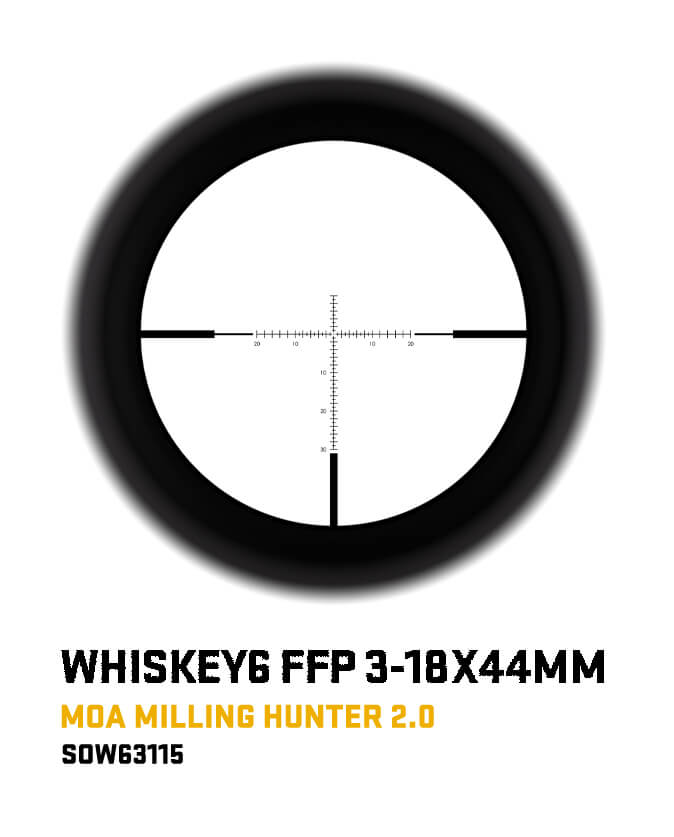
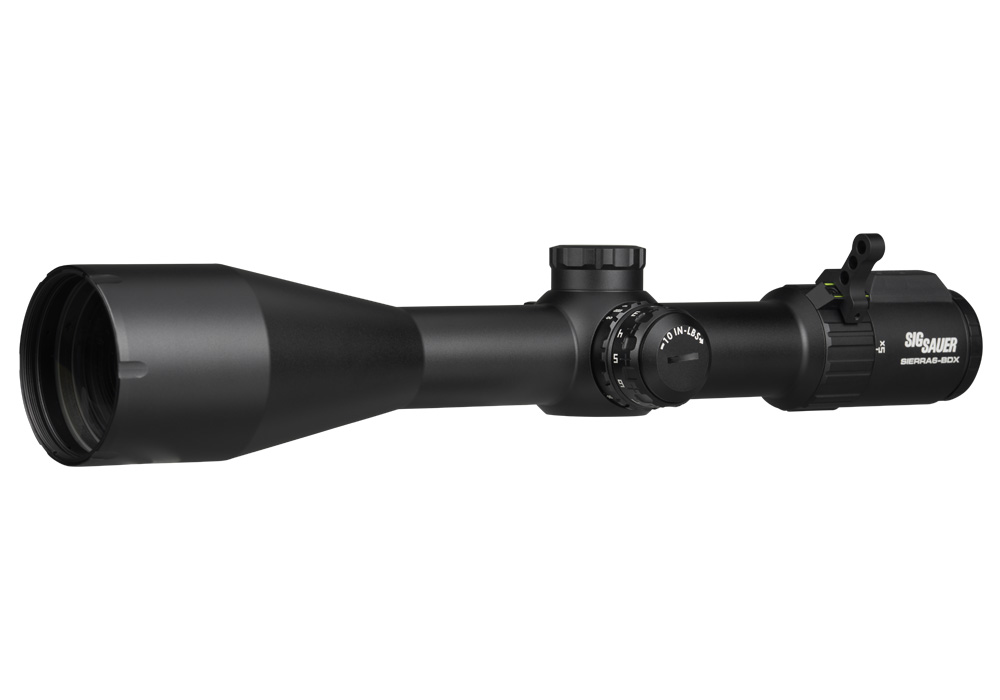
Support and carrying accessories vary considerably in size, construction, and compatibility. Bipods and rests provide physical support, but not every design fits every rifle or shooting position. Attachment type, overall dimensions, adjustment range, and manufacturer-stated compatibility are more informative than a broad reference to 6.5 Creedmoor. Some accessories are intended for a particular rail or mounting interface; others support the rifle without attaching to it. Aluminum components can balance rigidity with manageable weight, while steel hardware is often used where wear resistance matters. Polymer components can reduce bulk and provide comfortable contact surfaces. Regardless of material, clean machining, secure hardware, and accessible controls are useful signs of thoughtful construction. Support bags offer another approach, with soft-sided shapes that conform to a bench or other suitable surface. Their fabric texture, stitching, fill material, and carrying loops affect how they feel in use and how easily they travel. A compact bag can be convenient in a crowded range kit, while a larger rest may be more appropriate for a dedicated bench setup. Slings similarly deserve attention to strap width, adjustment hardware, and the rifle’s attachment points. A comfortable strap is only one part of the equation; the connection must also be compatible with the equipment. Optic-related accessories introduce their own fit considerations, including lens-cover dimensions and clearance inside a case. Protective covers should suit the optic’s shape without obstructing controls or pressing against delicate components during storage. For electronic measurement equipment such as chronographs, practical considerations include readable displays, straightforward data storage, battery requirements, and protective transport. Accessories that attach at the muzzle require particularly careful attention to manufacturer specifications, firearm compatibility, and applicable legal requirements; a caliber label alone does not establish suitability. Across these categories, the most useful product information identifies the relevant dimensions and interfaces clearly. That specificity helps distinguish an accessory that genuinely fits a rifle from one that merely appears compatible in a photograph, and it helps prevent unnecessary duplication in an already crowded equipment bag.
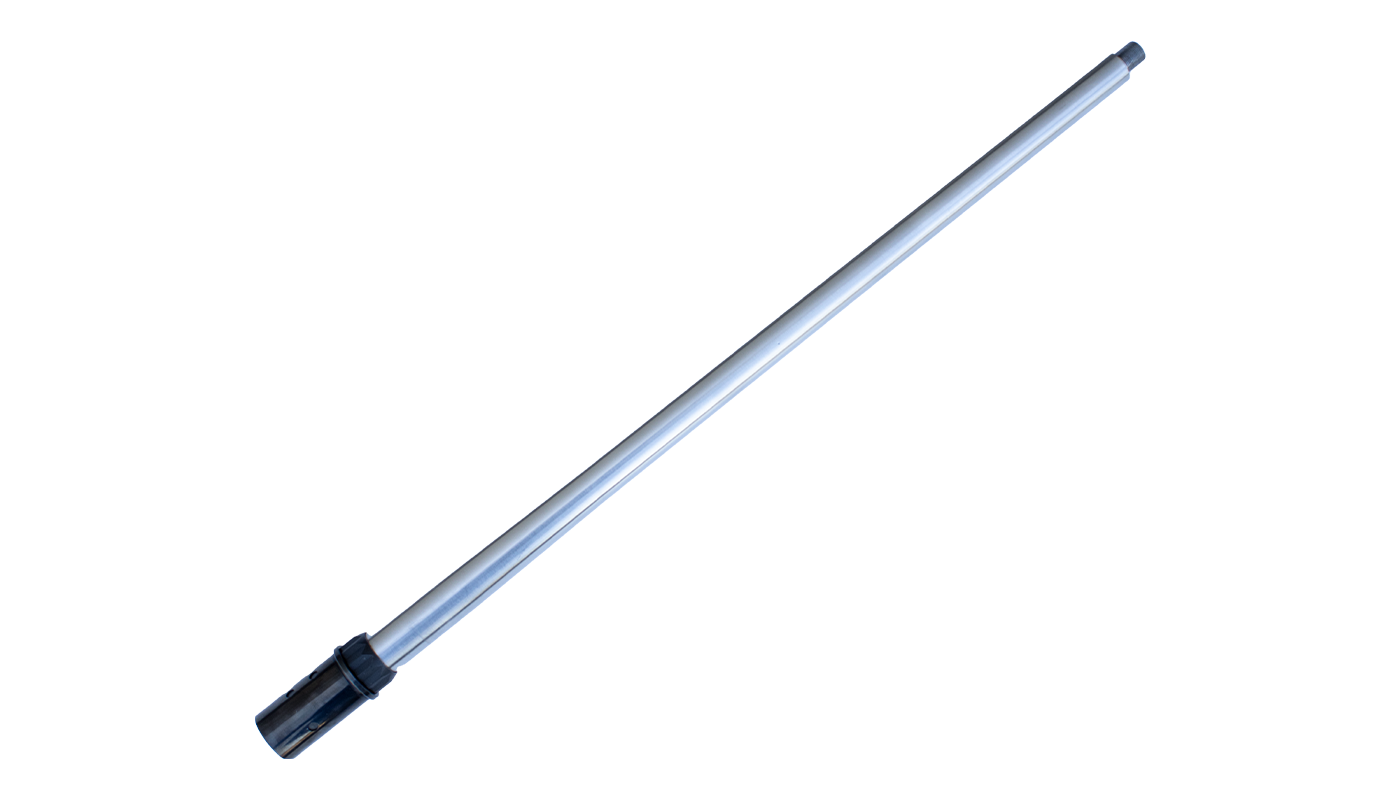
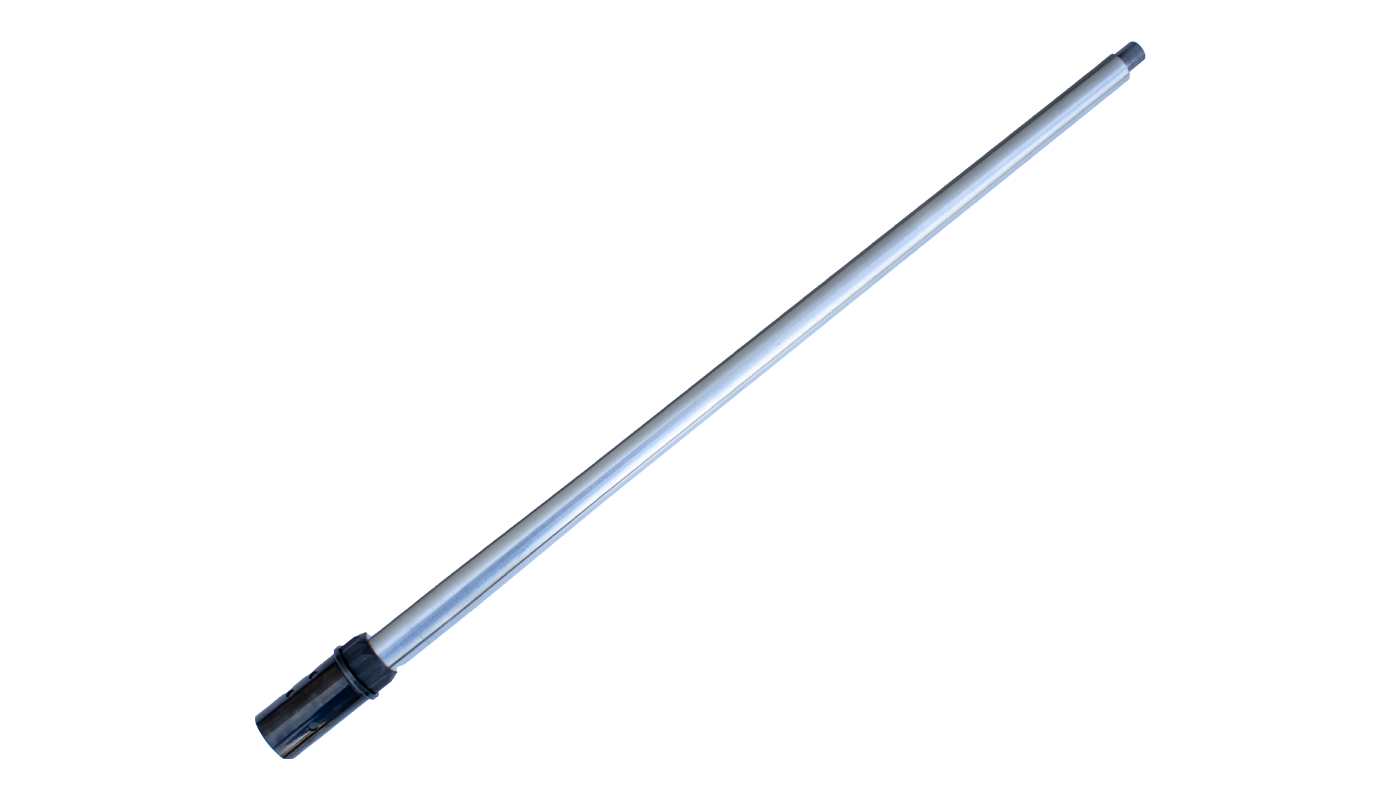
Care and storage equipment round out a 6.5 Creedmoor accessory collection by supporting routine upkeep and keeping essential supplies organized. Cleaning tools should be appropriate for the bore size and compatible with the firearm manufacturer’s maintenance recommendations. Rods, guides, brushes, jags, and patches have distinct roles, and correct sizing matters more than the number of pieces in a kit. Coated rods and nonmarring contact surfaces can help protect finishes when used as directed, while clearly labeled compartments make it easier to distinguish tools intended for different firearms. Solvents and lubricants should be suitable for the materials they contact, including metal finishes, polymers, rubber, and lens coatings. An optic lens, for example, calls for lens-safe care rather than the same supplies used on other rifle surfaces. Cleaning accessories also need attention themselves: dirty cloths, worn brushes, and grit inside a case can undermine otherwise careful upkeep. A washable work surface and separate storage for used cleaning materials help keep residue away from other equipment. Ammunition containers serve a different organizational purpose, protecting packaging and keeping cartridge identification clear. Shoppers considering 6.5 Creedmoor Rounds alongside accessories should treat ammunition selection and accessory fit as separate checks, since a shared cartridge name does not confirm compatibility with every rifle component. Eye and hearing protection remain essential range equipment, with comfort and proper fit important for consistent use. Storage and transport choices should also account for secure access and applicable rules; a padded travel case is not automatically a substitute for secure firearm storage. For a gift recipient, broadly useful accessories such as an appropriately sized range bag, protective case, or maintenance organizer can be more straightforward choices than parts requiring exact interface measurements. Even then, knowing the recipient’s equipment dimensions and preferred activities makes the selection more personal. A thoughtful accessory collection leaves room for the essentials, protects equipment between outings, and supports a consistent routine without adding unnecessary complexity.