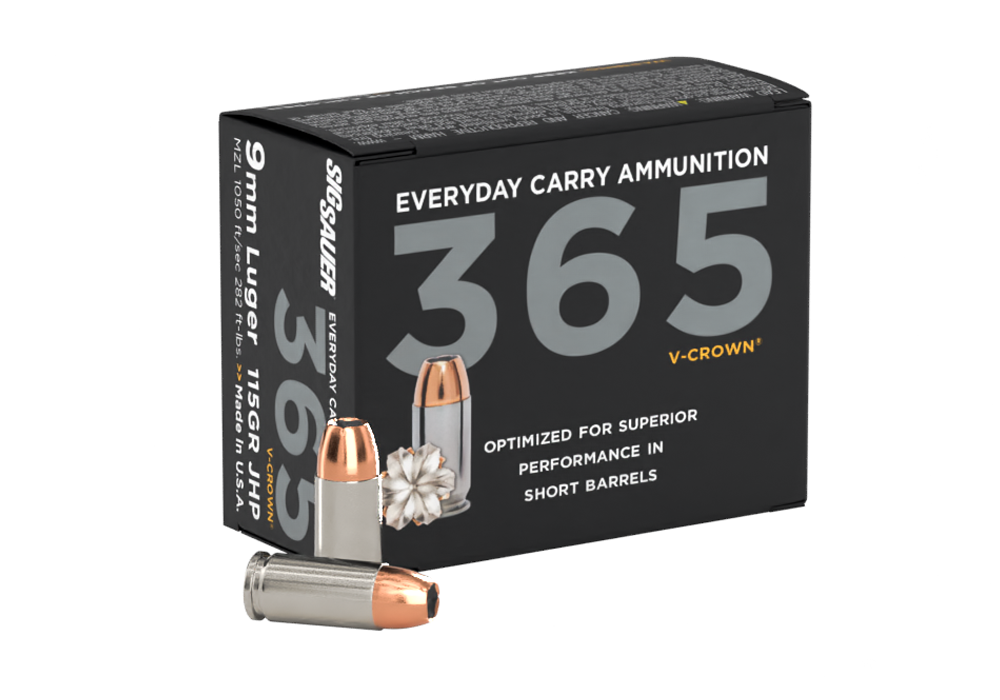
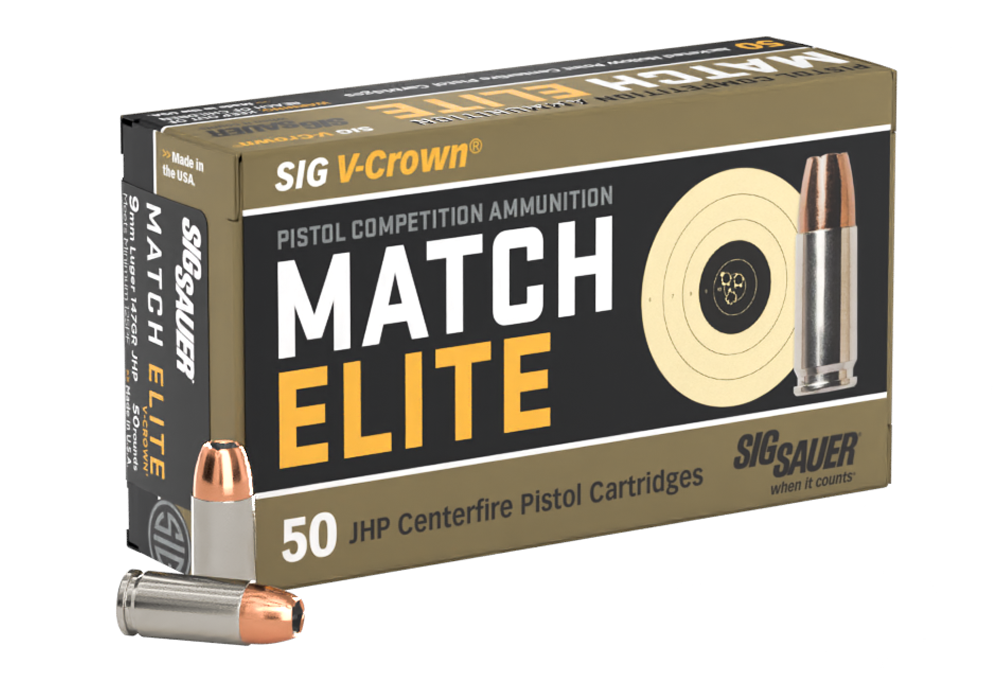
Fall matches bring a distinct rhythm to the range. Cooler air, lower sun, changing light, and the sound of steel carrying across an outdoor bay all make ammunition selection worth considering before match day. This collection of 9mm ammunition is intended for competitors who want dependable function, repeatable performance, and a load that complements the way they shoot. Whether the event is a fast steel match, an action pistol competition, a practical shooting stage, or a more deliberate accuracy-focused course, consistent ammunition can help reduce variables between strings. Reliable ignition, uniform bullet seating, clean cycling, and predictable recoil all contribute to smoother transitions and faster follow-up shots. A shooter who has spent time practicing knows how much confidence comes from hearing the same crisp report and feeling the same recoil impulse every time the trigger is pressed. During the cooler months, that consistency becomes even more valuable as gloves, layered clothing, shifting temperatures, and changing range conditions can affect comfort and concentration. Before purchasing, confirm that the ammunition is chambered for 9mm Luger and approved for use in the specific handgun, magazine, and match format. Always follow the firearm manufacturer’s instructions, inspect cartridges before loading, and observe all range rules and local regulations.
Bullet weight is one of the most useful ways to compare 9mm match ammunition. A 115-grain load generally offers mild recoil and a quick, lively feel, which many competitors appreciate for rapid target transitions and repeated practice sessions. Depending on the pistol and sights, it may print somewhat differently than heavier ammunition, so confirming point of impact before a match is important. Loads in the 124- to 135-grain range often provide a balanced recoil impulse and steady point-of-aim consistency, making them a practical choice for shooters who move between practice, steel, and action-oriented competition. Heavier 147-grain ammunition is often selected by competitors who prefer a softer, slower-feeling cycle or a subsonic option, particularly when paired with equipment configured for that use. No single bullet weight is ideal for every pistol or discipline. Barrel length, recoil spring, sight height, grip technique, and the firearm’s operating characteristics can all influence results. Shooters preparing for a fall event may want to test several compatible loads from a supported position, then run them through the same drills used in competition. Pay attention to reliable feeding, ejection, lockback, group size, and where the shots land in relation to the sights. A chronograph can also help document velocity and consistency, while a simple notebook can preserve useful observations about temperature, ammunition, magazines, and adjustments. Those small records are especially helpful when returning to the range after a stretch of rainy weather or when preparing for an early-winter match with different conditions.
The right ammunition is only one part of a complete competition setup. A well-maintained handgun, dependable magazines, properly adjusted sights or optic, eye and ear protection, and a methodical practice plan all work together. Shooters selecting a companion firearm can explore Handguns for Fall Shooting Competitions to compare options suited to match use, then pair the handgun with ammunition that has been tested in that exact platform. For many competitors, purchasing ammunition before a match also creates an opportunity to establish a repeatable routine: check the lot information, inspect packaging, load magazines carefully, and bring enough compatible ammunition for the match, sight confirmation, warm-up, and an unexpected reshoot or delay. Ammunition can also be a thoughtful gift for an experienced shooter, match partner, or range friend, provided the recipient’s caliber, preferred bullet weight, firearm requirements, and local purchase rules are known in advance. A gift card or a conversation about their preferred load may be more practical than guessing, since competitors often develop strong preferences after testing ammunition in their own pistols. Store cartridges in a cool, dry place away from solvents and excessive moisture, transport them in accordance with applicable laws and range policies, and keep them separated from firearms during storage and handling. As the season moves from crisp outdoor mornings toward colder range days, dependable 9mm ammunition helps competitors spend less time managing uncertainty and more time concentrating on sight alignment, movement, timing, and the satisfying cadence of a well-run stage.