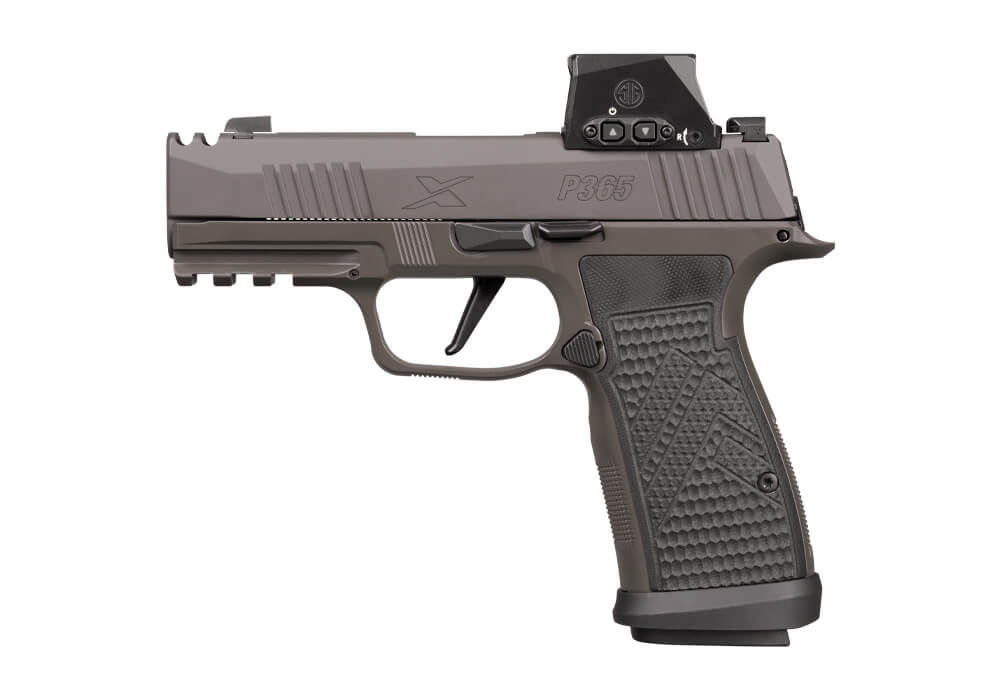
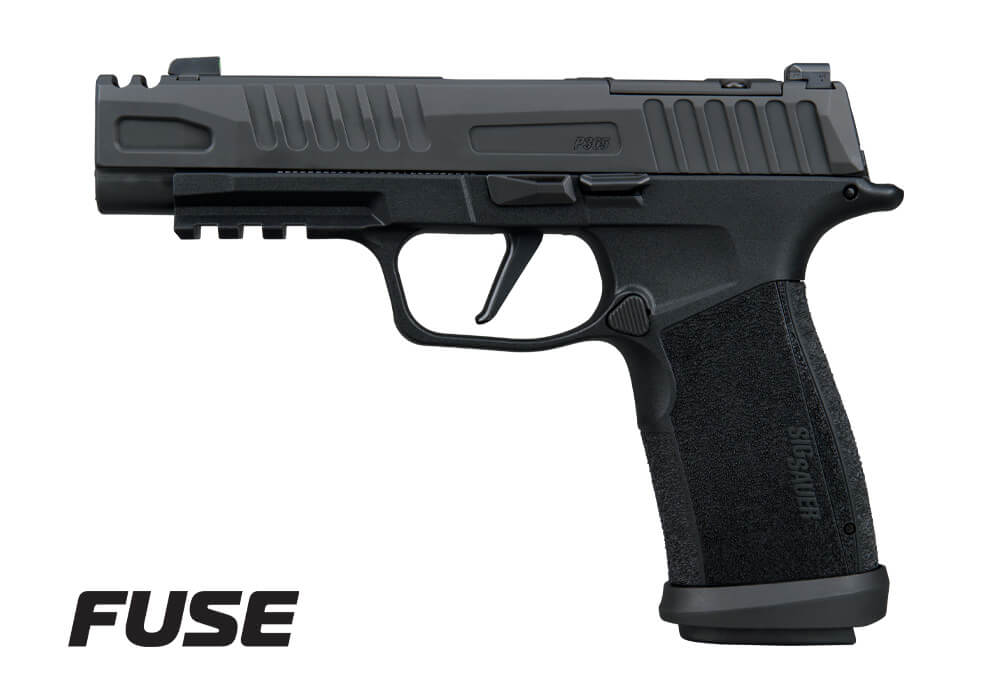
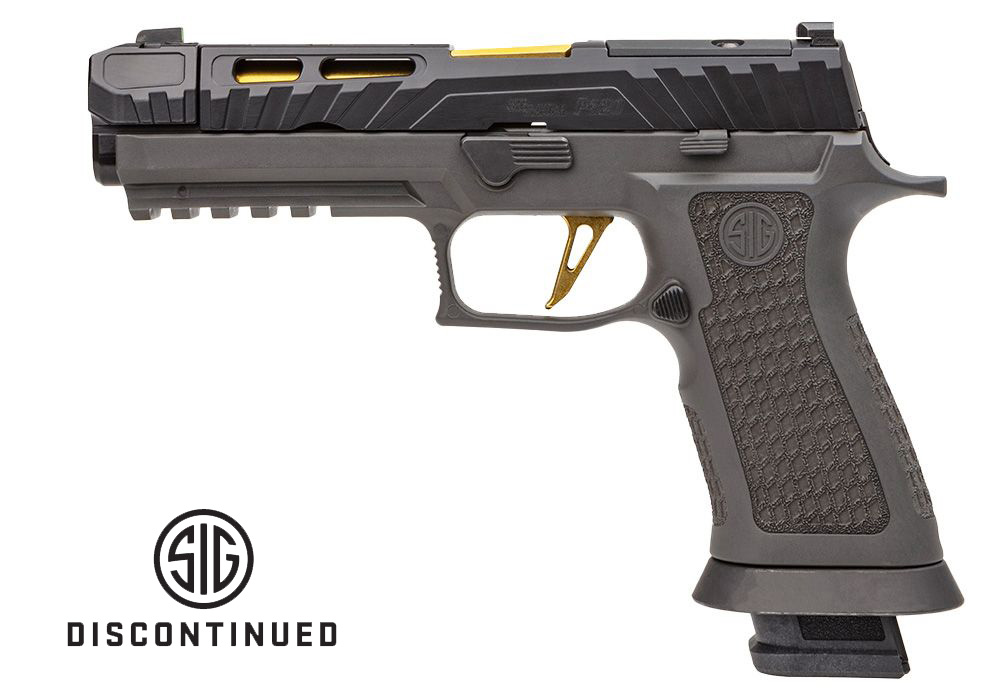
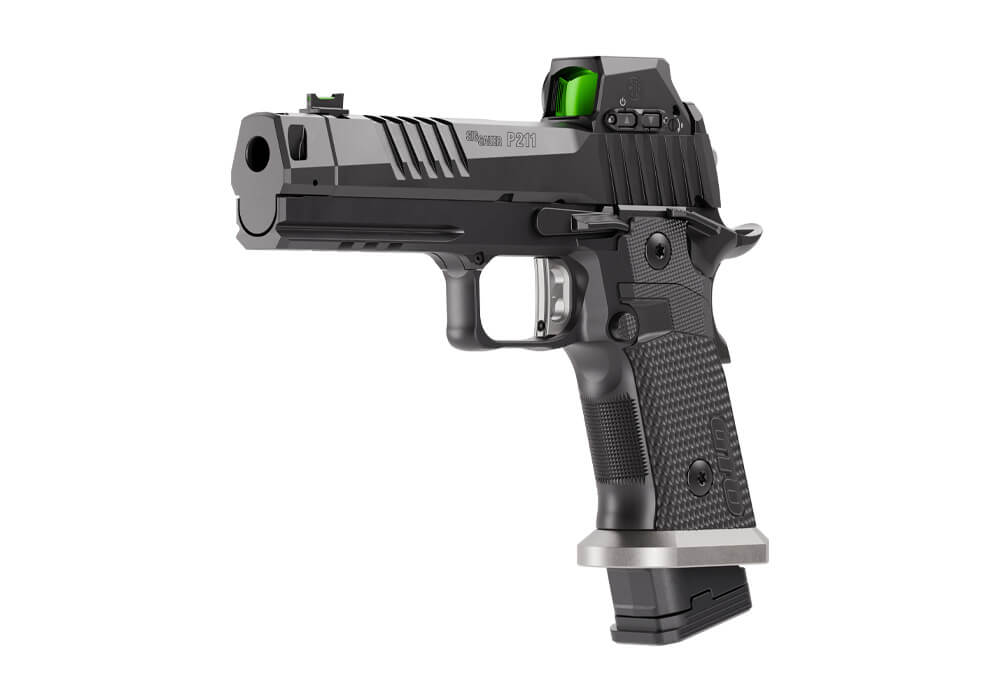
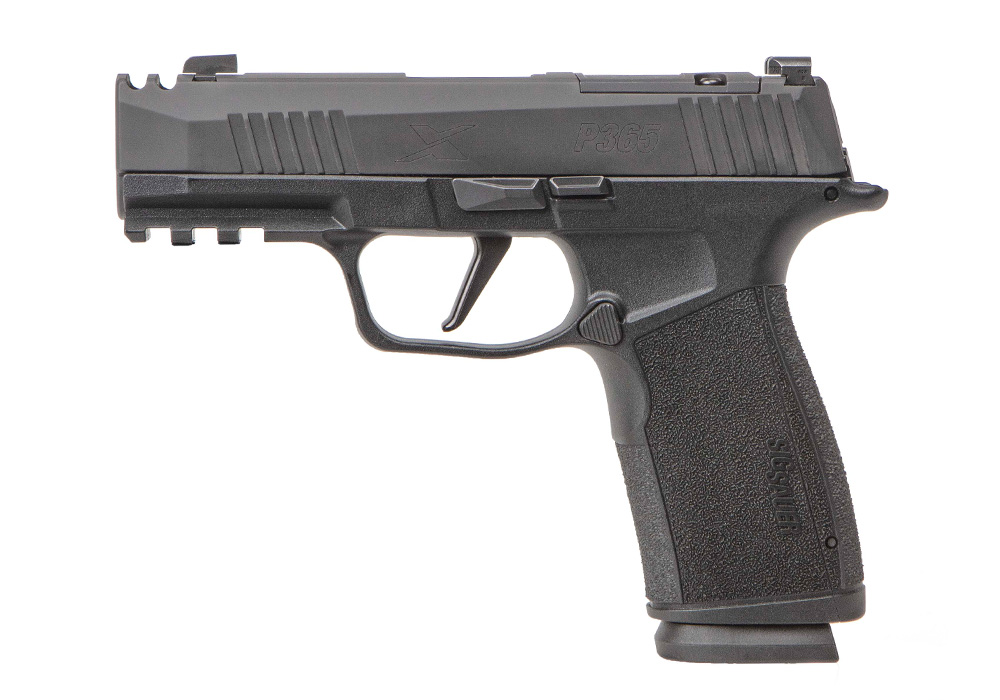
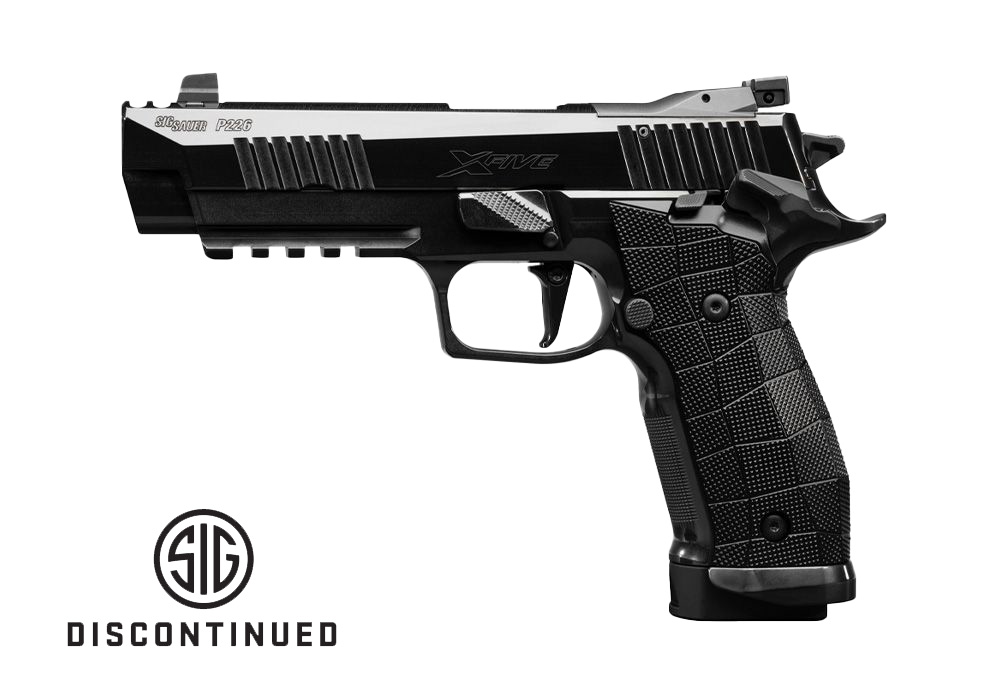
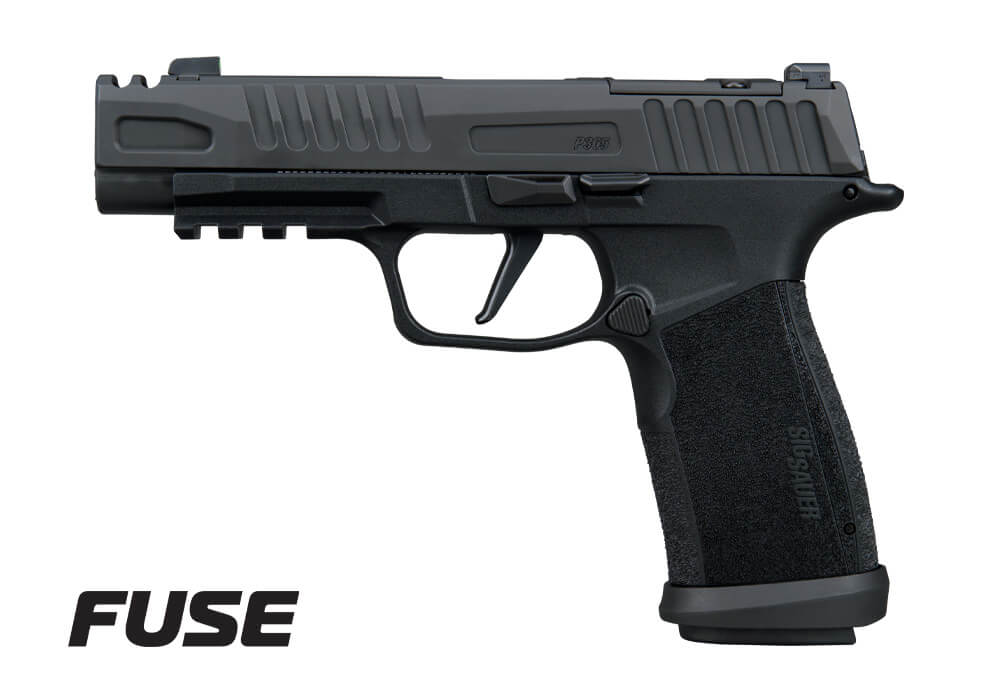
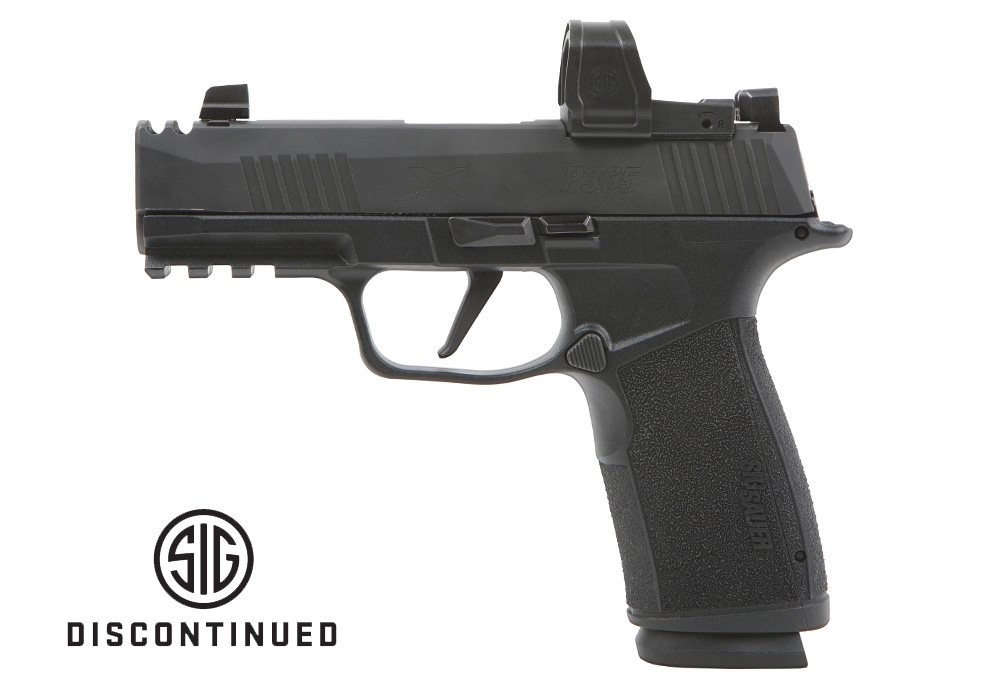
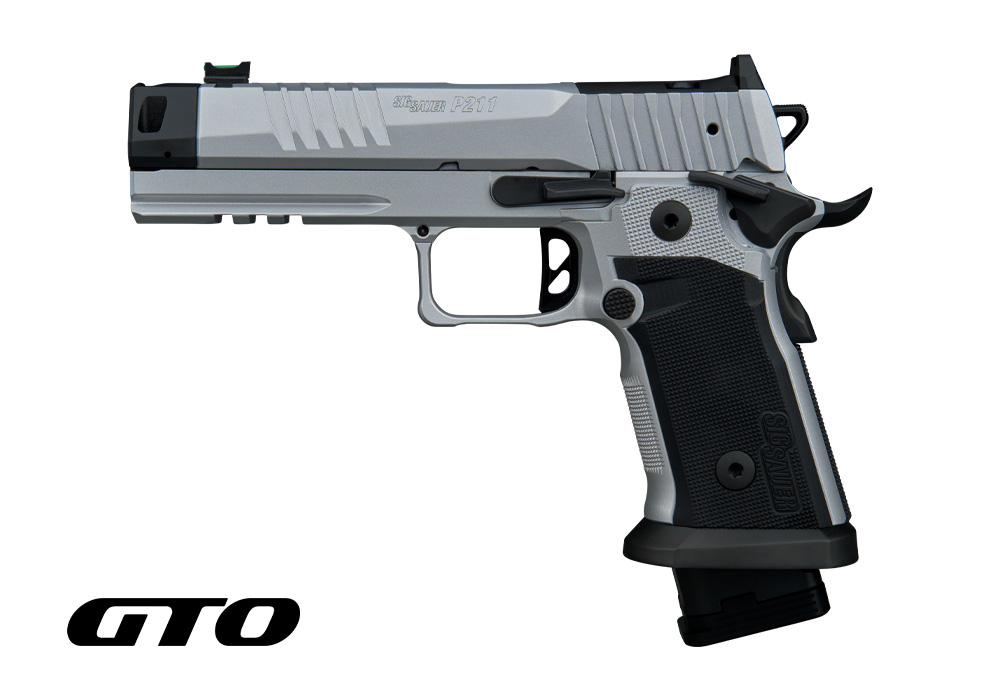
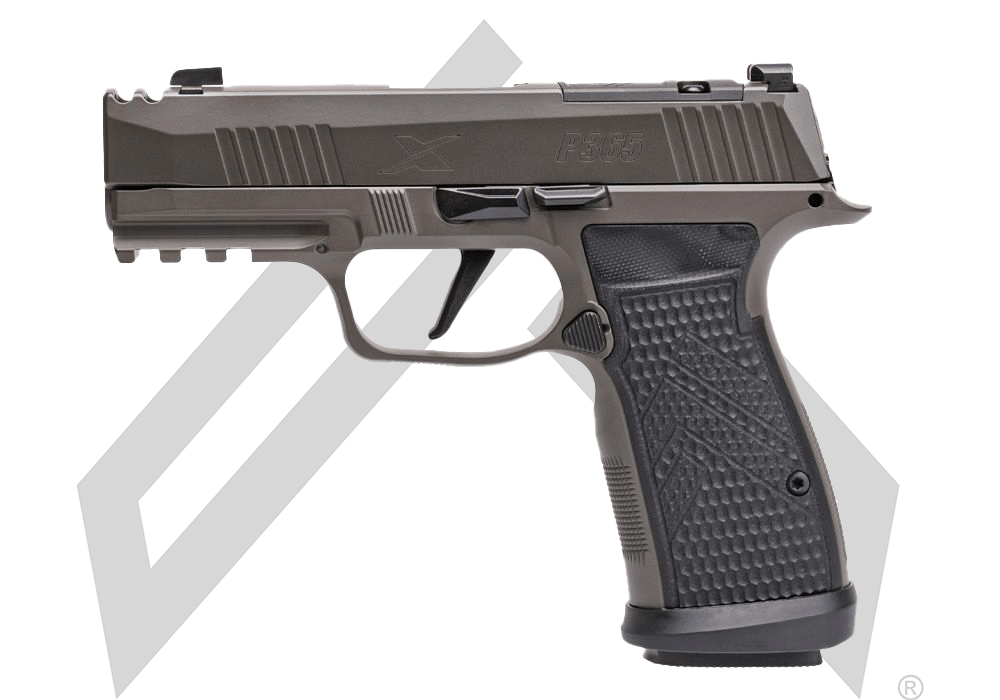
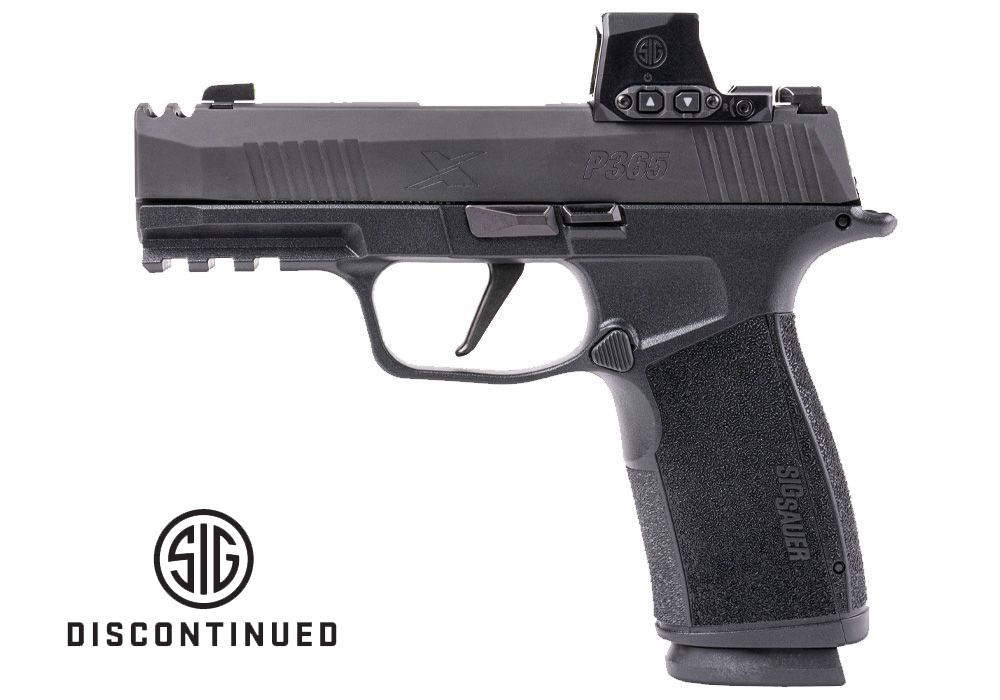
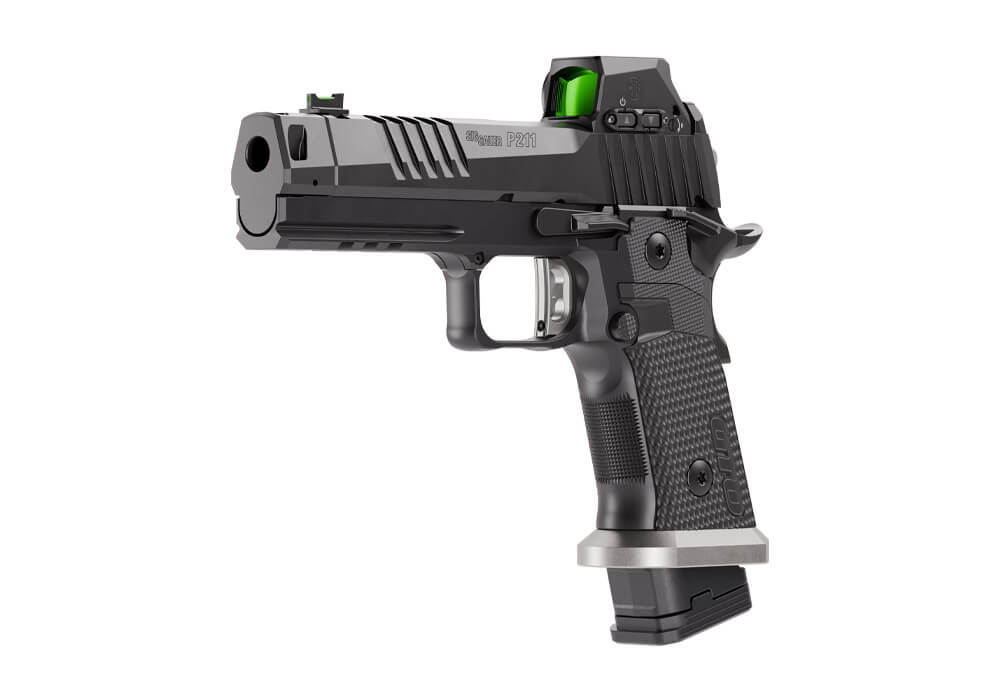
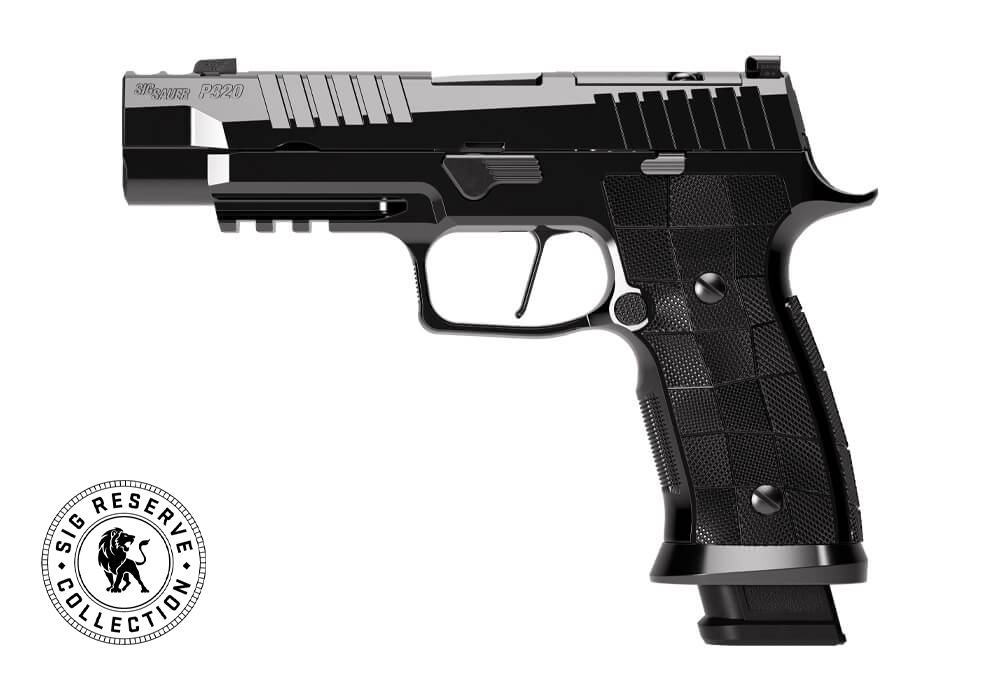
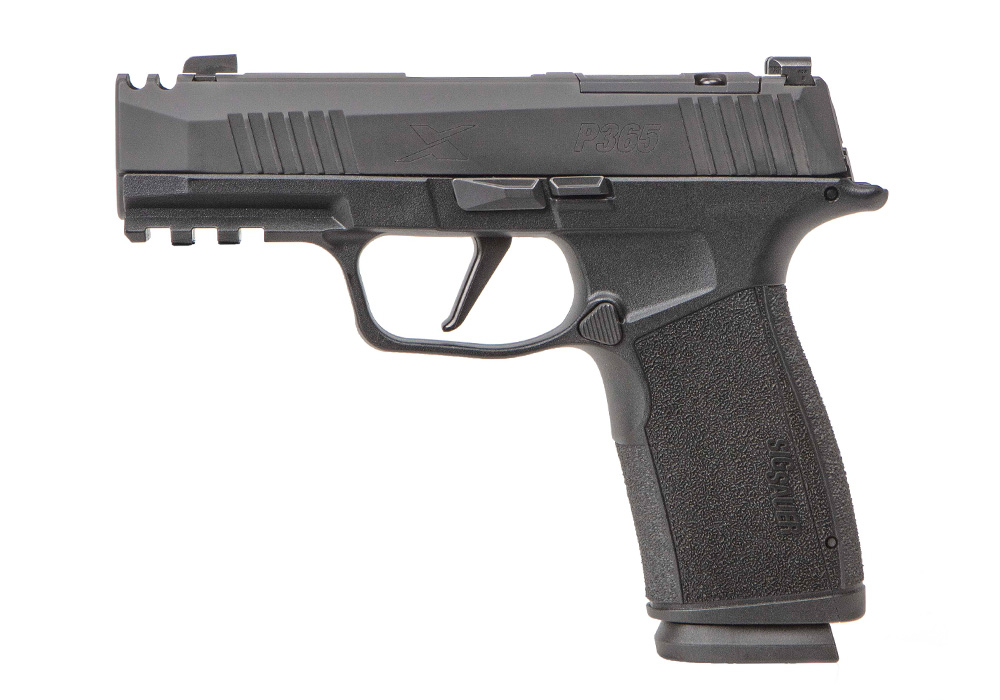
A 9mm compensator brake can be a practical addition to a handgun or pistol-caliber carbine selected for home defense, particularly for shooters who want to manage muzzle movement and keep their sights returning quickly after each shot. These devices attach at the muzzle and use carefully positioned ports, baffles, or expansion chambers to influence escaping gas. The result may be a flatter-feeling shooting experience, helping a shooter maintain a clear sight picture during controlled practice and rapid follow-up shots. Because 9mm ammunition produces less gas pressure than many larger cartridges, recoil reduction can be modest, and the design of the device matters greatly. A brake with large side ports may send noise, pressure, and bright flame toward nearby walls, furnishings, or the shooter’s support hand. For indoor use, many people instead look for a configuration that moderates muzzle movement without creating an unnecessarily harsh blast. Linear designs and blast-forward configurations can direct gas and sound toward the target area, while flash-conscious designs can help preserve vision in dim conditions. Explore the available 9mm Compensators to compare configurations suited to different platforms, barrel lengths, and shooting preferences.
Selection begins with fit. Confirm the muzzle thread specification, barrel length, caliber marking, and the manufacturer’s compatibility guidance before ordering. A device intended for one thread pattern may not secure correctly to another, and even a small mismatch can affect alignment. The bore of the compensator must remain precisely centered with the barrel, with no possibility of contact from the projectile. A qualified gunsmith can verify fit, install the device with the appropriate mounting method, and check alignment with suitable tools. Consider the overall length and outside diameter as well. A longer unit may alter how a handgun fits inside a holster, while a wider profile can interfere with a dust cover, rail-mounted light, or other accessories. On a pistol-caliber carbine, the same device may interact with a handguard, muzzle shroud, or quick-attach system. Thread protectors, shims, locking nuts, and other mounting components should match the selected design rather than being substituted casually. After installation, inspect the device regularly for loosening, carbon buildup, or damage, and follow all applicable laws and range rules. A compensator is only one part of a responsible home-defense setup; a secure storage method, reliable illumination, hearing protection for practice, and a clear household safety plan deserve equal attention.
These products may appeal to experienced owners refining a familiar 9mm platform, new owners assembling a carefully considered defensive setup, or a shooter seeking a thoughtful gift for someone who practices regularly. A useful gift is not simply a stylish accessory; it should suit the recipient’s exact firearm, thread pattern, holster arrangement, and intended training environment. When those details are unknown, a gift card or an in-person selection session may be more practical than guessing. At the range, the value of a compensator is best judged through repeatable drills rather than appearance alone. Fire several groups from a stable position, then practice controlled pairs and transitions while observing sight recovery, grip comfort, sound, and visible flash. Compare results with and without the device when range rules permit, using the same ammunition and technique. Indoor practice should always follow the facility’s requirements, and suitable eye and ear protection remains essential. A bright muzzle flash can be especially distracting in a dark room, while a strongly side-ported brake may make enclosed spaces feel painfully loud and disorienting. For that reason, many home-defense shoppers favor moderate, blast-conscious designs over aggressive competition-style brakes. A sound setup should feel predictable in the hand, remain secure during practice, preserve access to controls and accessories, and support confident handling during the cooler months and throughout the year.