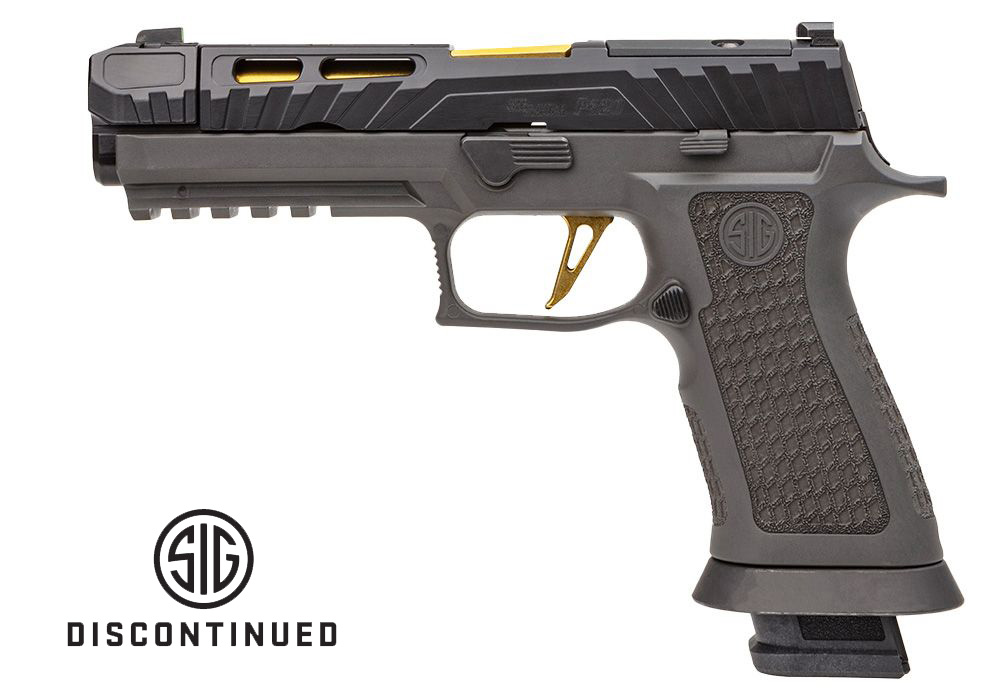
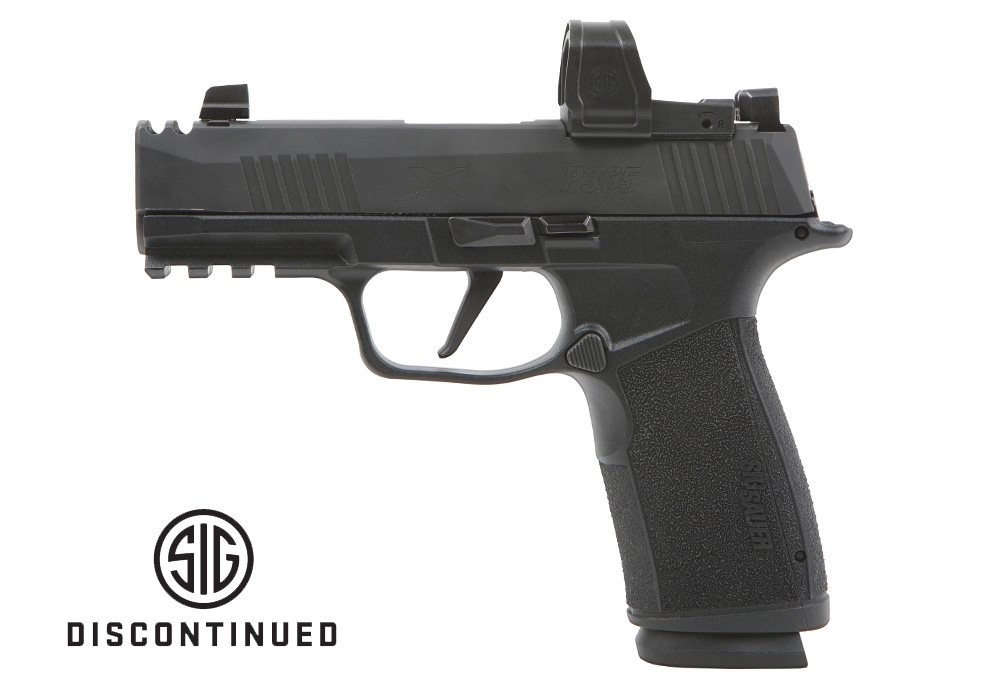
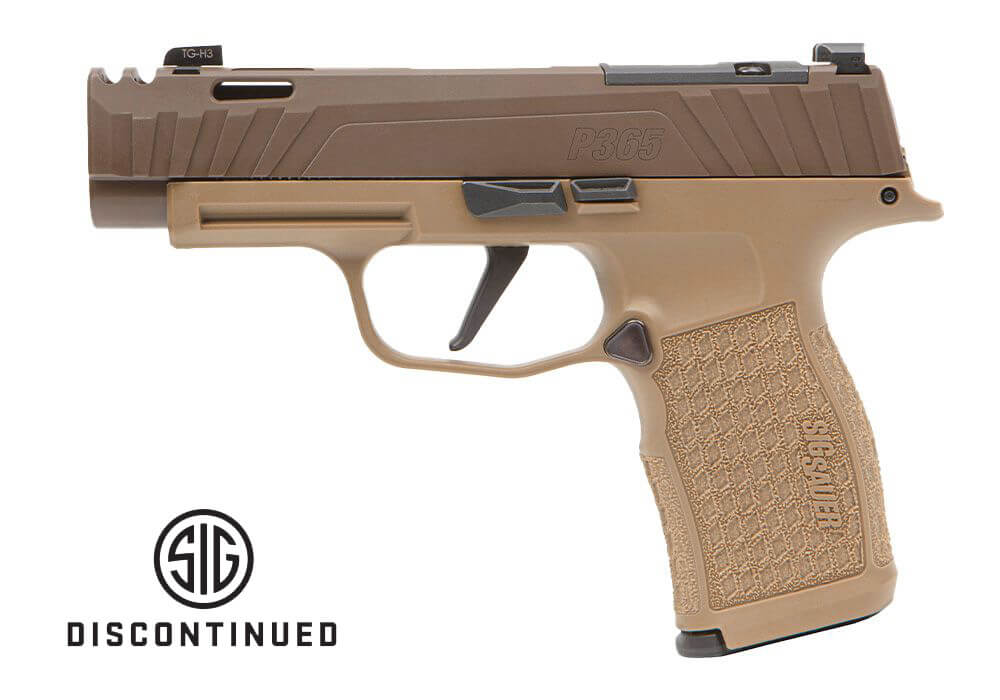
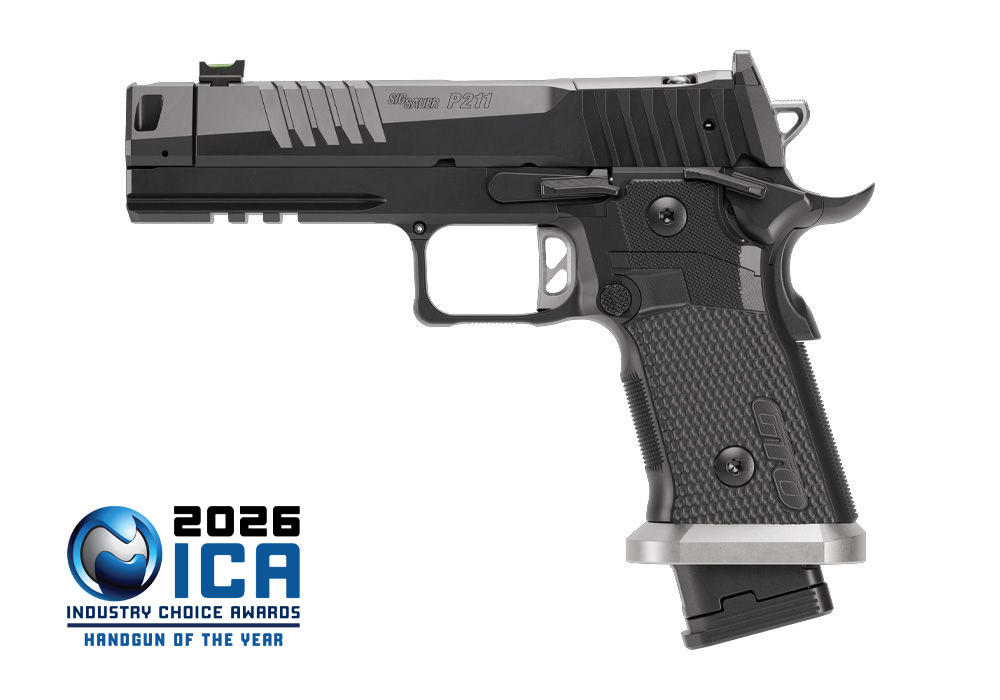
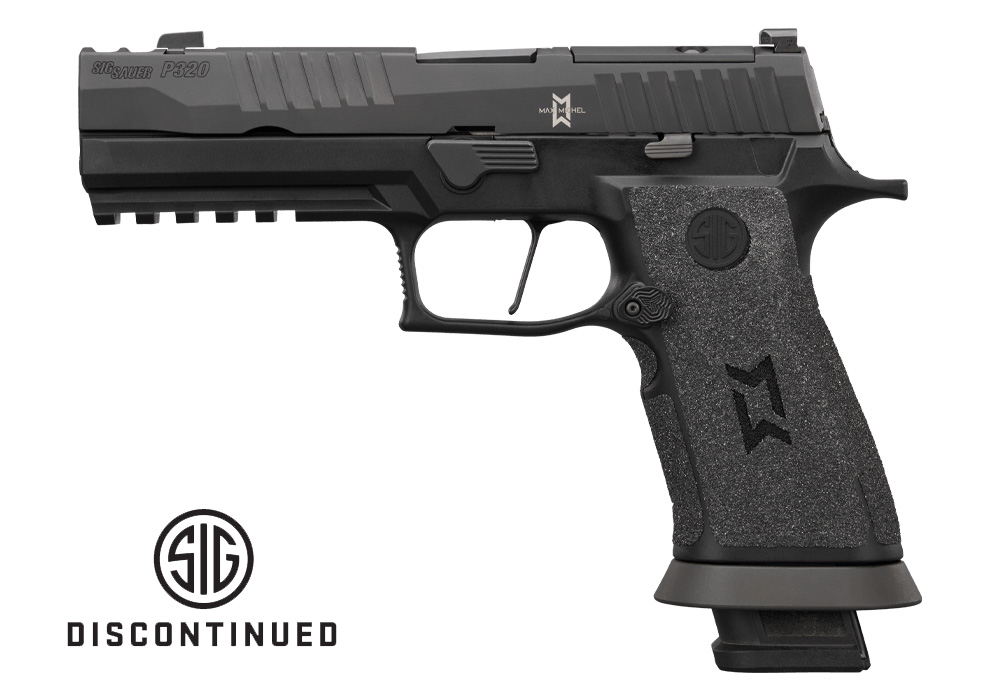
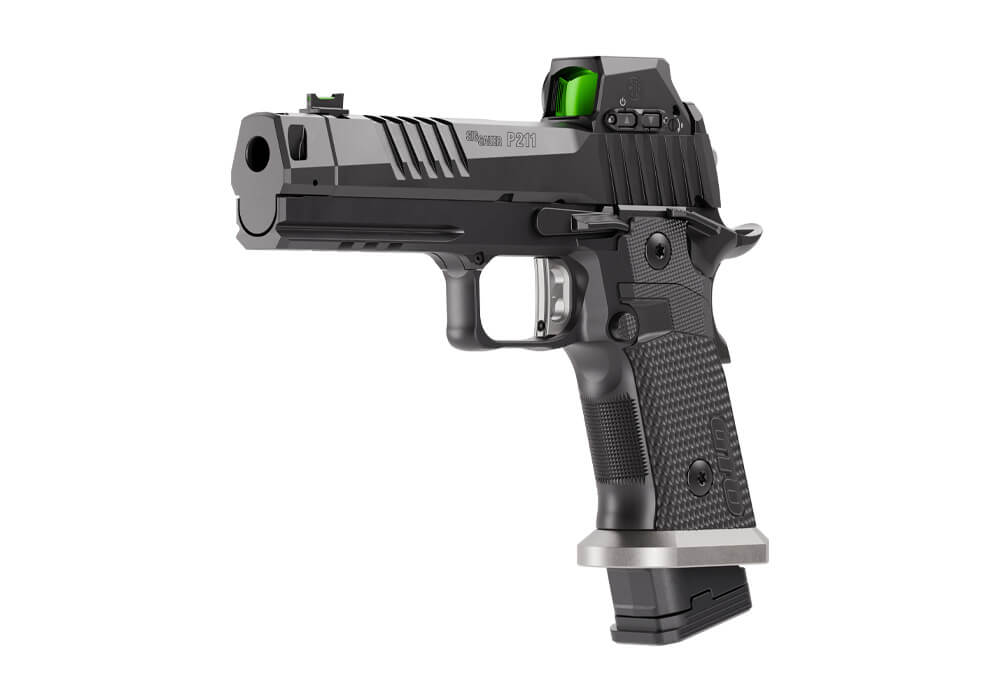
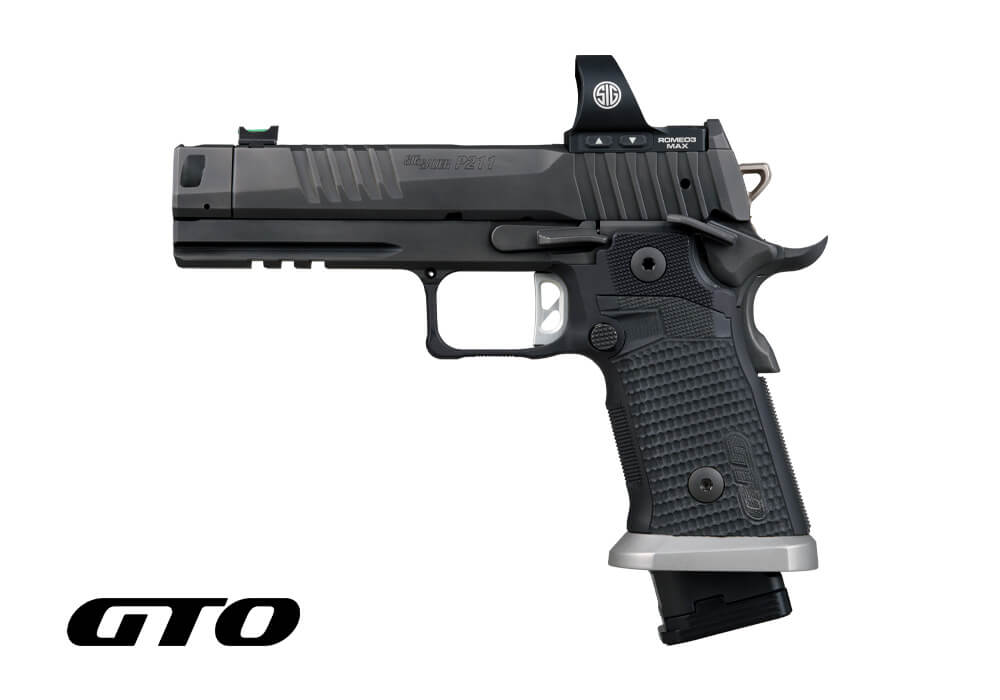
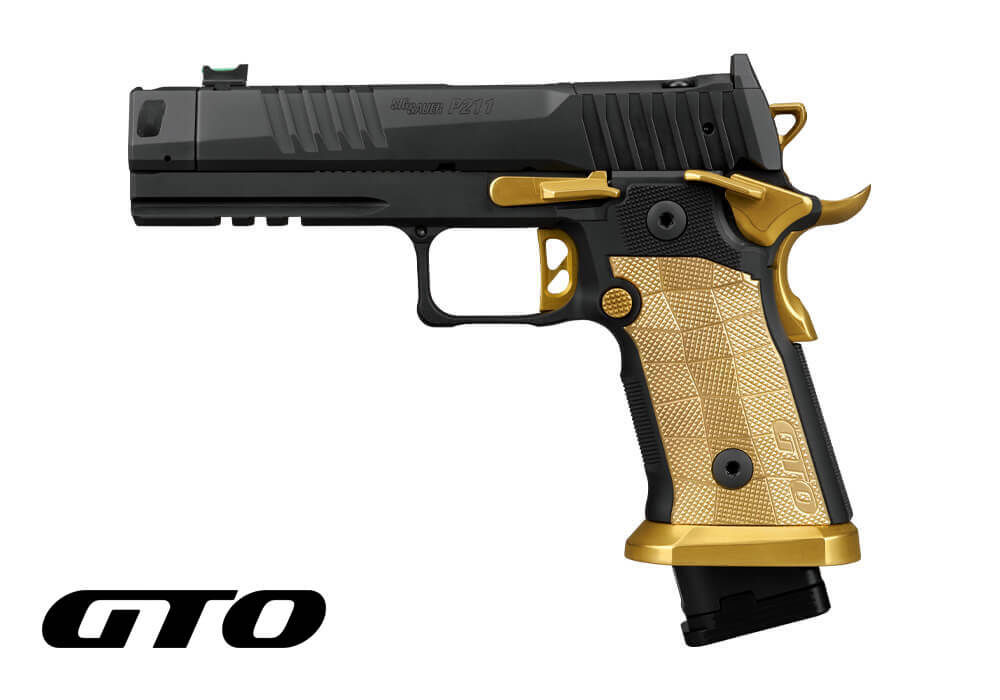
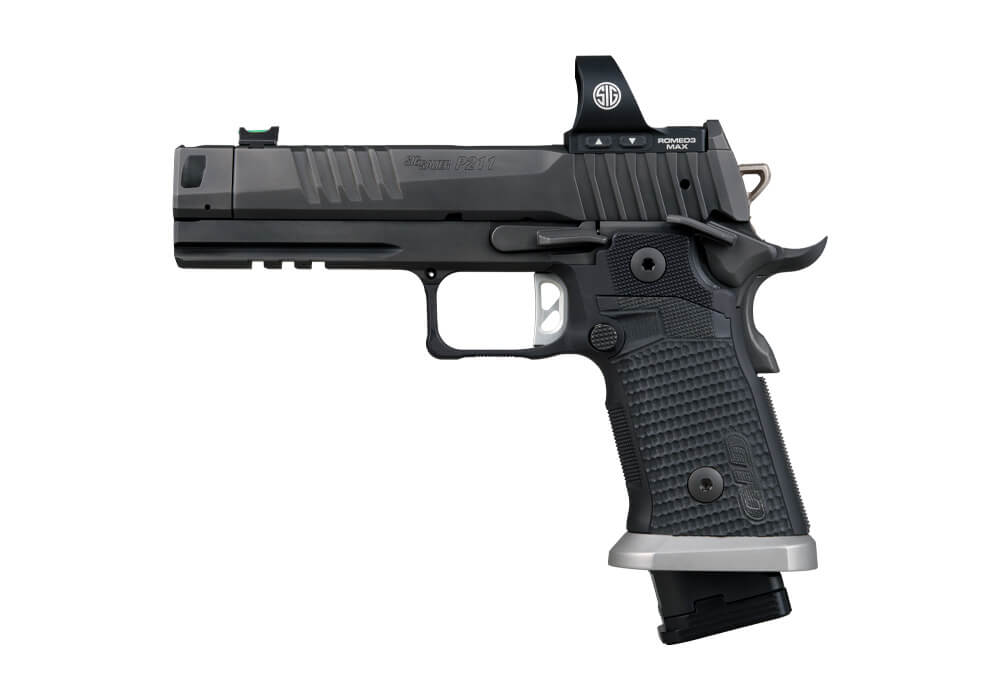
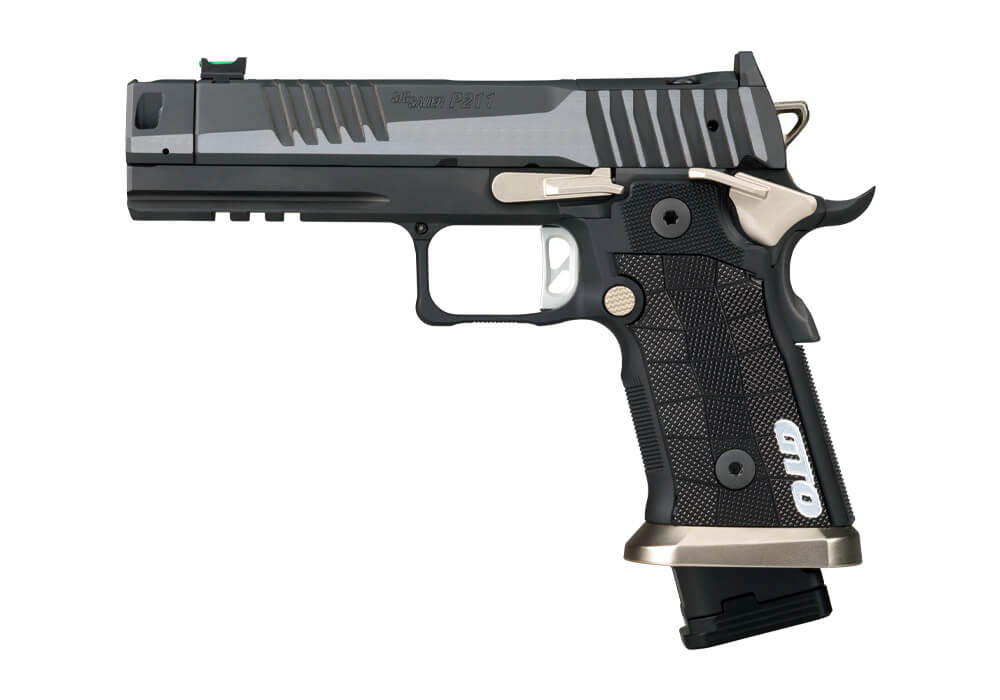
A 9mm Luger compensator brake for a pistol is designed to help manage muzzle movement by redirecting expanding propellant gases as they leave the barrel. Most conventional models use upward-facing and side ports: upward gas pressure works against muzzle rise, while side ports can help moderate the rearward recoil impulse. The result may be a flatter-shooting pistol that returns to the target more quickly between shots, particularly during structured range practice, competition, or defensive training. A compensator does not eliminate recoil, and its effect varies with the pistol, ammunition, barrel length, grip technique, and the individual shooter. Some shooters notice the difference immediately as the front sight settles sooner; others find that the main benefit appears during longer practice sessions, when reduced muzzle movement can make controlled strings of fire feel less tiring. Installation begins with compatibility. Many 9mm pistol compensators attach to a threaded barrel, so the barrel must have the correct thread pattern, caliber designation, and sufficient shoulder for the device to seat squarely. Other designs may use an alternative attachment method and can be intended for pistols without a traditionally threaded barrel. Before purchasing, confirm the exact pistol model and generation, barrel configuration, slide dimensions, and manufacturer installation requirements. A compensator should be properly aligned with the bore and secured according to the maker’s instructions; professional installation is a sensible choice when fitting, timing, or thread engagement is uncertain. For a broader selection of options and configurations, explore Handgun Compensators.
Choosing among 9mm Luger compensator brakes involves balancing recoil control, size, sound, flash, reliability, and the way the pistol will be used. A compact, low-profile design may be preferable for a pistol carried in a compatible outside-the-waistband holster or used for regular range work, while a larger multi-port design may offer more noticeable gas redirection at the cost of additional length and bulk. Port placement and shape affect how gases are vented, and the added blast can be more apparent to the shooter and to people nearby. Compensated pistols may produce increased noise, visible muzzle flash, and hot gas directed upward or to the sides, which is especially important when shooting under a covered firing line or in low-light conditions. Proper eye and hearing protection remain essential, and a secure grip with a consistent stance helps the compensator work as intended. Ammunition selection also matters. Some pistols function reliably across a broad range of 9mm loads, while others may become sensitive to lighter-recoiling or reduced-power ammunition after a compensator is installed. Changes in slide velocity can affect cycling, feeding, and lock-back, so test the exact ammunition and magazine combination at the range before relying on the setup for serious use. A pistol that runs well with one load may behave differently with another, particularly when the compensator, threaded barrel, recoil spring, or other components alter the system’s operating balance. Inspect the device periodically for carbon buildup, confirm that it remains tight, and follow the firearm and accessory manufacturer’s guidance for cleaning, torque, and maintenance. When a suppressor, threaded muzzle device, or other accessory may be used on the same pistol, verify clearance and compatibility rather than assuming components can be combined.
These accessories can appeal to pistol owners who enjoy refining the feel and handling of a familiar 9mm platform. A recreational shooter may appreciate a more settled sight picture during drills, while a competition-focused shooter may value quicker sight recovery and a flatter presentation during rapid, controlled fire. They can also be a thoughtful gift for an experienced handgun owner who already knows the exact pistol model, barrel setup, and intended use; a compensator is not a universal accessory, so confirming those details before purchasing is more useful than choosing by appearance alone. Fitment should be checked against the pistol’s threaded barrel specifications, slide and frame geometry, holster design, and any front sight or recoil system changes. A compensator that extends beyond the original muzzle may require a dedicated holster, and some concealed-carry arrangements may not provide adequate clearance or protection for the added hardware. New users should become comfortable with the unmodified pistol first, then install the accessory carefully and begin with deliberate range testing at close, safe distances before moving into faster drills. Watch for reliable cycling, consistent ejection, secure attachment, and any change in point of impact. During the cooler months or on an indoor range, the additional blast and report may feel more pronounced in enclosed spaces, making proper ventilation, hearing protection, and consideration for neighboring shooters especially important. With correct fitment, realistic expectations, and regular inspection, a 9mm Luger compensator brake can be a practical way to tune muzzle control and personalize the shooting experience without changing the basic role of the pistol.