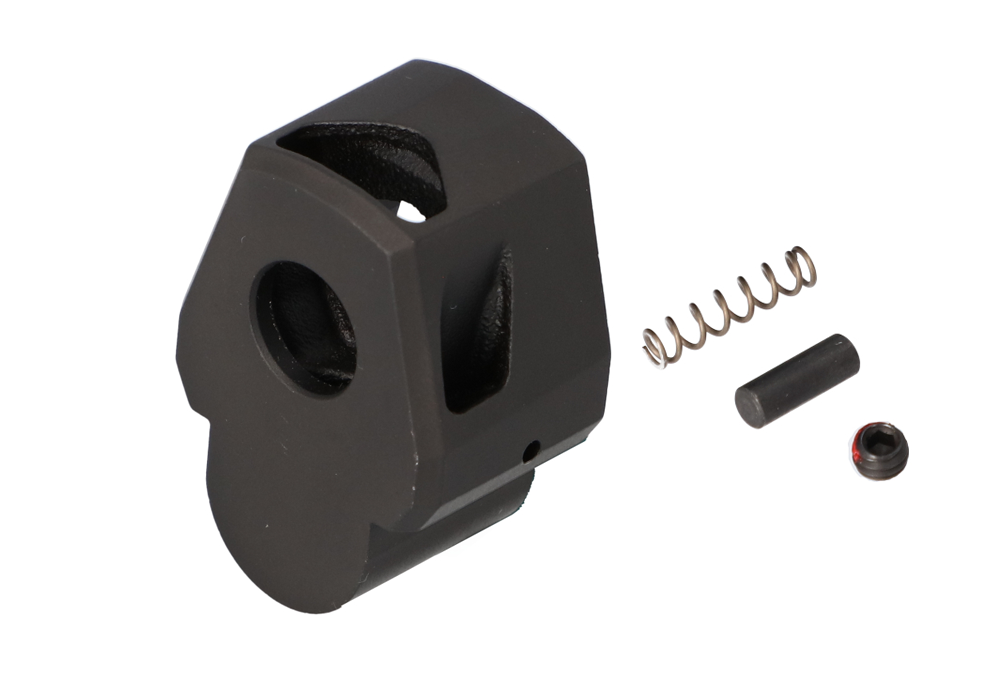
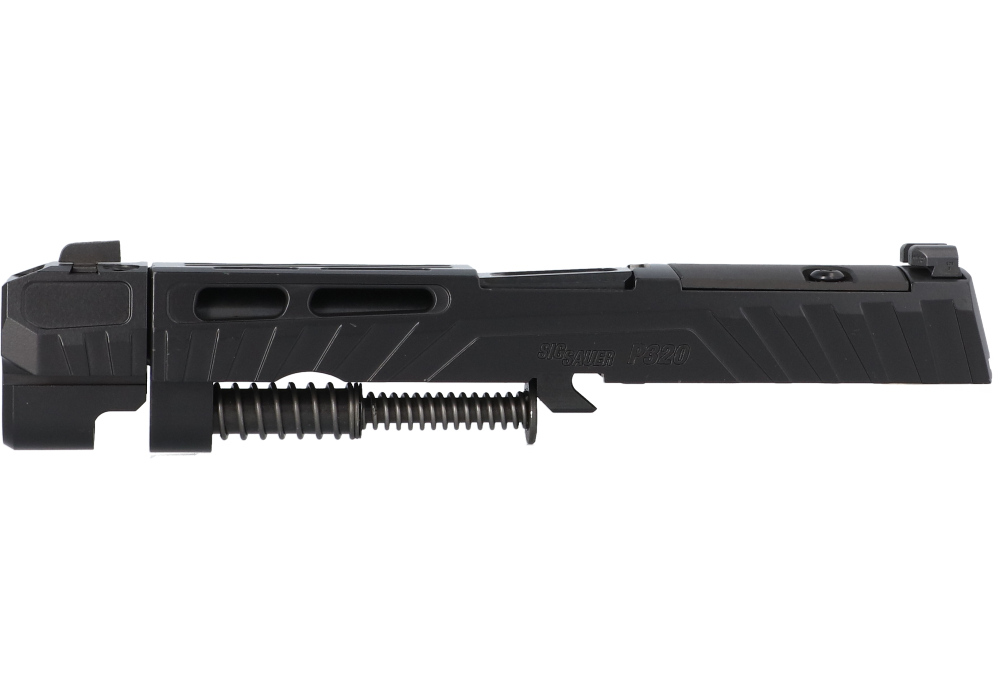
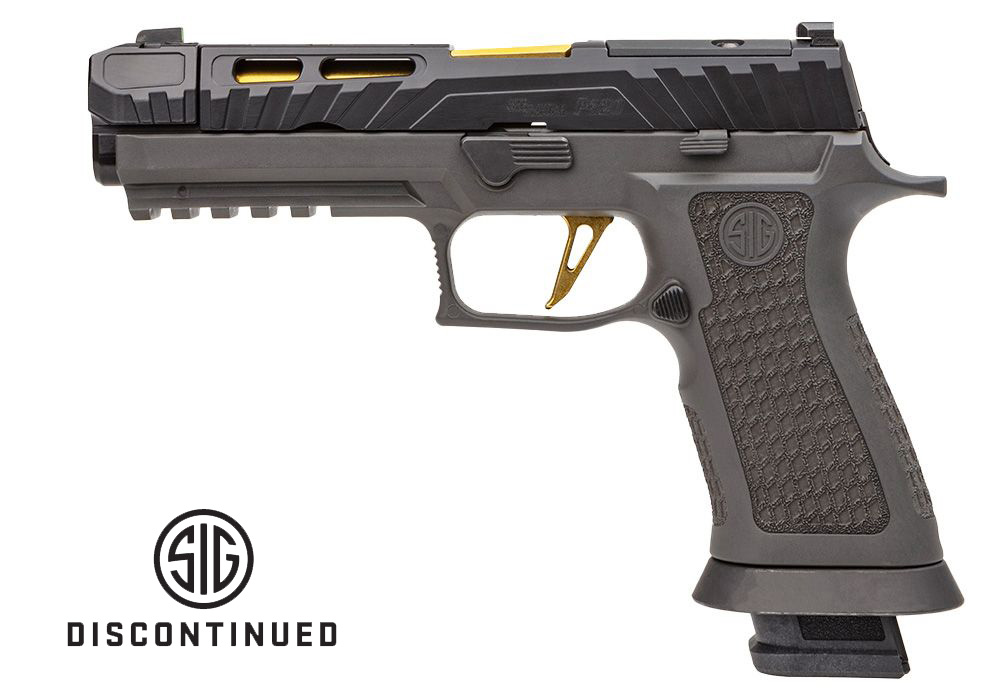
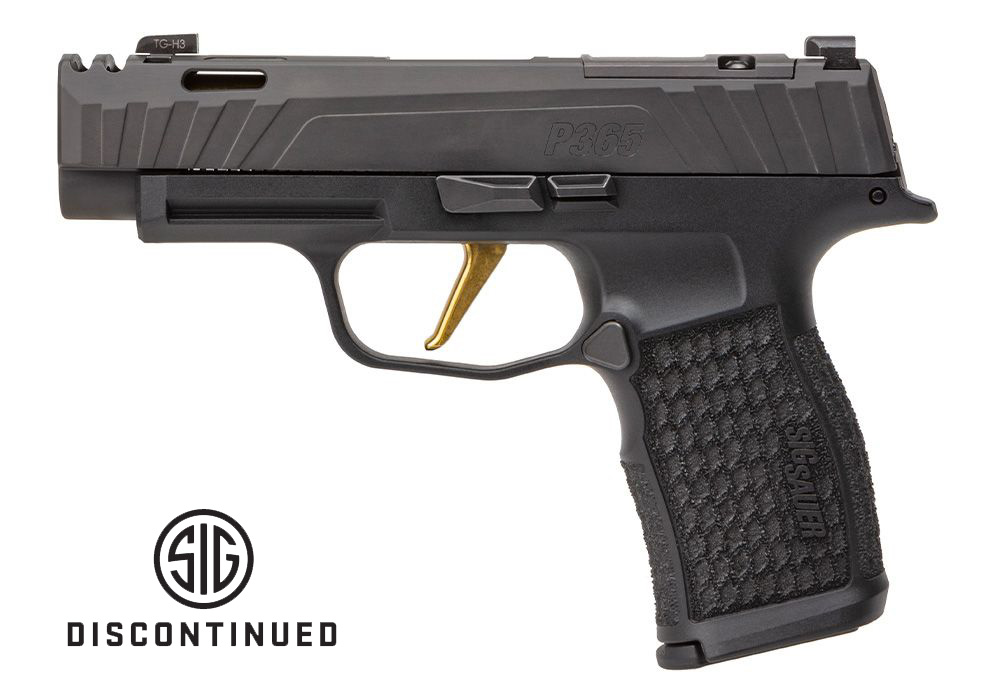
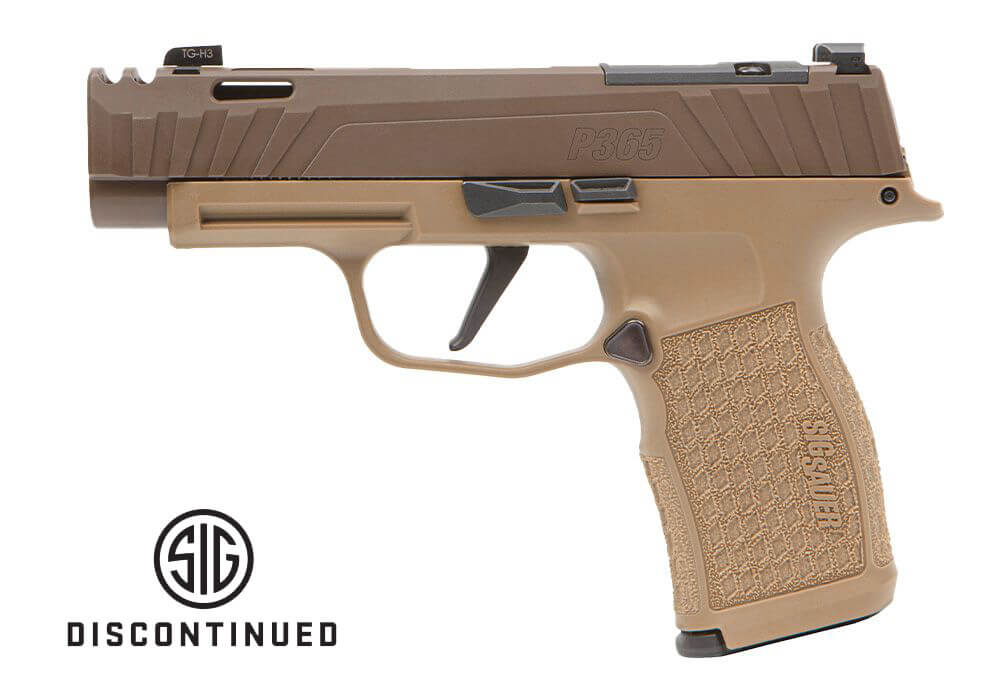
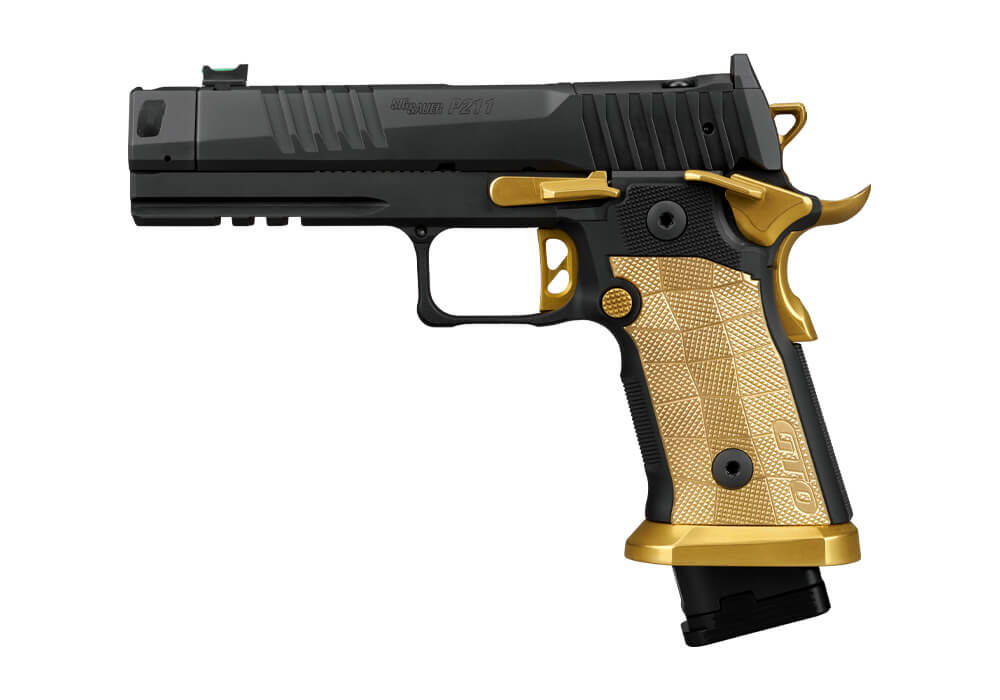
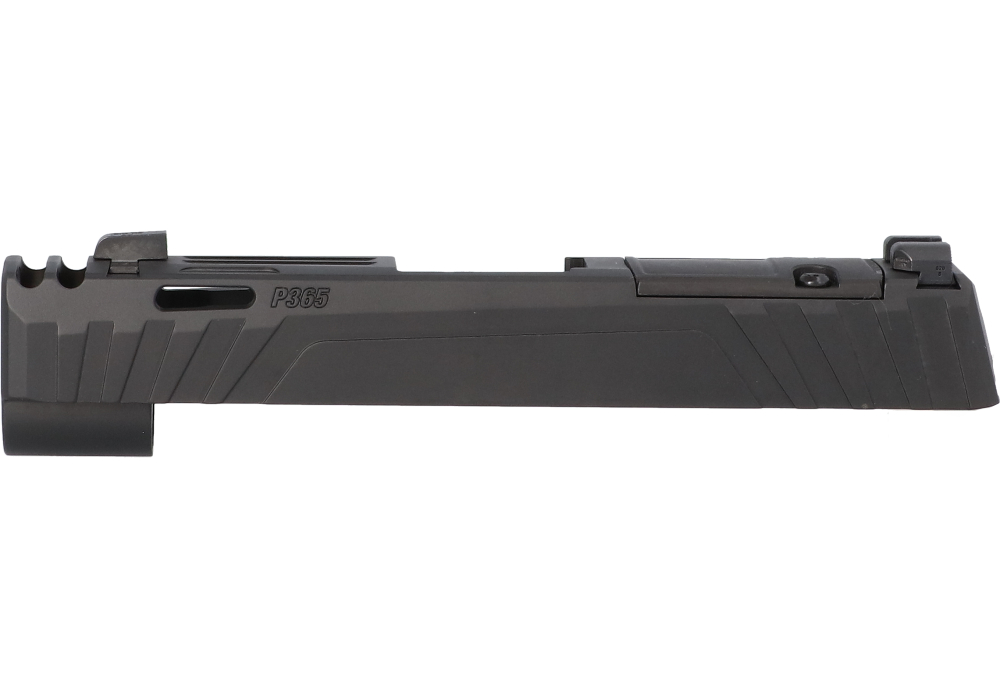
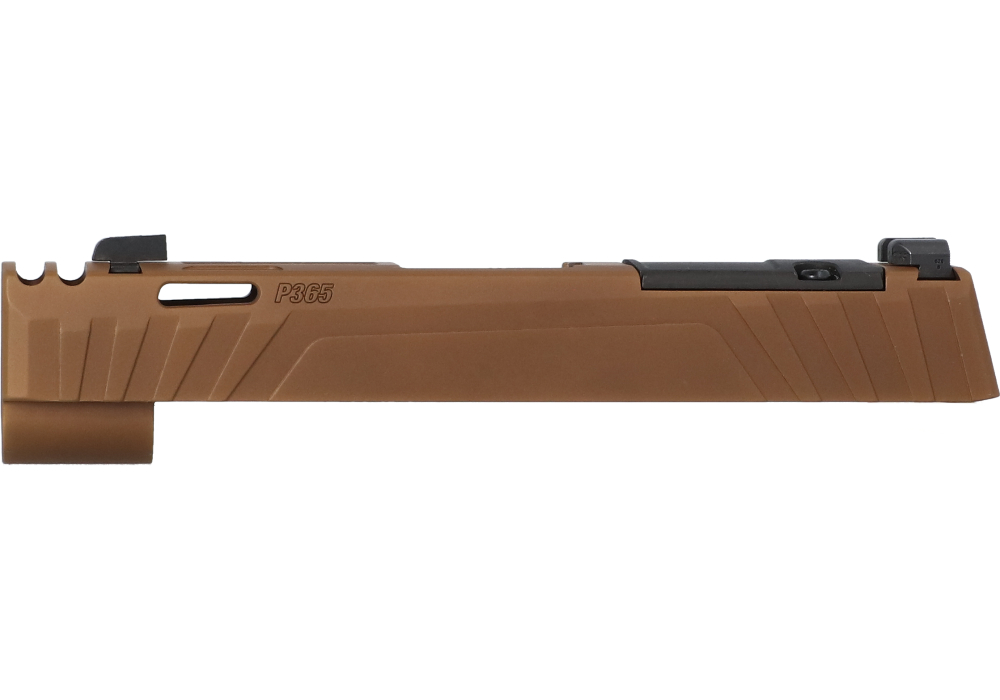
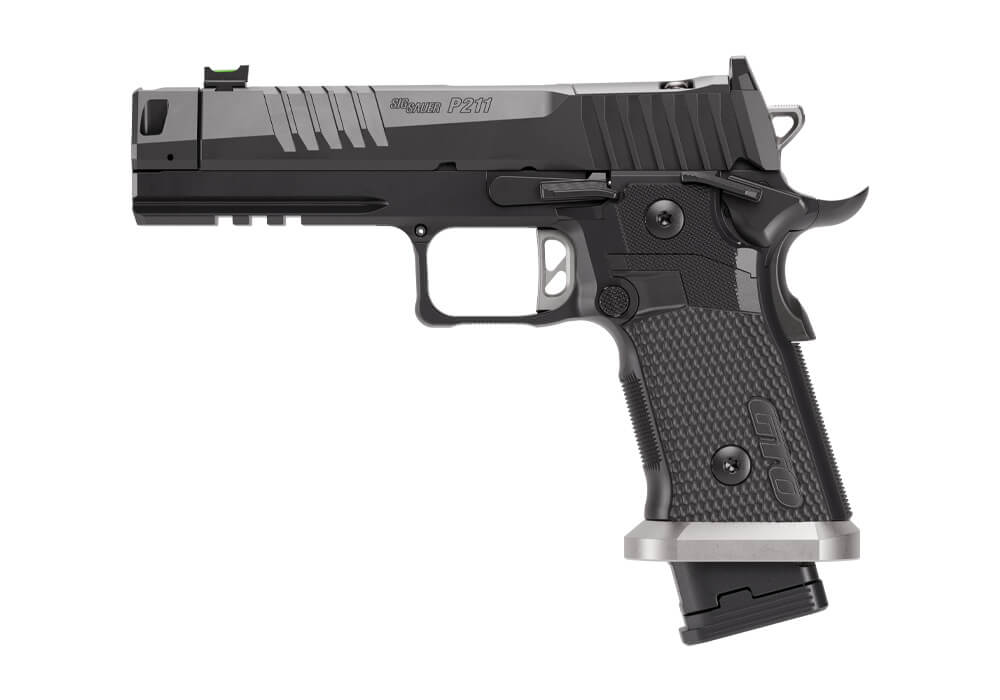
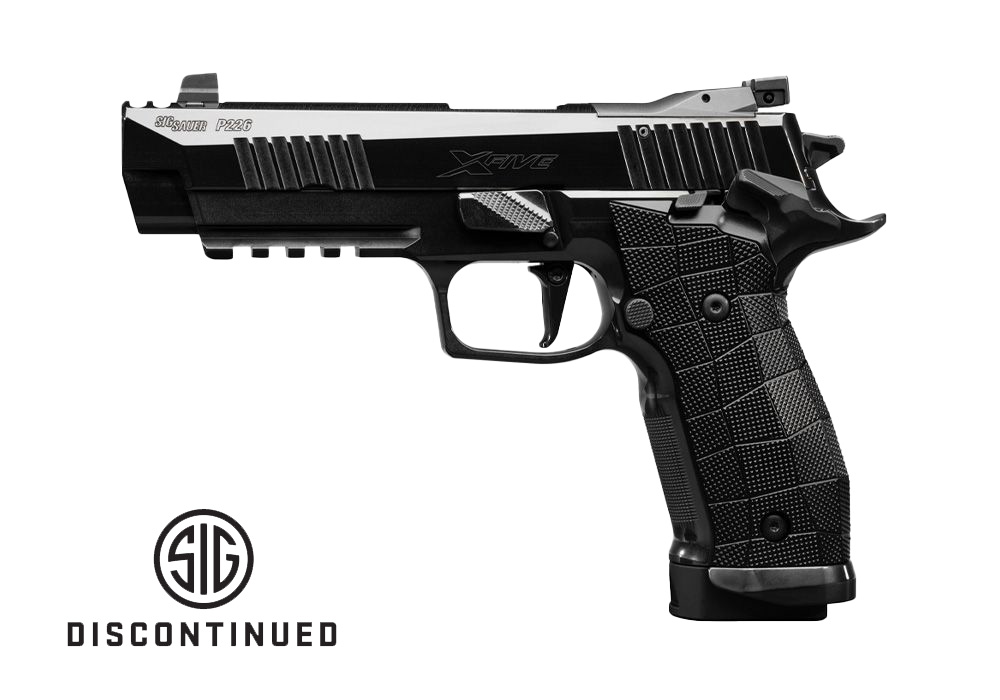
A 9mm compensator is a muzzle device that redirects propellant gases through strategically positioned ports to help counter muzzle rise. As a bullet exits the barrel, gases follow it into the device; directing some of those gases upward creates an opposing force that can reduce the pistol’s tendency to lift. For the shooter, the practical benefit may be a sight picture that moves less between shots and feels easier to track during a string of fire. Muzzle rise and felt recoil are related, but they are not identical: a compensator can influence how a firearm moves without eliminating the rearward impulse of firing. Results depend on the device’s design, the firearm, the ammunition, and the shooter’s technique, so a universal recoil-reduction percentage is not a useful expectation for every setup. Although the terms compensator and muzzle brake sometimes appear together, a compensator generally emphasizes controlling muzzle climb, while a brake primarily redirects gases to oppose rearward movement. Some designs serve both purposes. Neither should be confused with a suppressor, which serves a different function; a compensator does not provide hearing protection and can direct noticeable sound and blast toward nearby shooting positions. These distinctions matter when comparing accessories for recreational target shooting, organized competition, or regular practice. A shooter working through a paper-target drill may notice the front sight or aiming dot returning through a more predictable path, while another may place greater value on keeping the firearm compact and familiar. The right balance is individual rather than universal. A 9mm compensator can complement sound shooting fundamentals, but it does not replace a stable grip, consistent stance, or deliberate trigger control. Its value lies in how well the complete combination suits the intended activity, not simply in the presence of ports at the muzzle. Understanding that distinction helps separate useful design features from broad performance claims.
Compatibility deserves as much attention as recoil characteristics when comparing 9mm Luger Compensator Brakes for Pistols. Matching the cartridge designation alone is not enough to establish fit. The firearm platform, barrel configuration, mounting interface, thread specifications where applicable, and clearance around the muzzle all need to match the accessory manufacturer’s stated requirements. A device intended for one pistol configuration is not automatically suitable for another, even when both firearms use 9mm ammunition. Threaded-barrel designs and other attachment systems also differ, so compatibility should come from documented specifications rather than appearance or assumptions. Overall dimensions matter beyond the connection itself. Added length can change how a pistol fits a holster or storage case, and the device’s shape may affect clearance near the slide or frame. For a firearm carried regularly, a small change at the muzzle can become noticeable when sitting, moving, or using an existing holster. A dedicated range pistol presents different priorities, with less emphasis on compact dimensions and more attention to how the complete firearm feels during practice. Competition users should also review the rules for their event, since a muzzle accessory may affect equipment eligibility or division placement. Weight is another consideration: additional mass at the front can change balance independently of the effect produced by redirected gases. Ammunition contributes to performance because different loads produce different gas characteristics, but bullet weight or a pressure designation alone does not establish a guaranteed result. Use only ammunition approved for the firearm and accessory, and do not assume that a higher-pressure load is necessary or appropriate. Because a muzzle device can affect how a semiautomatic pistol functions, dependable operation with the intended configuration matters more than an isolated impression of softer recoil. Manufacturer guidance and assessment by a qualified firearms professional are the appropriate references for installation and any compatibility concerns. For shoppers, the clearest comparison starts with a defined purpose: preserving a compact profile, supporting repeated range practice, or meeting a competition’s equipment requirements. That purpose helps put size, weight, fit, and performance claims into context.
Materials, construction, and upkeep shape how a 9mm compensator holds up over time. Depending on the design, common materials include aluminum alloys and steel, each with different weight and wear characteristics. Aluminum can help limit added weight, while steel generally brings greater mass and resistance to certain forms of wear; neither material alone determines the quality or suitability of an accessory. Material grade, machining precision, surface treatment, and the manufacturer’s intended application all contribute to durability. A protective finish can help resist corrosion and surface wear, but it does not remove the need for routine inspection and care. Propellant residue can collect around ports and internal surfaces, especially on a firearm used frequently at the range. Follow the manufacturer’s cleaning guidance and use compatible cleaning products, since aggressive chemicals or abrasive tools can damage some finishes. Before handling or maintaining the firearm, ensure it is unloaded and follow its safety instructions. Changes such as visible damage, an altered fit, or unusual wear warrant professional attention rather than continued use based on appearance alone. Practical ownership also includes considering the people nearby. Redirected gases can create a sharper blast sensation beside the shooter, particularly at closely spaced range lanes, making appropriate eye and hearing protection essential. Range rules may place additional restrictions on muzzle devices, so the intended shooting environment belongs in the selection process alongside mechanical fit. For someone who practices often, an accessory that is straightforward to inspect and maintain may be more useful than one chosen only for an aggressive profile. For someone assembling a competition-oriented setup, documented compatibility and event compliance may carry more weight than cosmetics. As a gift, a firearm-specific accessory is best selected with the recipient’s exact equipment and preferences confirmed, rather than treating all 9mm pistols as interchangeable. A thoughtful choice connects the device’s materials, dimensions, maintenance needs, and intended role to the firearm it will accompany. That approach keeps the emphasis on a suitable, durable accessory with realistic expectations for performance.