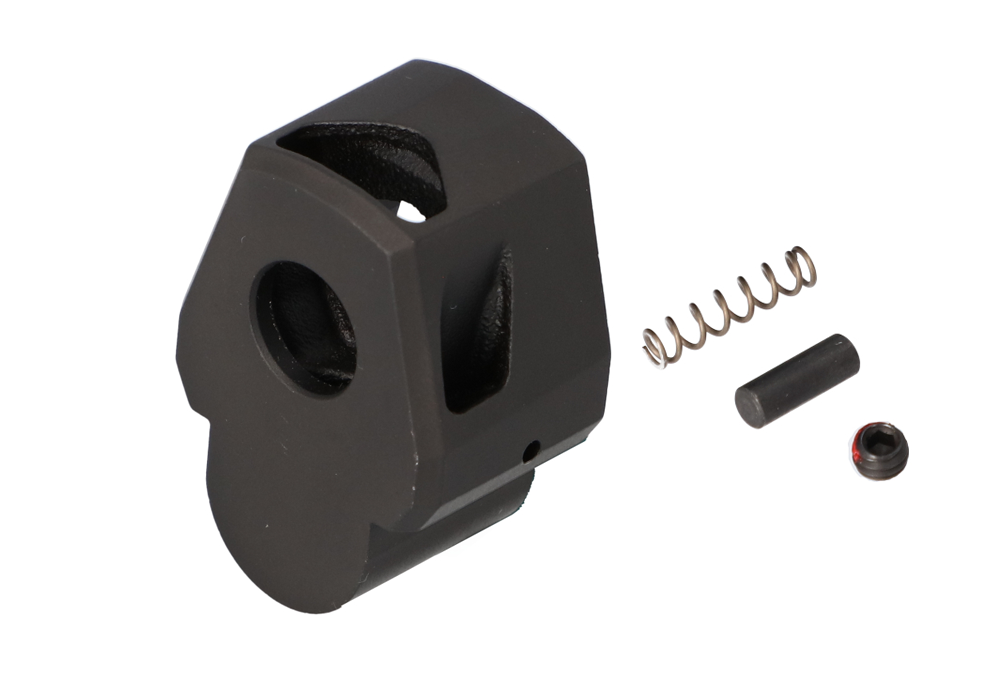
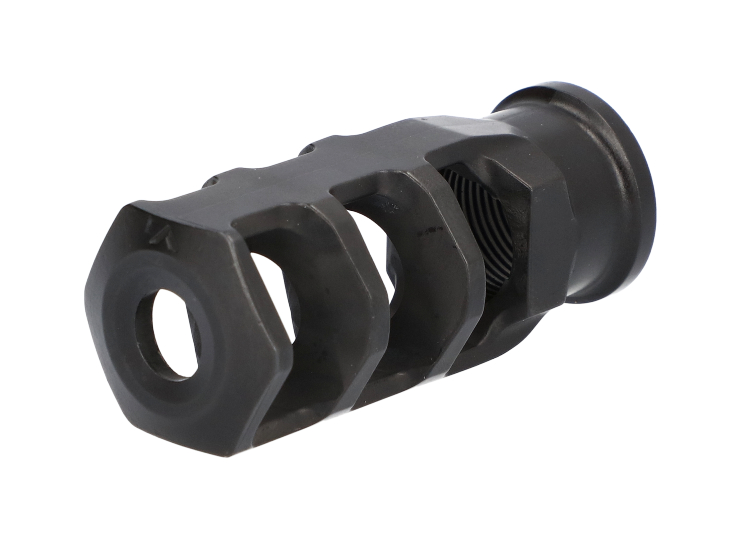
Handgun compensators are muzzle devices designed to reduce muzzle rise by redirecting some of the gas that exits a pistol barrel when a round is fired. That upward movement, often called muzzle flip, is different from the rearward force felt through the grip, although a compensator can also change how recoil feels to the shooter. The result depends on the firearm, ammunition, and compensator design; no muzzle device eliminates recoil or replaces sound shooting fundamentals. For recreational target shooters and competitors, the appeal is a pistol that feels more settled during a range session, with less upward movement interrupting the sight picture. These accessories belong to the broader category of Muzzle Compensators, but handgun applications have their own requirements for barrel compatibility, slide clearance, overall dimensions, and holster fit. Some designs attach to a compatible threaded barrel, while others use a mounting arrangement specific to a particular pistol platform. A threaded barrel alone does not establish compatibility, and a similar exterior shape does not mean two compensators are interchangeable. Size also changes the character of the finished setup. A compact profile may keep added length modest, while a larger device can introduce more noticeable bulk at the muzzle. Neither size nor an aggressive appearance establishes how well an accessory will suit a particular handgun. The most useful comparison starts with documented fit and intended use rather than styling. For an occasional range visitor, straightforward care and compatibility may matter most. A competitive shooter may also need to consider equipment rules and whether a compensator is permitted in the relevant division. In either case, expectations should stay practical: a compensator can influence muzzle movement, but it does not guarantee accuracy, correct an inconsistent grip, or turn an unfamiliar handgun into a familiar one. Its value rests on how appropriately it fits the firearm and the activities planned for it.
Materials and construction deserve the same attention as compatibility. Aluminum alloys and steel are common choices for handgun compensators, with different tradeoffs in weight, surface treatment, and resistance to wear. Aluminum can keep an accessory relatively light, while steel generally adds more weight at a comparable size. Actual durability depends on the full design, the material specification, the finish, and use within the manufacturer’s stated limits, not simply on which metal appears in the description. Anodized and other protective finishes can help resist surface wear and corrosion, but no finish removes the need for inspection and care. Machining quality matters at the mounting interface and around the gas ports, where clean geometry and consistent construction support proper fit. Exterior contours matter for practical reasons as well. A sharply sculpted profile may look distinctive, yet its compatibility with a holster or protective case still needs confirmation. Even a small increase in muzzle length can prevent a handgun from seating correctly in equipment that previously fit. The relevant specifications include the intended pistol platform, supported caliber, barrel interface, and any stated restrictions involving the slide or other components. Thread dimensions must match where a threaded connection is used, but matching threads are only one part of determining suitability. Correct alignment and adequate clearance remain essential, and uncertain compatibility belongs with the manufacturer or a qualified gunsmith rather than guesswork. A compensator can also affect a semiautomatic pistol’s operating behavior, so suitability should be assessed for the complete firearm configuration instead of treating the accessory as an isolated part. For shoppers comparing options, clear compatibility information is more meaningful than broad promises about recoil reduction. Product dimensions, construction details, mounting requirements, and care instructions provide a firmer basis for selection than appearance alone. A well-considered accessory fits both the handgun and the owner’s expectations without creating avoidable complications for storage, transport, maintenance, or routine range use.
Care is an important part of owning a handgun compensator because the muzzle is exposed to heat, combustion residue, and repeated firing. Carbon can collect around ports and internal surfaces, while exterior finishes can show handling marks from range bags, cases, and holsters. Accessible surfaces and clearly documented cleaning requirements can make a meaningful difference over time, especially for someone who spends more time shooting than maintaining equipment. Cleaning products and methods should follow the accessory manufacturer’s directions and remain compatible with the finish; aggressive scraping or unsuitable chemicals can damage surfaces rather than restore them. Any inspection or maintenance belongs in a safe setting with the firearm unloaded and cool. Unusual wear, a change in fit, or evidence that an attachment is no longer secure calls for professional assessment before further use. These considerations are part of durability, not separate from it: sound construction works best alongside appropriate care and attention to the condition of the complete firearm. Range etiquette also matters. Redirecting gas can change the blast experienced near the muzzle, including at neighboring shooting positions, and a compensator does not function as a suppressor. Suitable hearing and eye protection remain essential, along with compliance with range rules. For supervised practice or competition, it is worth confirming that the accessory is appropriate for the setting before planning around it. As a gift for an experienced handgun owner, a compensator requires more than knowing that the recipient enjoys shooting; the exact firearm configuration and the recipient’s preferences must be understood first. Compatibility-sensitive accessories are personal equipment choices, much like holsters, rather than universal additions. Across recreational and sporting use, the strongest reasons to consider handgun compensators are specific and practical: an interest in managing muzzle rise, a compatible platform, and a willingness to account for added dimensions and ongoing care. Those priorities keep the focus on a suitable accessory rather than an exaggerated promise.