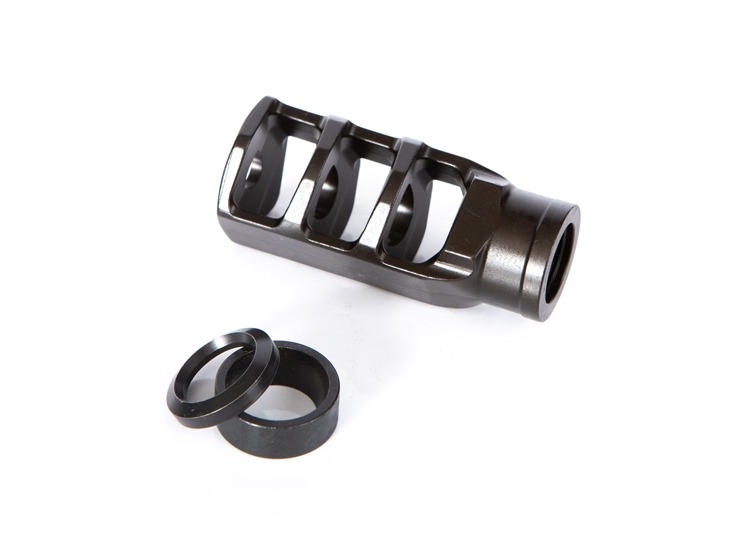
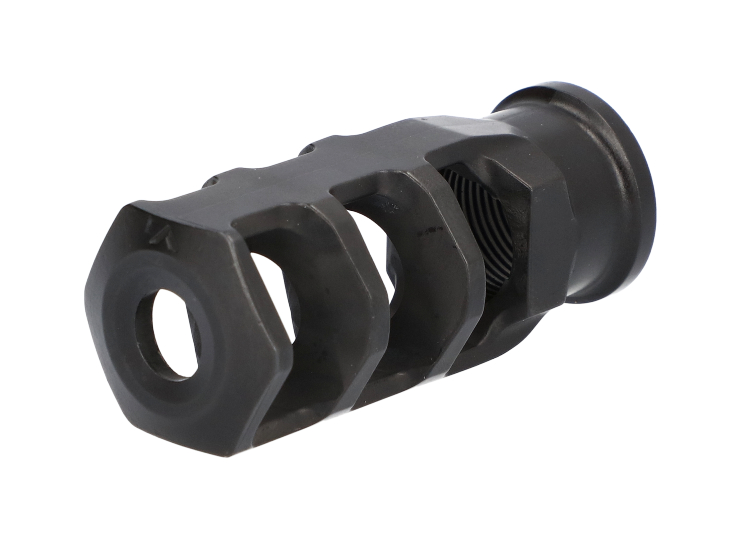
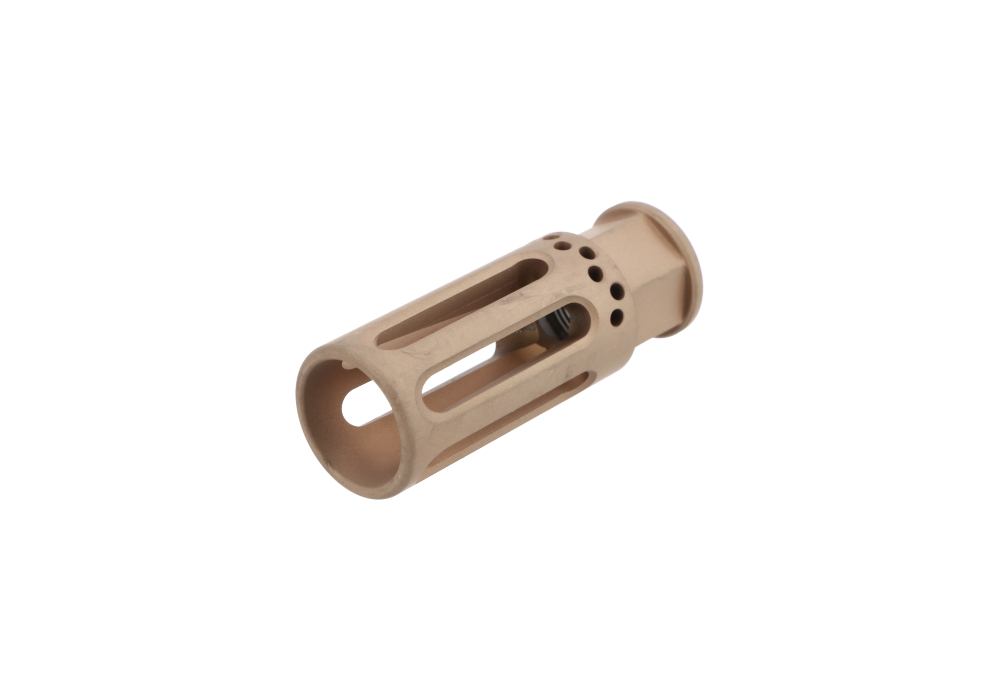
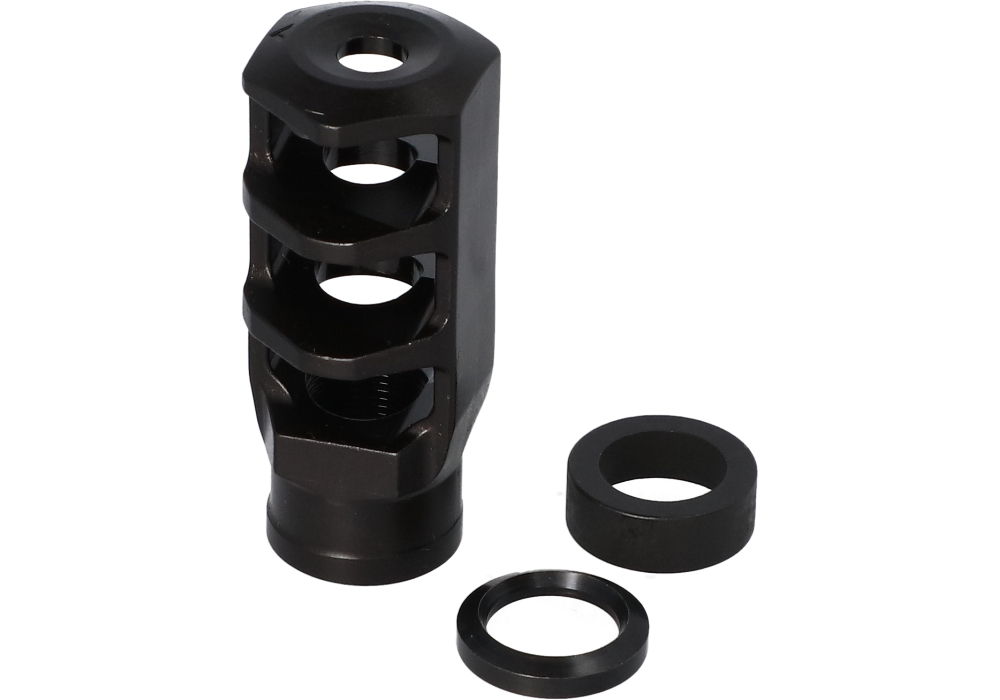
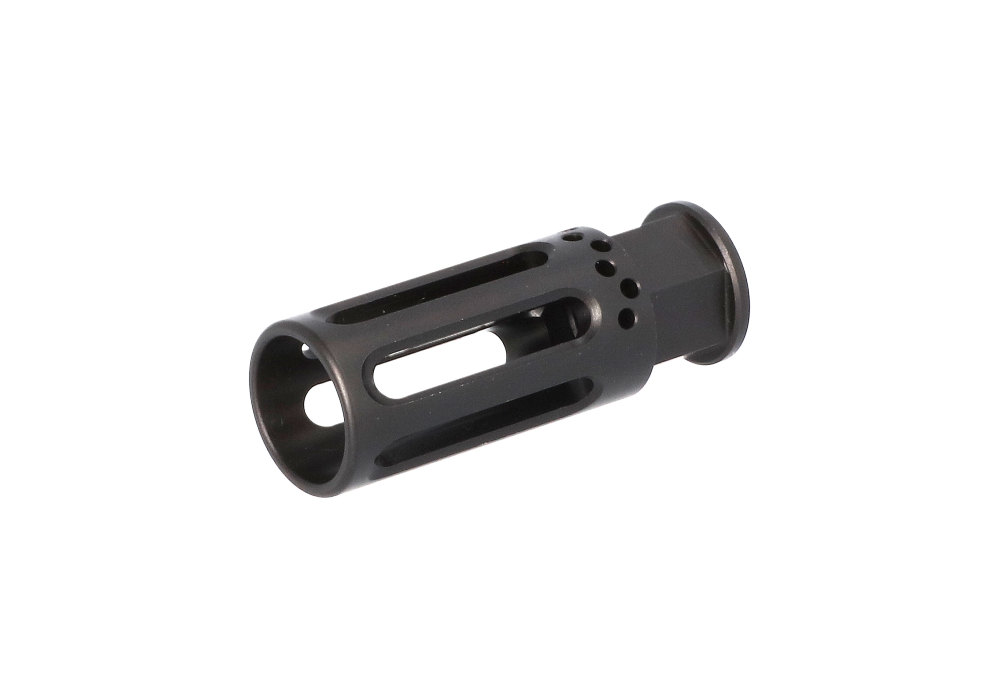
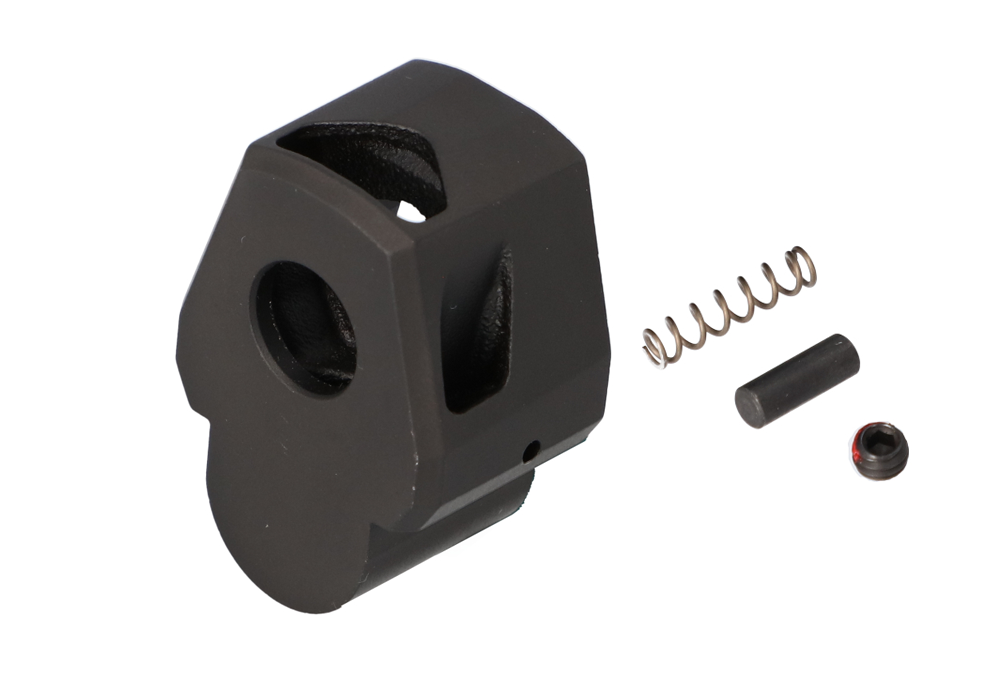
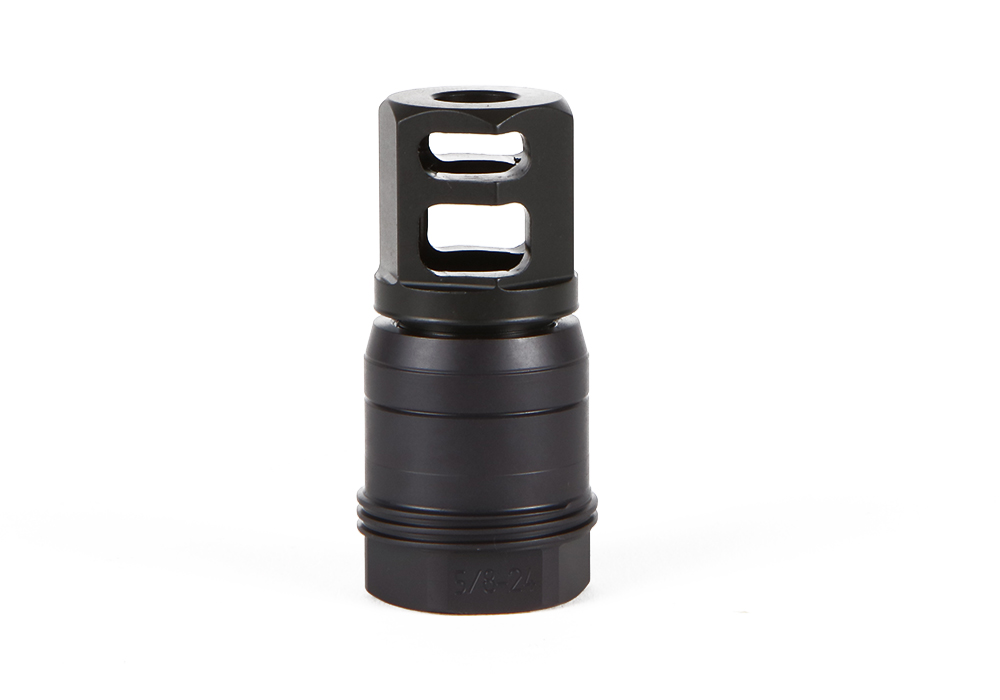
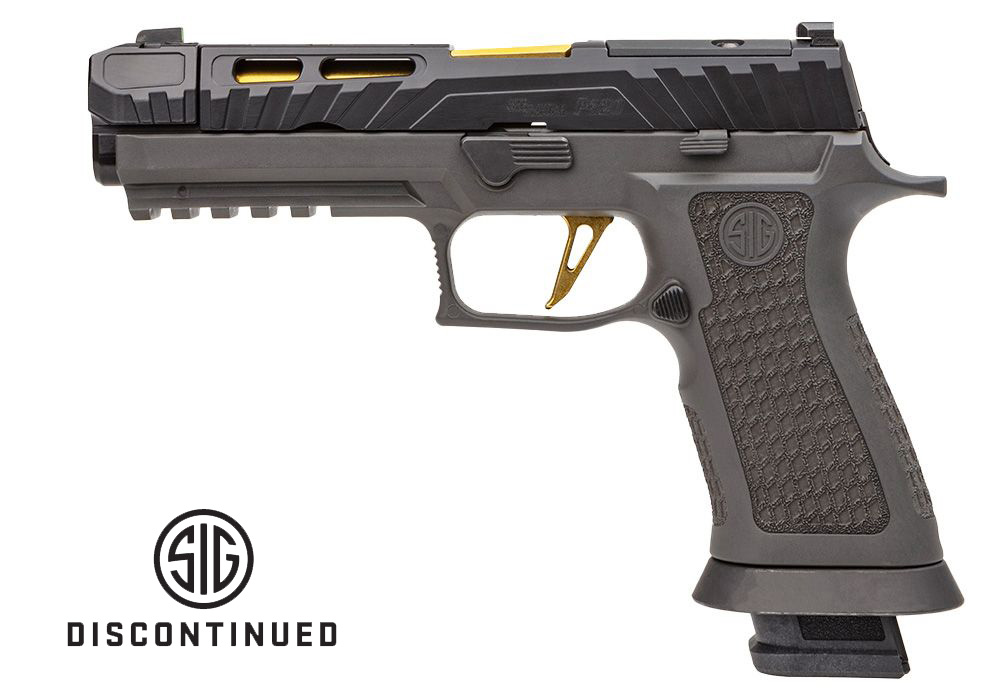
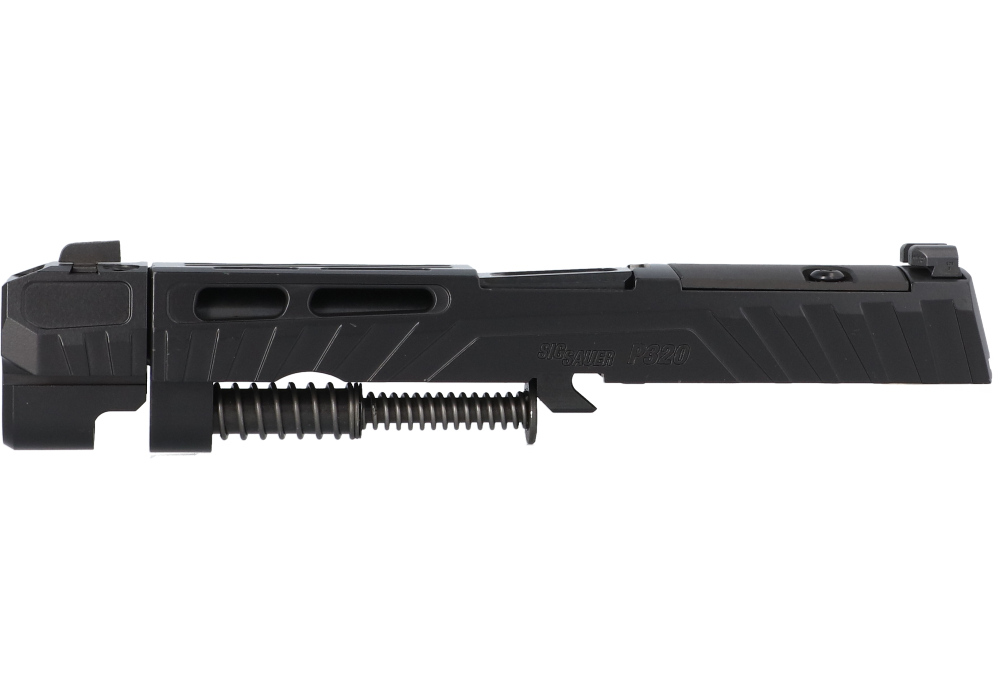
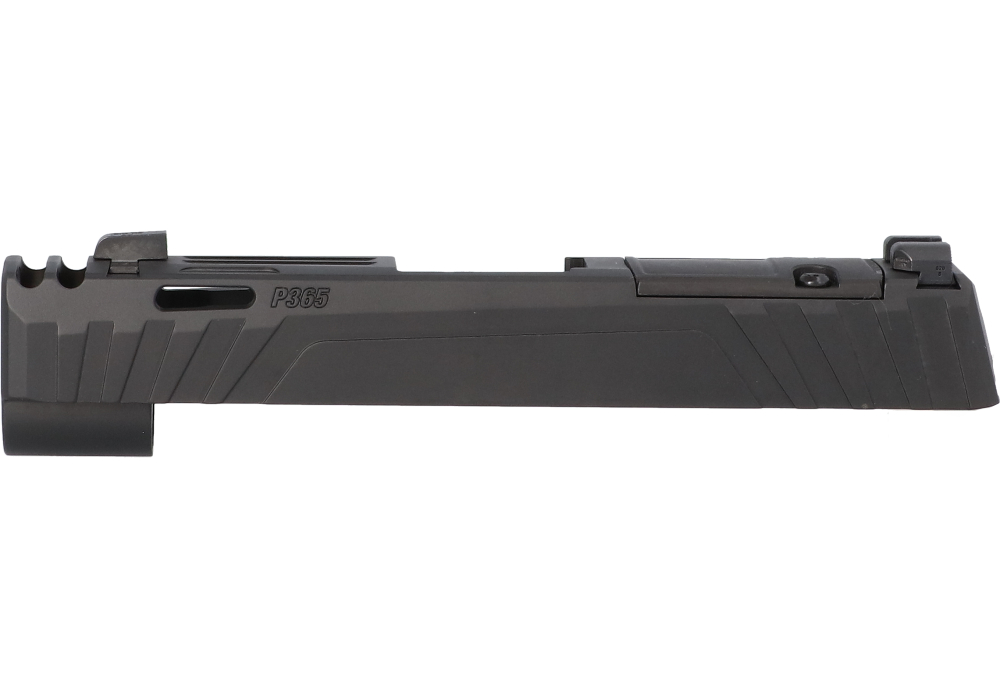
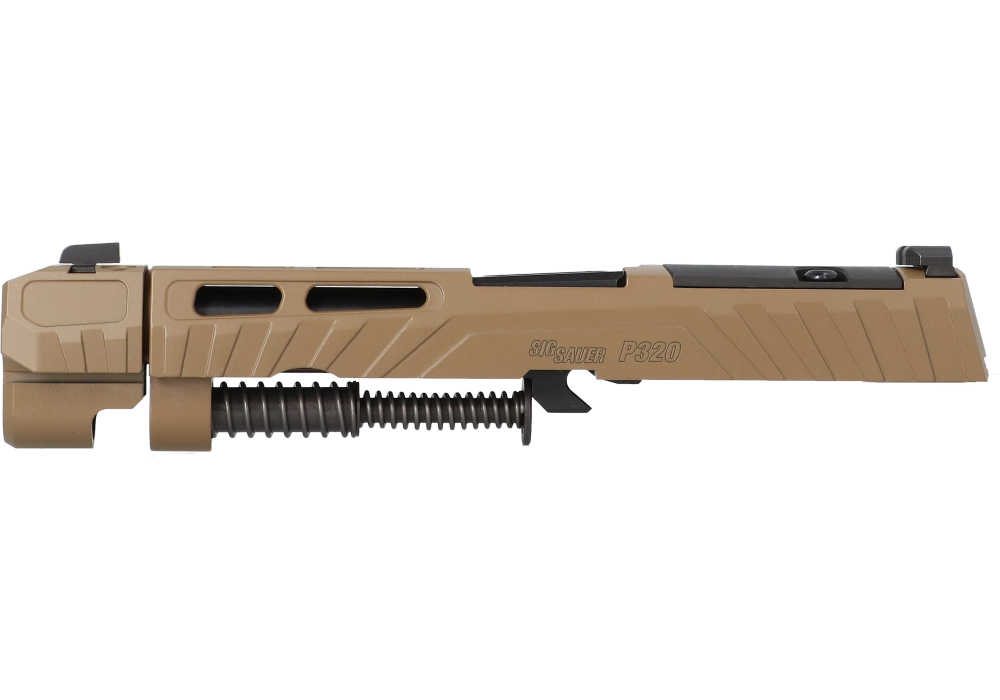
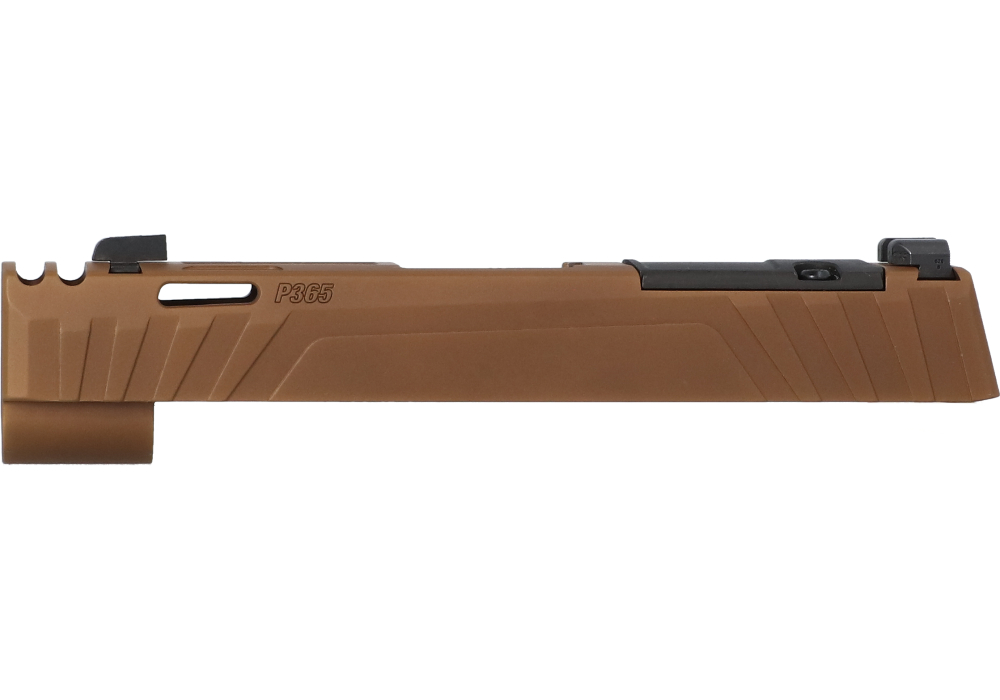
Muzzle compensators are firearm accessories that redirect propellant gases at the muzzle to help reduce muzzle rise. As a bullet exits the barrel, gas flows through the device’s ports, creating forces that counter some of the barrel’s upward movement. The result can be less sight movement and a more settled shooting experience, although the effect depends on the firearm, ammunition, and compensator design. A compensator primarily addresses muzzle climb, while a muzzle brake primarily addresses rearward recoil; some designs combine both functions. A linear compensator serves a different purpose, directing blast forward rather than relying on upward venting to counter muzzle rise. These distinctions matter because accessories with similar silhouettes can behave quite differently on the range. Neither a conventional compensator nor a muzzle brake should be treated as a substitute for a suppressor or appropriate hearing protection. For recreational target shooters and competitors, the appeal often comes down to how the firearm feels through a string of shots: how far the sights move, how consistently they settle, and how comfortably the shooter can maintain a stable position. A compensator may help manage that movement, but it does not replace sound handling, a secure grip, or deliberate practice. It also does not automatically improve a firearm’s mechanical accuracy. Its contribution is generally to shooting behavior and perceived control rather than the barrel’s inherent precision. On a paper-target lane, that distinction separates a useful accessory from an unrealistic expectation. Someone practicing at a measured pace may value a predictable feel, while a competitor may pay closer attention to sight movement between targets. The right category depends on the intended experience, not simply the most aggressive-looking port pattern. Shoppers comparing accessories for an AR platform can also explore AR Muzzle Devices to distinguish compensators from other muzzle-device types. Understanding those functional differences provides a useful foundation for comparing construction, compatibility, dimensions, and the practical compromises each design brings.
Fit deserves as much attention as the shape of the ports or the finish. Muzzle compensators are not universally interchangeable, even when two firearms share a caliber or appear to have similar barrels. Compatibility can depend on the exact firearm configuration, barrel interface, thread specification where applicable, and the device’s approved caliber or bore dimensions. A matching caliber designation alone is not enough to establish a correct fit, and a similar exterior appearance is not evidence that two interfaces are equivalent. Manufacturer documentation should identify the intended application and any required supporting components. For pistols, the relationship between the barrel, slide, and compensator can be especially important; on rifles, the muzzle interface and surrounding accessory clearances also deserve attention. Installation requirements vary, so a qualified gunsmith is an appropriate resource when compatibility or fit is uncertain. This is precision hardware, not a universal cosmetic attachment. Materials and construction influence weight, wear resistance, and the way the accessory balances on the firearm. Steel, stainless steel, titanium, and aluminum appear across the category, with suitability depending on the application and the manufacturer’s design. Material names alone do not establish service life: geometry, surface treatment, ammunition exposure, and the conditions specified for use all matter. Steel can offer substantial wear resistance, while lighter materials may reduce the weight added at the muzzle in applications designed for them. Protective finishes can help resist corrosion and surface wear, but no finish eliminates the need for inspection and care. Overall length and outside dimensions have everyday consequences as well. An extended muzzle profile may change how a firearm fits a case, rack, or holster, and added forward weight can alter its balance even when the accessory looks compact in a photograph. For a shooter who already has a well-fitting storage or transport arrangement, checking those dimensions helps prevent an inconvenient mismatch. The most useful specifications explain how a compensator fits into the complete firearm configuration, rather than treating the device as an isolated piece of hardware.
Living with a muzzle compensator also means accounting for blast, residue, and routine maintenance. Redirecting gas changes where that gas travels, and some designs can increase the blast or sound perceived by the shooter and nearby people. At a covered firing line or an indoor lane with partitions, that difference may be particularly noticeable. Appropriate eye and hearing protection remain essential, along with respect for range rules and neighboring shooters. Port layout can also influence the visibility of muzzle flash, so a compensator should not be assumed to perform the same role as a flash hider. Ammunition characteristics and firearm configuration affect the overall experience, which is why broad promises about recoil reduction rarely tell the whole story. For organized competition, equipment rules are another practical consideration: a muzzle accessory may affect which division permits a particular configuration. For casual range use, comfort, manageable dimensions, and straightforward care may matter more than competition-oriented features. Cleaning needs reflect the device’s exposure to propellant gases. Carbon residue can collect around ports and internal surfaces, while exposed finishes may show handling marks over time. Follow the manufacturer’s care instructions and use cleaning products appropriate for the material and finish; aggressive abrasives or incompatible chemicals can damage protective surfaces. Before inspection or maintenance, ensure the firearm is unloaded and follow its prescribed safety procedures. Routine checks should look for corrosion, visible damage, unusual wear, or signs that the attachment is no longer secure. Any suspected alignment problem or damaged component warrants evaluation by a qualified professional before further use. A compensator can be a thoughtful accessory gift for an experienced target shooter, but only when the recipient’s exact firearm compatibility and preferences are known. Appearance alone is a poor basis for choosing precision muzzle hardware. For personal purchases and gifts alike, the strongest choice is one supported by clear compatibility information, suitable construction, and realistic expectations about both benefits and tradeoffs. Those fundamentals help keep the focus on dependable equipment, responsible ownership, and an enjoyable range experience.