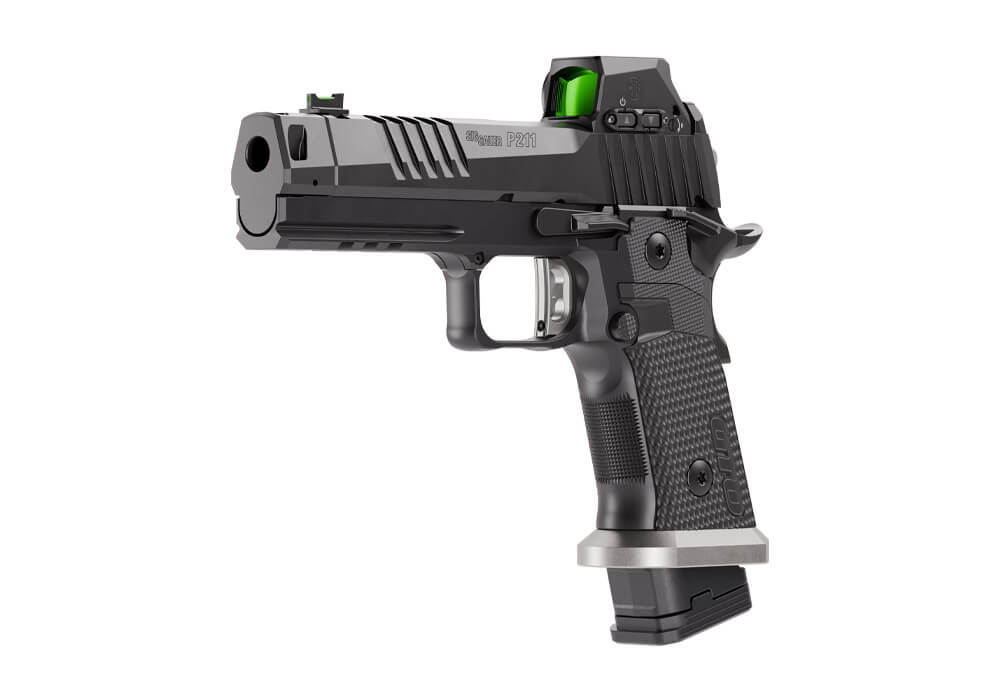
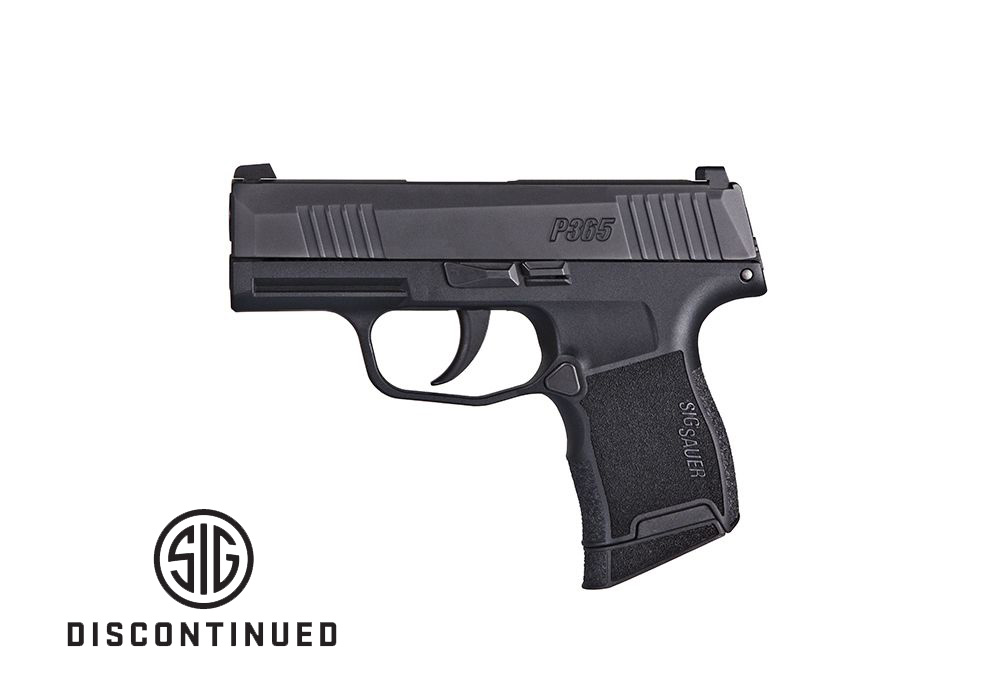
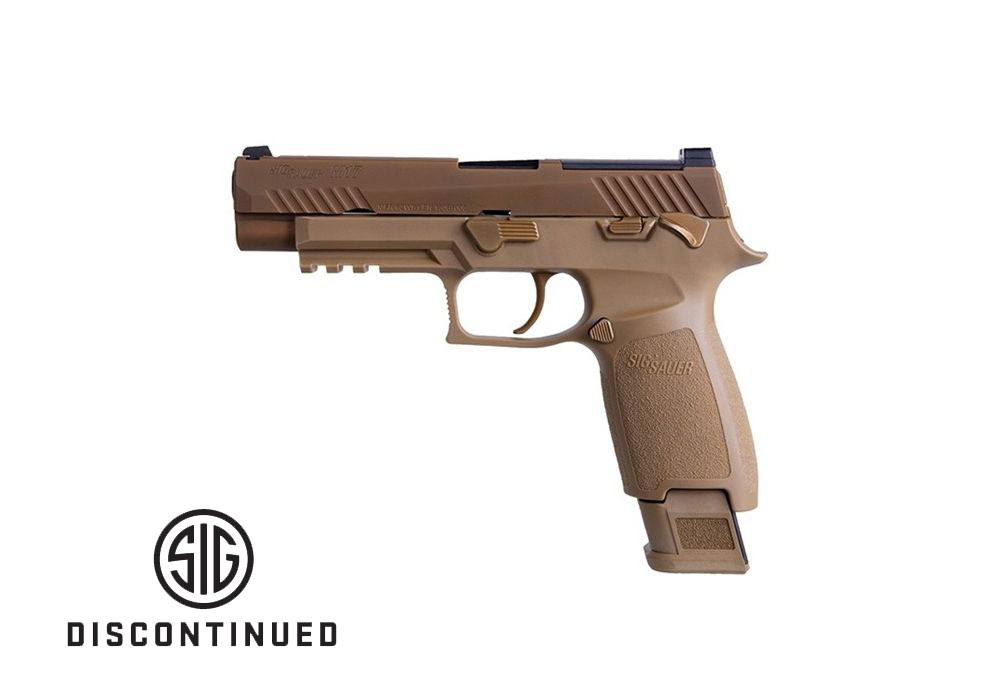
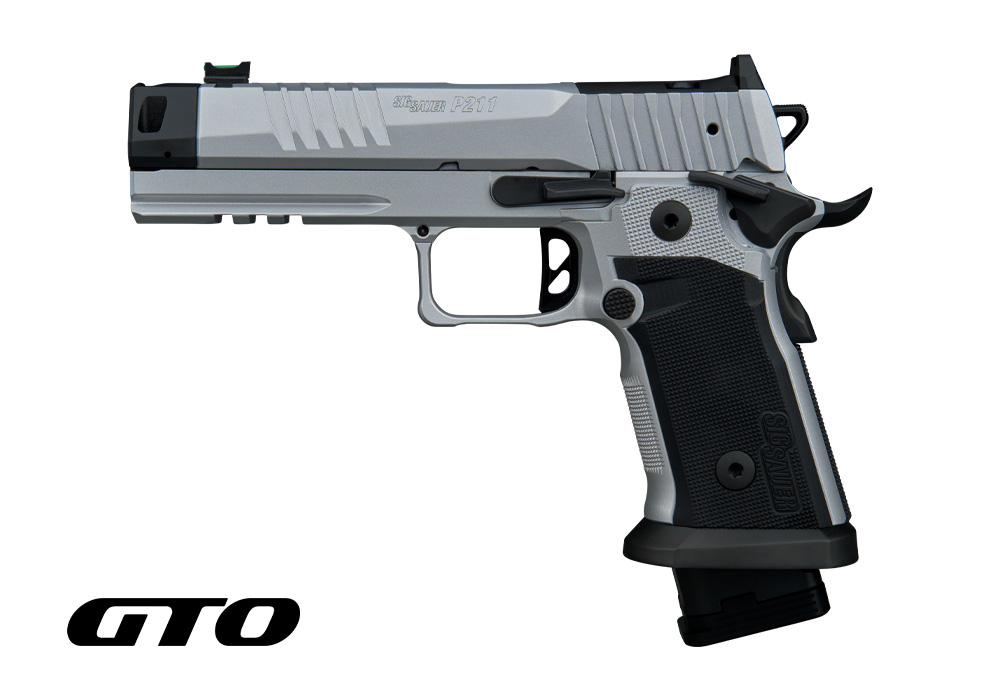
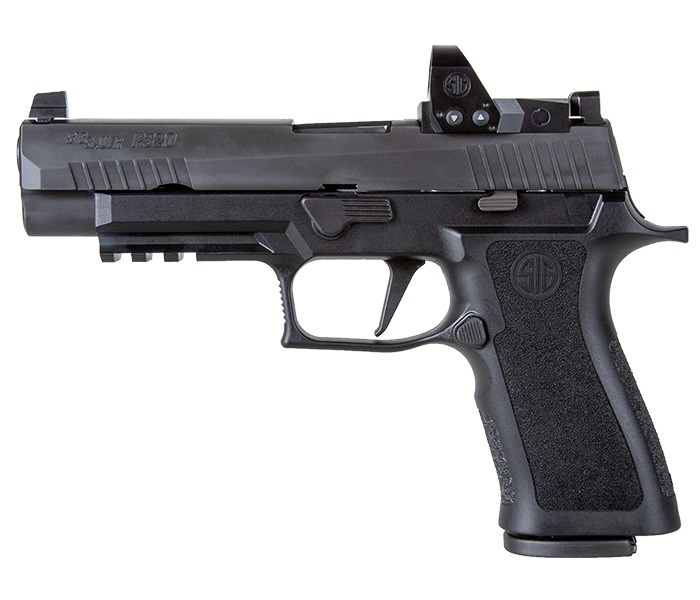
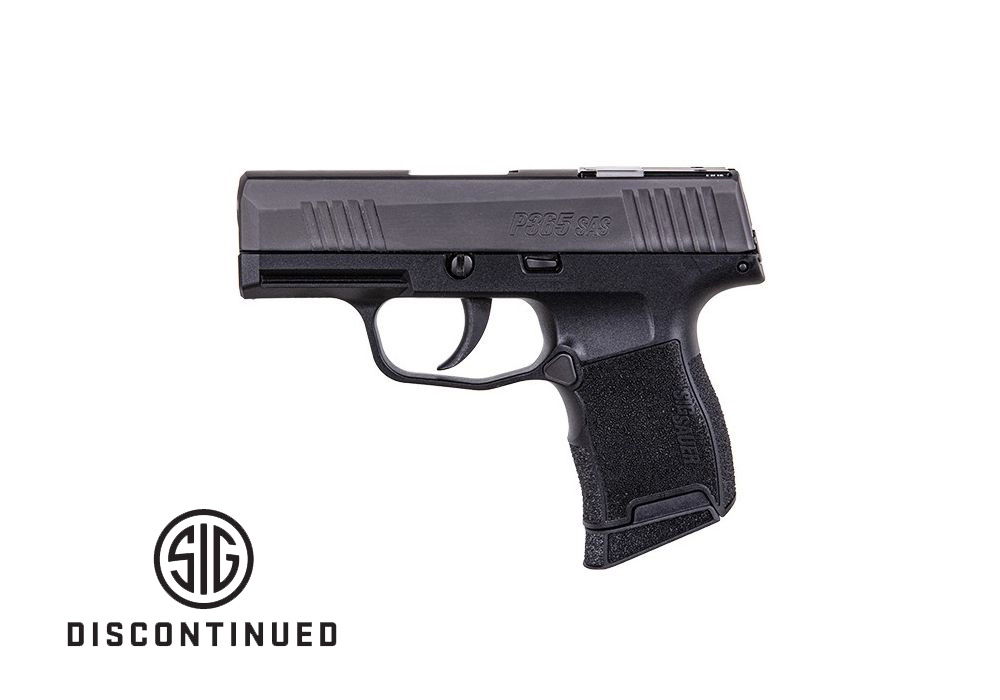
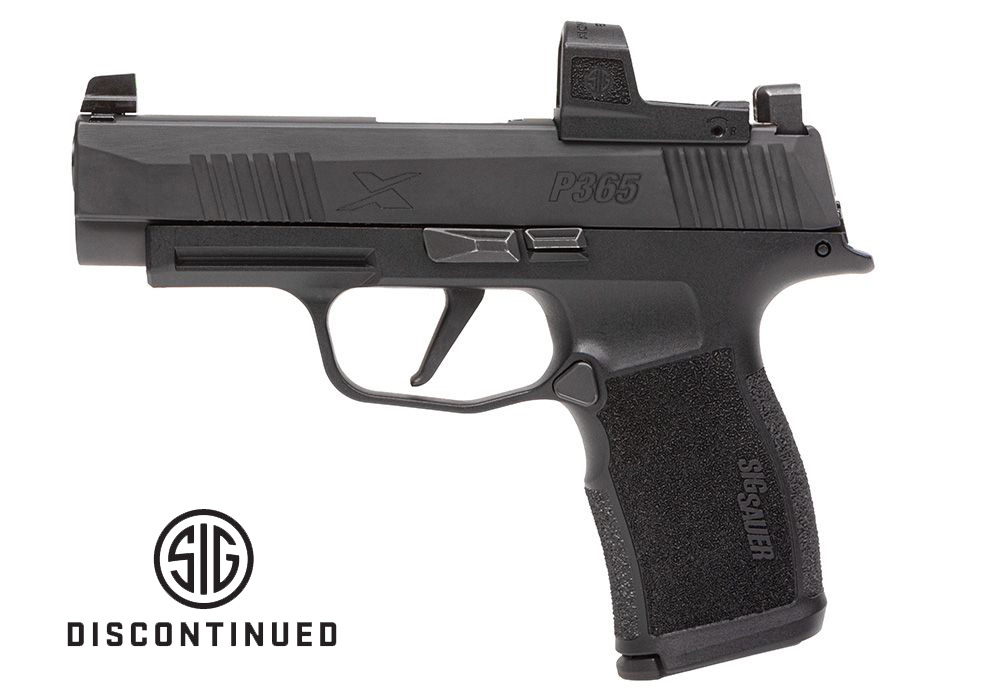
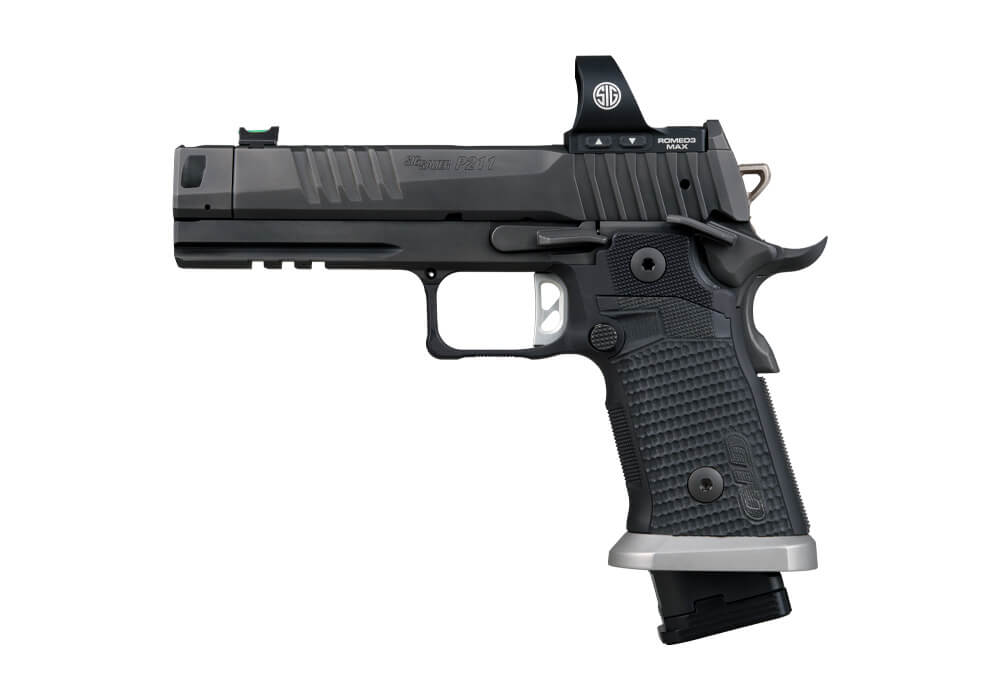
9mm pistols for law enforcement are selected for a demanding balance of reliability, controllability, service life, and practical handling. Agencies typically evaluate full-size and compact configurations according to the role, uniform requirements, training standards, and approved equipment list. A full-size grip and longer slide can provide a steady feel during qualification and extended practice, while a compact frame may be more suitable for plainclothes assignments, off-duty use, or personnel who need a trimmer profile. The 9mm cartridge remains a common duty choice because it offers manageable recoil, broad ammunition availability, and a wide range of projectile styles for authorized agency use. When comparing options, procurement teams should review the pistol’s operating system, grip geometry, trigger characteristics, sight arrangement, controls, magazine options, and compatibility with existing holsters and accessories. Striker-fired platforms are often valued for their consistent manual of arms and straightforward controls, while a modular design can allow an agency to configure grip size or other user-contact points to suit different hand sizes without changing the overall service platform. Ambidextrous controls can be especially useful in training environments and for officers who may need to work from either side of the body. Grip texture deserves close attention as well; a secure, comfortable surface should support a firm hold during wet weather, cold conditions, gloved use, or long qualification sessions without creating unnecessary discomfort during daily carry. A clear sight picture is another important consideration. Traditional iron sights remain familiar and durable, while optics-ready slides give agencies the flexibility to approve a compatible red dot sight when policy, training, and budget support that configuration. The slide should also provide practical access for inspection and maintenance, with finishes and materials selected for regular handling, holster contact, and exposure to routine environmental conditions. Agency buyers should compare standard and extended magazine options, confirm magazine interchangeability across approved configurations, and establish clear procedures for storage, inspection, replacement, and inventory control. Every selection should align with department policy, applicable law, qualification requirements, and the guidance of a certified firearms instructor or agency armorer.
A duty pistol is only one part of a complete equipment system. Before selecting a 9mm pistol for law enforcement, agencies and individual officers should consider the holster, weapon light, spare magazines, magazine pouches, training ammunition, duty belt, and secure storage method as a unified setup. An integrated accessory rail can support an approved tactical light, helping an officer identify objects and people in reduced-light conditions without relying on a handheld light alone; any accessory should be tested with the chosen holster and should not interfere with retention, controls, or routine inspection. Holster fit is particularly important, since retention, draw consistency, concealment requirements, and compatibility with body armor or other duty equipment can vary substantially between full-size and compact pistols. Officers who transition between uniformed duty and plainclothes assignments may value a platform with consistent controls across different grip configurations, while agencies may prioritize commonality so instructors, armorers, and supply personnel can support one approved system efficiently. Training should cover loading, unloading, malfunction procedures, safe storage, sight use, low-light equipment, and maintenance under the supervision of qualified professionals. Regular cleaning and inspection help identify worn springs, damaged magazines, loose sights, or other issues before they affect service use; the manufacturer’s instructions and department procedures should always guide maintenance intervals and replacement decisions. Buyers should also account for hand fit, reach to the trigger and controls, left- or right-handed operation, recoil tolerance, and the ability to obtain a secure grip while wearing gloves. These details can have a greater effect on practical performance than a specification viewed in isolation. For agencies building or updating an equipment program, it is useful to gather feedback from instructors, armorers, procurement staff, and representative end users, then conduct structured evaluations using the same holsters, ammunition, targets, and qualification standards. Individual purchasers should verify eligibility, local requirements, agency authorization, and approved configuration rules before ordering. Those exploring comparable 9mm options outside a duty-specific role can also review 9mm Pistols For Enthusiasts for additional context. With careful attention to fit, controls, maintenance, support equipment, and documented training, a properly selected 9mm duty pistol can serve as a dependable component of a broader professional equipment program through changing conditions and years of routine service.
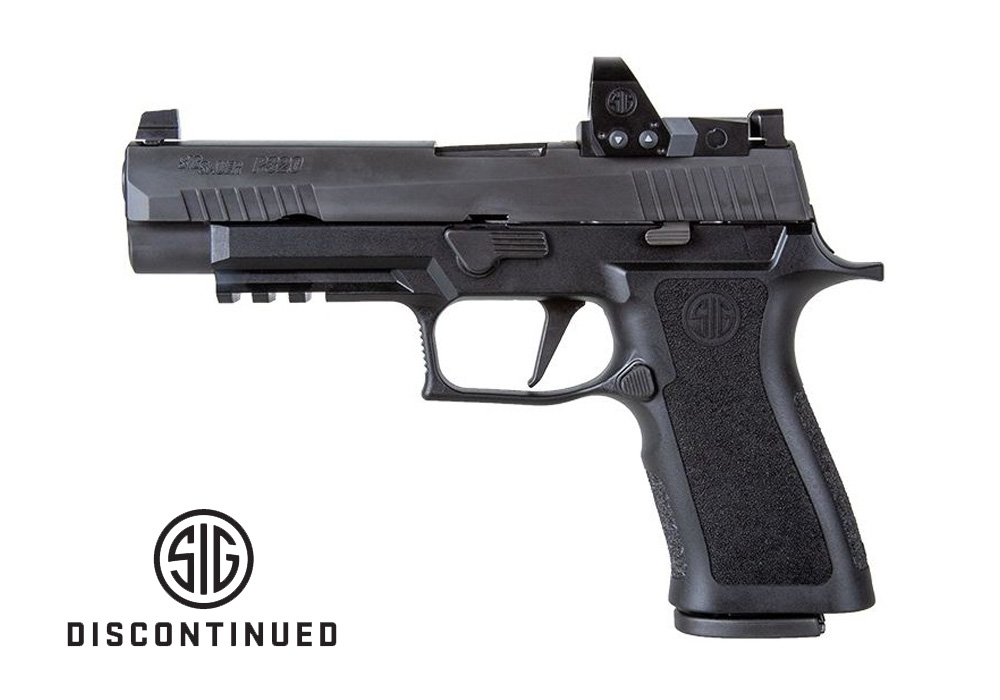



![[["P226, 9MM, 4.4IN, LEGION, SAO, X-RAY 3, TXG GRIP, (3) 20RD STEEL MAG, MAGWELL, ","COMP, ROMEO X PRO, SIG-LOC"]]](http://www.sigsauer.com/media/catalog/product/2/2/226x5-9-legion-sao-rxsl-left_4.jpg)