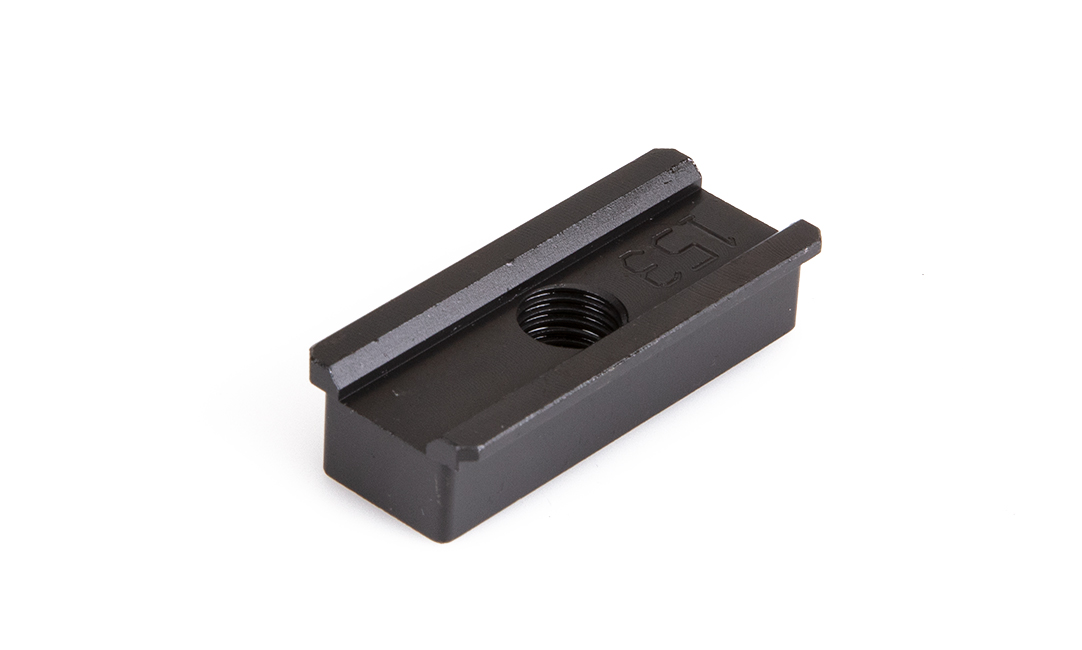
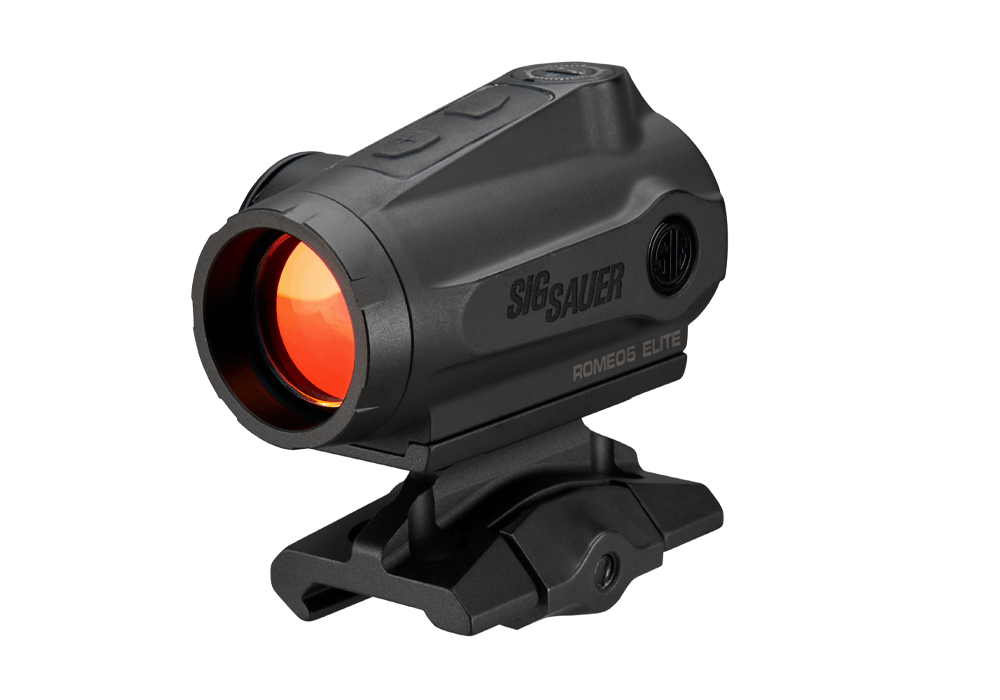
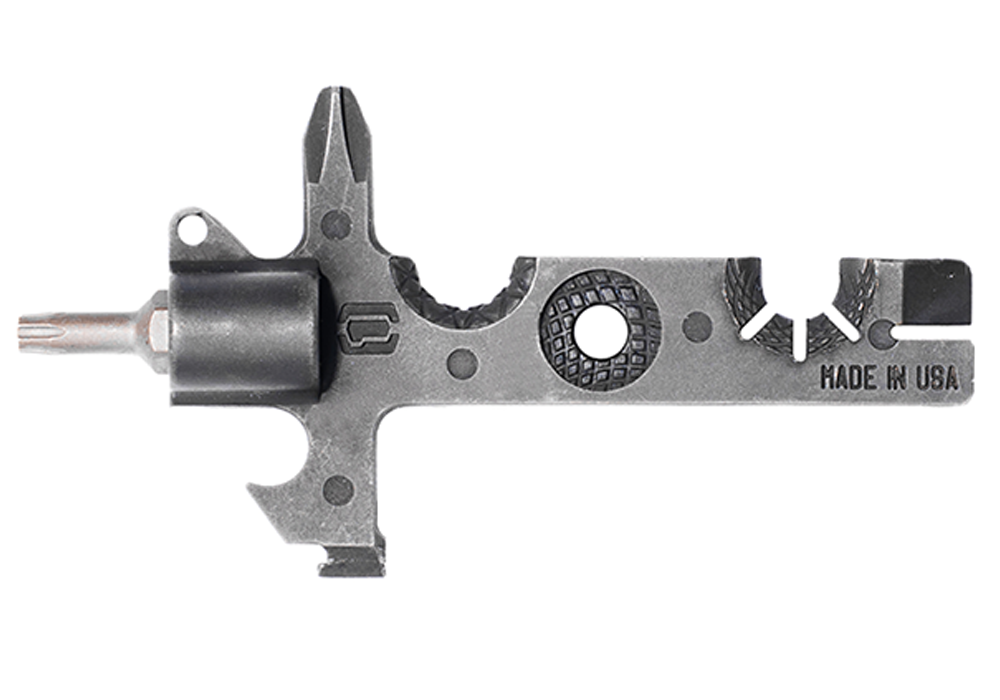
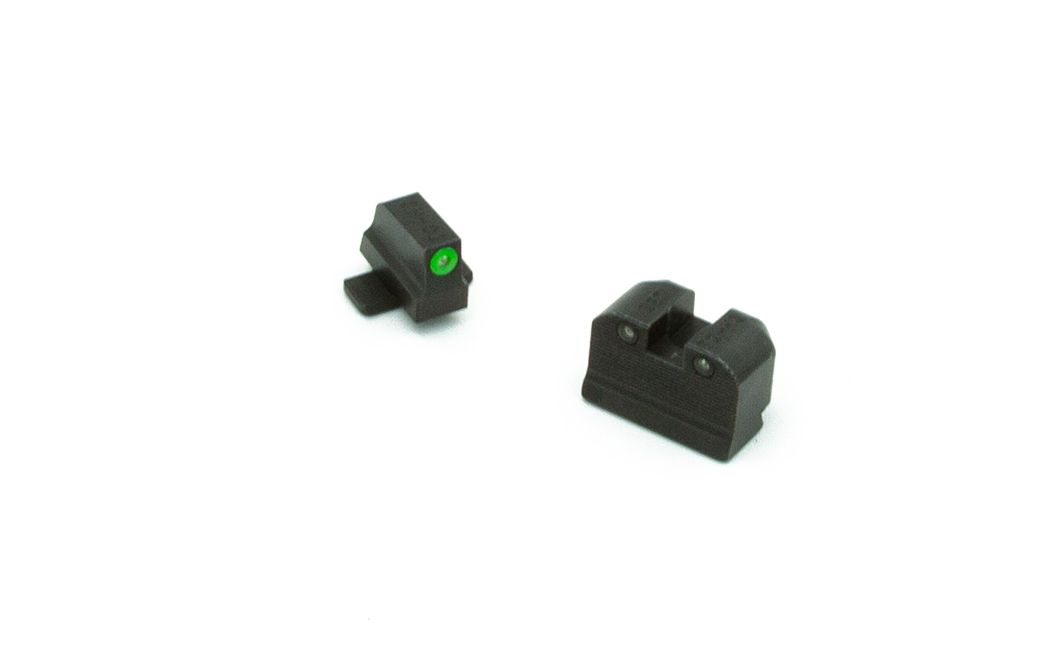
Accessories for red dot owners support the everyday care, protection, storage, and compatibility needs that come with owning an optic. This category includes protective covers, lens care supplies, compatible mounting accessories, battery-related components, and storage solutions, with the right choice depending on the sight’s design and the way it is used. A red dot can spend as much time inside a case or traveling to the range as it does in use, and those quieter stretches deserve attention. Dust settles around exposed surfaces, fingerprints find their way onto glass, and loose equipment can rub against an optic during transport. Protective accessories help limit that wear, while suitable cleaning supplies help preserve a clear view without treating coated optical surfaces like ordinary household glass. For recreational target shooters, regular range visitors, and people who use compatible optics for lawful hunting, these accessories address familiar details rather than promise a dramatic transformation. Think of opening a range bag after a long drive: a protected sight, organized spare supplies, and clean storage compartments make the contents easier to inspect and care for. The most useful purchases often solve one recurring inconvenience, whether that is keeping a lens covered between outings or keeping small components from disappearing into the bottom of a bag. When comparing accessories, look beyond a broad label such as “universal.” Exterior dimensions, control placement, battery access, and the shape of the optic housing can all affect suitability. A cover should match the intended sight without putting unwanted pressure on controls, and a storage solution should accommodate the equipment without forcing a tight closure. Material choice matters, too. Flexible protective materials and more structured designs offer different balances of handling, coverage, and bulk. Product descriptions should clarify those differences, helping owners choose protection that fits their routine instead of adding another accessory that stays unused in a drawer.
Compatibility is especially important when shopping for accessories that attach directly to an optic or its supporting equipment. Similar-looking sights do not necessarily share the same mounting interface, exterior profile, hardware requirements, or replacement components. Manufacturer documentation is the best starting point for checking the exact model and supported accessory specifications before purchasing. The Red Dot Sight Mounts collection is a relevant place to compare mounting options, with stated compatibility taking priority over appearance or broad product descriptions. Mount selection should follow the specifications of both the optic and the equipment receiving it; resemblance alone is not evidence of a proper fit. Any uncertainty about installation belongs with the manufacturer or a qualified professional. That same attention to fit applies to protective covers, replacement caps, and other model-dependent components. A small part can have an important role in maintaining the intended seal or protecting an exposed surface, so the exact replacement specification matters more than a close visual match. For lens care, look for supplies explicitly suitable for the optic’s coatings and follow the manufacturer’s cleaning recommendations. A cloth that has collected grit in a bag is not the same as a clean cloth stored in its own compartment, even if both look serviceable at a glance. Battery purchases also deserve a careful check of the specified type, package condition, and storage guidance. Keeping spare batteries organized in appropriate protective packaging is preferable to leaving them loose among metal tools and other equipment. For any accessory, useful purchase details include dimensions, material descriptions, care requirements, compatibility notes, and a clear explanation of what is included. Photographs can help establish shape and coverage, but written specifications should settle questions of fit. Good value is not simply the lowest price or the largest bundle. It is an accessory that suits the equipment, arrives with the necessary information, and remains practical through repeated handling, cleaning, and storage. A modest purchase with a clear purpose often earns its place faster than a complicated option with features the owner rarely uses.
The best accessories for red dot owners also reflect the person behind the equipment. Someone who visits an indoor range occasionally may prioritize compact storage and straightforward lens care, while an owner who spends more time outdoors may place greater emphasis on protective coverage and materials suited to changing conditions. During the cooler months, damp cases, windblown debris, and the move between cold outdoor air and warmer indoor spaces can make routine inspection and appropriate care especially relevant. Accessories should support that care without suggesting that a cover turns an optic into a fully weatherproof system or that a cleaning product can correct damage. The optic’s own environmental ratings and care instructions still govern how it should be treated. Storage deserves a similar distinction: a protective pouch or padded compartment can help separate equipment, but it does not replace secure firearm storage. For owners who keep several optics or share a household with another shooting enthusiast, clearly organized accessory storage can also reduce confusion between similar-looking parts. There is something satisfying about reaching into a case and finding a clean cloth in its sleeve, the correct cover in its compartment, and spare supplies where they belong. That kind of order is a practical benefit, not just a tidy appearance. Accessories can also be thoughtful gifts for an adult who already owns a red dot, particularly when the giver knows the exact optic model and understands the recipient’s habits. General care and organization accessories may be easier to evaluate than model-specific components, although their materials and intended uses still need checking. A gift selected around an existing need usually feels more personal than a collection of extras chosen only because they look technical. Before purchasing, consider what the owner already has, what gets used frequently, and what needs replacing. Durable construction, easy-to-understand compatibility information, and sensible care requirements are useful qualities across the category. Whether the purchase is a replacement for a worn accessory, a way to organize a range bag, or a practical gift, the goal is the same: support responsible ownership with equipment that fits, protects, and remains useful beyond the first outing.