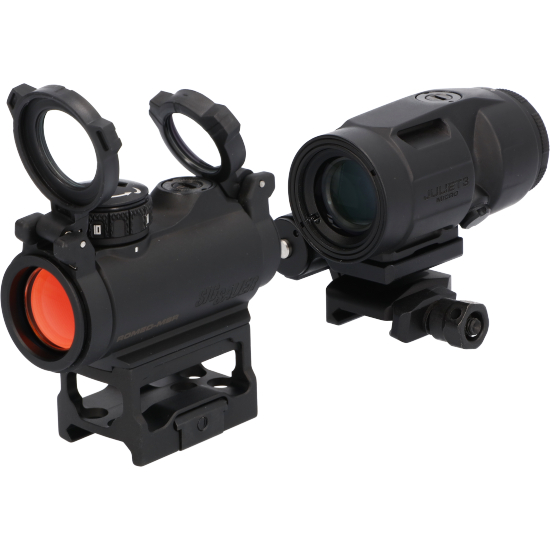
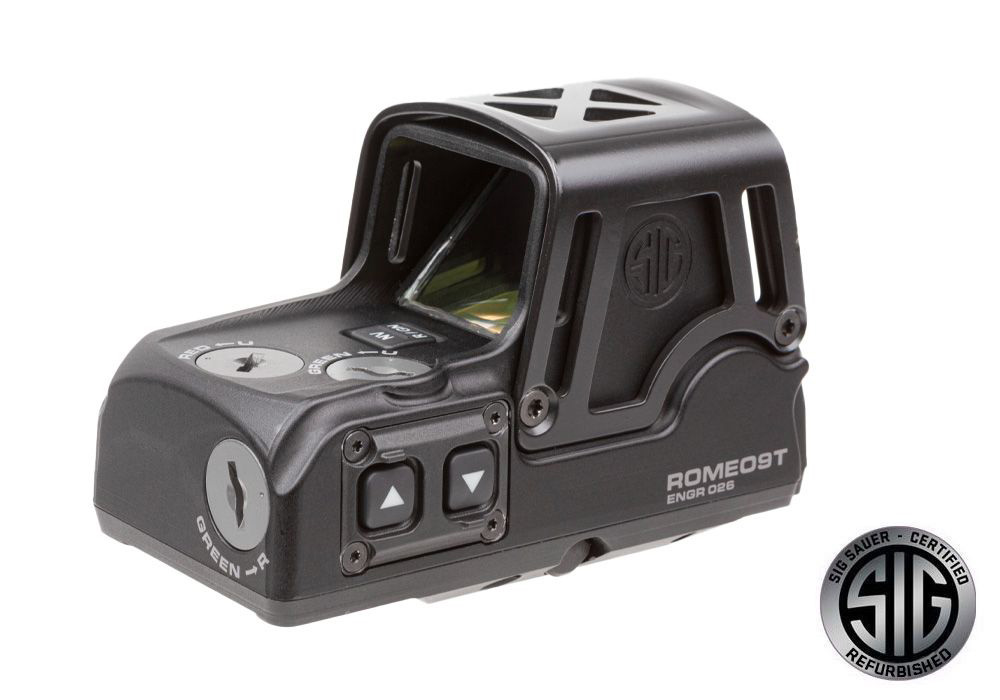
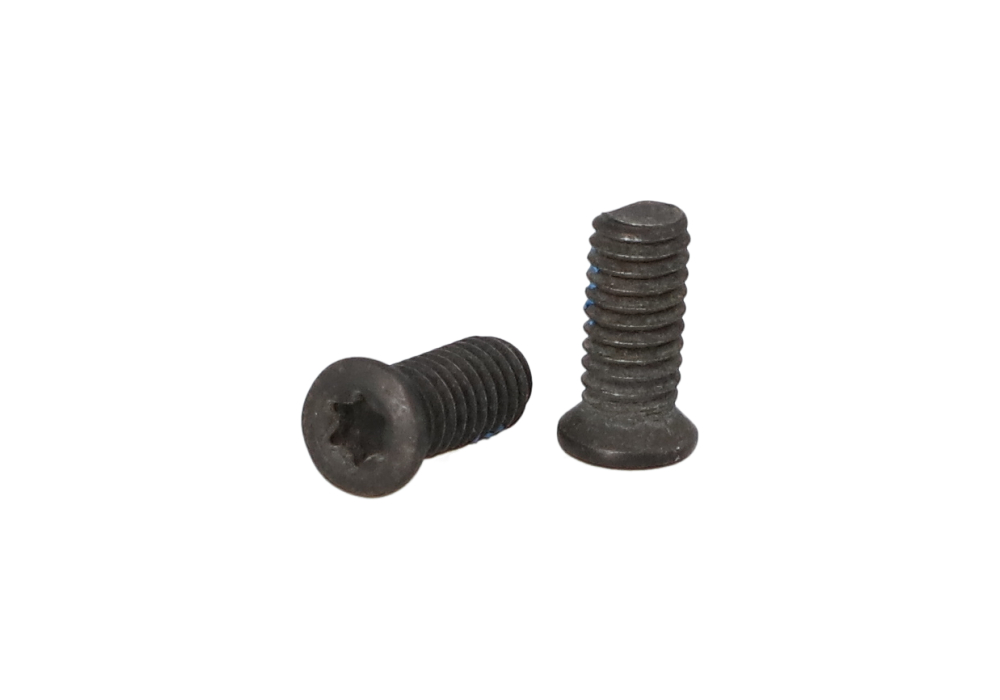
Must-have accessories for red dot sights help an optic perform reliably across changing conditions, different firearms, and a wide range of shooting applications. The right addition often starts with the mounting system. A quick-detach mount can make optic removal faster while helping preserve a consistent zero when it is properly installed and returned to the same interface. A riser mount changes the sight height to support a more comfortable head position or a preferred co-witness arrangement with backup iron sights. Absolute and lower one-third co-witness setups each offer a different sight picture, so the correct height depends on the firearm, optic, stock or brace configuration, and the shooter’s natural presentation. For pistol slides, an adapter plate must match the optic footprint and mounting pattern precisely; compatibility, screw length, torque specifications, and clearance are all important considerations. A mount that appears close but does not fully match can create movement, damaged hardware, or a loss of zero. Shoppers choosing accessories for a rifle, pistol, or shotgun should confirm the platform, rail standard, optic footprint, and intended use before adding a mount or plate to the cart. These practical components can also make thoughtful gifts for a new firearm owner, a range enthusiast, or someone setting up a red dot sight for the first time, especially when the accessory supports a specific configuration rather than relying on a one-size-fits-all fit. During warmer outdoor sessions, dusty range days, and the cooler months when rain and debris are common, a secure mounting solution provides the foundation for the rest of the setup.
Protection and maintenance accessories keep the sight’s viewing window clear when the firearm is being transported, stored, or used outdoors. Flip-up lens covers shield coated glass from scratches, grit, moisture, and the occasional bump against a case, barricade, or vehicle interior. A protective cover can be especially useful when a rifle is carried through brush or moved between a safe and the range, while a compact cover for a pistol optic helps reduce exposure to dust and pocket lint during transport. For a discreet, low-glare setup, Black Lens Covers for Red Dot Sights offer a simple way to protect the lens and limit unwanted reflection when the sight is not in use. Killflash or anti-reflection devices add another layer of control by reducing visible glare from the objective lens in bright outdoor light. Hunters, competition shooters, and professionals working around reflective terrain may appreciate this feature, although an anti-reflection device can slightly affect the apparent brightness or field of view depending on its design. Lens cleaning kits, microfiber cloths, soft brushes, and optical cleaning pens are equally useful. Fine dust may be nearly invisible until it catches the light across the dot, and a fingerprint can turn a crisp aiming point into a hazy smear when the sun sits low over the range. Cleaning tools made for coated optics help remove dust, carbon, rain spots, and smudges without introducing abrasive particles or harsh cleaners. It is best to follow the optic manufacturer’s care instructions, blow away loose debris before wiping, and store cleaning supplies in a protective pouch rather than loose in a range bag.
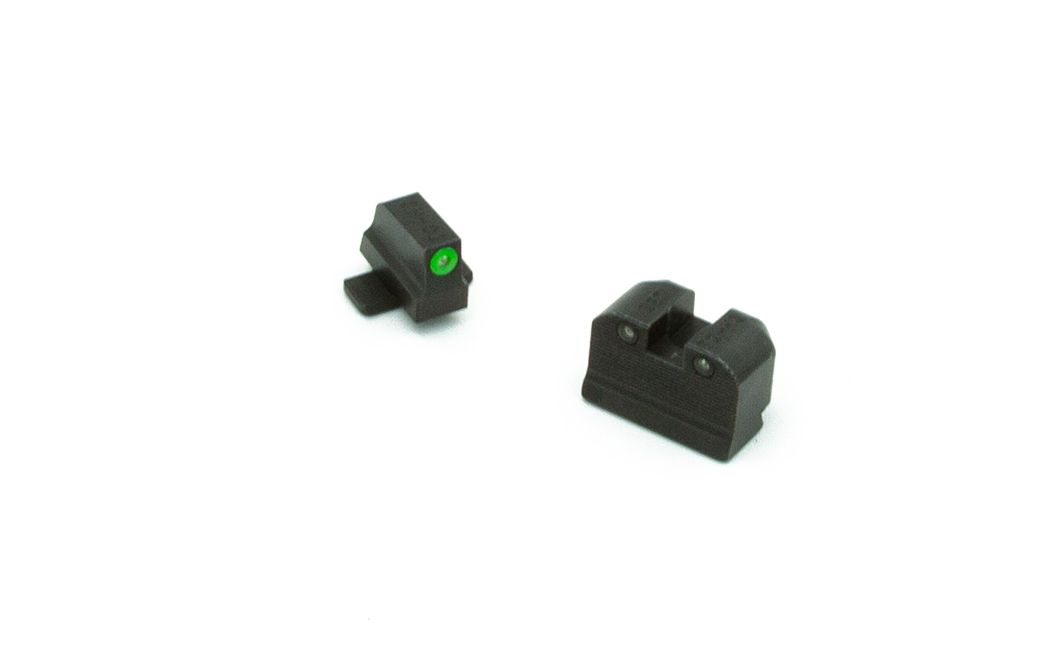
Red dot sight accessories can also expand capability and provide a practical backup when conditions change. A flip-to-side magnifier can add useful visual detail for targets at extended distances while allowing a shooter to return quickly to an unmagnified sight picture for closer work. A 3x magnifier is a common choice for balancing added reach with a compact setup, but buyers should consider eye relief, mount height, hinge direction, available rail space, and whether the magnifier aligns with the red dot at the chosen distance. It may be particularly useful on a rifle used for a mix of range shooting, field practice, and distance work, where one sight picture does not cover every scenario. Backup iron sights provide redundancy if a battery becomes depleted, an optic is damaged, or an electronic sight is not available for a particular stage of use. Folding front and rear sights can remain unobtrusive beneath or alongside an optic while deploying quickly when needed, provided the mount height and rail placement allow a clear relationship between the systems. Battery storage and replacement accessories are also worth considering, since a spare power source kept in a sealed, organized compartment can prevent a small oversight from ending a training session. Together, mounts, risers, adapter plates, lens protection, anti-reflection devices, cleaning tools, magnifiers, and backup sights create a more complete red dot sight setup without adding unnecessary complexity. Whether selected for a new owner, a seasoned range visitor, a hunter preparing for changing light, or a family member assembling a responsible home-defense platform, the best accessory is the one that fits the firearm, supports the intended use, and remains dependable through regular practice. Any firearm and optic should be handled responsibly, stored securely, and used only in accordance with applicable laws, manufacturer instructions, and established range and safety practices.